
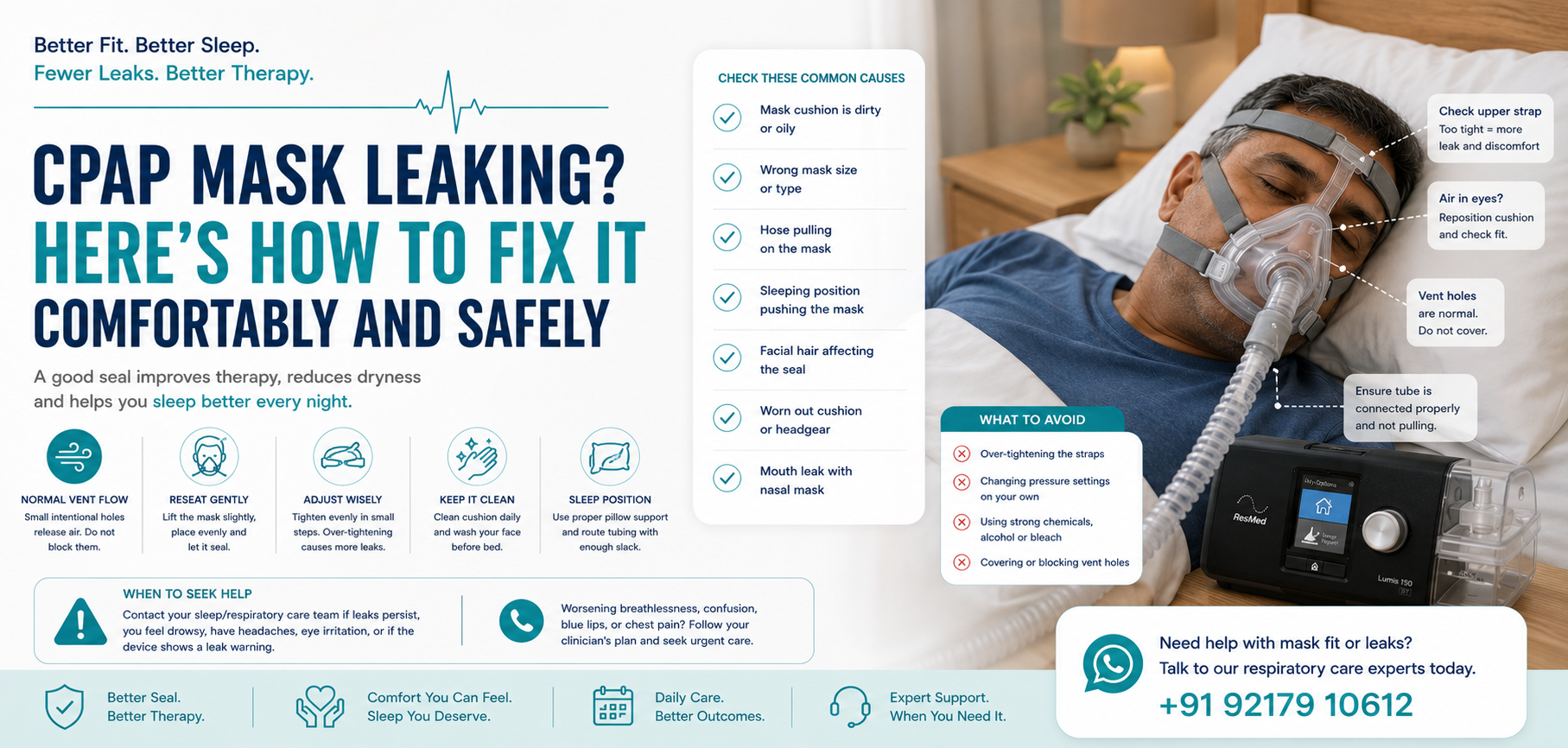
Small intentional vent flow is normal, but air blowing into the eyes, loud seal noise or a leak warning may indicate poor fit. Clean and reseat the cushion, lie in the usual sleeping position, check tubing and adjust straps gently. Do not overtighten or change pressure settings to compensate.
“Air is escaping near my father’s eyes and he keeps removing the mask.” Mask leak is one of the most common reasons patients struggle with CPAP or BiPAP. The solution is usually fit, size, cleanliness or mask style—not higher strap tension.
At a Glance
- Identify intentional vent holes before assuming every airflow is a leak.
- Fit the mask while the device is running and the patient is lying down.
- Protect the skin; a painful tight mask is not a good seal.
Reseat Before You Tighten
Switch on therapy as instructed, gently lift the cushion away from the face and let it settle evenly. Check that no edge is folded and hair, clothing or tubing is not trapped under the seal.
Adjust headgear in small, balanced steps. Over-tightening can distort the cushion and actually worsen leakage while causing nose-bridge or cheek injury.
Cleanliness, Facial Hair and Sleeping Position
Facial oils can interfere with the seal. Clean the cushion according to the manufacturer’s instructions and wash the face before bed. Avoid creams where the cushion contacts skin unless clinically advised.
A leak that begins after turning may indicate the pillow pushes the mask sideways or the hose pulls on it. Route the tubing with slack and consider a clinician-approved mask style suited to the patient’s position.
When a Different Mask May Be Needed
Persistent mouth leak with a nasal interface, major weight change, facial injury, dentures or a pressure sore may require another size or design. Contact the sleep or respiratory team rather than trying random masks.
If the patient cannot remove the mask independently, vomits, becomes drowsier than usual or develops breathing distress, follow the clinical safety plan immediately.
What to Keep Ready
- Correct mask model and size
- Clean, undamaged cushion
- Balanced headgear adjustment
- Hose supported without pulling
- Skin inspected every morning
- Leak data or warning noted for clinician review
Clinical Safety Comes First
Do not copy pressure settings, oxygen connections, modes or alarm limits from another patient or an online video. If breathing worsens, the patient becomes confused or unusually drowsy, lips appear blue or grey, or the prescribed support cannot be delivered, follow the clinician’s escalation plan and seek urgent medical help.
Frequently Asked Questions
Is air from the small holes normal?
Usually yes; masks have an intentional exhalation vent. Never cover it.
Should we tighten until no air can be felt?
No. Eliminate unintended seal leaks, not the designed vent flow.
Can a beard cause leakage?
Facial hair can affect the seal. Ask about a different interface rather than making the mask painfully tight.
Why are the patient’s eyes dry?
Upward leak may blow toward the eyes. Refit the mask and contact the provider if it persists.
Trusted Patient References
Compare Respiratory-Care Equipment
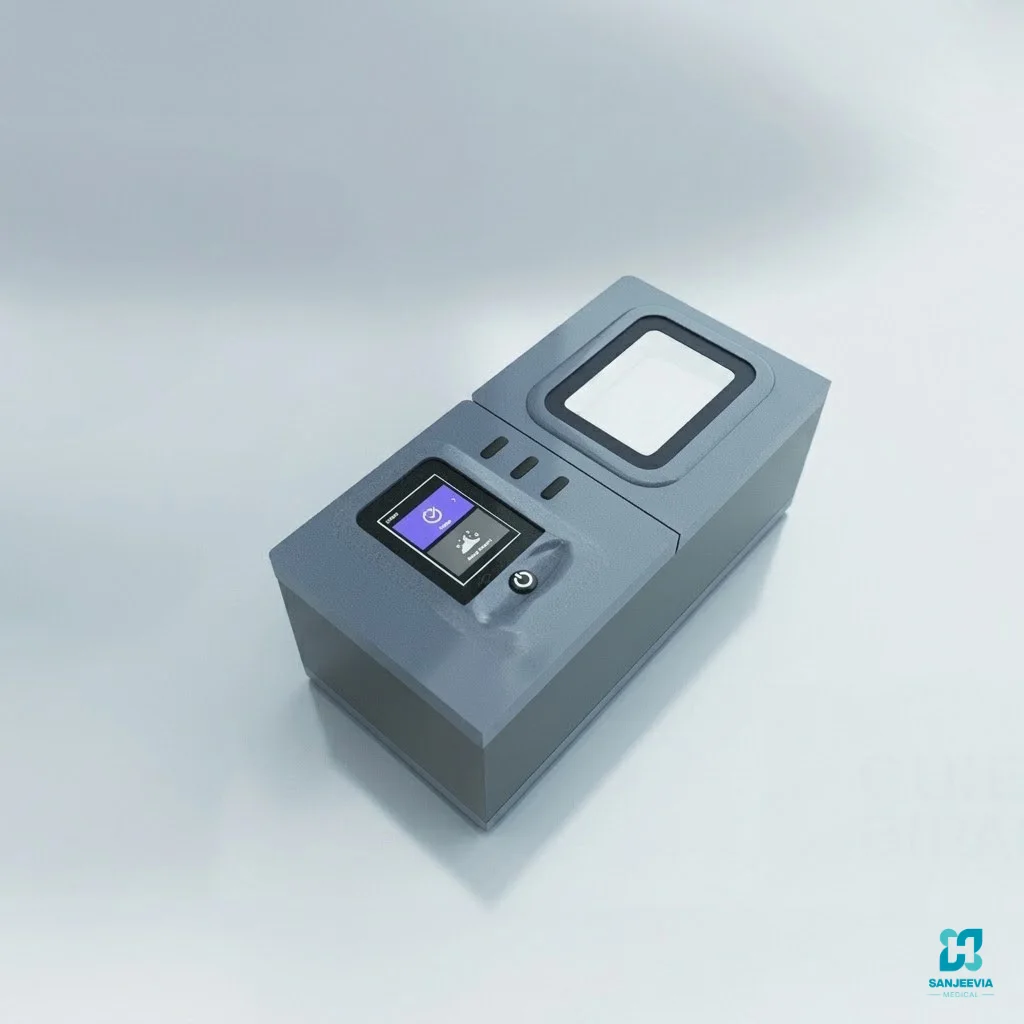
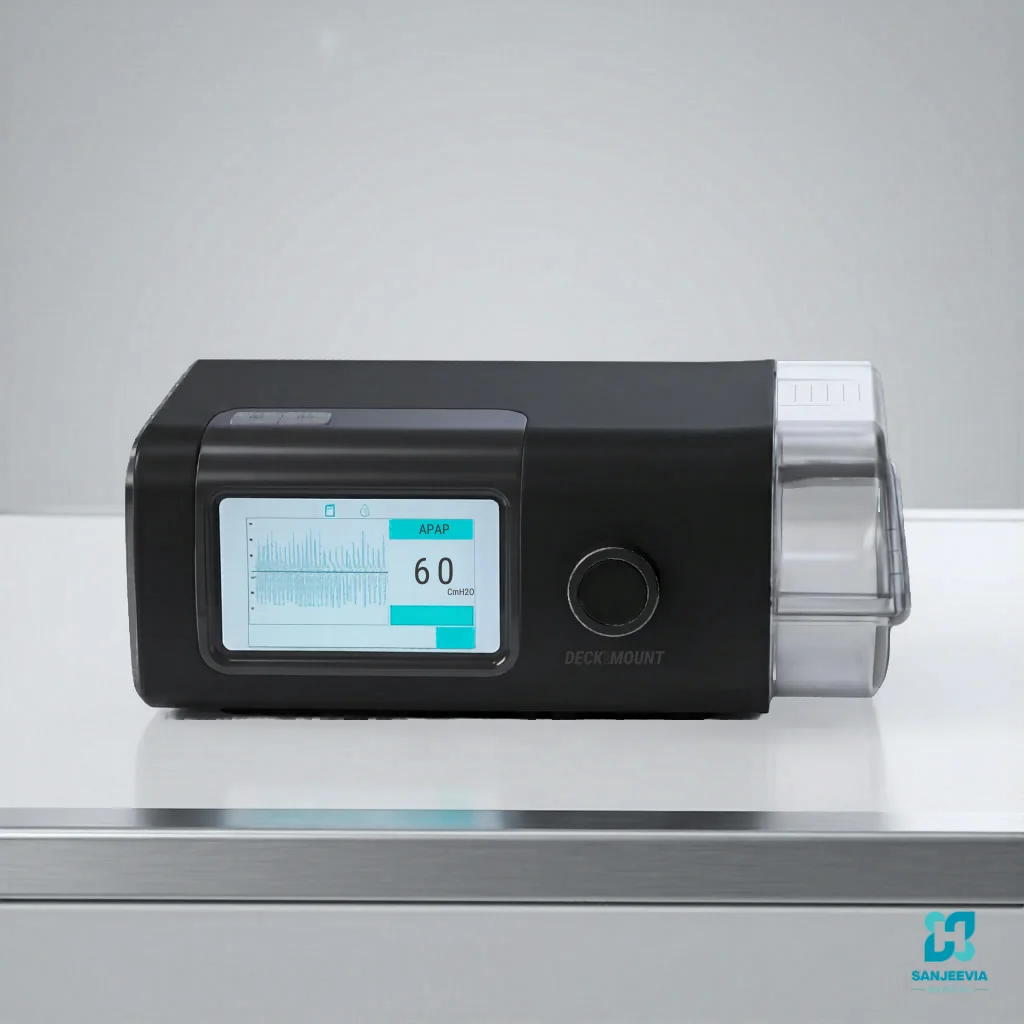
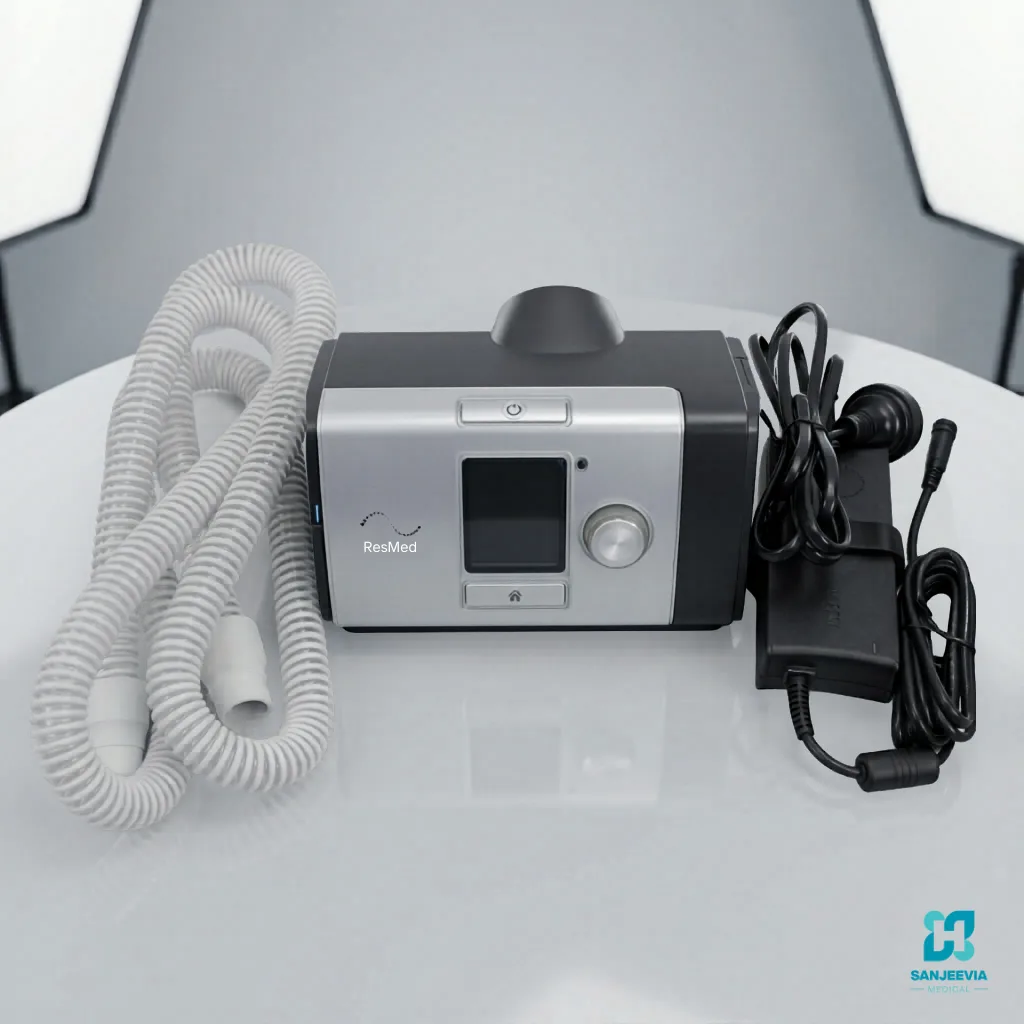
Keep the prescription and current interface details ready, then browse Sanjeevia’s BiPAP, CPAP and ventilator options. Confirm the exact mode capability, accessories, setup, training, service and current availability before booking.
Related Guidance and Equipment
Respiratory equipment must match the written prescription; these links provide the relevant comparison and exact product specifications.
Continue Reading
- BiPAP vs CPAP vs Ventilator — understand the different types of respiratory support.
- Managing COPD at Home — coordinate oxygen, BiPAP and the daily care routine.
Relevant Product Pages
- ResMed Lumis 150 ST BiPAP — review ST-mode capability and product specifications.
- ST-Mode BiPAP — compare an ST-mode option when that mode is prescribed.
Medical disclaimer: General information only. The treating clinician must prescribe the device, mode, pressures, oxygen plan and monitoring.
Published by Sanjeevia Medical | Delhi NCR