
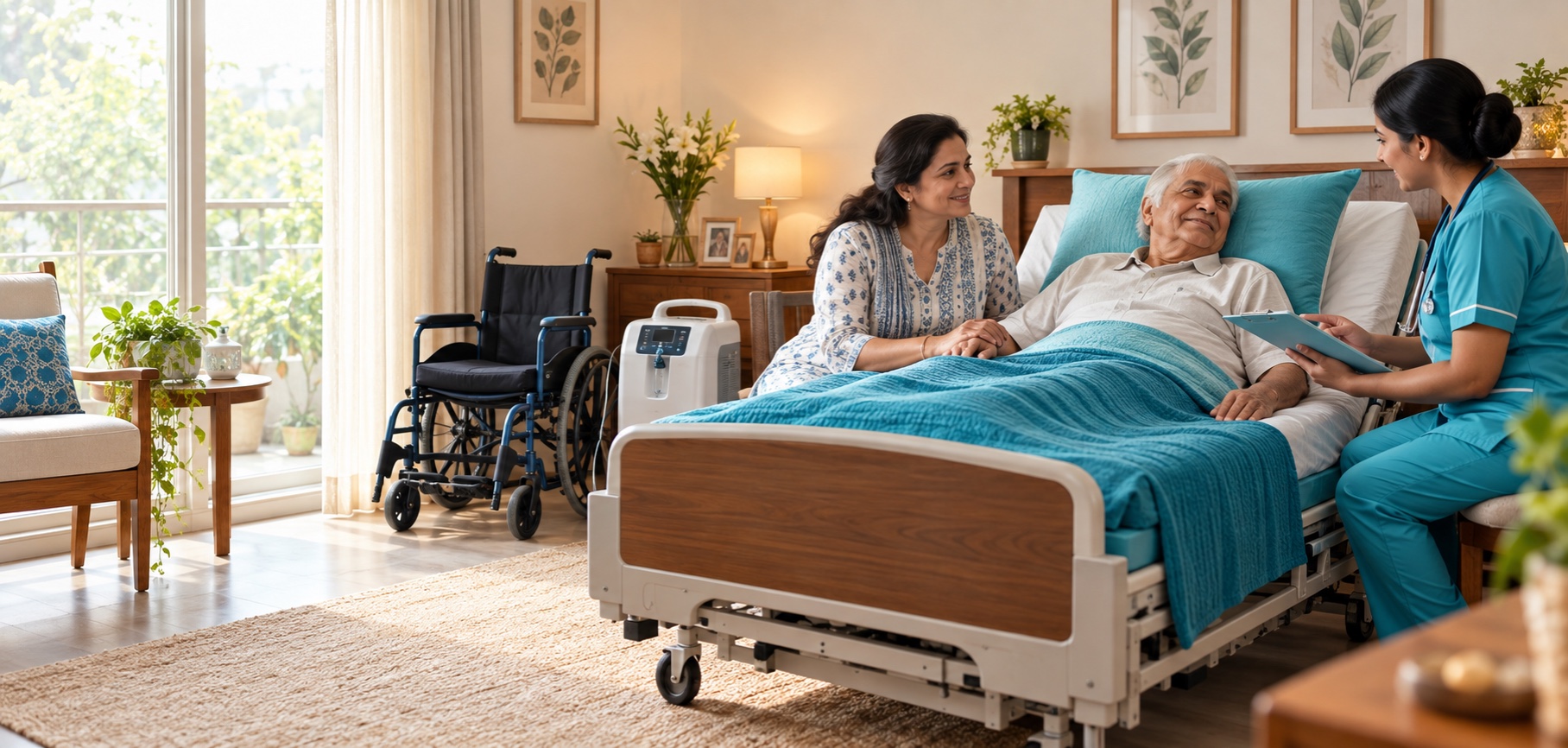
Quick answer: Medical equipment for palliative or cancer care at home should support comfort, dignity, safe caregiving and the clinical care plan. A suitable setup may include a hospital bed, pressure-care mattress, mobility or toileting aids and, only when prescribed, respiratory, suction, monitoring or infusion equipment. Start with the palliative or oncology team’s priorities and add equipment only when it solves a defined need.
When a family prepares a room for palliative or cancer care, the first instinct is often to collect every item that might be useful. That can leave the patient surrounded by equipment while the caregiver still struggles with positioning, transfers or basic access. The better question is: what will make this person more comfortable and easier to care for today? This guide explains how to plan medical equipment rental for palliative and cancer care at home without losing sight of the person behind the care plan.
Begin with comfort goals, symptoms and caregiver capacity
Palliative care is broader than end-of-life care. The World Health Organization describes it as an approach that improves quality of life for patients and families facing life-threatening illness by addressing physical, psychological, social and spiritual concerns. Equipment supports only part of that plan.
Ask the treating or palliative-care team to identify the immediate goals. These may include comfortable positioning, pressure relief, safer transfers, easier toileting, prescribed breathing support or a manageable bedside routine. Also discuss what the main caregiver can safely do. A useful device for one home may become an unnecessary burden in another.
India’s National Programme for Palliative Care emphasises a multidisciplinary approach that includes the family and can extend into the patient’s home. Keep the clinical team involved whenever symptoms, mobility or the care plan change.
Prioritise positioning, pressure care and bedside access
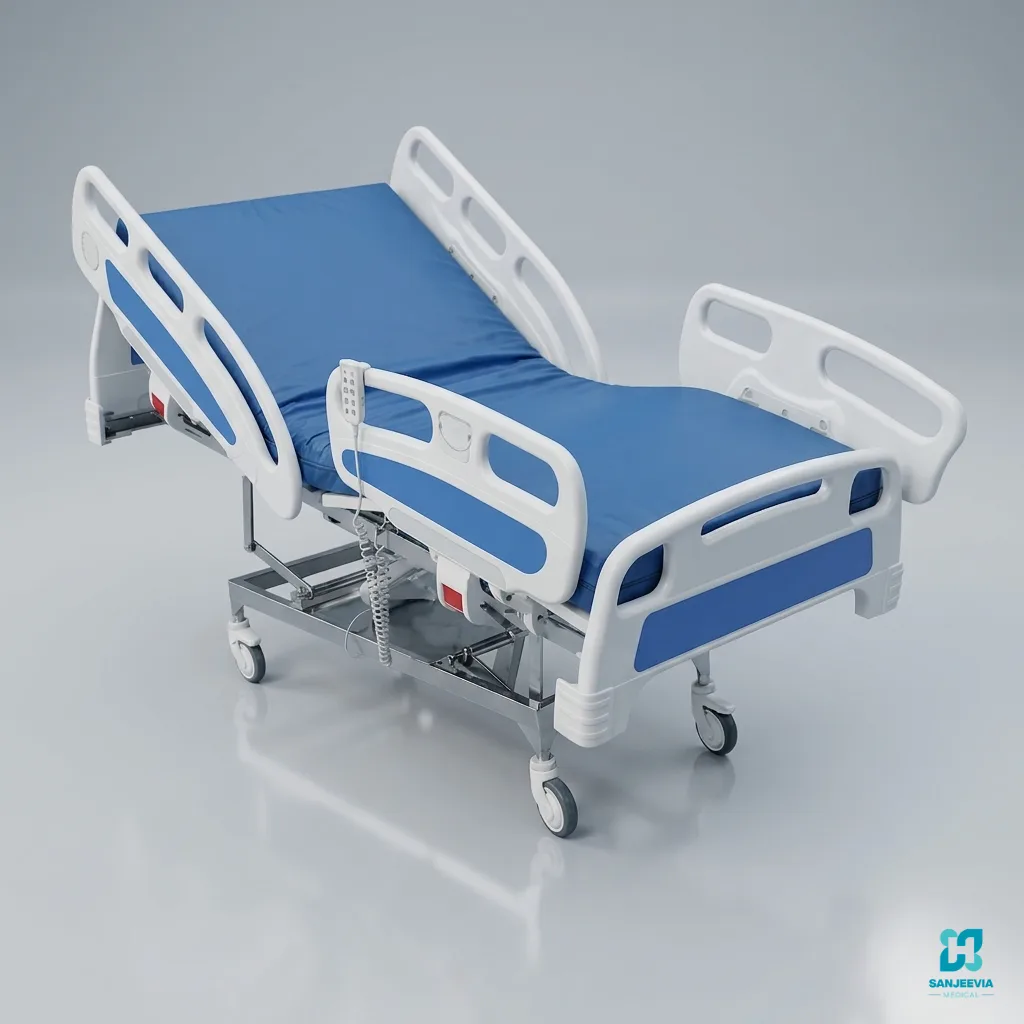
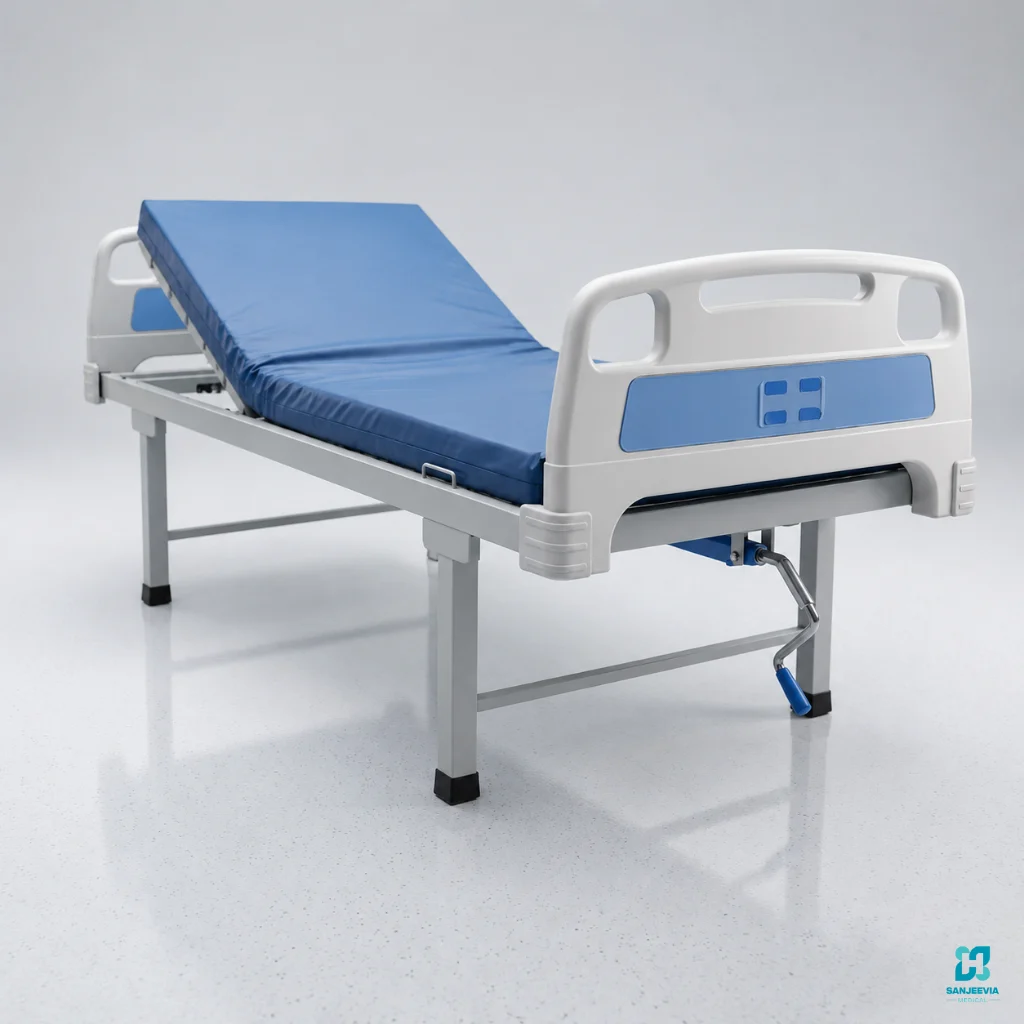
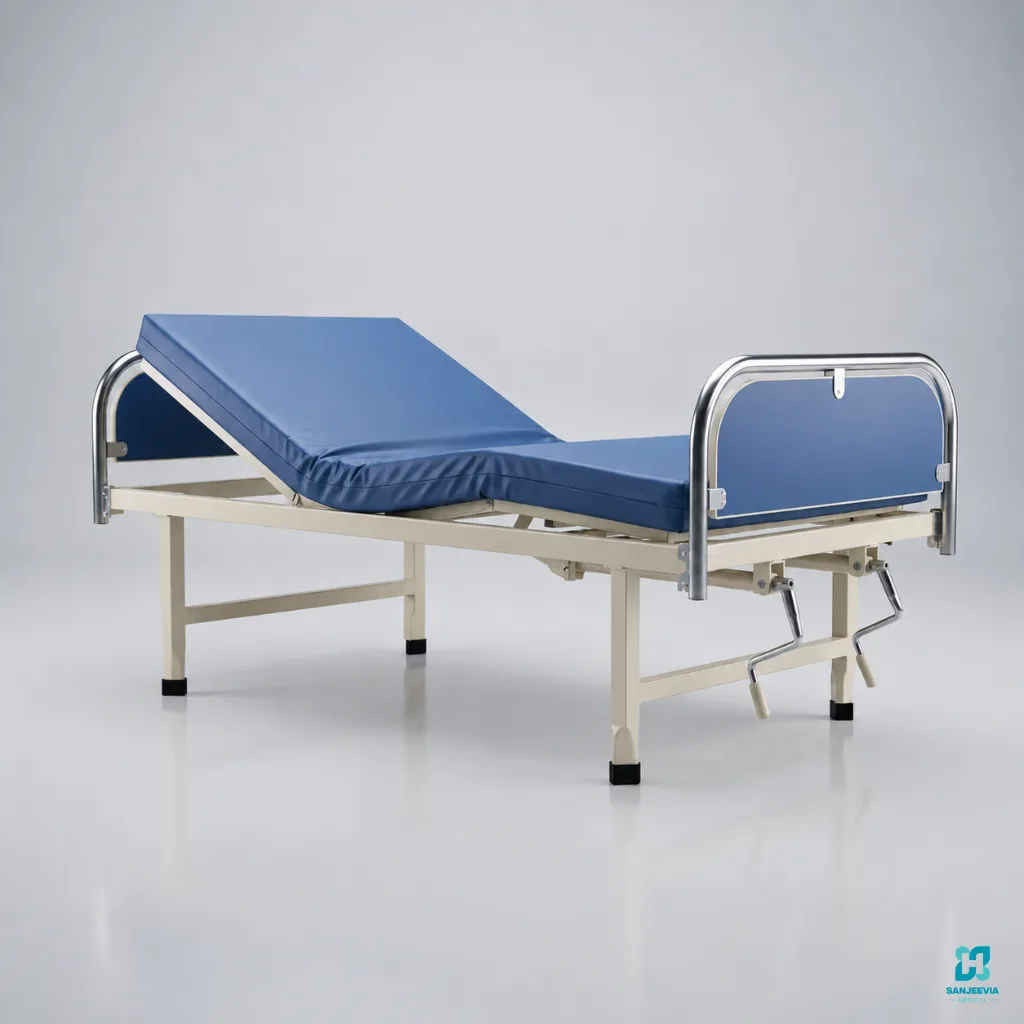
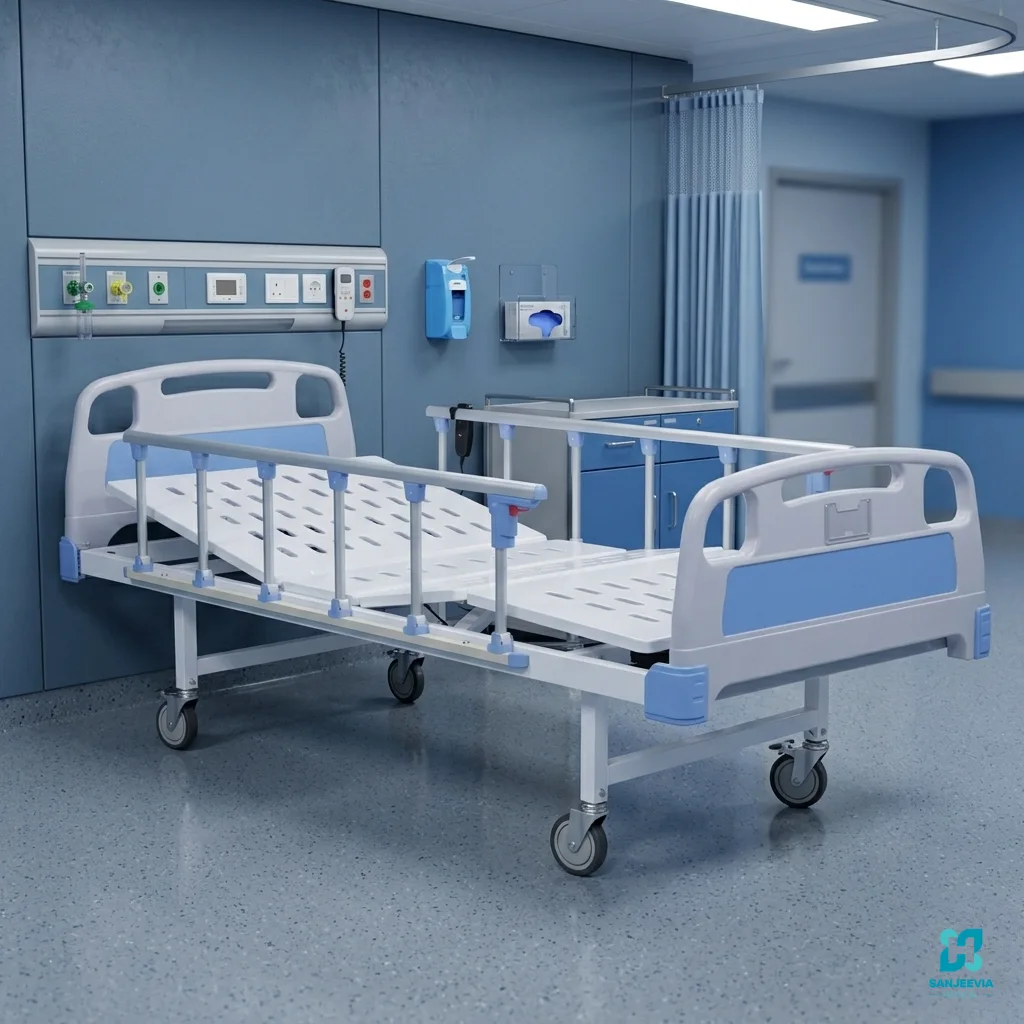
For a patient spending long periods in bed, positioning and caregiver access often have the greatest daily impact. A hospital bed may help the caregiver adjust the backrest, knee position or height, depending on the prescribed need and selected model. The room must still provide safe access to the working side and a clear route to the door.
Review Sanjeevia’s hospital bed guide for cancer and palliative care before choosing bed functions. Families can then explore the hospital-bed category after the care team defines the requirement.
Ask whether pressure-care support is needed
A pressure-relief surface does not replace repositioning, skin assessment or nursing care. Ask the nurse or treating professional which mattress type is appropriate and how the patient’s skin should be checked. The mattress must also fit the bed platform and allow the bed sections to move correctly.
Sanjeevia’s anti-bedsore mattress selection guide explains the questions families should ask before adding a pressure-care surface.
Choose mobility and toileting aids around the patient’s energy
A patient’s strength can vary from one day to the next. Equipment should reduce effort and risk, not push the person into a movement they cannot manage. Ask a physiotherapist, occupational therapist or nurse about transfers, sitting tolerance and the safest route to the bathroom.
- A wheelchair may support short transfers or time outside the bedroom when clinically suitable.
- A commode chair or commode wheelchair may reduce the distance to the toilet.
- A walker may help only when the patient has the required balance, strength and professional guidance.
- A transfer aid should be used only after the caregiver receives appropriate instruction.
Review commode chair versus commode wheelchair and explore wheelchairs and other medical equipment once the mobility plan is clear.
Use respiratory, suction and monitoring equipment only for a defined need
Breathlessness can be distressing, but families should not self-start oxygen or respiratory equipment. The treating team should identify the cause, prescribe the required support and explain what changes need urgent medical attention. If oxygen, BiPAP, a ventilator or another device is prescribed, confirm the exact settings, accessories and backup plan.
You can review Sanjeevia’s oxygen-support equipment and respiratory-care category after receiving that direction. The oxygen safety and room-setup checklist can help the family prepare the space.
Suction equipment
A suction machine may be included when secretion management is part of the clinical plan. Caregivers need specific training on when it should be used, which accessories apply and when to stop and seek help. Read questions before a clinician-led suction setup before arranging the device.
Monitoring equipment
A monitor is useful only when the care team has defined what to observe and what action follows a change. Continuous numbers can increase anxiety if nobody knows the escalation threshold. If monitoring is recommended, write down the parameters, frequency, alarm response and contact pathway. Sanjeevia’s patient-monitor numbers and alarms guide explains the basic questions for caregivers.
Avoid turning the bedroom into an equipment store
Prioritise equipment according to the patient’s current needs:
| Priority | Question to answer | Typical planning focus |
|---|---|---|
| Essential now | What is required for comfort, safety or prescribed treatment today? | Bed, pressure care, prescribed respiratory support, necessary mobility or bedside aid |
| Likely soon | What change does the care team expect, and what should trigger a review? | Alternative transfer aid, added bedside support or revised monitoring |
| Optional | Will this item materially reduce discomfort or caregiver strain? | Equipment that has a clear daily use and available storage space |
| Not currently needed | Is this being added only because another patient used it? | Any device without a defined clinical or practical purpose |
This approach preserves room for family interaction and makes instructions easier to follow. Review the list whenever the patient’s condition, mobility, room or caregiver arrangement changes.
Prepare the caregiver, records and support plan
One family coordinator should maintain the equipment list, instructions and support contacts. At handover, record every unit and accessory separately. Ask the primary caregiver to repeat the basic operating steps and explain the approved response to alarms or faults.
- Keep the discharge summary and current prescription together.
- Record the equipment identifier, accessories and rental review date.
- Keep clinical, equipment-support and emergency contacts clearly separated.
- Follow manufacturer instructions for routine cleaning and storage.
- Do not change prescribed settings or attempt equipment repairs.
- Review the setup when symptoms or caregiving arrangements change.
The home medical equipment rental process explains the journey from requirement and handover through support and collection.
How Sanjeevia can help families plan the equipment
Sanjeevia can help organise relevant rental categories across Delhi NCR after the treating team defines the requirement. Share the equipment list, address, room access and responsible recipient through the contact page. The goal is to support the family’s care plan without adding equipment that has no clear purpose.
Frequently asked questions
Is palliative care only for the last days of life?
No. Palliative care can begin alongside treatment for a serious illness. It focuses on quality of life, symptom relief and support for the patient and family.
Does every palliative-care patient need a hospital bed?
No. The need depends on positioning, mobility, symptoms and caregiver tasks. Ask the care team whether an adjustable medical bed would solve a defined problem for this patient.
Should we rent oxygen because the patient feels breathless?
Do not self-start oxygen. Contact the treating team so the symptom can be assessed and the correct support prescribed. If oxygen is advised, obtain the device type, flow, duration and backup instructions in writing.
How can we reduce the caregiver’s physical workload?
Ask for a transfer and positioning assessment. The right bed height, pressure-care surface, commode placement or mobility aid may help, but the caregiver also needs training in safe techniques.
When should rented equipment be reviewed?
Review it whenever the care plan, symptoms, mobility, caregiver or room changes. Keep a regular rental review date as well, so unused or unsuitable items do not remain by default.
This article provides general equipment-planning information. Palliative and cancer care decisions must be directed by the patient’s qualified healthcare team.
Next Read
If the patient will spend long periods in bed, continue with: Hospital Bed for Cancer and Palliative Care at Home: What to Prioritise.
Searches This Guide Answers
- medical equipment for palliative care at home
- cancer patient medical equipment rental
- palliative care equipment on rent near me
- home care equipment for a cancer patient
- hospital bed and air mattress for palliative care
- medical equipment for end-of-life care at home
Related keywords: palliative-care equipment rental, cancer-care equipment at home, comfort-focused medical equipment, hospital bed for cancer patient, pressure-care mattress rental, home-care mobility aids, Delhi NCR medical equipment rental.
Intent-based key phrases: set up a comfortable room for a cancer patient, rent medical equipment for palliative care, reduce caregiver effort at home, choose only the equipment the patient needs, arrange a hospital bed and pressure-care mattress.