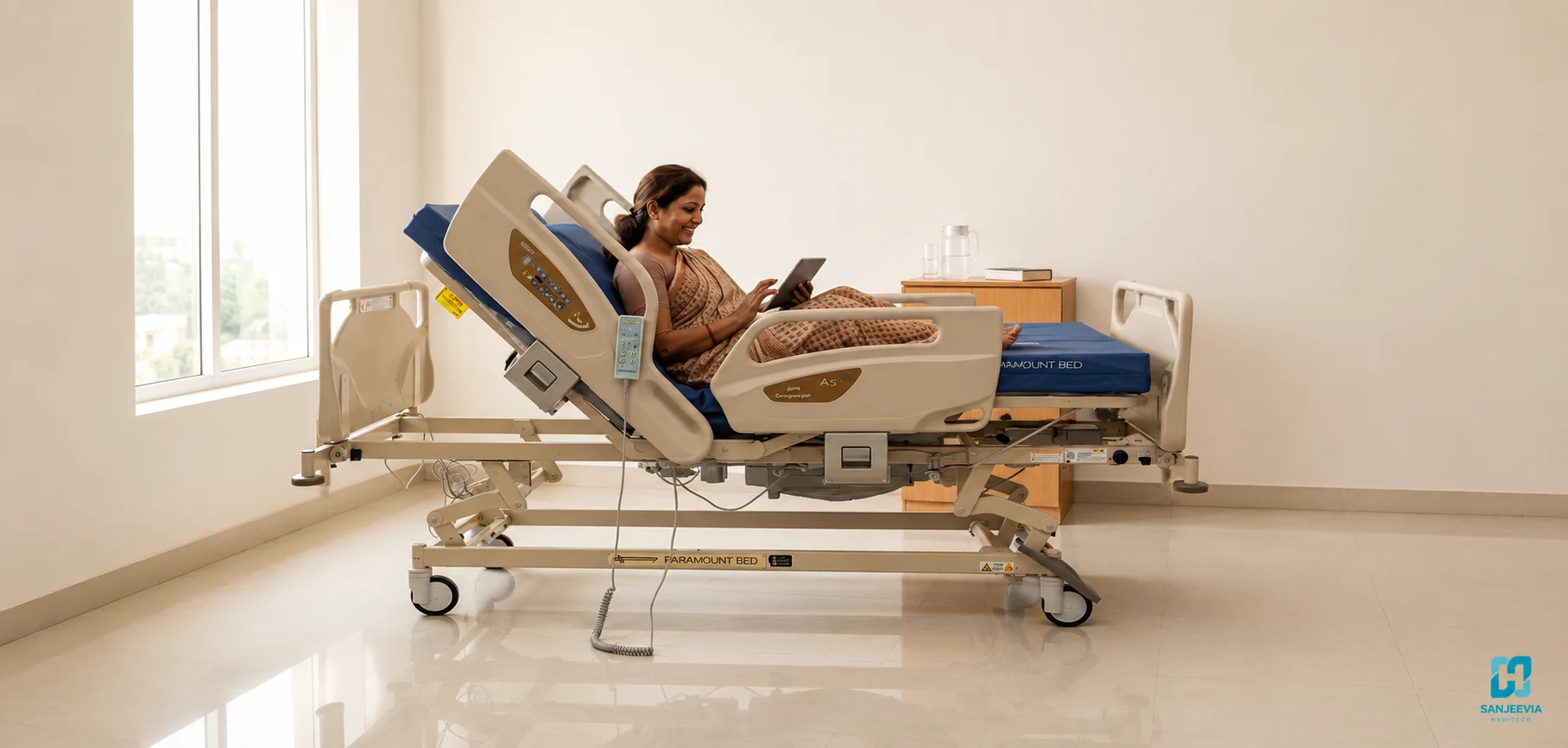
| Quick Answer For cancer and palliative care at home, bed selection should be led by the patient’s comfort, clinical plan, mobility, transfer needs, pressure-injury risk and caregiver capacity. An adjustable bed or pressure-redistributing mattress may be appropriate, but neither is automatically required based only on diagnosis or hours in bed. The palliative-care clinician or nurse should guide positioning, repositioning and equipment selection. |
Your father has been told that curative treatment is no longer being offered. He is coming home. The focus now is comfort, dignity, and the best possible quality of the time that remains. The family is arranging care at home, and someone has asked about a hospital bed.
This guide is written specifically for this situation. The criteria for choosing a hospital bed change when recovery is no longer the goal. Comfort, access for personal care, and pain during movement become the primary considerations.
How Palliative Care Changes the Bed Decision
In recovery-focused care, the bed is a tool that supports rehabilitation: getting the patient upright, facilitating transfers, enabling physiotherapy. In palliative care, the bed is where the patient will spend most of their time. The decision criteria shift significantly:
| Criteria | Recovery-Focused Care | Palliative / Cancer Care |
| Primary goal | Mobility and rehabilitation support | Comfort and dignity; pain minimisation |
| Repositioning | Guided by rehabilitation goals | Follow an individualised repositioning and comfort plan set by the treating team |
| Backrest use | For sitting upright, eating, therapy | For breathing comfort, rest, and patient preference |
| Bed height | Varies with transfer requirements | Caregiver working height is the priority; patient rarely transfers independently |
| Mattress type | Selected for the individual care plan | Consider pressure-injury risk, comfort, skin condition and bed compatibility; seek clinical advice |
| Side rails | Requires individual assessment | Requires individual assessment; sedation or confusion can increase climbing and entrapment risk as well as fall risk |
| Duration of rental | Defined recovery timeline | Open-ended; comfort of not being pressed on timeline matters |

Which Bed Configuration Works Best for Palliative Care
The Right Bed Type
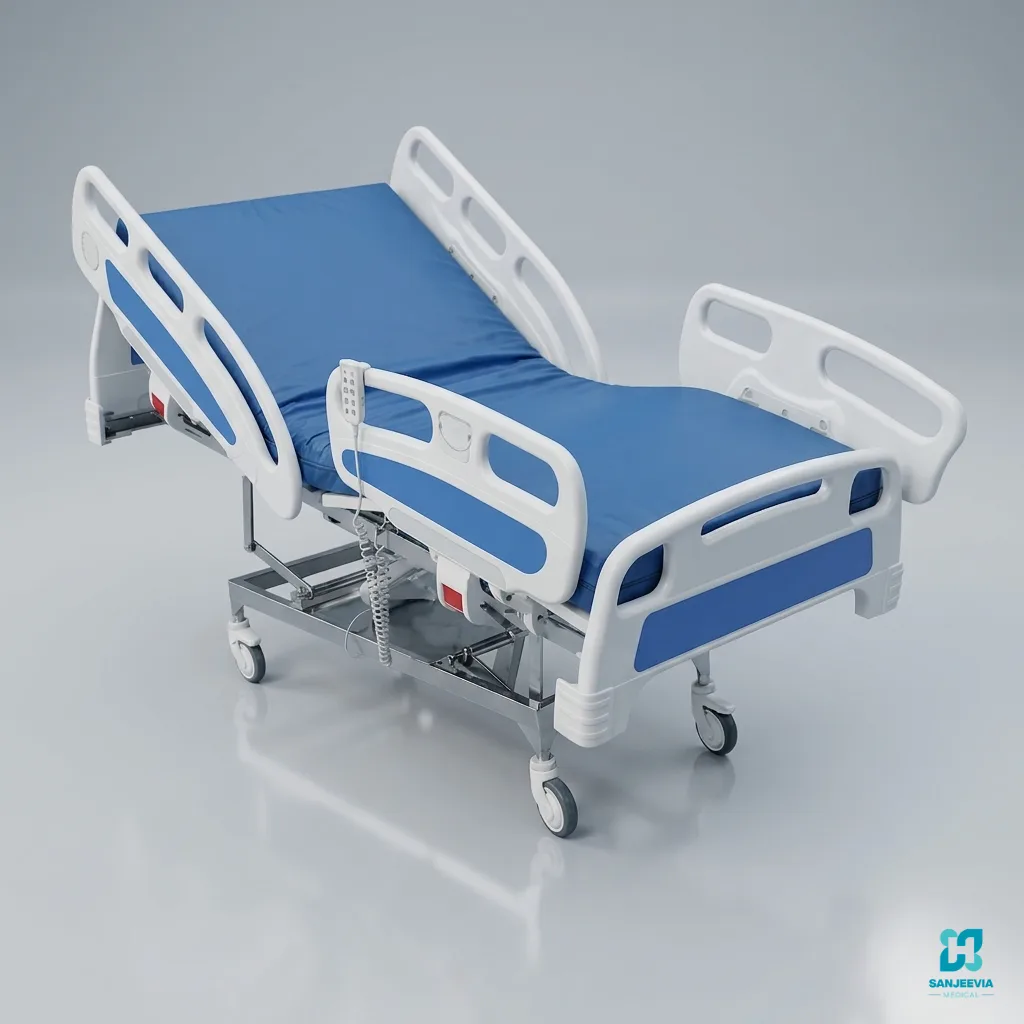
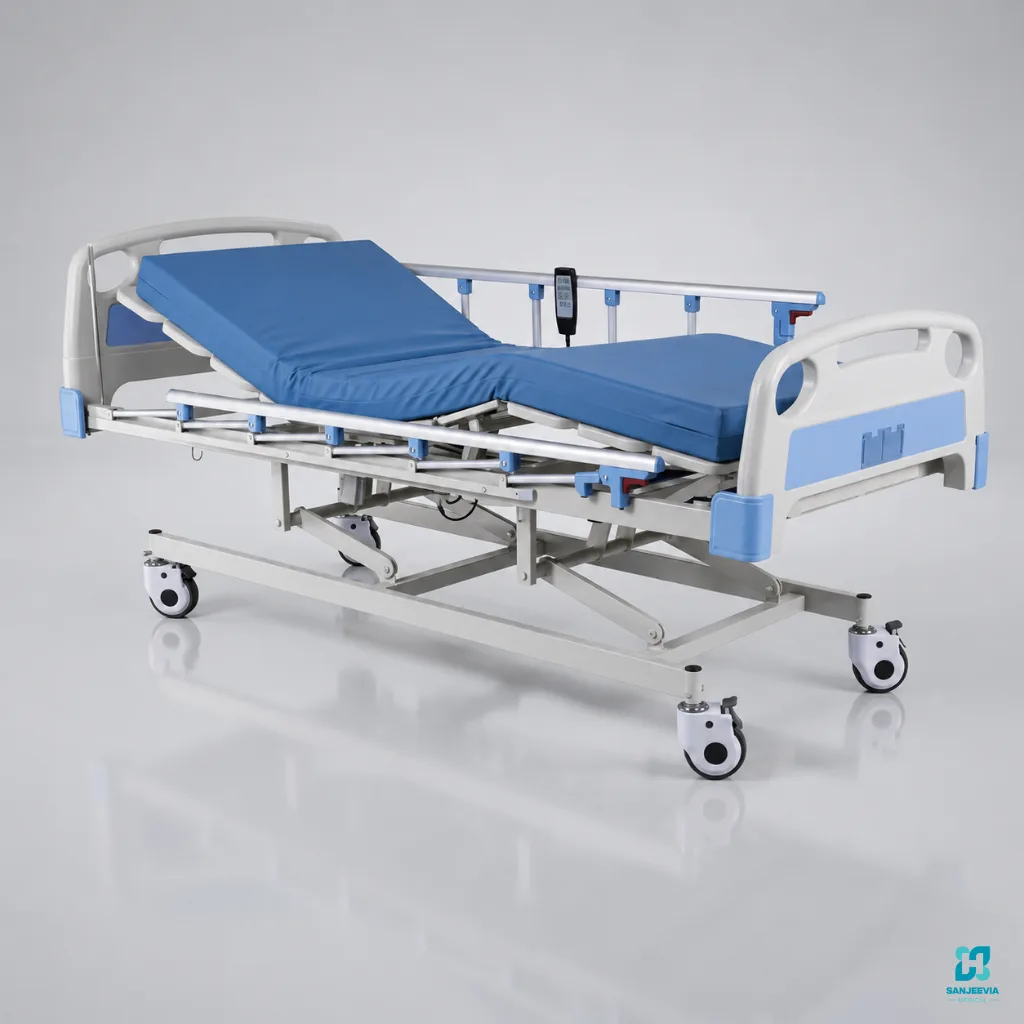
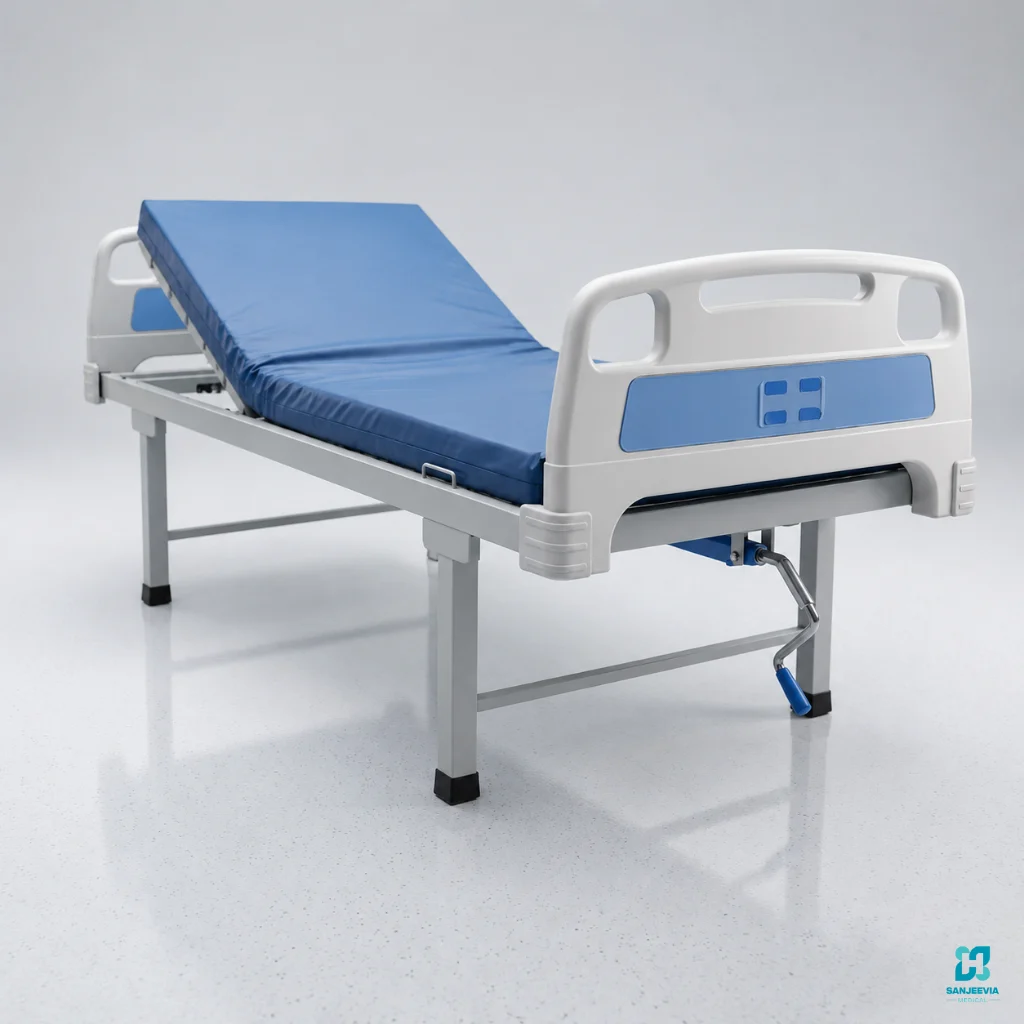
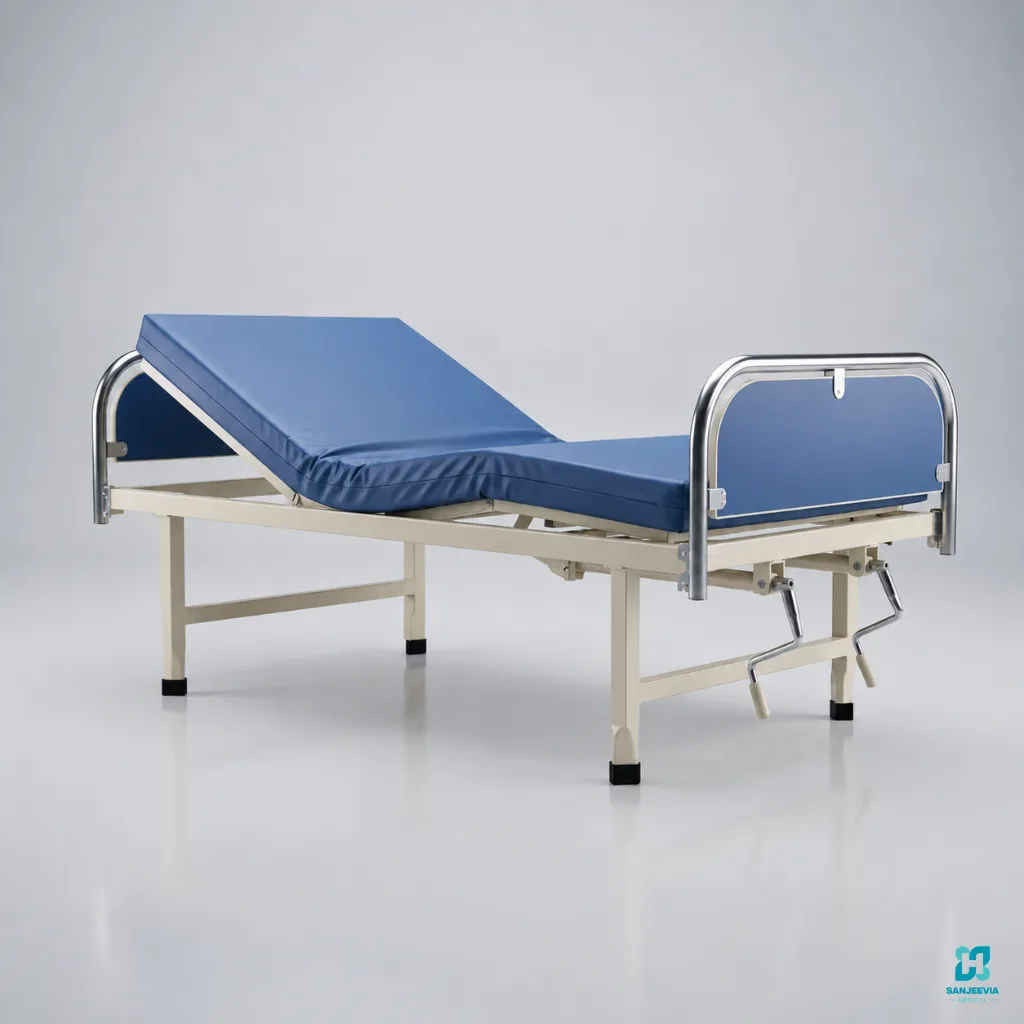
A 2-function or 3-function electric bed may be considered when the care plan calls for adjustable backrest, knee-rest or height positioning. Selection should reflect the patient’s comfort, mobility, transfer plan, room setup and caregiver capacity. Height adjustment can support caregiver ergonomics, but safe handling techniques and any required assistance remain essential.
Browse all hospital beds on Sanjeevia with current pricing. The semi fowler bed is the most commonly rented option for palliative patients who do not require full-seat upright positioning.
Choosing a Pressure-Redistributing Mattress
Palliative care patients are at very high risk of pressure sores for several reasons that compound each other: reduced mobility, opioid-related sedation reducing unconscious repositioning, nutritional decline affecting skin integrity, and prolonged time in bed. A pressure sore in palliative care is not just a wound management problem. It is a source of significant pain on top of already difficult pain management, and it reduces quality of life during the time remaining.
A pressure-redistributing mattress or overlay may be considered after an individual pressure-injury risk assessment. It does not replace regular skin checks, repositioning, moisture management, nutrition support or the patient’s clinical care plan.
Browse anti-bedsore mattress options at sanjeevia.com/product-category/other-medical-equipment/.
Pain on Movement: What It Means for Bed Setup and Care Technique
Many cancer patients experience significant pain during movement, particularly those with bone metastases, post-surgical pain, or neuropathic pain. The bed setup and care technique can meaningfully reduce pain during repositioning and personal care.
- Move slowly: all repositioning should be done smoothly and slowly, with verbal warning before each movement. Sudden movement causes pain spikes even when the patient is on adequate analgesia.
- Use a draw sheet: a folded sheet or draw sheet placed under the patient allows 2 caregivers to slide the patient across the bed surface rather than lifting, significantly reducing the movement stress on painful areas.
- Time care around medication peaks: personal care, repositioning, and physiotherapy exercises (if prescribed) should be scheduled 30 to 45 minutes after oral analgesia doses when blood levels are at their highest and pain control is best.
- Raise the bed to working height: the 3-function electric bed’s height adjustment means the caregiver does not need to reach across and pull the patient. This reduces both caregiver strain and the jerky movements that cause pain.
Dignity and Comfort Considerations That Are Often Overlooked
- Bed position in the room: the palliative patient should be able to see the door, a window, and ideally a familiar view. Being positioned facing a wall reduces quality of life. This is a positioning decision, not a medical one.
- Natural lighting and day-night cycle: maintaining natural light exposure during the day and darkness at night supports sleep quality and reduces confusion, which is common in advanced illness.
- The patient’s preferred height: some patients find lying very flat more comfortable; others prefer slight head elevation at all times. The electric backrest allows the patient or family to maintain their preferred position without caregiver intervention for each adjustment.
- Access for visitors: leave space on both sides of the bed for family members to sit close and hold the patient’s hand. Medical equipment should not make the space feel clinical or inaccessible.
Frequently Asked Questions
Q: How do we handle the bed if the patient passes away at home?
Contact Sanjeevia as soon as is practical. There is no time pressure from our side. We will arrange pickup at a time that is appropriate for the family. The deposit is refunded within 48 hours of pickup. There are no additional charges and no documentation requirements beyond what was already provided at the start of the rental.
Q: The patient has bone metastases and pain is very difficult to manage. Does the mattress type matter?
Mattress choice can affect comfort and pressure redistribution, and tolerance varies between patients. Discuss the options with the palliative-care physician or nurse, particularly where pain, fragile skin or a current pressure injury is present. Sanjeevia can provide product information and compatibility details; clinical selection should remain clinician-led.
Q: Can we keep the bed after the patient has passed, for a family member who may need it later?
Yes. The rental continues as long as you wish to keep it. Contact Sanjeevia when you are ready to return it, with 24 hours notice, and we will arrange pickup and refund the deposit.
Q: Is there a palliative-specific bed or mattress Sanjeevia recommends?
There is no one palliative-specific bed or mattress configuration. The appropriate combination depends on the patient’s comfort, pressure-injury risk, mobility, symptoms and clinical plan. For complex pain, fragile skin or bone involvement, obtain guidance from the palliative-care clinician before selecting equipment.
| Arrange home palliative care equipment in Delhi NCR: Browse all hospital beds Browse anti-bedsore mattresses Same-day delivery across Delhi NCR. No time pressure on returns. Speak to our team: WhatsApp us: +91 92179 10612 |
Related Guidance and Equipment
These links connect the patient’s positioning and transfer needs with the most relevant bed guidance and exact product specifications.
Continue Reading
- Do You Need an Anti-Bedsore Mattress? — review pressure-care questions for a patient spending long hours in bed.
- 3-Function Electric Bed for Elderly Care — assess frequent positioning and assisted-transfer needs.
Relevant Product Pages
- 5-Function Electric Hospital Bed — review advanced positioning for clinician-led care.
- 3-Function ICU Bed — check ICU-style bed functions and included equipment.
Medical Disclaimer: This article is for general informational purposes only and does not constitute medical advice. All clinical and equipment decisions should be guided by your treating physician.