
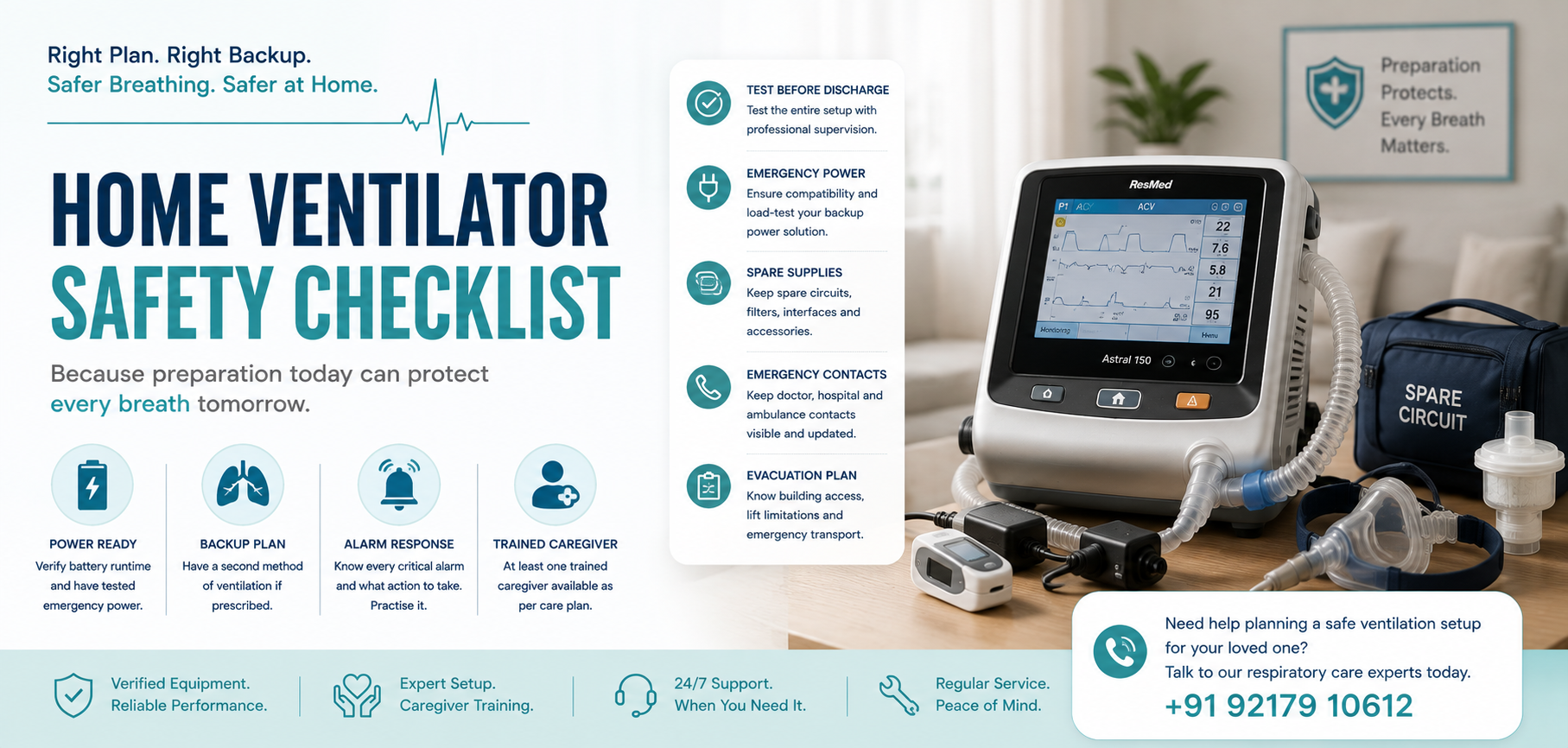
A home ventilator should not arrive without a clinician-approved backup plan. Families need verified battery runtime, emergency power, a second method of ventilation if prescribed, spare circuit and interface supplies, alarm-response training, emergency contacts and at least one trained caregiver available according to the care plan.
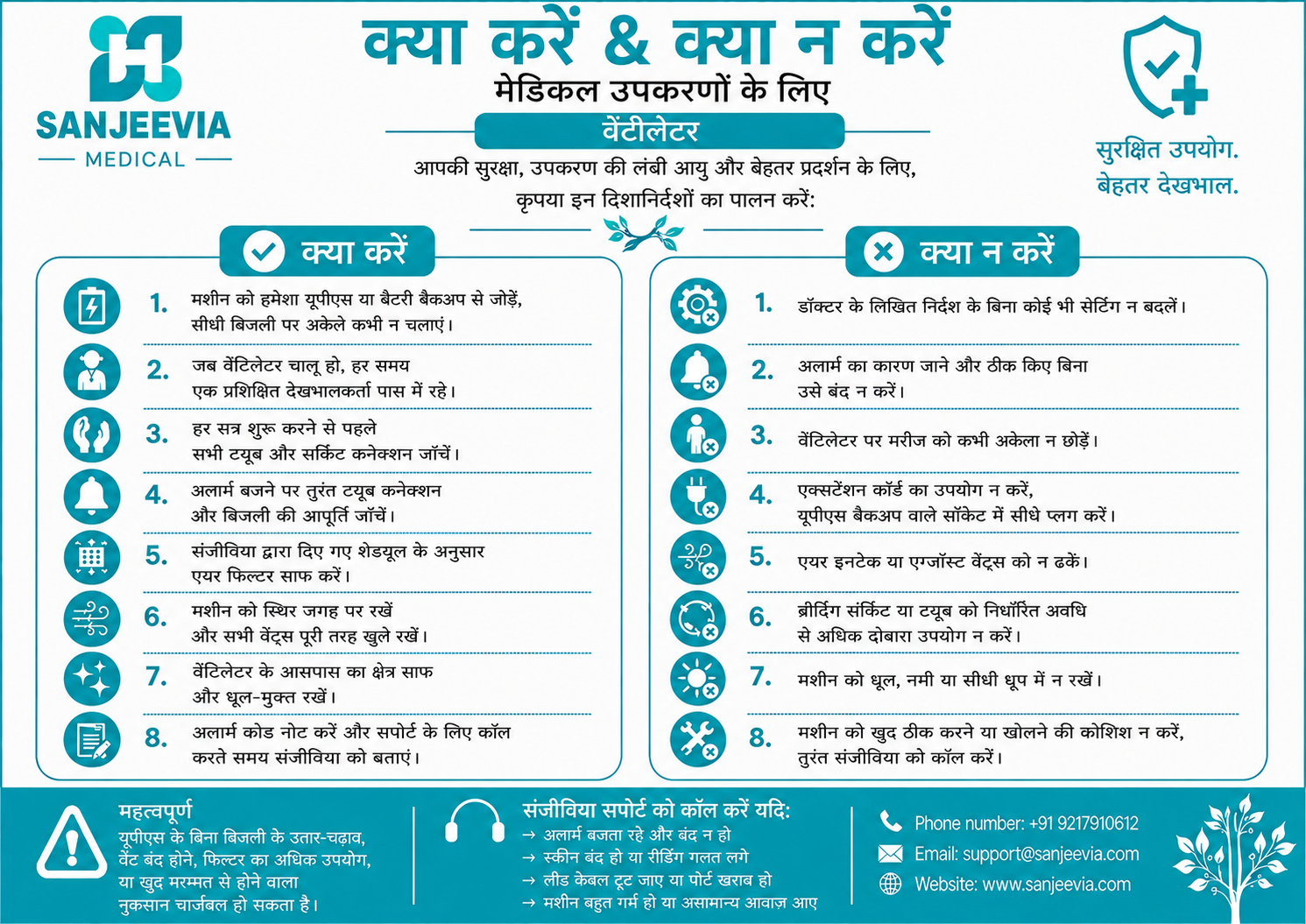
“The ventilator has a battery, so are we safe during a power cut?” Battery time varies with device, condition, settings and accessories. A displayed percentage is not a complete emergency plan, especially for a patient who cannot breathe adequately without support.
At a Glance
- Test the entire discharge setup before the patient reaches home.
- Know every critical alarm and practise the response under professional supervision.
- Plan simultaneous failures: power, circuit, secretion blockage or caregiver absence.
Power Planning Must Use Verified Numbers
Record expected internal and external battery runtime under the patient’s actual setup, charging time and low-battery alarms. Confirm whether oxygen, humidification or other connected devices have separate power needs.
Emergency power must be compatible and tested by qualified people. Do not rely on an untested inverter or a battery that has never been load-checked.
Prepare for Circuit or Device Failure
Keep prescribed spare circuits, filters, interfaces and accessories available and within expiry. A second ventilator or manual resuscitation method may be required depending on the patient’s dependence and clinical plan.
Only trained caregivers should change circuits or use emergency ventilation. Skills must be demonstrated and reassessed, not learned from a blog during an alarm.
Create an Alarm and Escalation Sheet
List each critical alarm in plain language: what the caregiver observes, immediate patient action, equipment check and whom to call. Keep it visible beside the ventilator.
Include ambulance access, building lift limitations and an evacuation plan. If the patient deteriorates, emergency care takes priority over prolonged equipment troubleshooting.
What to Keep Ready
- Prescribed ventilator mode and settings locked or controlled
- Verified battery and emergency-power runtime
- Backup ventilation method and trained users
- Spare circuit, interface, filters and suction supplies
- Alarm-response sheet and clinical contacts
- Transport and evacuation plan
Clinical Safety Comes First
Do not copy pressure settings, oxygen connections, modes or alarm limits from another patient or an online video. If breathing worsens, the patient becomes confused or unusually drowsy, lips appear blue or grey, or the prescribed support cannot be delivered, follow the clinician’s escalation plan and seek urgent medical help.
Frequently Asked Questions
Is the internal battery enough?
Not necessarily. Confirm runtime under the actual setup and the clinical requirement for redundancy.
Can one family member manage alone?
Caregiver staffing is a clinical discharge decision. Ventilator-dependent patients may require continuous trained coverage.
Should alarm limits be changed if they sound often?
No. Frequent alarms need clinical and technical review; never widen limits simply to reduce noise.
Can a home ventilator be selected by rental price?
No. It must match the prescription, circuit, invasiveness, alarms, backup needs and caregiver capability.
Trusted Patient References
Compare Respiratory-Care Equipment
Keep the prescription and current interface details ready, then browse Sanjeevia’s BiPAP, CPAP and ventilator options. Confirm the exact mode capability, accessories, setup, training, service and current availability before booking.
Related Guidance and Equipment
Respiratory equipment must match the written prescription; these links provide the relevant comparison and exact product specifications.
Continue Reading
- BiPAP vs CPAP vs Ventilator — understand the different types of respiratory support.
- Bringing an Elderly Parent Home from ICU — plan equipment and caregiving before discharge.
Relevant Product Pages
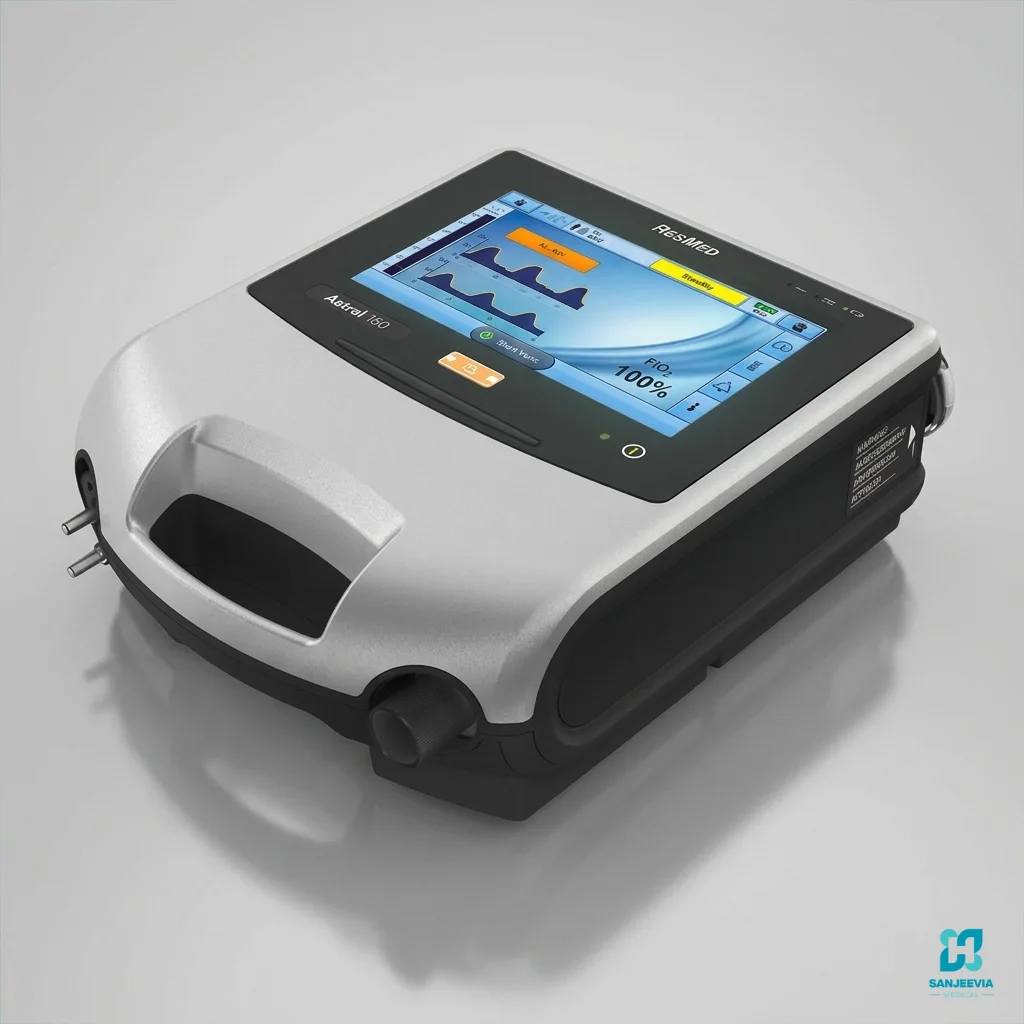
- ResMed Astral 150 Home Ventilator — review a portable home-ventilator option against the discharge plan.
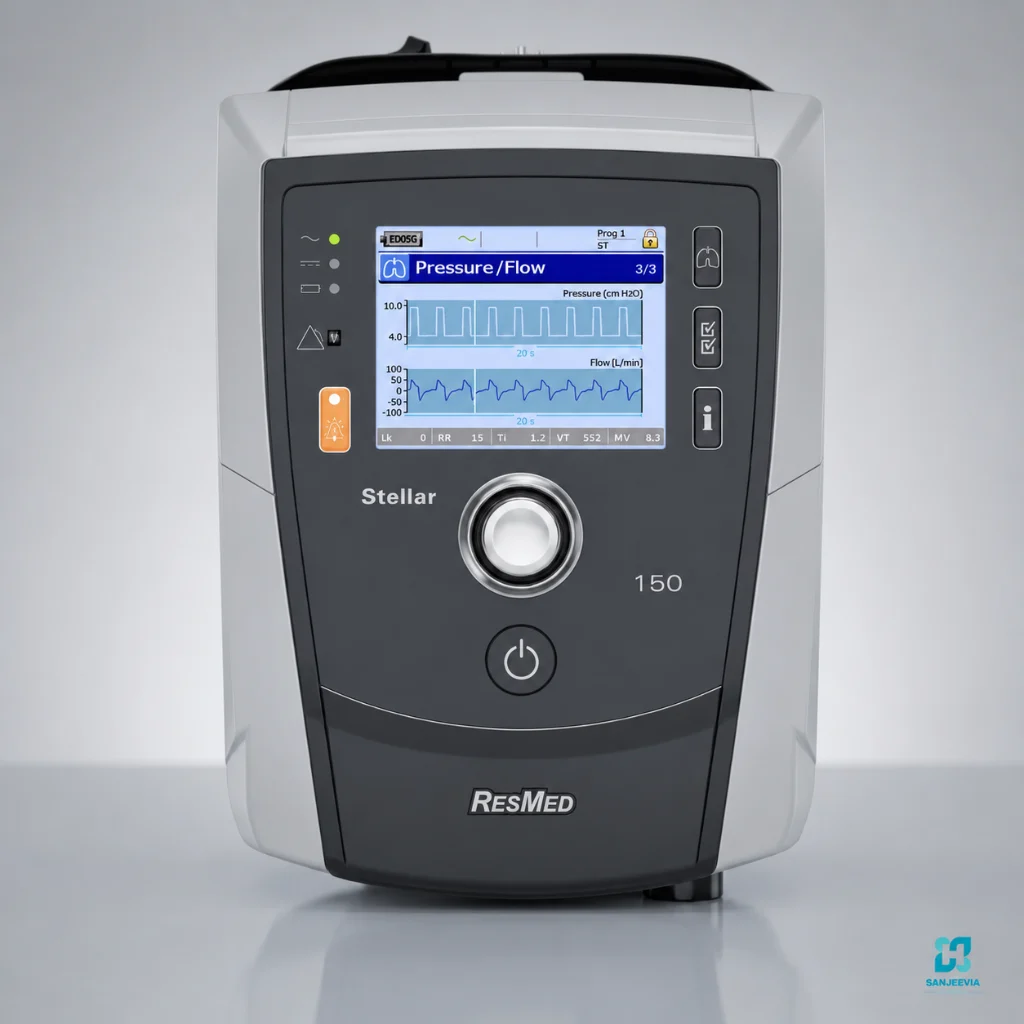
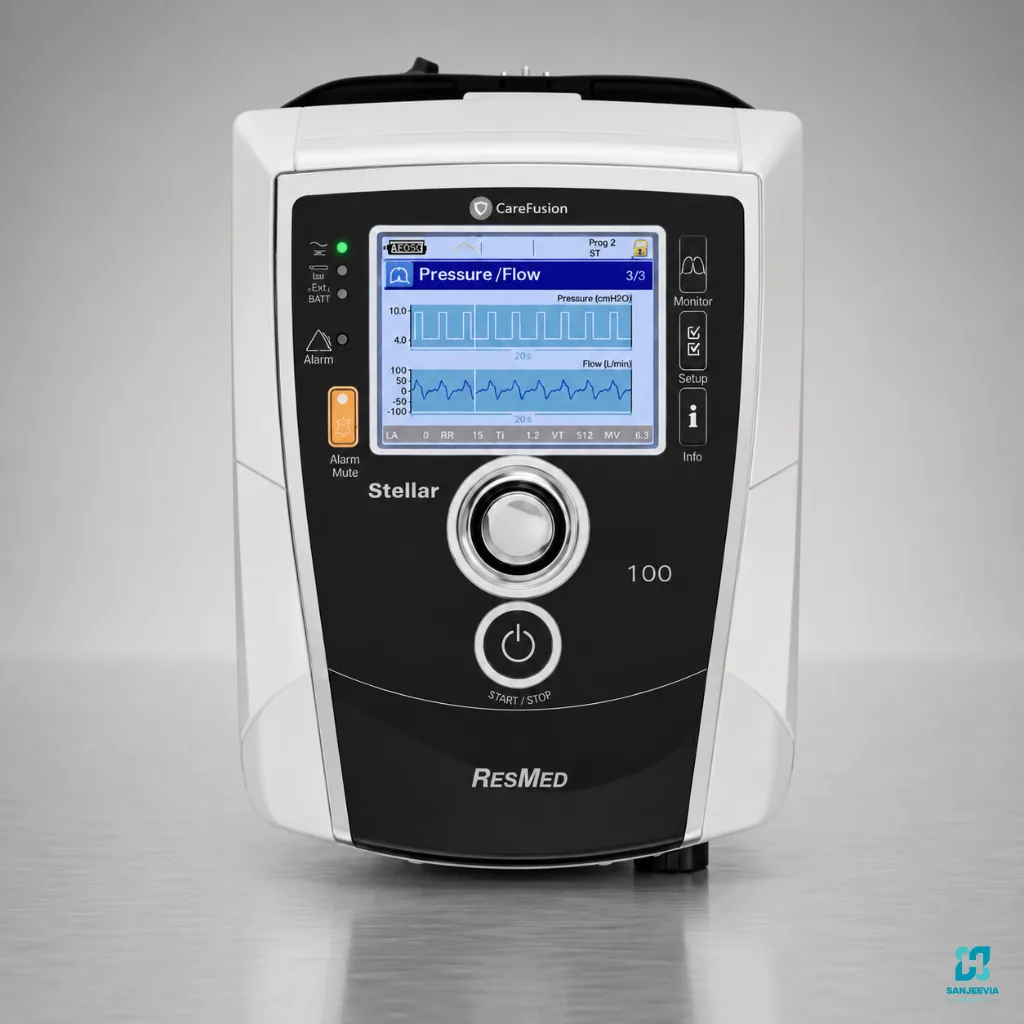
- ResMed Stellar 150 Ventilator — compare a prescribed non-invasive ventilation option.
Medical disclaimer: General information only. The treating clinician must prescribe the device, mode, pressures, oxygen plan and monitoring.
Published by Sanjeevia Medical | Delhi NCR