

When an everyday task becomes uncomfortable or difficult, it can be tempting to buy the first aid that promises an easier day. Choosing home equipment for arthritis works better when you start with the task: holding an object, reaching a surface, using the toilet or moving between rooms. Different joints, different homes and different routines can lead to different choices.
These eight options are conversation starters for your care team, not a shopping list everyone with arthritis needs. Some are ordinary living aids or home adaptations; others are medical-equipment options. The aim is to match an assessed need, without claiming that a product cures arthritis or replaces treatment.
Quick answer: what home equipment can someone with arthritis consider?
Discuss the tasks that are difficult with a clinician, physiotherapist or occupational therapist. Possible options include grip aids, reachers, appropriate seating, toileting adaptations, mobility aids, a wheelchair for an assessed need, a suitable task surface and bed adjustments where indicated. Selection depends on the affected tasks, fit, controls, home space and assistance available.
These are examples from Sanjeevia’s range, not arthritis treatments or a required package. Confirm the task, suitability and supplied configuration before arranging equipment.

Start with the activity, not the diagnosis
Arthritis is not one identical experience for every person. A difficulty turning a tap is different from a difficulty walking through a corridor. Tell the assessing professional which activity has changed and what you would like to continue doing. Include what is already helpful, any assistance needed and whether the difficulty is new.
The NHS osteoarthritis guidance discusses assistive devices alongside other care, while its rheumatoid arthritis guidance describes occupational therapy for everyday tasks. Neither supports replacing a treatment plan with equipment. Use the information to prepare a local assessment discussion in India.
Home equipment for arthritis: 8 options to review
1. Grip aids for small household tasks
Jar-opening aids, suitable handles or tap-turning devices may be worth discussing when hand-operated tasks are difficult. Bring examples of the actual items: the tap, bottle, door handle or utensil involved. Ask which design works with the person’s grip and the object, and whether a trial is possible.
Check how the aid is attached, cleaned and stored. A larger handle is not automatically comfortable for every hand. Do not force a painful movement to make a gadget work. These living aids are included as educational examples; their mention here does not mean Sanjeevia supplies every device described.
2. Reachers and a more accessible storage layout
A reacher may be considered for selected light objects, but first review whether commonly used things can be kept within comfortable reach. Ask what object weight, grip and movement the person can manage. The task might be solved by changing a shelf position rather than adding another tool.
Confirm the reacher’s instructions and intended uses. Do not treat it as a support for standing or use it for hot, heavy or fragile objects without confirming suitability. Make a short list of the daily items that cause difficulty so the occupational therapist can review the whole activity, not just a product.
3. Seating that matches the sitting and standing task
Discuss the chair’s height, depth, stability and arm supports, together with the person’s movement and assistance needs. An existing low or soft chair may be part of the difficulty, but there is no single seat height appropriate for everyone. Ask for guidance using the actual chair and room.
Do not add loose layers of cushions or improvised blocks to create a new height. If a seating change is recommended, confirm the configuration and load rating. A wheelchair should not be chosen as a replacement living-room chair simply because it has wheels; mobility seating needs its own assessment.
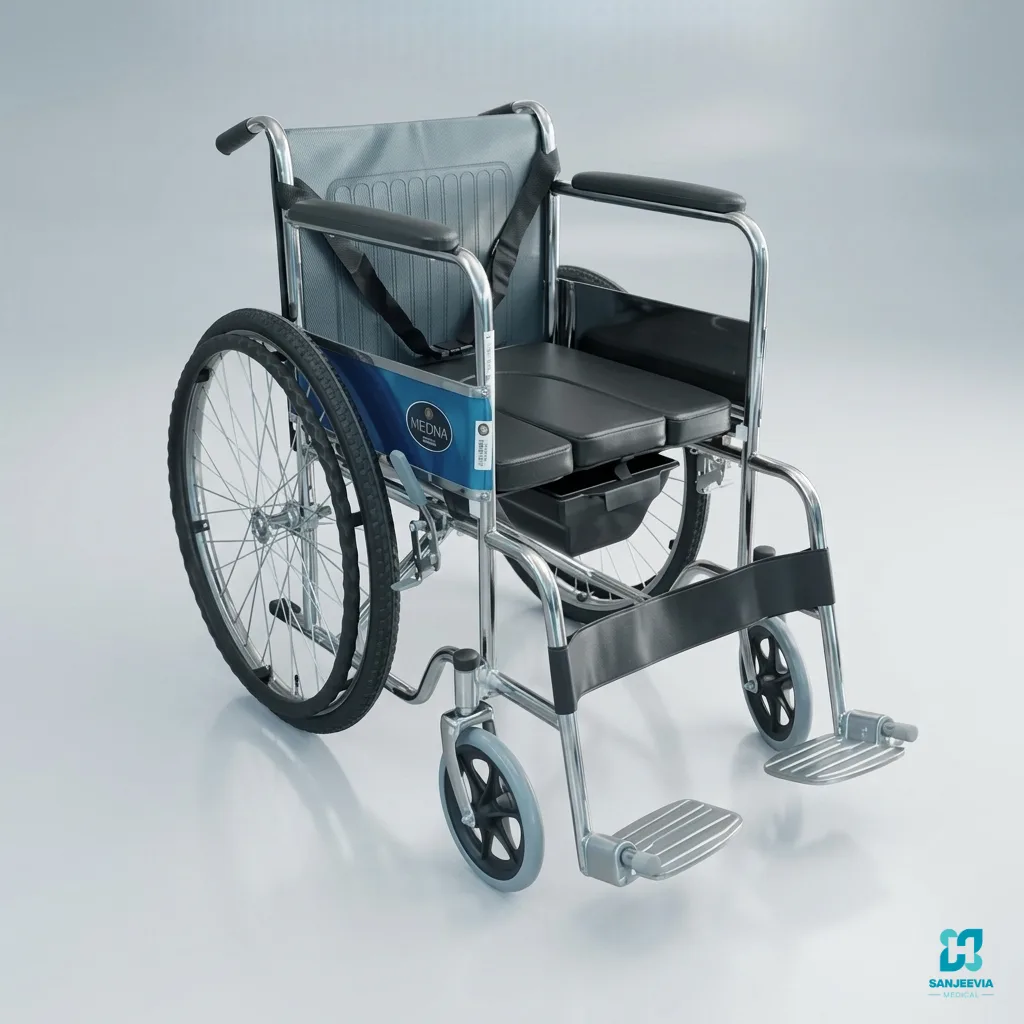
4. Toileting adaptations or an assessed commode arrangement
Explain the route to the toilet, the toilet height, surrounding space and the help needed. The assessor may discuss a toilet adaptation, appropriate support or another toileting arrangement. A raised seat and a commode are different solutions, and neither should be selected solely from the arthritis diagnosis.
If a Manual Commode Wheelchair is recommended, check its fit, transfer arrangement, accessories and instructions for cleaning. Confirm whether the model suits the intended bathroom or bedside location. Wet-area suitability must be verified separately; a commode product is not automatically a shower chair.
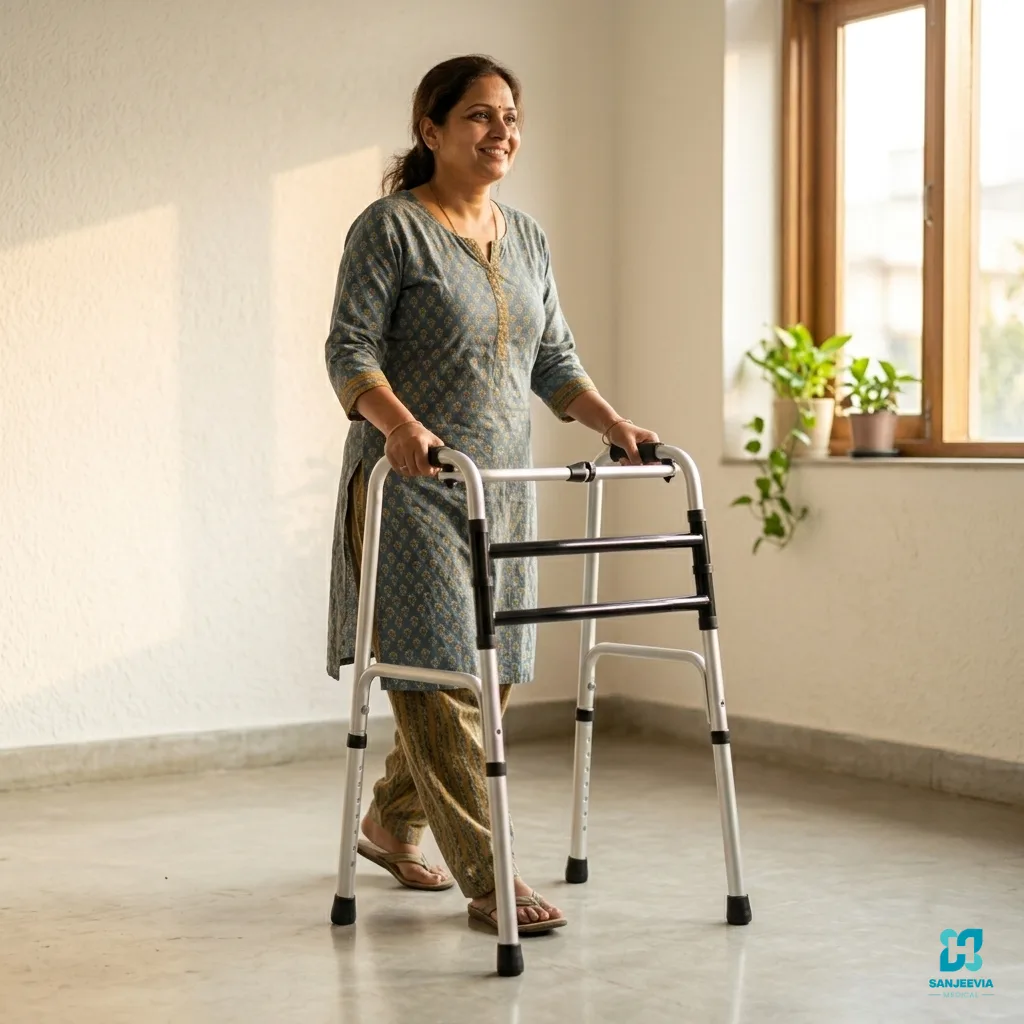
5. A walking aid matched to the person’s mobility and hands
A stick, frame and wheeled aid have different handling demands. Ask the physiotherapist to assess the proposed device with the person’s walking, grip and ability to manage it. A frame that requires lifting may present a different task from one that requires braking. This article does not prescribe either design.
Where a Walker / Zimmer Frame has been recommended, confirm the exact type, height adjustment, handle design and home-route clearance. If the person finds it difficult to grip or move, request reassessment rather than changing the frame or adding unrelated parts. Follow the individual instructions for use.
6. A wheelchair for an assessed mobility requirement
Some enquiries concern longer outings or a particular period when walking is difficult. Explain the intended use rather than assuming a wheelchair should replace all walking. Ask about seat fit, foot support, sitting needs and who will propel or push it. The care team should advise how the equipment fits the person’s activity plan.
Compare the Standard Manual Wheelchair with any required alternative using the confirmed dimensions and user-weight limit. If hand or upper-limb function makes self-propulsion difficult, include that in the assessment. The WHO wheelchair provision guidelines emphasise individual assessment, fitting, training and follow-up. Our wheelchair fitting questions help prepare an enquiry.
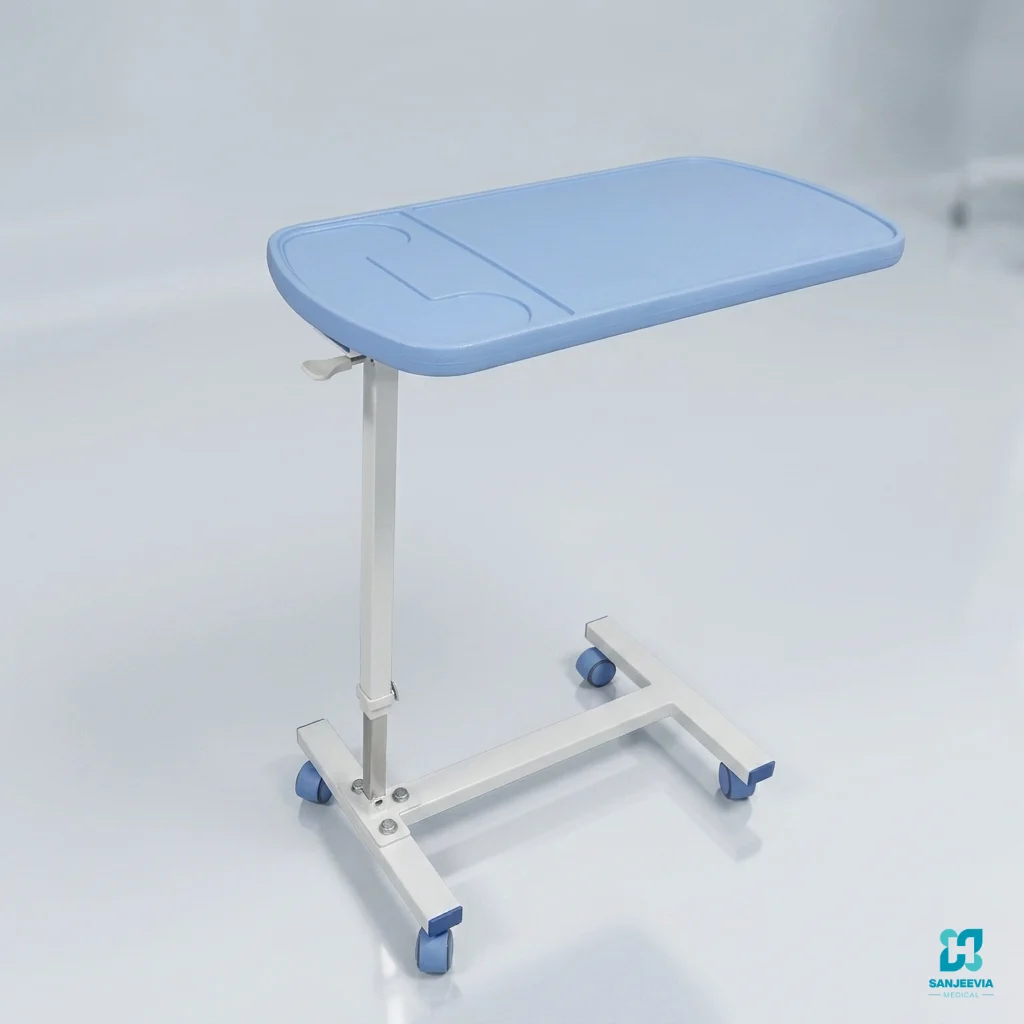
7. A suitable surface for light daily activities
A reachable surface can be useful for books or everyday items, provided it matches the seating or bed arrangement. Check the surface height, clearance for legs, base footprint and how it can be moved out of the way. Ask the person which task the table should support instead of placing it simply because space is available.
The Height-Adjustable Over-Bed Table is one option to compare for an appropriate setup. Confirm the supplied model’s dimensions, adjustment and permitted load. It is not a standing support, walking aid or restraint. Keep access clear and follow the manufacturer’s instructions, especially around moving parts and castors.
8. Bed adjustments where positioning or care requires them
Describe the difficulty with getting into, out of or comfortable in the existing bed. Ask whether the task calls for a change of bed, a specific function or a different approach. Arthritis alone is not a reason to rent a hospital bed, and an adjustable bed does not treat the underlying condition.
If an adjustable bed is recommended, compare the hospital-bed range with the required functions. With a Manual Full Fowler Bed, confirm who can operate the controls. Any rail or bed accessory needs an appropriate risk review. The MHRA bed-rail guidance is a useful safety reference, not a reason to add rails automatically.
Which option belongs in your enquiry?
| The difficult task | Discussion to prepare | Detail to confirm |
|---|---|---|
| Handling everyday objects | Grip aid or a different arrangement | Actual object, control and cleaning |
| Reaching items | Storage change or suitable reacher | Object weight and grip |
| Sitting, standing or toileting | Seating or toileting assessment | Height, supports, transfer and assistance |
| Moving around or attending appointments | Appropriate walking aid or wheelchair | Fit, controls, route and helper |
| Bedside tasks | Task surface or assessed bed function | Clearance, access and operation |
Keep the existing treatment and activity plan separate from the equipment order. If pain, swelling or function changes, contact the treating team rather than simply buying a more elaborate item. Do not start prolonged bed rest because a hospital bed is available.
Prepare your home and confirm the equipment
Use the home room-preparation guide to collect access and room measurements. Record who will receive the equipment and learn the controls. Clarify the accessories, cleaning instructions and fault-reporting contact through the rental agreement checklist.
For items in Sanjeevia’s range, share the assessed requirement and location through our equipment enquiry page. The team can confirm available rental or purchase options and the supplied configuration in Delhi NCR. Clinical assessment, arthritis treatment and advice on activity remain with the appropriate healthcare professional.
Frequently asked questions
Can home equipment cure arthritis?
No. Equipment may support particular daily tasks when appropriately selected. It does not replace diagnosis, medicines or the treatment and activity plan agreed with your care team.
Should someone with arthritis use a walker or wheelchair?
The answer depends on the assessed task, mobility, hand function and assistance available. They serve different purposes, and neither is automatically required.
Do all eight options need to be rented?
No. Some are ordinary living aids or adaptations, and some may not be needed at all. This guide does not represent a Sanjeevia package or a claim that all eight are offered for rental.
What if the equipment is difficult to grip or operate?
Discuss the problem with the assessing professional and provider. Confirm a suitable alternative or adjustment through the appropriate instructions; avoid improvised changes.
Source links checked on 6 October 2026. This is a daily-living equipment guide, not an arthritis treatment prescription.
Next Read
If an assessed wheelchair need includes clinic appointments, read Wheelchair Rental for Hospital Visits: 7 Checks Before Booking in Delhi NCR for appointment-day planning.