
Quick Answer
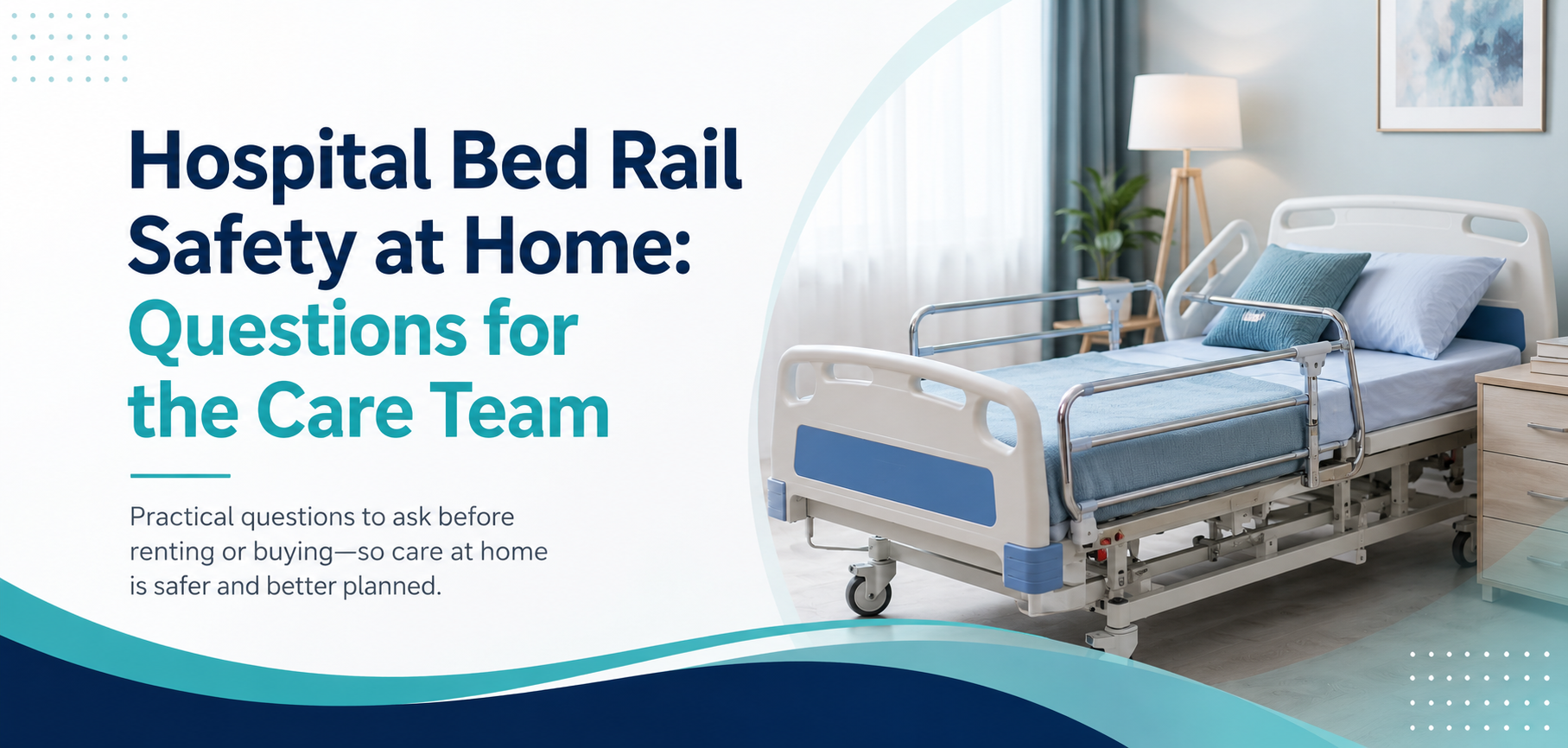
Hospital Bed Rail Safety at Home: Questions for the Care Team is best approached as a practical home-care decision, not as a generic product purchase. The right choice depends on the patient’s written clinical plan, mobility, care routine, home layout and the exact equipment available. This guide explains the questions families can prepare before renting or buying; it does not replace medical advice.
For any patient-specific concern—including symptoms, prescribed settings, positioning, transfers or changes in condition—follow the treating doctor, nurse, physiotherapist or occupational therapist. An equipment provider can explain product specifications and service arrangements, but cannot make a clinical assessment.
Start With the Written Care Plan
Before comparing home-care equipment, ask the discharge team what the patient is expected to do at home and what assistance is required. A product name does not explain the recommended method of use, supervision level, transfer technique or follow-up arrangement. Write down the questions that remain unclear and ask for a demonstration where appropriate. This creates a safer handover than relying on family assumptions or a product photograph.
- What exact function, model or accessory has been recommended?
- Who will demonstrate the relevant controls, handling or care method?
- What is the clinical contact route if the patient’s needs change?
Check the Home Before Delivery
Walk the route from the entrance to the intended room. Note door widths, lift access, turns in corridors, thresholds, stairs, power points, lighting and clear space beside the equipment. A usable setup must also leave enough room for the patient, caregiver and any prescribed mobility aid. Keep cables, loose rugs and unstable furniture away from the route. Do not improvise accessories, extensions or supports that are not described in the supplied manual.
Compare the Exact Product and Service
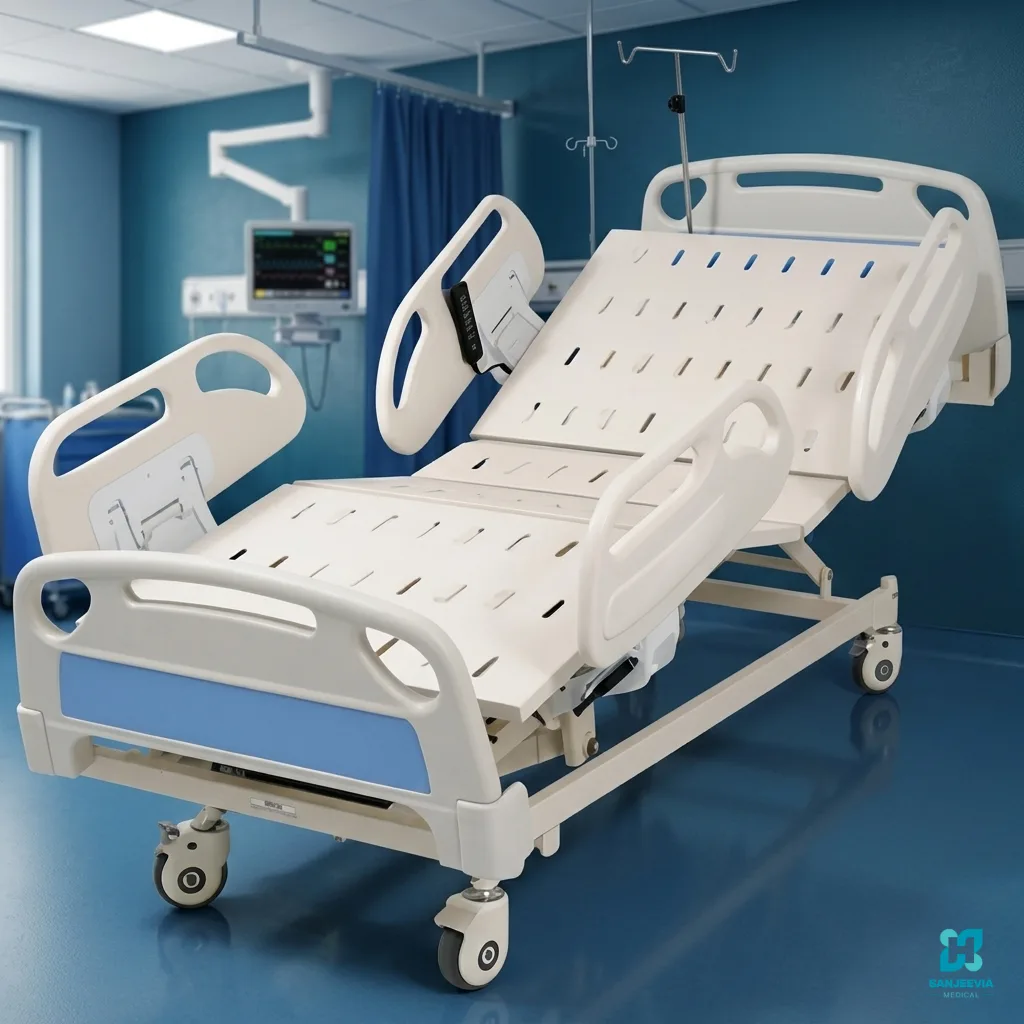
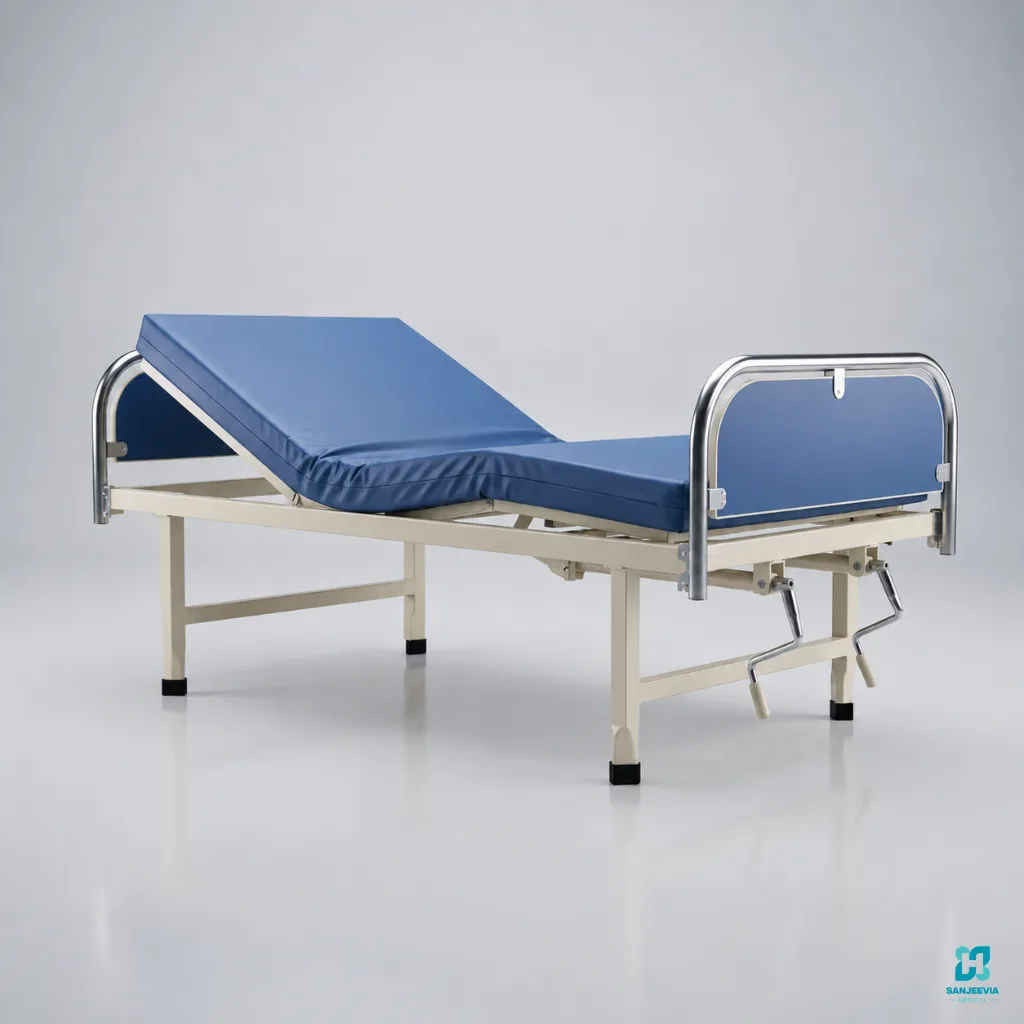
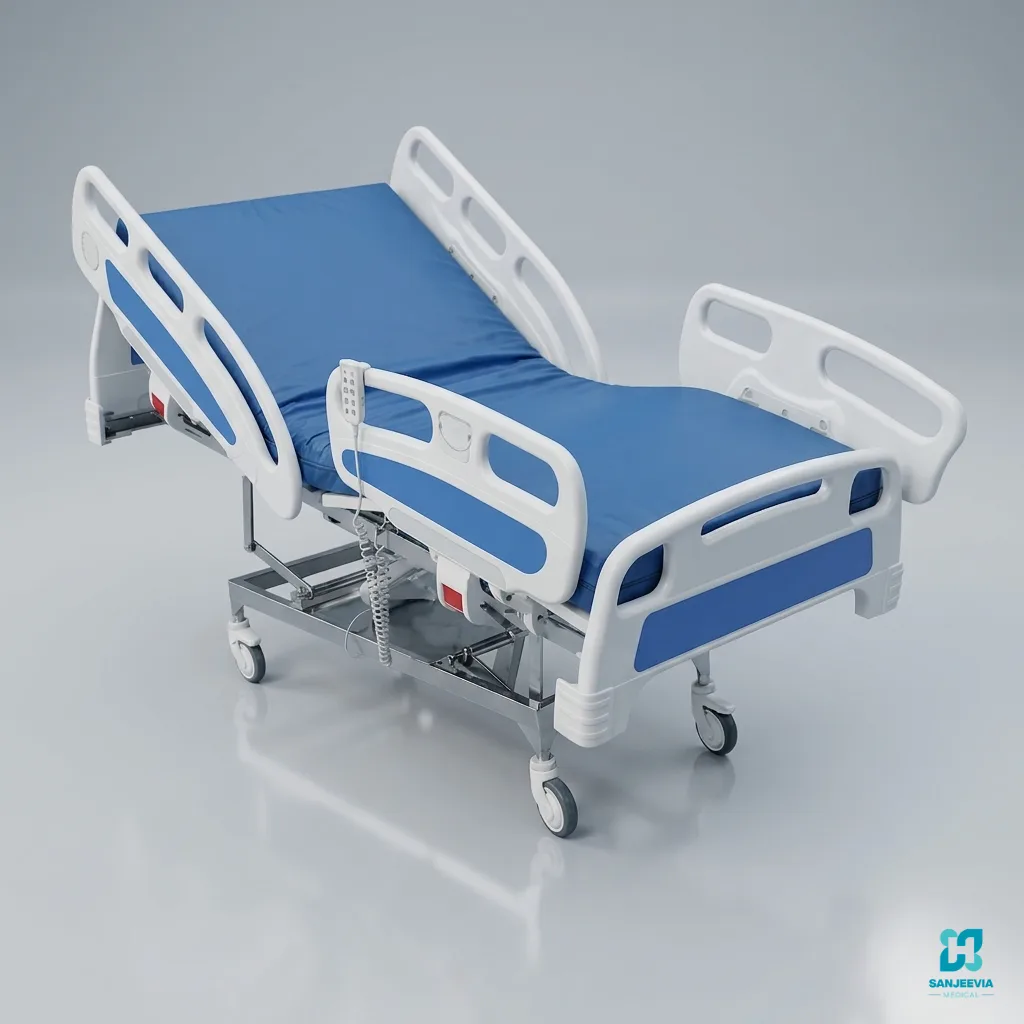
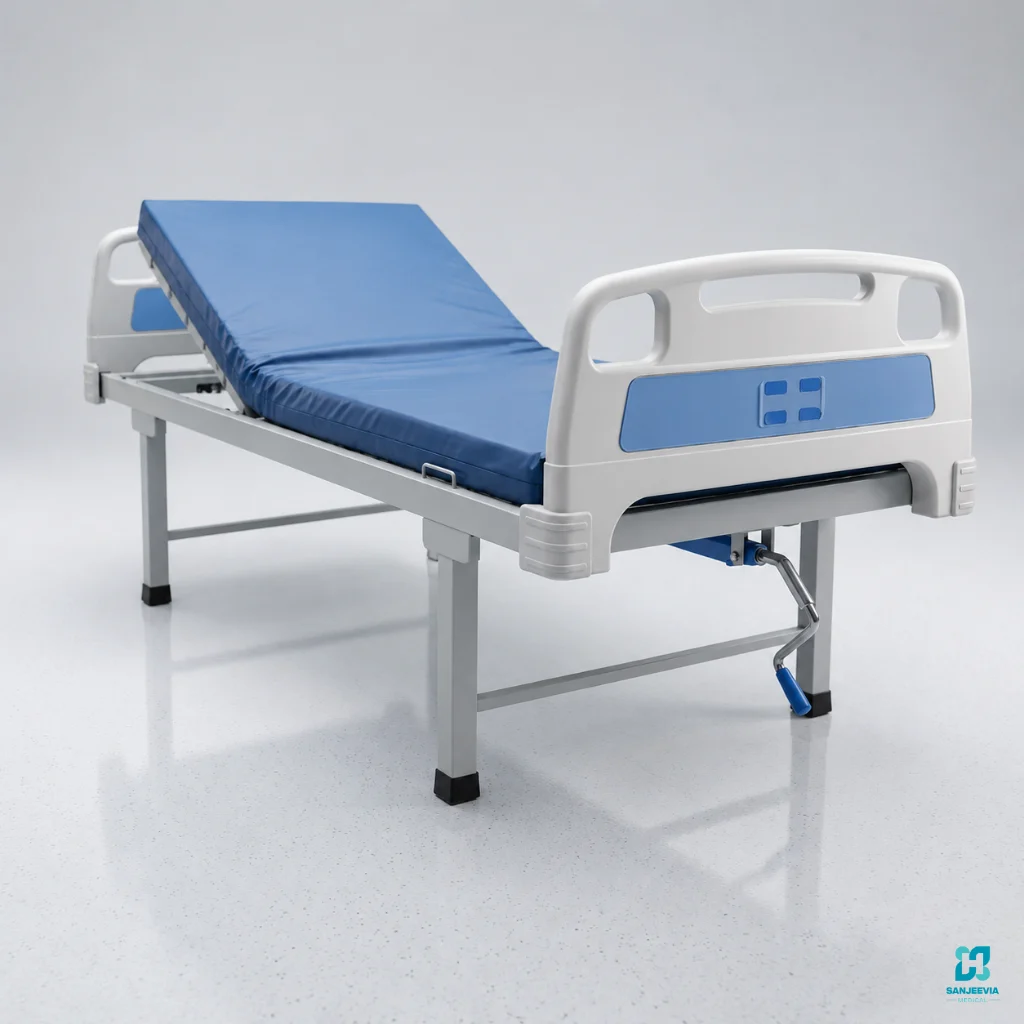
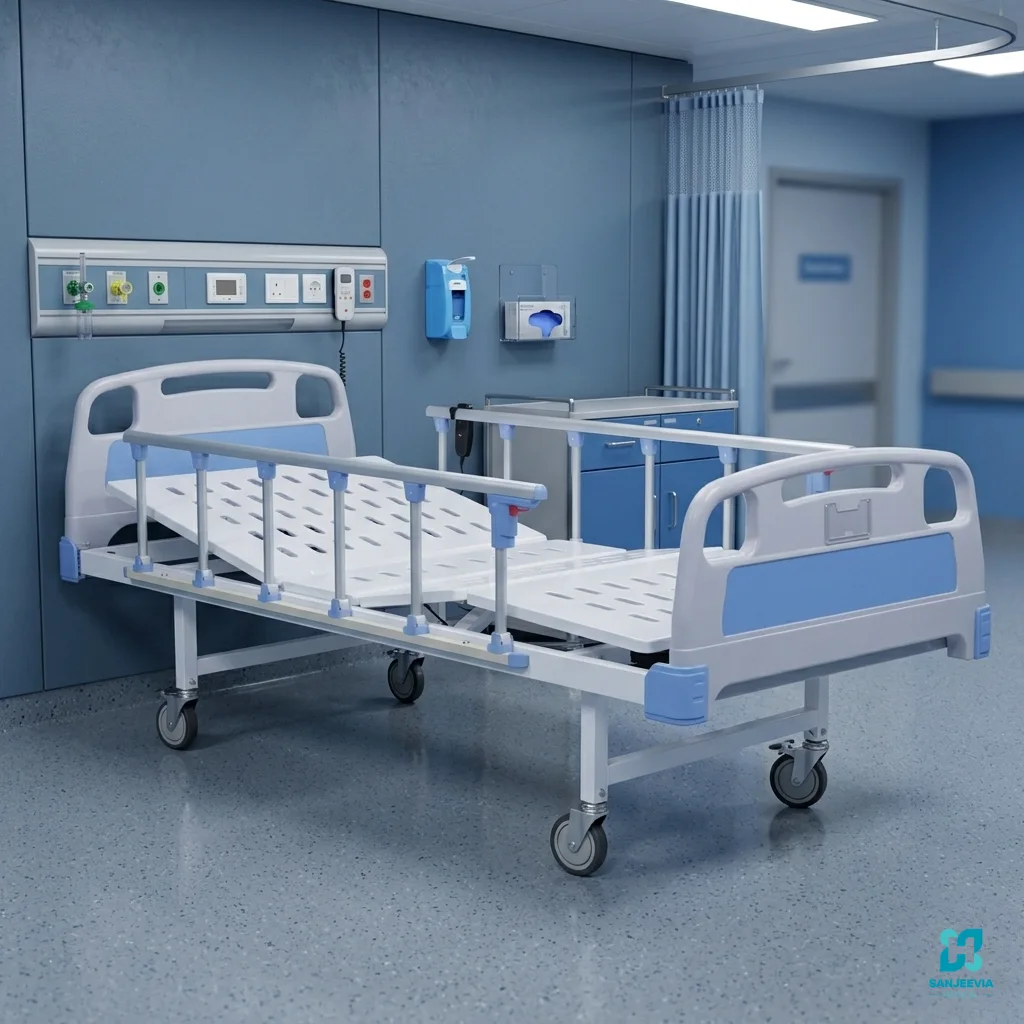
Compare the stated specifications of the exact model rather than assuming that similarly named products work in the same way. You can review hospital bed options and manual Fowler bed specifications to understand currently listed options. Confirm dimensions, included parts, power requirements where relevant, cleaning instructions, condition at handover and compatibility with the recommended setup. Never change a prescribed setting or clinical configuration to make an item appear more convenient.
Rental, Delivery and Handover Questions
A good rental conversation covers more than price. Ask for the expected delivery window, access requirements, installation or handover process, rental period, extension procedure, deposit, service-contact route and collection process. Record the model name and supplied accessories. If the delivered item differs from the discussed item, pause and clarify before use. This is particularly important when the family is arranging care during a discharge day.
Use Equipment Safely at Home
Read the manual for the exact device, keep it accessible, and use only the approved accessories. Confirm basic safety checks during handover, such as brakes, charging or power connections where applicable, and cleaning steps described by the manufacturer. Equipment can support an established care plan; it does not diagnose, treat, cure or guarantee an outcome. If the patient becomes unwell, a transfer becomes unsafe, an alarm occurs, or the family cannot follow the care plan, use the clinical escalation route provided at discharge.
Frequently Asked Questions
Can we choose equipment only from an online listing?
An online listing is a useful starting point for product information, but it cannot determine patient suitability. Use it to compare the stated model, then match the final choice to the treating team’s instructions and the actual home setup.
Who should we contact for a medical concern?
Contact the treating clinical team or emergency services according to the patient’s written instructions. Contact the equipment provider for product, delivery or service questions only.
Medical Disclaimer
This article provides general home-care equipment information. It is not medical advice and does not replace the patient’s treating healthcare professional. Equipment selection and use must follow the individual care plan.