
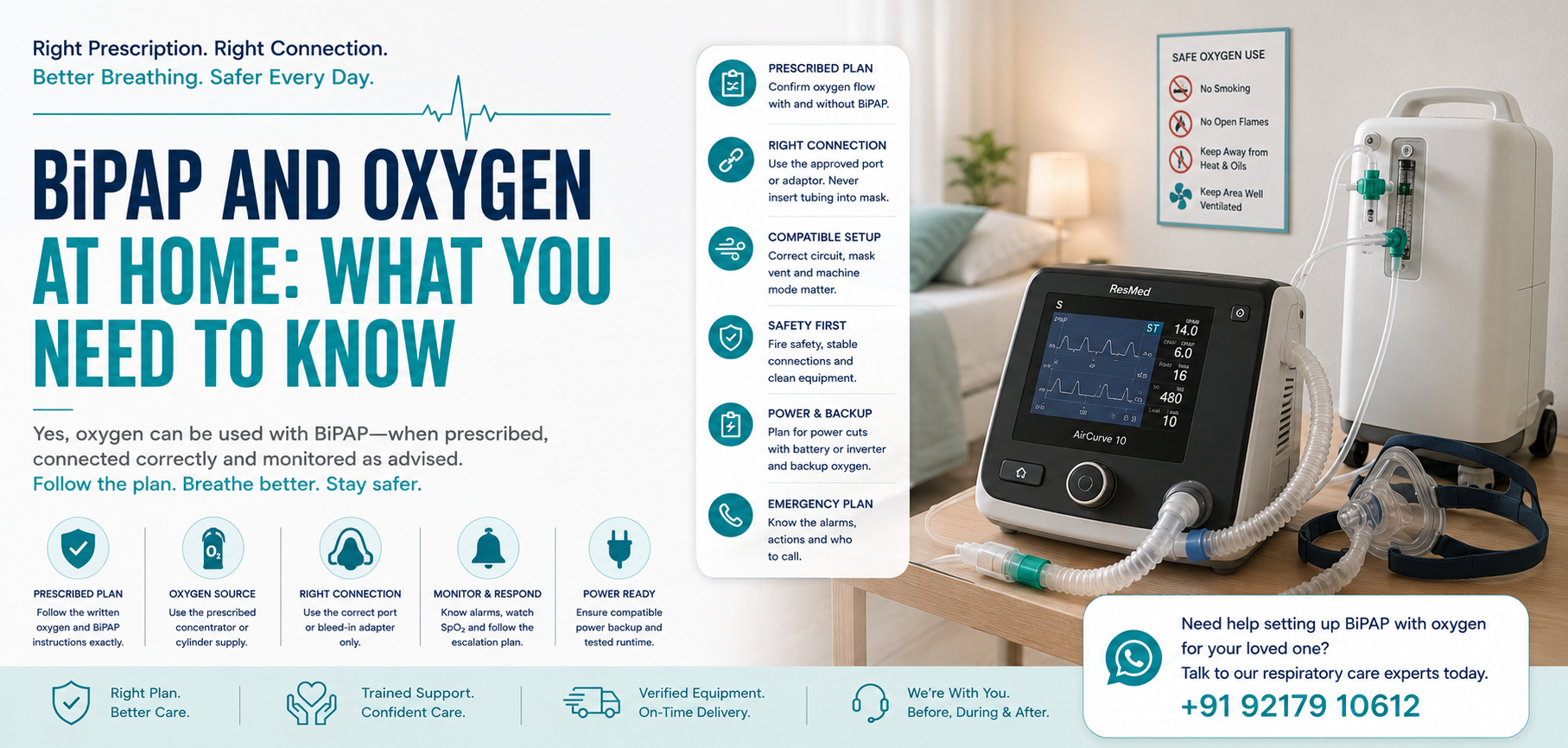
Yes, supplemental oxygen can be prescribed with BiPAP, but the clinician must specify the plan and the equipment must have a compatible connection. Oxygen flow, entry point, mask vent, circuit and machine mode affect the delivered concentration. Do not improvise by pushing oxygen tubing into the mask.
“My mother needs BiPAP at night and oxygen all day. How do we connect both?” This is a setup question with clinical consequences. The family needs one written plan covering the BiPAP, oxygen source, interface, monitoring and what happens during a power cut.
At a Glance
- Confirm prescribed oxygen flow during BiPAP and when off BiPAP.
- Use the approved bleed-in connector or compatible circuit arrangement.
- Keep oxygen fire safety and a backup plan in place.
Why the Connection Point Matters
Oxygen may enter through a dedicated port, adaptor or compatible circuit depending on the device. Where it enters and how much air the machine delivers influence the concentration reaching the patient.
An unapproved connection can leak, disconnect or interfere with the mask’s exhalation vent. The vent must remain open to clear exhaled gas.
Write Down the Two Therapy Plans
The patient may have one oxygen instruction while awake and another while using BiPAP. Record both exactly, including target range if the clinician provides one.
Never assume that oxygen flow used through a nasal cannula produces the same effect when connected to a BiPAP circuit. Ask the respiratory team to confirm.
Power Cuts and Fire Safety
A BiPAP and concentrator both depend on electricity. If therapy is essential overnight, plan battery or inverter compatibility and prescribed backup oxygen with the clinical and equipment teams.
Keep the setup away from smoking, flames, sparks, heat and oils. Route tubing so neither the BiPAP airflow nor bed movement pulls the oxygen connector loose.
What to Keep Ready
- BiPAP mode and settings
- Oxygen flow on and off BiPAP
- Approved connector and circuit
- Mask type and exhalation vent
- SpO2 target and escalation plan
- Power and backup oxygen arrangement
Clinical Safety Comes First
Do not copy pressure settings, oxygen connections, modes or alarm limits from another patient or an online video. If breathing worsens, the patient becomes confused or unusually drowsy, lips appear blue or grey, or the prescribed support cannot be delivered, follow the clinician’s escalation plan and seek urgent medical help.
Frequently Asked Questions
Can oxygen go directly into the mask?
Only if the mask and prescription-led setup are designed for that connection. Do not improvise.
Can a concentrator provide oxygen to BiPAP?
Sometimes, when flow and connection are clinically and technically compatible. Confirm both devices.
Should we change BiPAP pressure after adding oxygen?
No. Settings are clinical decisions.
What happens in a power cut?
Both devices may stop unless supported. Follow the written backup and emergency plan.
Trusted Patient References
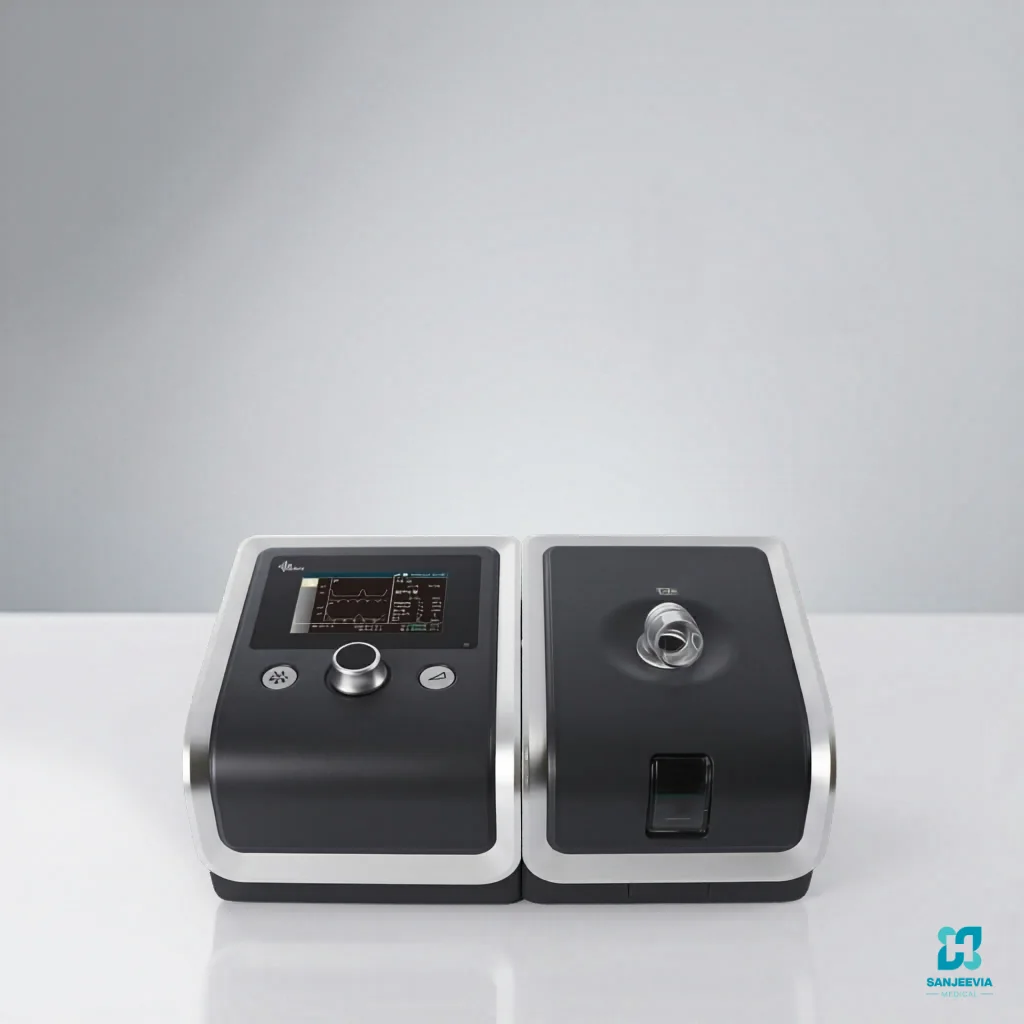
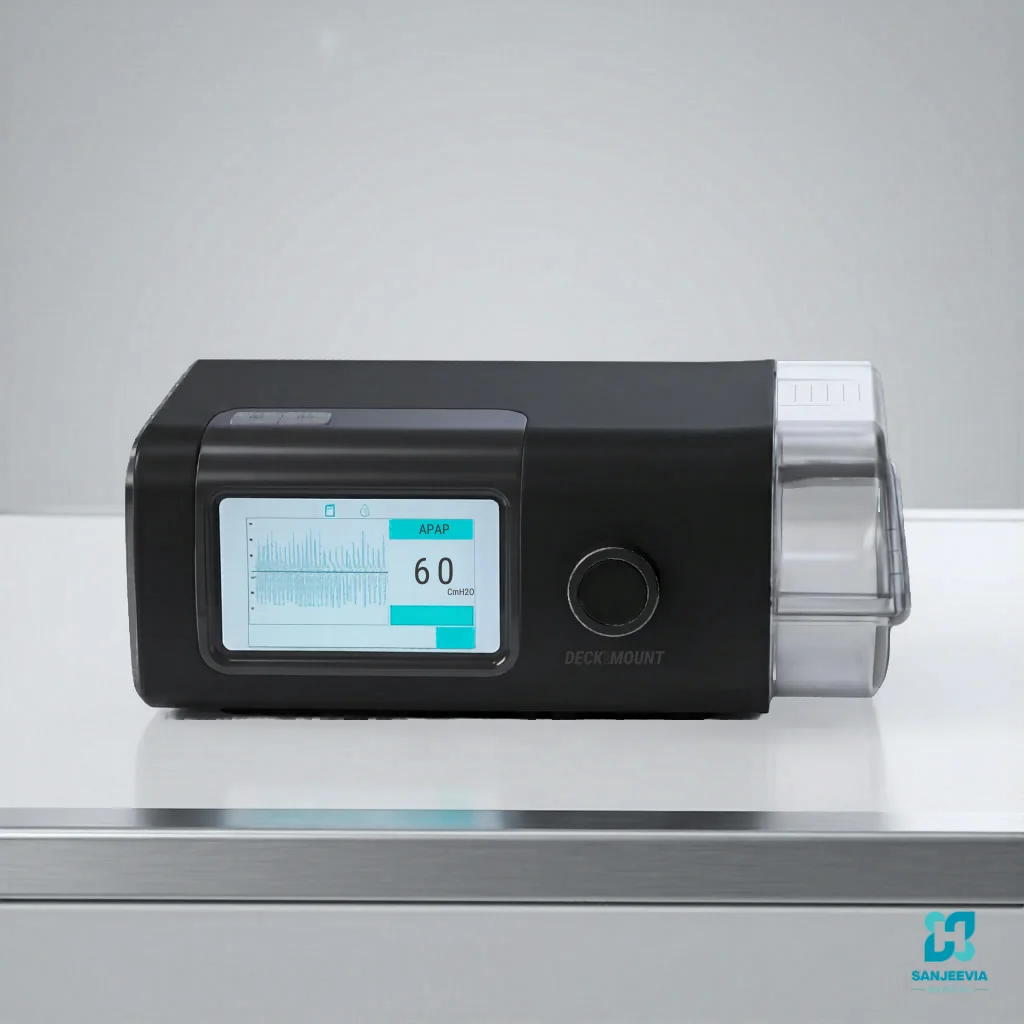
For a clinician-approved combined setup, check the BiPAP devices and oxygen concentrator models separately, then confirm the prescribed oxygen flow, circuit connection and compatible accessories in writing.
Compare Respiratory-Care Equipment
Keep the prescription and current interface details ready, then browse Sanjeevia’s BiPAP, CPAP and ventilator options. Confirm the exact mode capability, accessories, setup, training, service and current availability before booking.
Related Guidance and Equipment
For prescription-led oxygen care, the links below explain the next decision and point to the exact equipment pages discussed.
Continue Reading
- What Is an Oxygen Concentrator? — understand how a concentrator fits prescribed home oxygen.
- Oxygen Cylinder vs Oxygen Concentrator — compare continuous powered oxygen with cylinder supply.
Relevant Product Pages
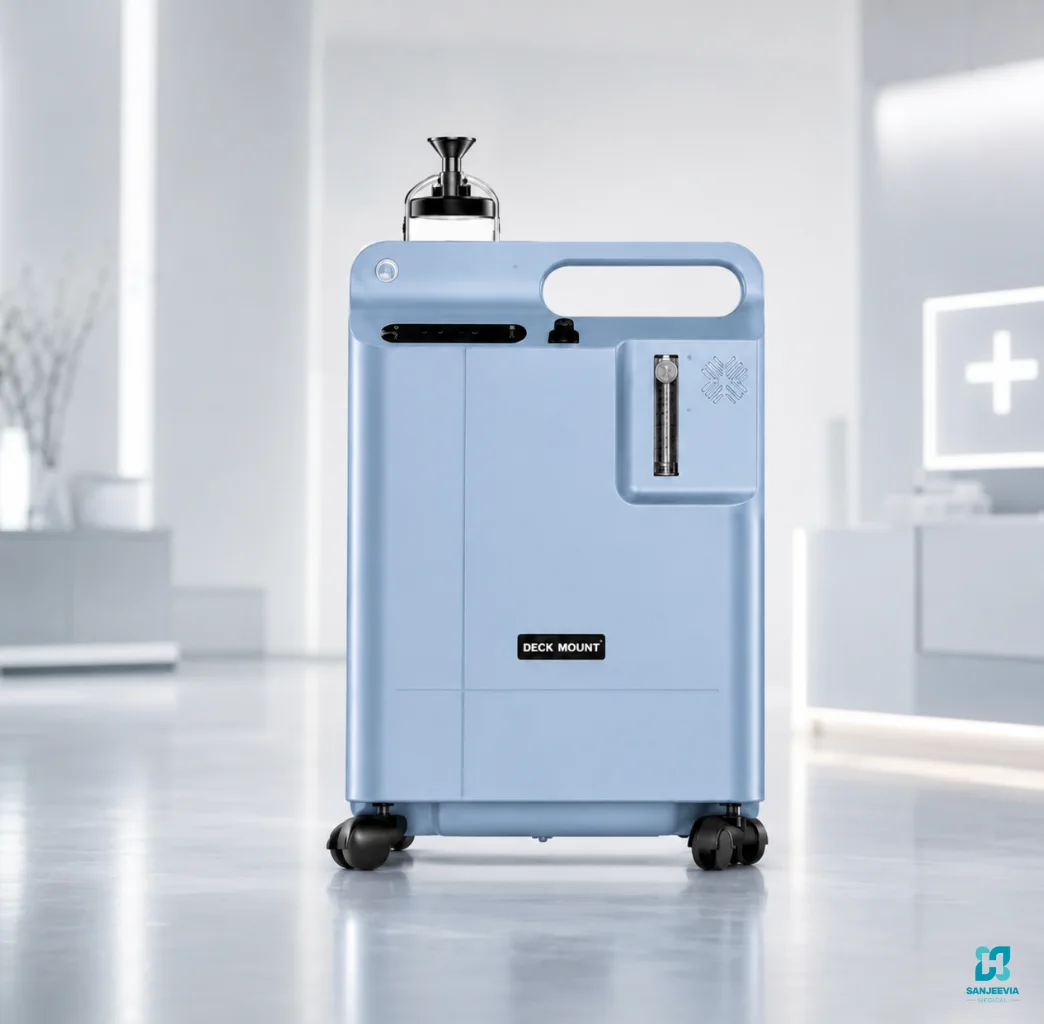
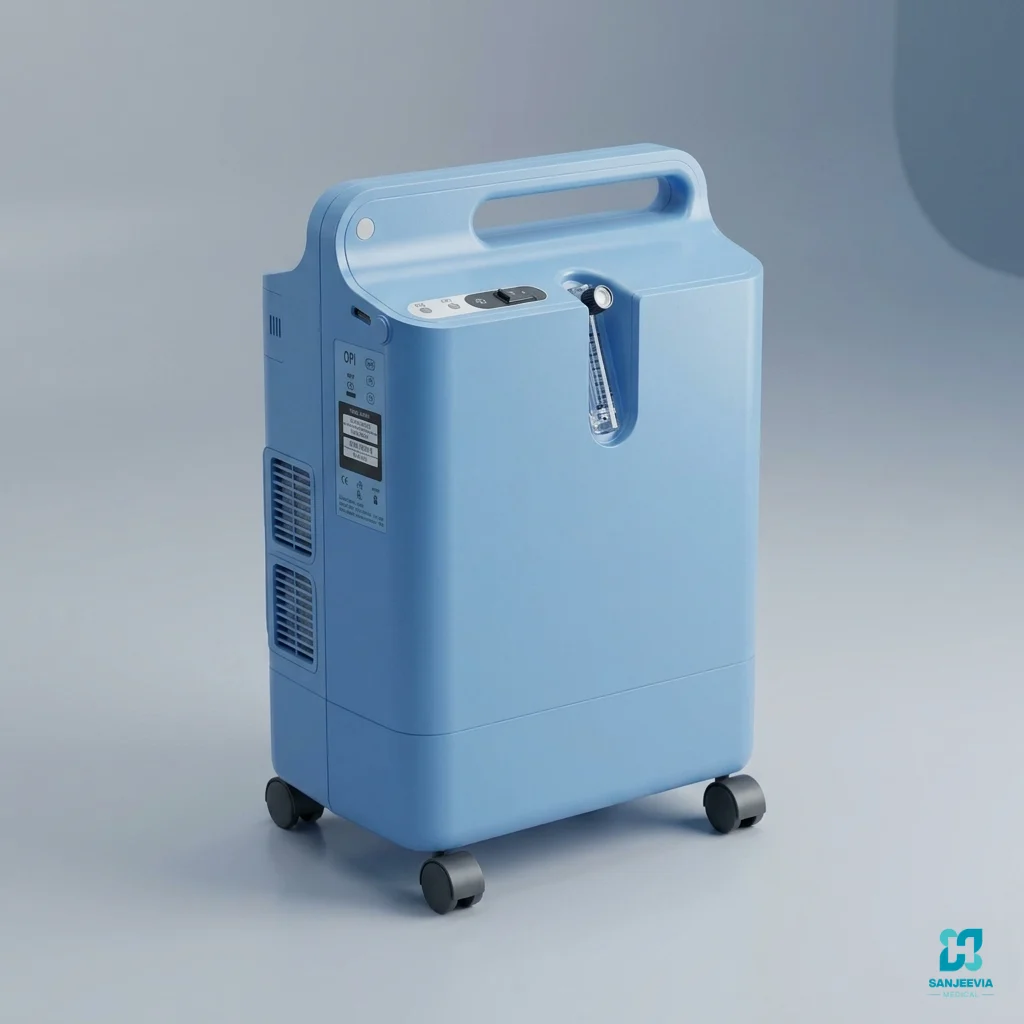
- Philips EverFlo 5L Oxygen Concentrator — review a published 5 LPM concentrator option.
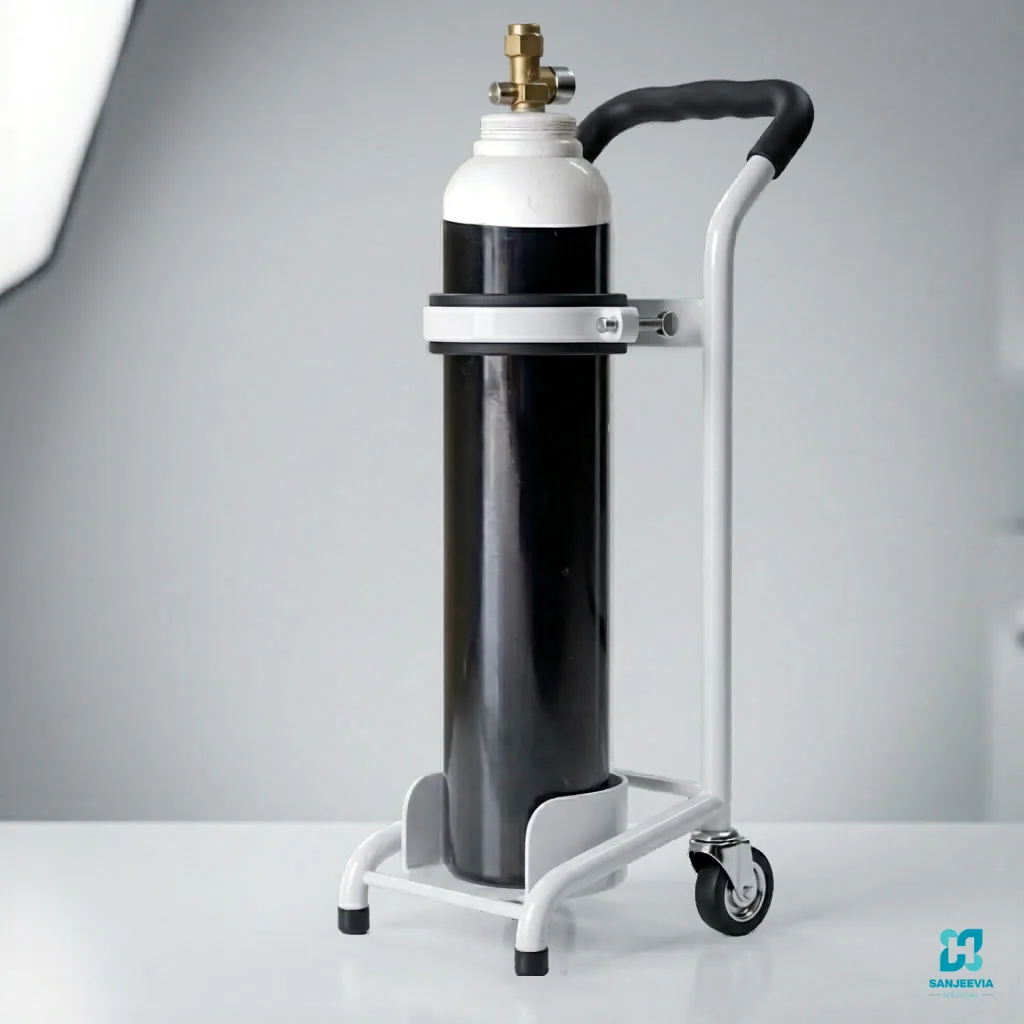
- 47L Medical Oxygen Cylinder — review a large-cylinder primary or backup option.
Medical disclaimer: General information only. The treating clinician must prescribe the device, mode, pressures, oxygen plan and monitoring.
Published by Sanjeevia Medical | Delhi NCR