

A family may rent a complete-looking machine and later discover that the mask, cannula, tubing, filter, electrode or other patient-contact item is separate. This is not only a billing question. The wrong size, connection or reuse decision can make the setup unsuitable.
Quick answer
The main medical device may be reusable while some accessories are reusable, patient-specific, disposable or replaced periodically. Before renting, ask for a written list of included items, sealed consumables, compatible model and size, initial quantity, replacement instructions and who supplies the next set. Never reuse an item labelled single-use or improvise a substitute connection.
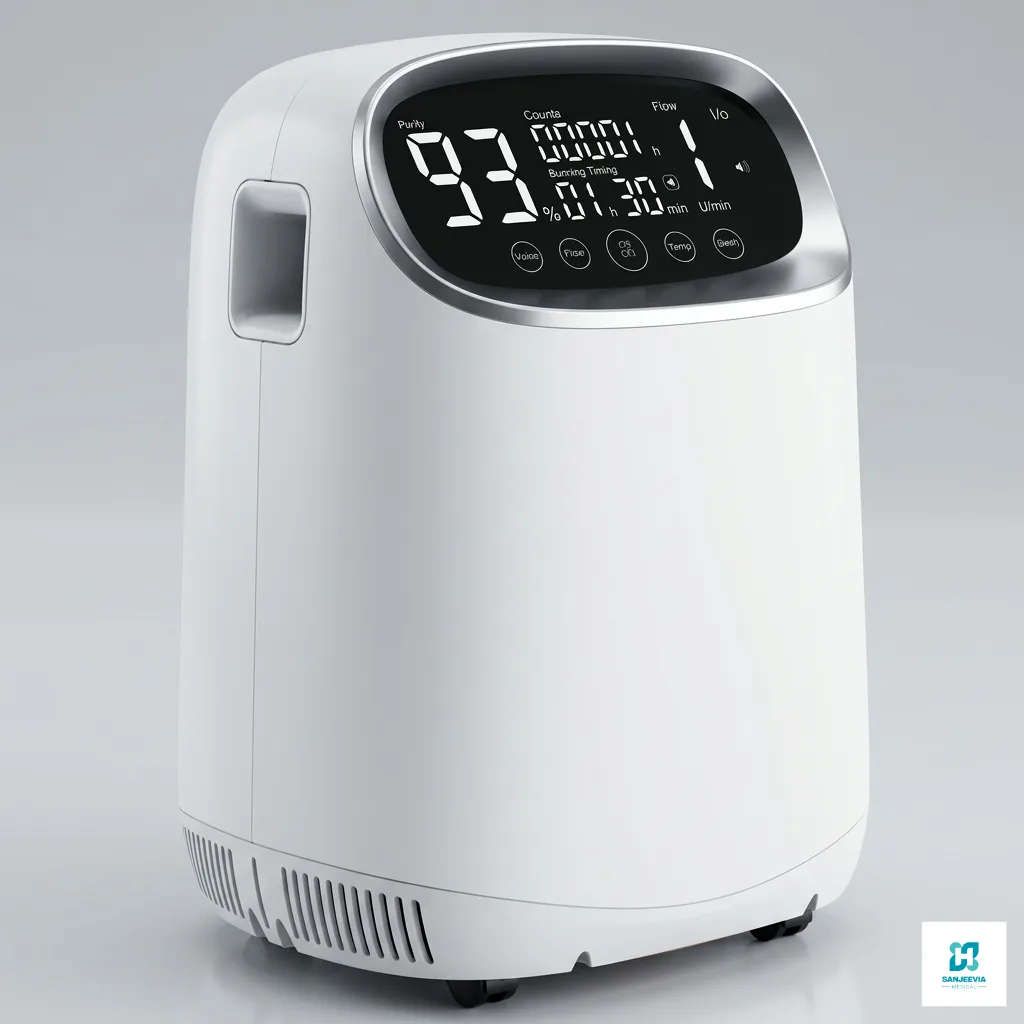
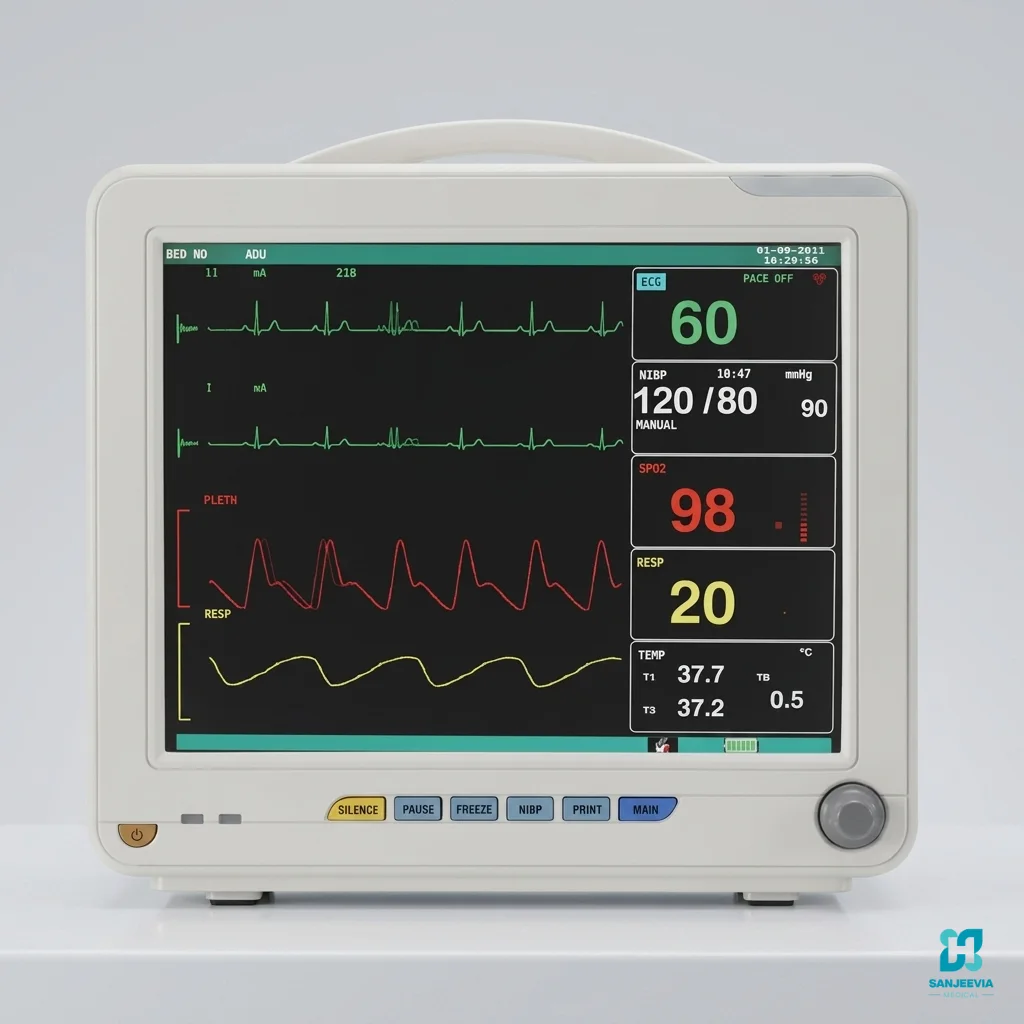
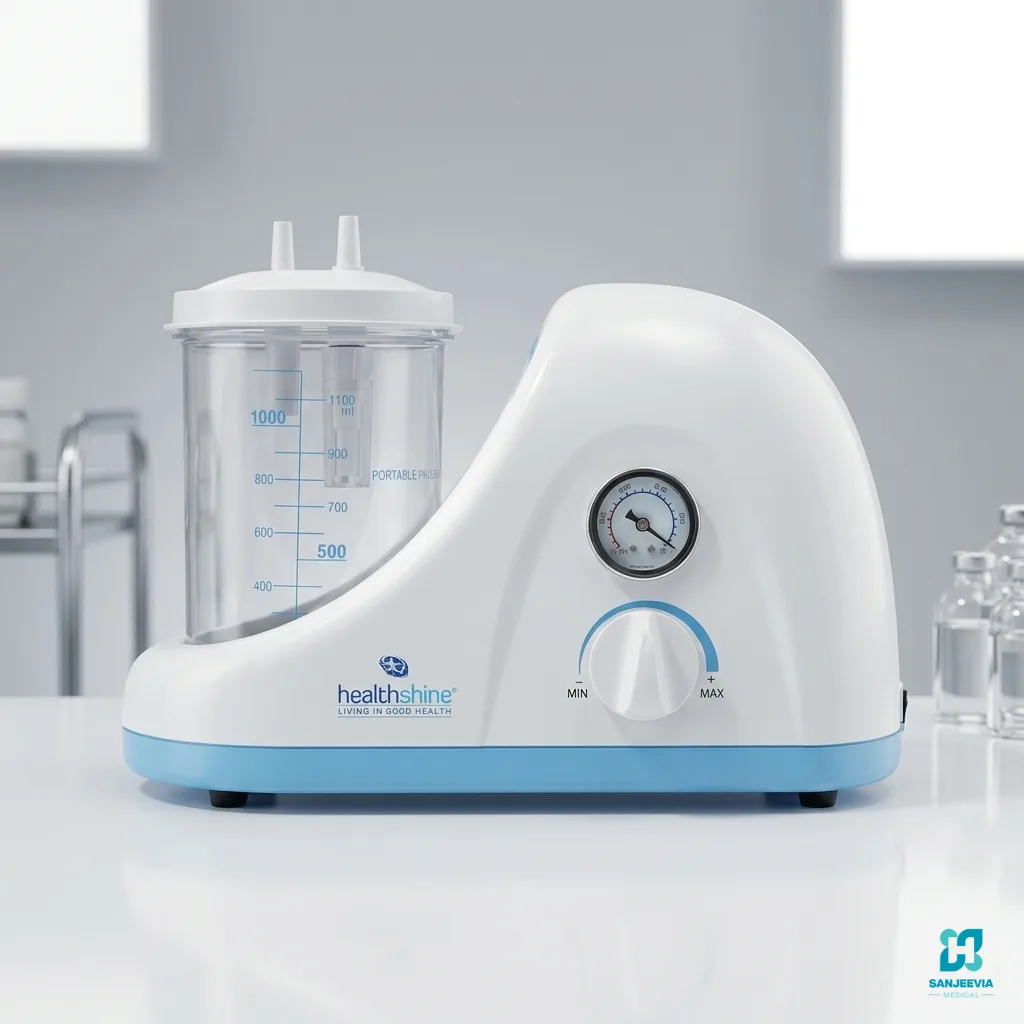
These examples may use different patient-contact accessories and replacement items. Confirm the exact model, clinical requirement and supplied package in writing.
Device, accessory and consumable are different
The device performs the main function. An accessory supports or connects to it. A consumable is used up, discarded or replaced during normal use. The exact classification depends on the product and its manufacturer’s instructions.
WHO’s medical-equipment inventory guidance recommends tracking consumables and accessories separately because many devices cannot operate safely without their compatible supporting items.
Twelve consumable and accessory checks before renting
1. Ask for the full package list
Separate the main unit, reusable accessories and consumables. Compare the quotation, rental agreement and handover record rather than relying on a product photograph.
2. Confirm which items must be patient-specific
Masks, cannulas, some tubing, electrodes and other items that contact the patient may need to be new or assigned to one patient. Ask the treating team what the patient requires.
3. Read the single-use or reusable label
The CDC’s single-use device guidance explains that reuse is a regulated and safety-sensitive matter. At home, follow the manufacturer’s label and do not reprocess an item marked single-use on your own.
4. Match the exact device model
Two filters, cuffs, probes or tubing sets can look similar and still be incompatible. Confirm the connector, size, supported model and manufacturer specification.
5. Confirm size and patient fit
Mask size, cuff size and other fitted items affect safe use. A coordinator can confirm available sizes, but the treating professional must define patient-specific clinical suitability.
6. Check sealed packaging and condition
Where an item should be supplied new, confirm that its packaging is sealed, dry and undamaged. Do not use an item with opened, wet, torn or unclear packaging until the provider or clinical team confirms the next step.
7. Record the starting quantity
List how many pieces are supplied and which ones remain the family’s responsibility. This helps prevent an urgent shortage and avoids confusion at return.
8. Identify replacement triggers
Use the model instructions and clinical plan for timing. Damage, contamination, poor fit, a manufacturer interval or changed patient needs may require action. Do not create a universal replacement schedule from another device.
9. Separate cleaning from replacement
Some reusable noncritical items can be cleaned according to manufacturer instructions. CDC guidance for disinfection of healthcare equipment stresses correct cleaning and safe storage. A disposable item should not be treated as reusable simply because its surface can be wiped.
10. Confirm storage conditions
Keep supplies dry, clean, away from direct heat and out of reach of children or pets. Preserve labels and packaging until the family can identify the item confidently.
11. Write down who provides replacements
Clarify whether the family, provider or another service supplies each replacement. Keep the product name, size and compatibility information so the next order matches.
12. Plan safe disposal
Follow manufacturer, clinician and local waste instructions. Sharps, contaminated items and ordinary packaging do not share the same disposal route. Do not place an uncertain item into general waste until the correct method is confirmed.
Common items families should ask about
| Equipment area | Items to confirm |
|---|---|
| Oxygen support | Cannula or mask, tubing, humidifier-related items and model-specific filters |
| Respiratory support | Mask, circuit or tubing, filter and humidifier components specified for the model |
| Patient monitoring | ECG electrodes, cuffs, probes and compatible cables |
| Suction equipment | Patient tubing, catheter or collection components according to the prescribed setup |
| Hospital bed | Mattress protection and patient-use linen or hygiene items |
Use this list alongside the twelve rental inclusions to confirm and the rental agreement checklist.
Frequently asked questions
Are all accessories included with a rented medical device?
No. The reusable unit, reusable accessories and patient-specific consumables can be listed separately. Confirm the written package for the actual booking.
Can a sealed consumable be used with any model?
No. It must match the device, connection, size and prescribed use. Ask for the exact compatible item rather than relying on appearance.
Should a disposable item be cleaned and reused?
Follow the manufacturer’s label and treating team’s instructions. Do not reuse an item labelled single-use merely because it appears clean.
Who decides how often a filter, mask or tubing is replaced?
Use the manufacturer’s instructions and the patient’s clinical plan. Replacement timing varies by product, use and condition.
What should I record at handover?
Record the item name, model compatibility, size where relevant, sealed quantity, expiry or package condition when applicable, and who supplies replacements.
Consumable requirements vary by device and patient. Confirm the final package and instructions for the actual model supplied.
Next Read
If the patient will use the equipment at another address, continue with Moving a Patient Between Two Homes: 10 Questions About Rented Medical Equipment.
