

Rental can make home recovery faster and more practical, but families are right to ask how the equipment was prepared. “Looks clean” is not the same as a complete hygiene check. The correct process depends on whether the item is reusable, which parts touch the patient, what the manufacturer permits and whether any single-use consumables are replaced.
Ask hygiene questions for the exact equipment
A wheelchair, oxygen concentrator and monitor have different surfaces, accessories and patient-contact parts. Confirm what is reusable, what is supplied separately and what your family must replace.
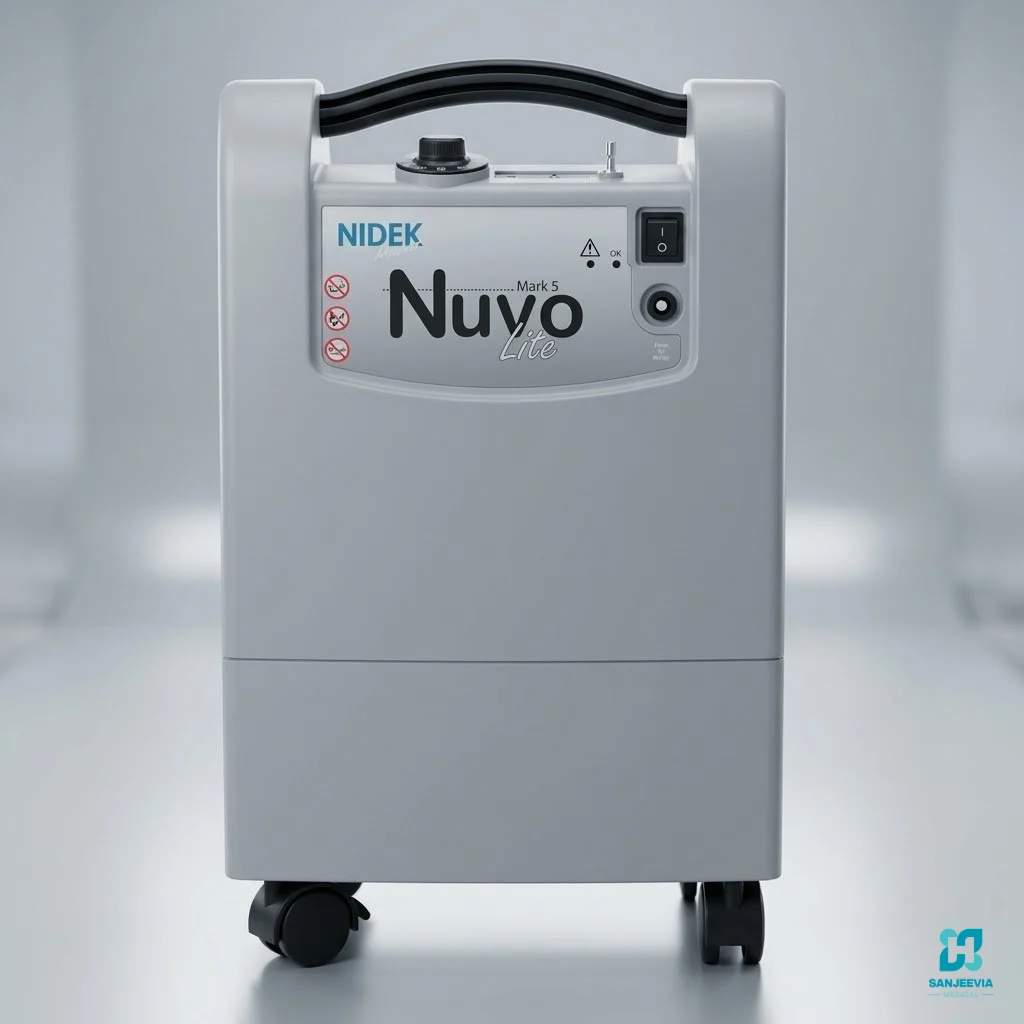
Nidek Nuvo Lite 5L
Ask about exterior cleaning, filters, tubing and patient-contact accessories.
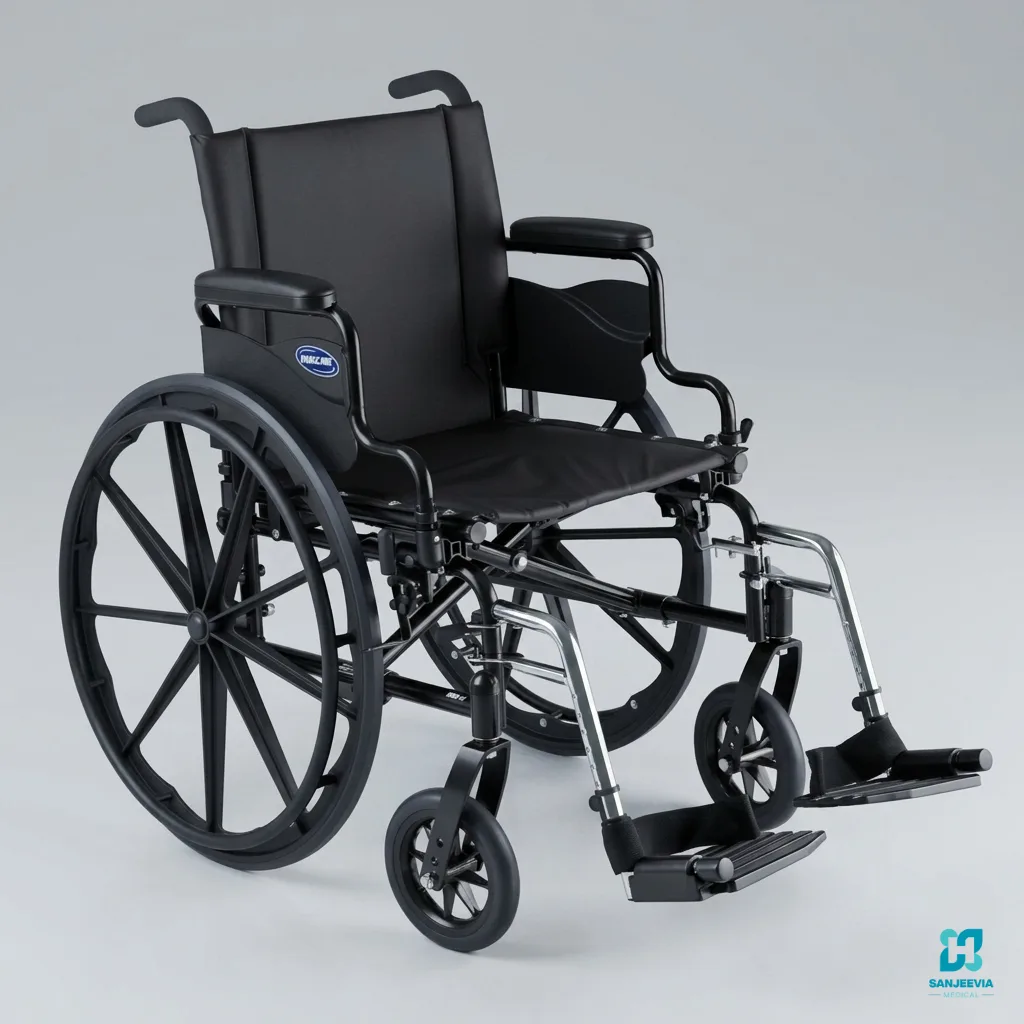
Standard Manual Wheelchair
Check upholstery, handles, armrests, footrests, brakes and wheels before use.
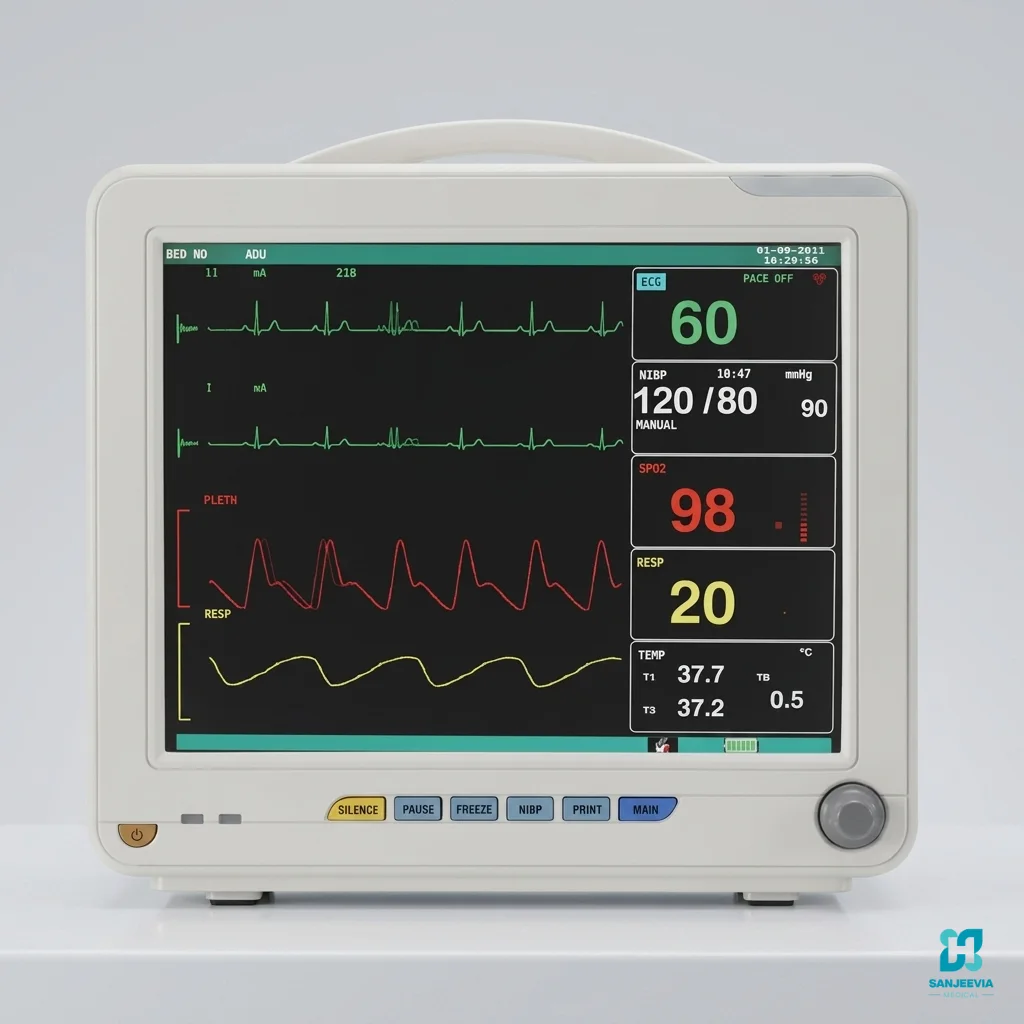
5 Para Patient Monitor
Separate the reusable monitor from cuffs, probes and other patient-contact items.
10 hygiene checks before using rented medical equipment
1. Confirm the device is intended for reuse
Start with the manufacturer’s labelling. Durable equipment such as some beds, wheelchairs and concentrators is generally designed for repeated use when maintained and reprocessed correctly. A component marked single use, disposable or for one patient only needs different handling. Do not decide from appearance alone.
2. Ask which reprocessing instructions were followed
The manufacturer should specify cleaning agents, contact times, compatible disinfectants, drying and parts that must not be immersed. The FDA guidance on reusable medical devices explains that safe reuse depends on correct reprocessing according to validated labelling. A strong chemical is not automatically better, because the wrong product can damage plastics, seals, sensors or electrical parts.
3. Separate cleaning, disinfection and sterilisation
Cleaning removes visible soil and organic material. Disinfection reduces or destroys many harmful microorganisms on appropriate surfaces. Sterilisation is a validated process used for items that require it. These terms are not interchangeable. The required level depends on how the item is used and what tissue or surface it contacts. A home-care bed frame does not receive the same process as a critical surgical instrument.
4. Inspect high-touch surfaces in good light
Check handles, control panels, handsets, armrests, side structures, mattress covers, brakes, cuffs and frequently touched knobs. Look for residue, stains, odour, sticky areas, cracks, peeling upholstery or trapped material. Visible damage can make cleaning difficult and may also signal that a part needs replacement.
5. Identify every patient-contact consumable
Make a written list of masks, nasal cannulae, tubing, filters, nebuliser cups, suction tubing, catheters, dressings, probe covers and similar items relevant to the setup. Some are single use, some are single-patient use and some are reusable under exact instructions. Our guide to medical equipment consumables that may need replacement helps families confirm the distinction before delivery.
Want a clearer handover checklist?
Tell us the equipment type and city. A Sanjeevia coordinator can explain what is included, which parts are patient-contact items and what to check at delivery. For clinical infection-control questions, follow the treating team’s advice.
6. Check sealed or new items without assuming the package proves compatibility
A sealed item may be clean and unused but still be the wrong size, connector or specification. Confirm compatibility with the exact equipment and the clinician’s order. Check the package integrity and use-by information where applicable. Do not open everything immediately if you may need to verify the fit first.
7. Confirm physical inspection and function testing
Hygiene preparation should be followed by an equipment check. Controls, alarms, brakes, cables, batteries, wheels, locks and accessories should work as intended. A clean device that fails during use is still unsafe. Sanjeevia’s article on pre-delivery quality checks for rental medical equipment explains the separate role of equipment inspection.
8. Review India’s infection-prevention principles
The National Centre for Disease Control’s National Guidelines for Infection Prevention and Control in Healthcare Facilities describe cleaning, disinfection, sterilisation, hand hygiene and environmental hygiene as distinct parts of infection prevention. Although a home is not a hospital, the same central principle is useful: match the process to the item and its intended use instead of applying one vague “sanitised” label to everything.
9. Get home-cleaning instructions for the rental period
Ask which surfaces the caregiver may wipe, which agent and dilution are permitted, how often cleaning is needed, and which parts should stay dry. Keep sprays away from vents and electrical connectors unless the manual specifically allows them. Do not mix cleaning chemicals. Wash or sanitise hands as instructed before handling masks, tubing or other patient-contact parts.
10. Know when to stop and report a problem
Do not use equipment with unexplained residue, damaged packaging, cracked patient-contact surfaces, damp interiors, unusual odour, pest contamination or missing cleaning information. Photograph the issue before use and contact the supplier. If the patient has a known infection or special isolation requirement, inform the equipment provider and follow the treating team’s plan.
A practical handover table
| Item type | What the family should confirm |
|---|---|
| Reusable equipment body | Correct model, cleaned using compatible instructions, dry, intact and function-tested. |
| Reusable patient-contact accessory | Manufacturer permits reuse, reprocessing method is known, and the item is intact and correctly assigned. |
| Single-use or disposable item | New, unopened where applicable, compatible and not previously used. |
| Single-patient-use item | New or assigned only to that patient for the permitted period, with replacement instructions. |
| Home-cleaning supplies | Correct product, dilution, contact time, drying method and safe storage. |
Frequently asked questions
Is a rented oxygen concentrator hygienic?
It can be suitable for reuse when the concentrator is designed for it, the exterior and serviceable parts are processed according to the manual, and patient-contact accessories are handled according to their labels. Ask specifically about tubing, cannulae, humidifier bottles and filters.
Should a rented hospital bed be sterilised?
Do not use “sterilised” as a blanket requirement. Bed frames and other noncritical surfaces are generally cleaned and disinfected according to the manufacturer and infection-control plan. Items with different patient contact may need a different level of processing.
Can the same mask or nasal cannula be given to another patient after cleaning?
Not unless the manufacturer labels that exact item for multi-patient reuse and provides a validated reprocessing method. Many masks, cannulae and tubing sets are single-patient or single-use items.
Does plastic wrapping prove equipment is disinfected?
No. Wrapping can protect an item after preparation, but it does not prove which process was used. Ask what was cleaned, how it was processed and when the preparation was completed.
What should I do if equipment arrives with stains or odour?
Do not place it into patient use. Photograph the condition, keep any packaging, contact the supplier and request inspection, reprocessing or replacement as appropriate.
This article provides general hygiene and handover questions. It does not replace manufacturer reprocessing instructions, infection-control advice or a patient-specific clinical plan.
