
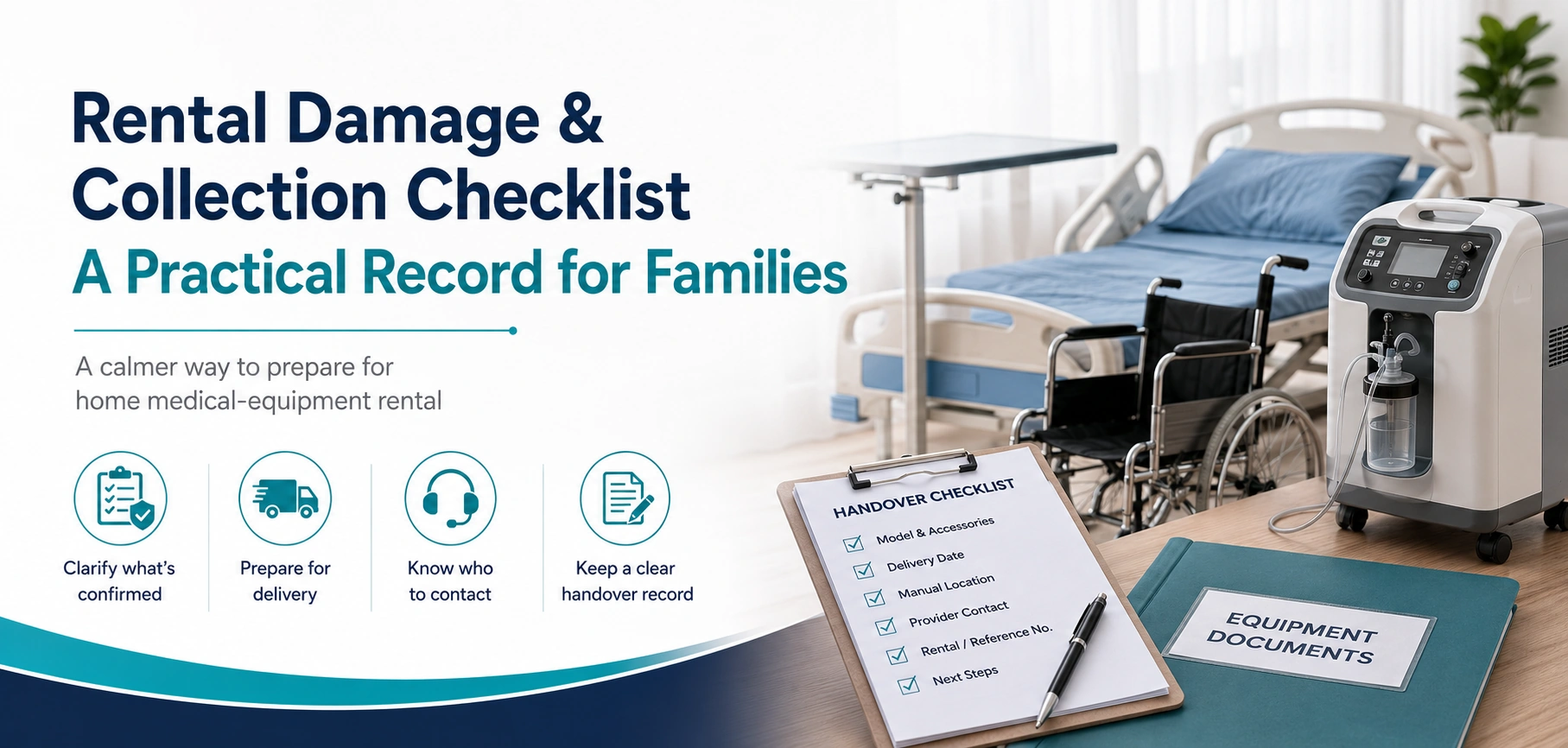
home medical-equipment rental planning
A calmer way to prepare
Quick answer: Rental Damage and Collection Checklist: A Practical Record for Families is a practical guide for families. It helps you prepare clear questions and keep the handover organised. It does not replace instructions from the treating healthcare professional.
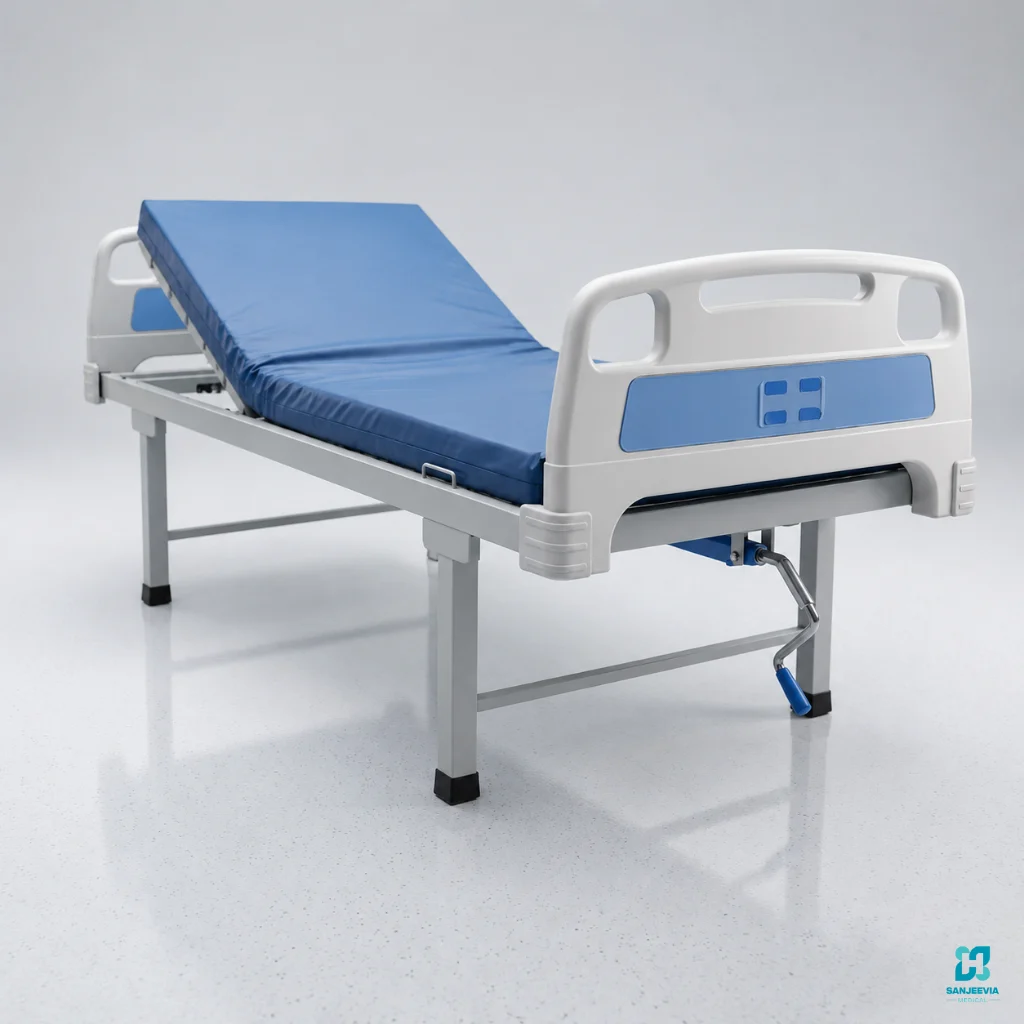
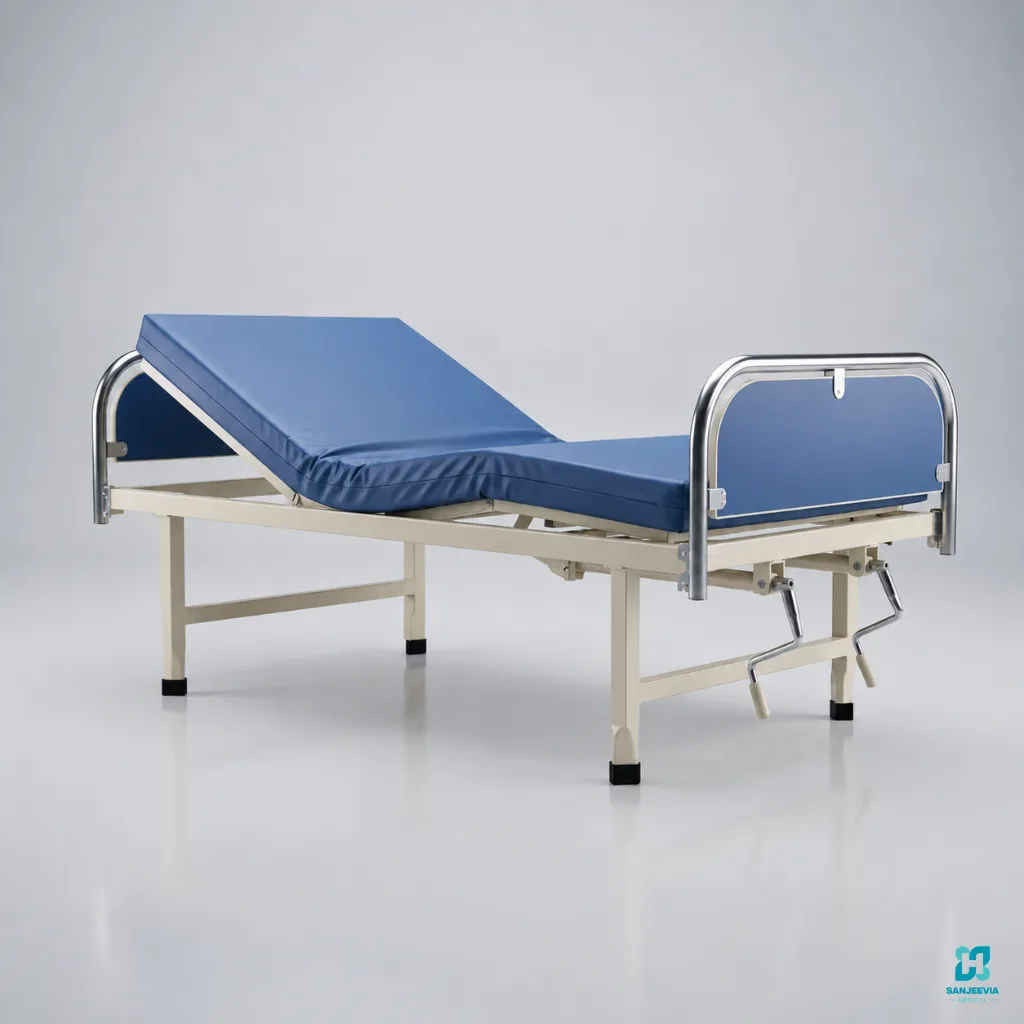
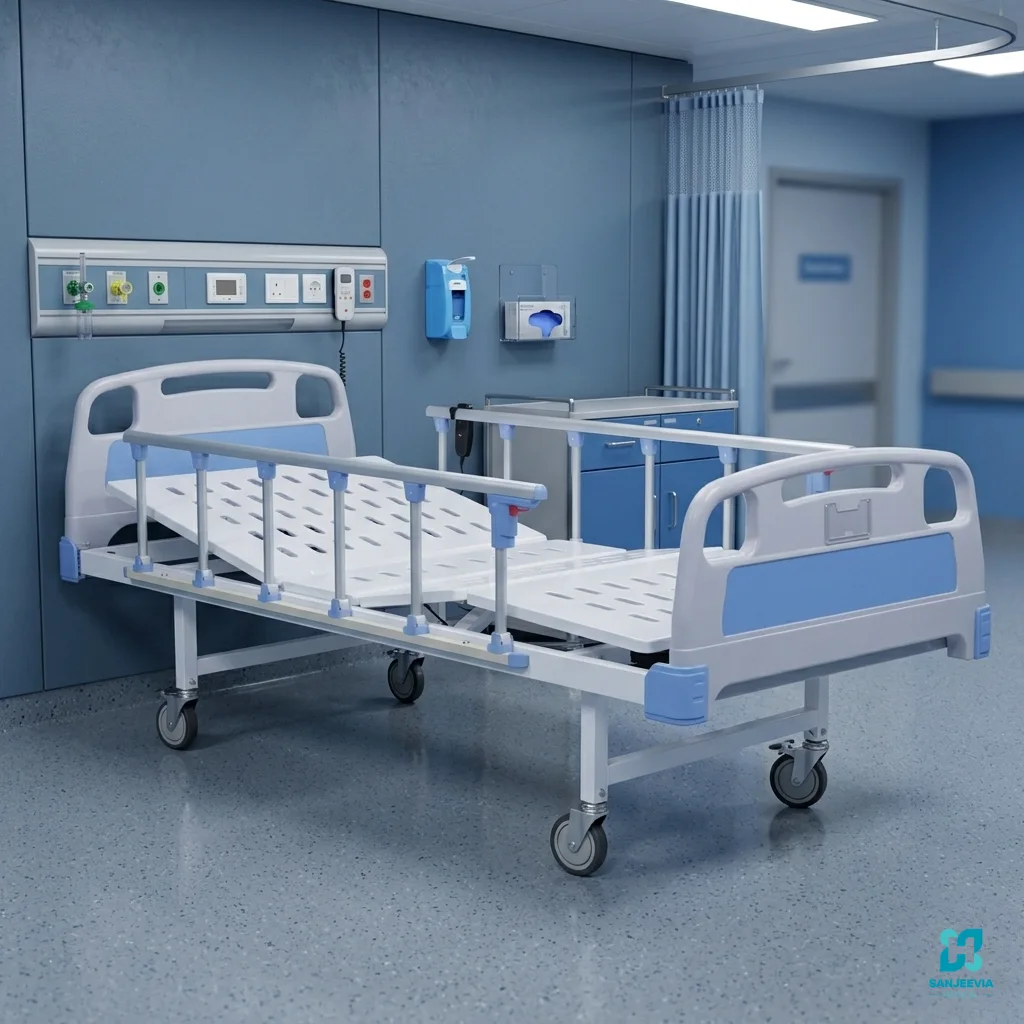
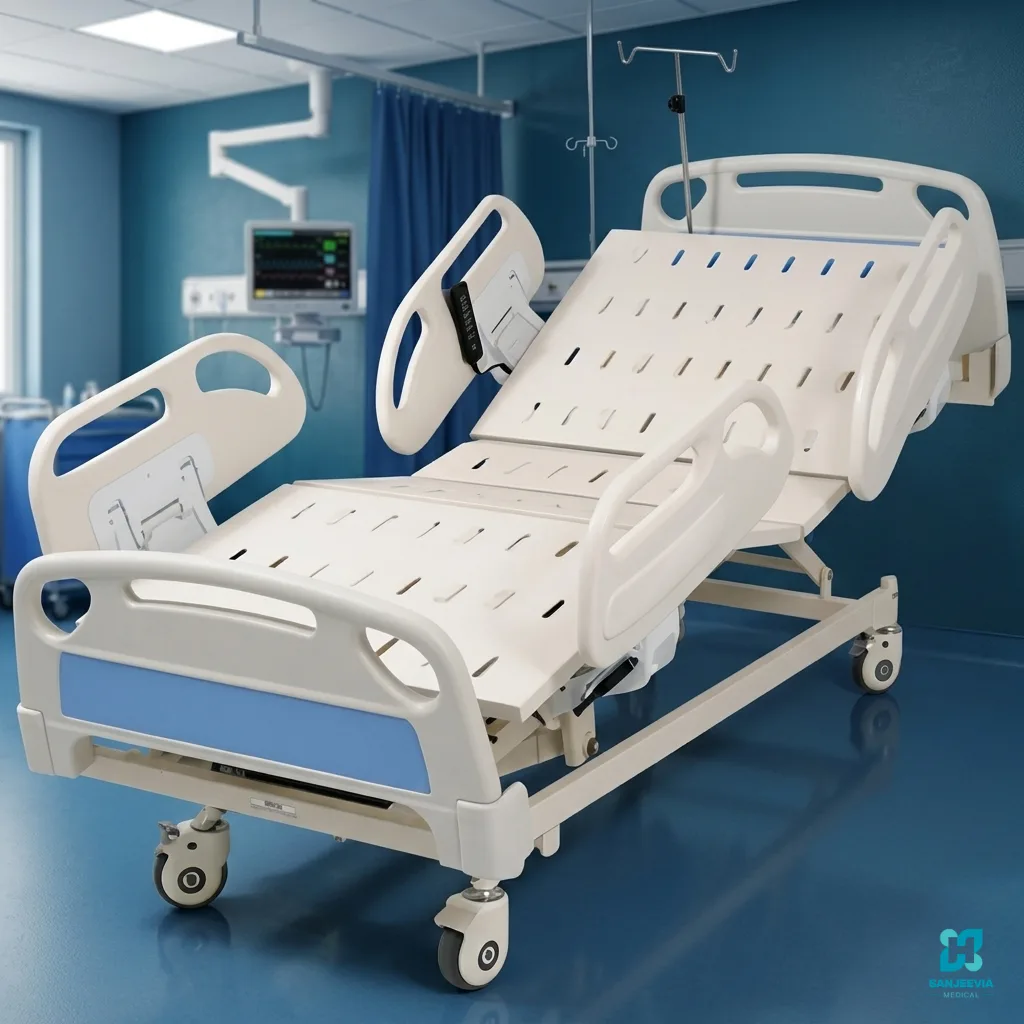
A rental often has to be arranged during a busy, emotional time. Families do not need more paperwork; they need a small set of clear facts: what is coming, when it will arrive, who to call and what has been agreed. This guide turns that into a practical checklist.
Start with what you already know. Put the written care instructions, provider contact number and any delivery information in one place. You do not need every detail before you begin; you only need a short list of the things that must be confirmed.
Keep the planning manageable
It can help to separate the job into three small parts. First, collect the information already given by the treating team. Second, check the practical details of the home and delivery. Third, write down the provider questions that remain. This approach is kinder on everyone than trying to decide everything in one conversation.
Choose one person to keep the list if that is practical for your household, but do not assume that person must carry every responsibility. A family member, caregiver or neighbour can help by measuring a doorway, being present for delivery or taking notes. The person receiving care should be included in the conversation in the way that feels right for them.
Use plain words when you speak with the provider. For example: “Can you show us where this information is written?” or “Who should we contact about this exact item?” Clear questions are useful; there is no need to use clinical language. If an answer relates to the care plan, prescribed settings or whether equipment is appropriate, pause and confirm it with the treating healthcare professional.
It is also reasonable to ask for information to be repeated. Delivery and discharge days can be tiring, and a handover is easier to follow when the notes are short, dated and shared with the people who will actually be there day to day.
What matters first
The written care instructions, delivery record, exact model, support route and rental terms should be easy for any caregiver to find. If something is unclear, write it down. A short, specific question is easier for a clinician or provider to answer than trying to remember everything during delivery or discharge.
Ask: “What has already been confirmed, what still needs checking, and who is the right person to ask?” This keeps clinical decisions with the care team and practical equipment questions with the provider.
Before the equipment arrives
Take a quiet look at the actual space where the equipment will be used or stored. Think about access, everyday routines and who will need to find the manual or contact number later. This is not about making changes to a care plan; it is about making the handover easier to understand.
A short checklist
Questions that make the handover clearer
- What is already confirmed in the written plan for this home medical-equipment rental?
- Which exact model and accessories are being supplied?
- Where will the manual, delivery note and support number be kept?
- What should the family do if an item is missing, damaged or not as expected?
- Which questions need the treating team rather than the equipment provider?
These are planning questions. They are not instructions to alter settings, change a prescribed item or make a clinical judgement. If a decision involves symptoms, transfers, positioning, use schedule or prescribed settings, ask the treating healthcare professional.
Make the handover easy for every caregiver to follow
At handover, ask the provider to identify the exact model and each supplied part. If possible, keep the manual and contact details in the same place as the equipment paperwork. This reduces the chance that a later caregiver has to guess what was agreed.
- Check the model name and the items that arrived.
- Record the provider’s support contact and the rental or delivery reference.
- Ask where to find the model-specific instructions.
- Keep clinical questions separate and direct them to the treating team.
After the handover: make the next day easier
Before the provider leaves, agree where the paperwork will live and make sure the people who need it know where it is. A folder, labelled envelope or shared note can be enough. Include the delivery date, exact item name, any reference number and the right contact route for practical support.
Do not rely on memory for a point that may matter later. If something was not delivered, does not match the order, or appears damaged, note the detail and contact the provider through the agreed support route. For any question about the person’s health, comfort, prescribed use or changing care needs, contact the treating healthcare professional instead.
Families often feel pressure to have every future question answered immediately. You only need a clear next step: what has been confirmed today, what still needs an answer, and who owns that follow-up. That is enough to make the home setup easier to manage without stepping beyond the information you have been given.
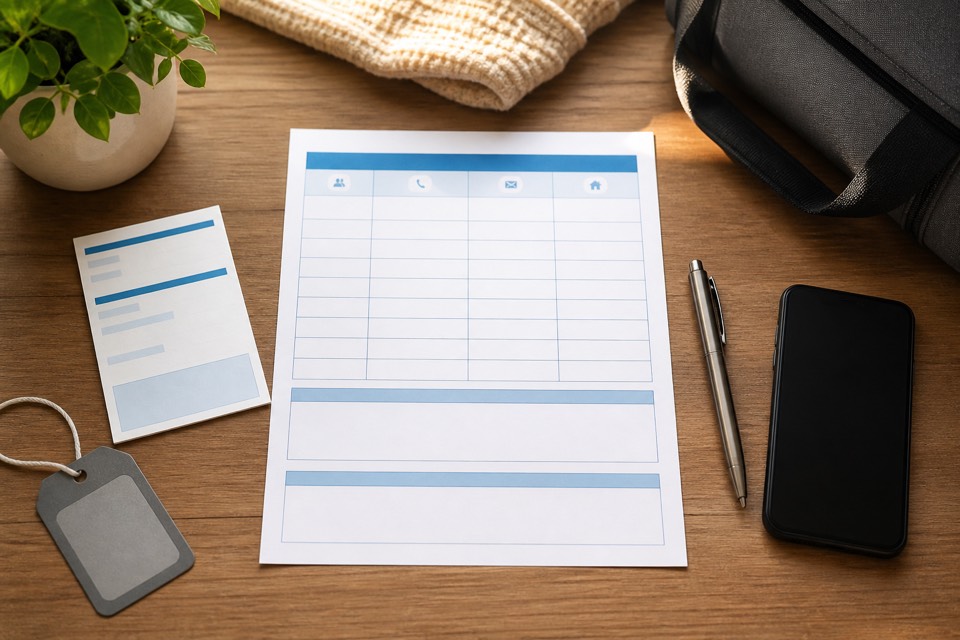
After the handover, give the household a little time to put the documents and contact information in order. The next practical step is usually clearer once the equipment details are written down and everyone knows who to call.
Relevant equipment pages
Explore the exact product information
These links are for model details and availability—not a recommendation that a particular item is suitable for a specific person. Confirm clinical requirements with the treating team before choosing equipment.
Build the wider planning picture
Use the related guides below to move from this specific question to the next practical step. Each article covers a different decision point, so the links support a connected journey rather than repeat the same subject.
Continue within this series
This series is arranged as a connected pathway. After this guide, the next useful narrow topic is Equipment Delivery Delay: Questions to Ask the Provider and Care Team. You can also return to Caregiver Shift Handover Sheet: Equipment Details to Pass On when that question is more relevant.
For a clinical question, new or worsening symptoms, a safety concern or a question about prescribed use, contact the treating healthcare professional. For a delivery, missing part, product fault or handover question, contact the equipment provider and follow the supplied manufacturer instructions.
Before you finish
Write down the equipment model, accessories, manual location, provider phone number and the next agreed action. A short shared record helps families and caregivers stay aligned without making assumptions about clinical care.