
Opening a clinic involves many decisions at once, and equipment orders can easily get ahead of the service plan. A new clinic equipment list should begin with what your team will actually provide, which rooms will be used and who will operate each item. A consultation clinic, a facility with observation beds and a clinic offering procedures will have different requirements.
This guide groups the planning work into 12 categories. It is for doctors, clinic owners, administrators and purchase teams preparing an initial bill of quantities. The categories are planning prompts, not a universal mandatory shopping list or a substitute for local registration requirements.
Quick answer: what equipment does a new clinic need?
Start with the clinic’s approved scope of services, then plan examination furniture, basic assessment devices, privacy, mobility, storage, cleaning and any service-specific equipment. Record quantities, dimensions, accessories, operator requirements and documentation by room. Ask the responsible clinician to approve the final list before requesting a quotation.
These examples serve different clinic functions. Select only the items appropriate to your approved services; a patient monitor is not required for every consultation room.

Define the clinic before choosing the equipment
Write a one-page service brief: speciality, consultation-only or additional services, expected patient profile, opening rooms and staffing. Mark anything planned for a later phase separately. This stops a future possibility from becoming an unnecessary first-day purchase.
India’s Clinical Establishments portal lists different standards for different facility categories, including consultation, diagnostic support and observation. Use the official minimum-standards resources as a starting point, and confirm the applicable requirements with your state or local authority. A supplier’s catalogue is not evidence that a clinic is compliant or licensed for a particular service.
New clinic equipment list: 12 categories to review
1. Consultation and examination furniture
Plan the clinician’s work surface, patient seating and an examination couch appropriate to the service. Review access, cleanable surfaces, stability, working height and patient positioning. A hospital bed should not automatically substitute for an examination couch. Where observation is part of the approved service, assess medical bed options separately, with their mattresses and accessories.
2. Basic clinical assessment devices
The responsible clinician should list the devices needed for routine assessment, such as a stethoscope, thermometer, blood-pressure apparatus and weighing equipment. Specify the patient population, required accessories, measurement range and cleaning instructions. Appropriate cuff sizes and other patient interfaces belong in the order rather than being left for staff to discover after opening.
3. Service-specific diagnostic equipment
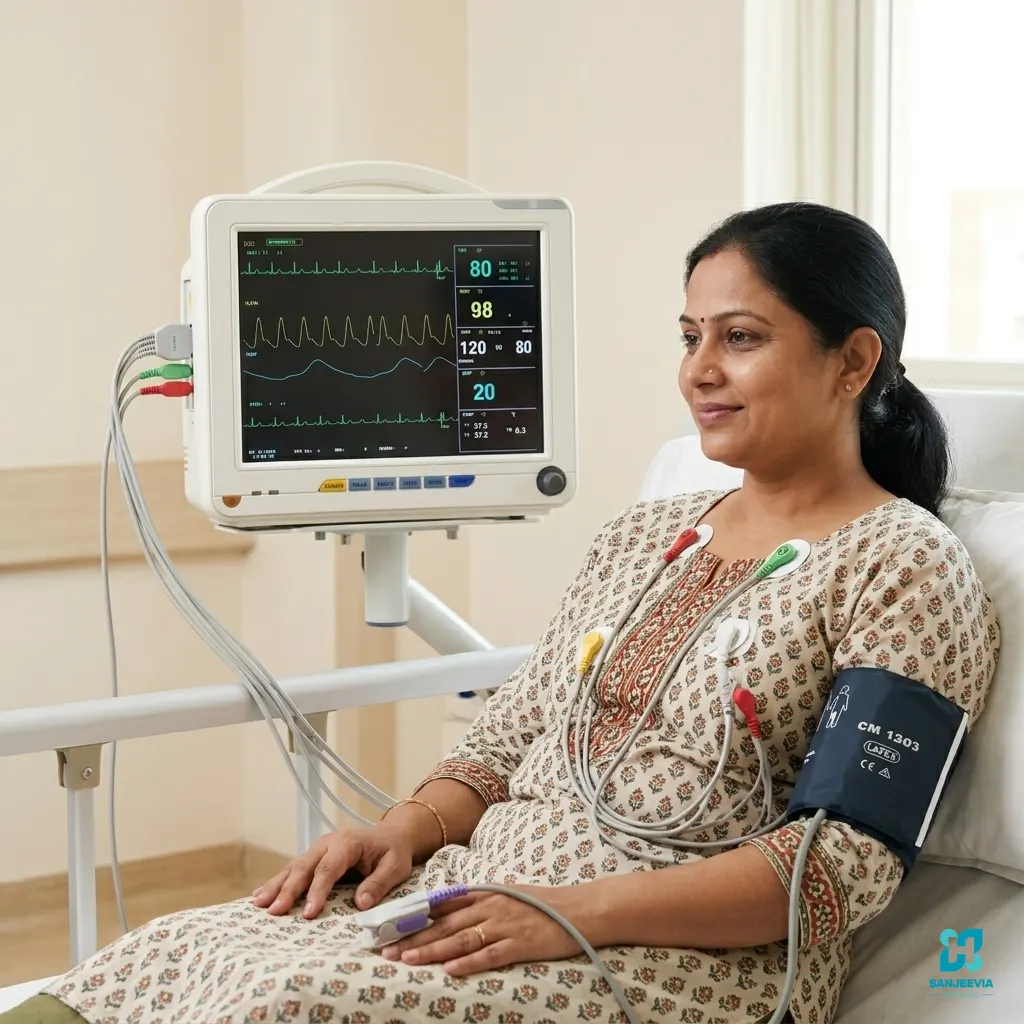
Additional diagnostics depend on what the clinic is authorised and staffed to do. Define the clinical purpose, operator competence, consumables, reporting process and maintenance needs before selecting a device. For a service that needs ongoing parameter monitoring, compare the five-parameter patient monitor against the clinician’s specification. It is a different requirement from routine spot checks and is not an automatic purchase for every clinic.
4. Examination privacy
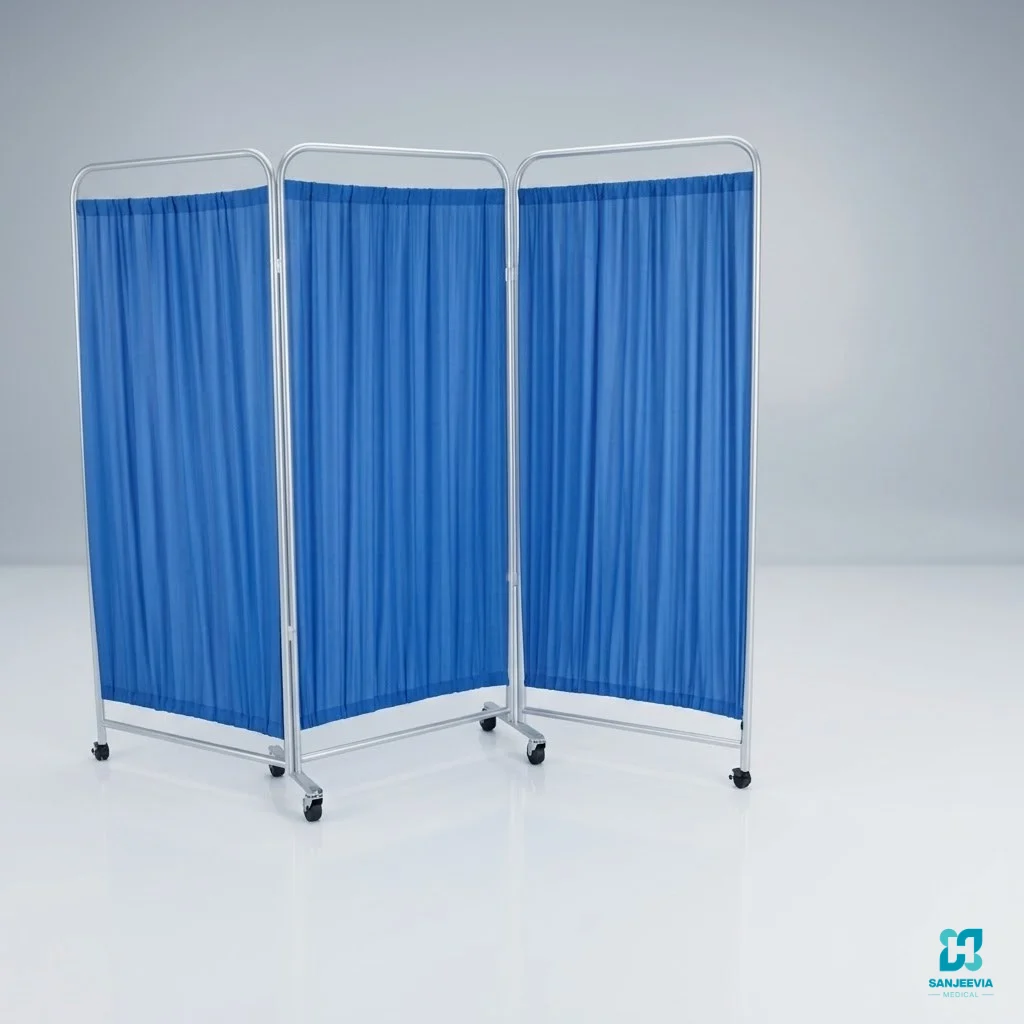
Plan privacy for examination, changing and conversations. A four-panel bedside screen may help divide a suitable area, but it does not provide soundproofing or replace the room layout. Check its footprint, stability, movement and the cleaning arrangements for the curtain or panels. Keep exit routes and staff access clear.
5. Patient mobility and access
Consider how patients with mobility limitations will enter, wait and move between rooms. A standard manual wheelchair can be considered for an assessed mobility requirement, with appropriate staff assistance. Check user size, load rating, brakes, footrests and route clearance. Equipment alone does not resolve stairs, unsuitable entrances or inaccessible toilets.
6. Observation-area beds and accessories
Only include an observation area if it belongs to the clinic’s approved operating plan. Define bed functions, mattress fit, rails, brakes and access for care. Review the Manual Full Fowler Bed as one configuration rather than assuming all beds are interchangeable. Record any IV pole, table or other accessory as a separate included or optional line.
7. Emergency equipment matched to the facility
Have the clinical lead determine emergency readiness for the services, staff and escalation arrangements. Equipment selection must be accompanied by trained users, checking routines and a referral process. If oxygen or suction equipment is required, document the exact specification and accessories; do not copy an emergency package from a different type of facility. Catalogue references include oxygen support and single-jar suction equipment.
8. Procedure instruments and compatible consumables
For any approved procedure, list the instruments, single-use items and reusable accessories required by the clinical protocol. Distinguish the main device from its patient-contact components. Ask who approves compatibility, how stock is replenished and what records are needed. A unit delivered without its required accessories may be physically present but unavailable for the intended service.
9. Cleaning and reprocessing arrangements
Identify what is single-use and what requires cleaning, disinfection or sterilisation. Select any reprocessing equipment through the facility’s infection-control process, with the relevant workflow and trained staff. Manufacturers’ instructions should guide device cleaning. Buying a machine without planning its process, storage and checks does not establish a safe reprocessing system.
10. Storage and organisation
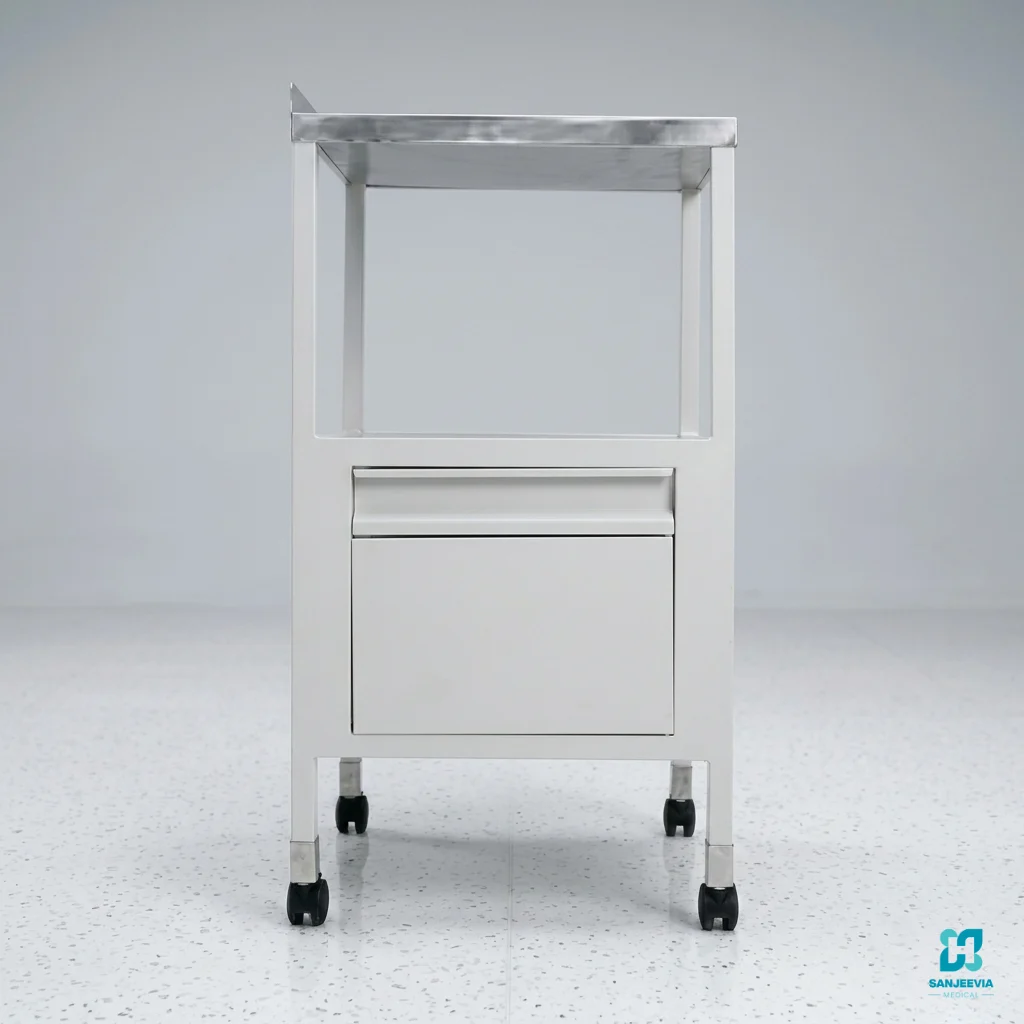
Separate patient-care items, clean supplies, records and anything needing controlled storage. A bedside locker may suit selected room-level storage, but it should not be assumed to satisfy requirements for medicines or specialised materials. Write storage conditions beside those items and arrange the appropriate cabinets or systems.
11. Electrical and installation readiness
For each powered device, obtain the manufacturer’s electrical requirements and ask a qualified person to confirm site suitability. Plan outlet positions, cable routes, permitted backup arrangements and installation space before delivery. Record who is responsible for commissioning. Do not assume that every device can share an extension board or use the same backup supply.
12. Documentation, inspection and asset records
Prepare a receiving sheet covering model, quantity, condition, accessories, serial or asset identification, instructions and warranty contact. Request regulatory documentation applicable to the offered device using current CDSCO resources. Keep a register and a schedule for manufacturer-required maintenance or calibration where applicable.
Turn the 12 categories into a room-wise purchase list
| Planning field | What to record | Why it helps |
|---|---|---|
| Room and service | Where the item will be used and for what task | Connects the purchase to the operating plan |
| Specification | Model or minimum functions, dimensions and patient interfaces | Makes quotations comparable |
| Quantity and phase | Opening requirement and later expansion separately | Avoids premature orders |
| Accessories | Everything included, optional or purchased separately | Reduces incomplete handovers |
| Acceptance | Responsible person, documents and operational checks | Creates a clear receiving process |
Use one approved list when requesting proposals. If an alternative is offered, ask for the differences in writing. Coordinate furniture dimensions with the room plan and confirm powered equipment readiness before accepting a delivery date.
How to send a useful clinic enquiry to Sanjeevia
For institutional or trading requirements across India, send the business name, city, opening stage, item-wise quantities and approved specifications through the Sanjeevia B2B enquiry page. Product availability and serviceability are confirmed for the specific requirement. Include the room plan where dimensions or access affect selection.
Use our B2B procurement checklist to review the offered configuration, and the hospital furniture guide for a larger furniture requirement. Requesting equipment is separate from arranging clinical staff, registration and clinical operating procedures.
Frequently asked questions
Is there one mandatory equipment list for every new clinic?
No single blog list can establish that. Requirements depend on the clinic’s services, category and applicable local rules. The clinical lead and relevant authority should determine the final requirement.
Does a consultation-only clinic need a hospital bed or patient monitor?
Neither should be assumed necessary just because it appears in a catalogue. Select furniture and monitoring equipment according to the actual service and the responsible clinician’s specification.
Can Sanjeevia review a bulk clinic equipment requirement?
Yes. Submit the city, quantities, categories and specifications through the B2B channel. The team will confirm the available options and serviceability for that enquiry.
What should I check when clinic equipment arrives?
Match each item to the approved model and configuration, inspect condition and accessories, and record the documents and asset identification. Complete the required handover or commissioning before putting it into service.
Source links checked on 5 October 2026. This is an equipment-planning guide; confirm clinical and regulatory requirements for your particular facility.
Next Read
Once your room-wise list is ready, use the Medical Equipment Supplier in India: B2B Procurement Checklist to compare proposals and prepare the order.