
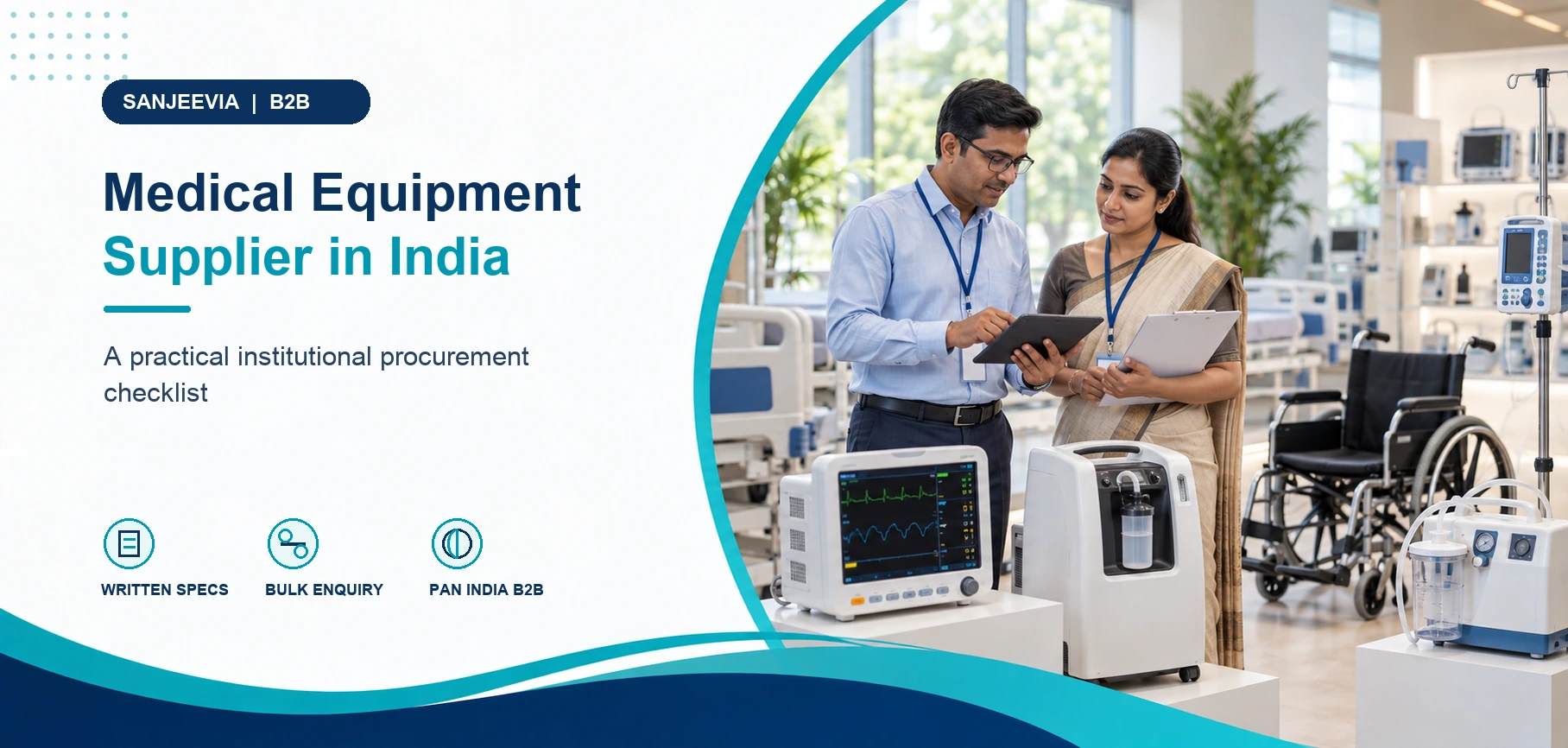
Choosing a medical equipment supplier in India is a procurement decision that should begin with the intended clinical use and end with documented acceptance. Hospitals, clinics, nursing homes, corporate healthcare teams, home-care businesses and medical-equipment traders often need products from several categories at once. A clear process helps the buyer compare like with like and prevents missing accessories, incompatible configurations or unclear support terms.
This B2B checklist explains how to structure a multi-category enquiry. Sanjeevia supports institutional procurement, catalogue sourcing and trader enquiries across India, subject to product availability and confirmed serviceability for each location.
Quick answer: what should a B2B buyer check in a medical equipment supplier?
Check whether the supplier can respond to a written bill of quantities, identify the exact brand and model offered, provide applicable product and regulatory documents, state included accessories, explain warranty and support, and confirm inspection and acceptance terms. Compare quotations only after technical differences have been identified.

Why a multi-category order needs one controlled specification
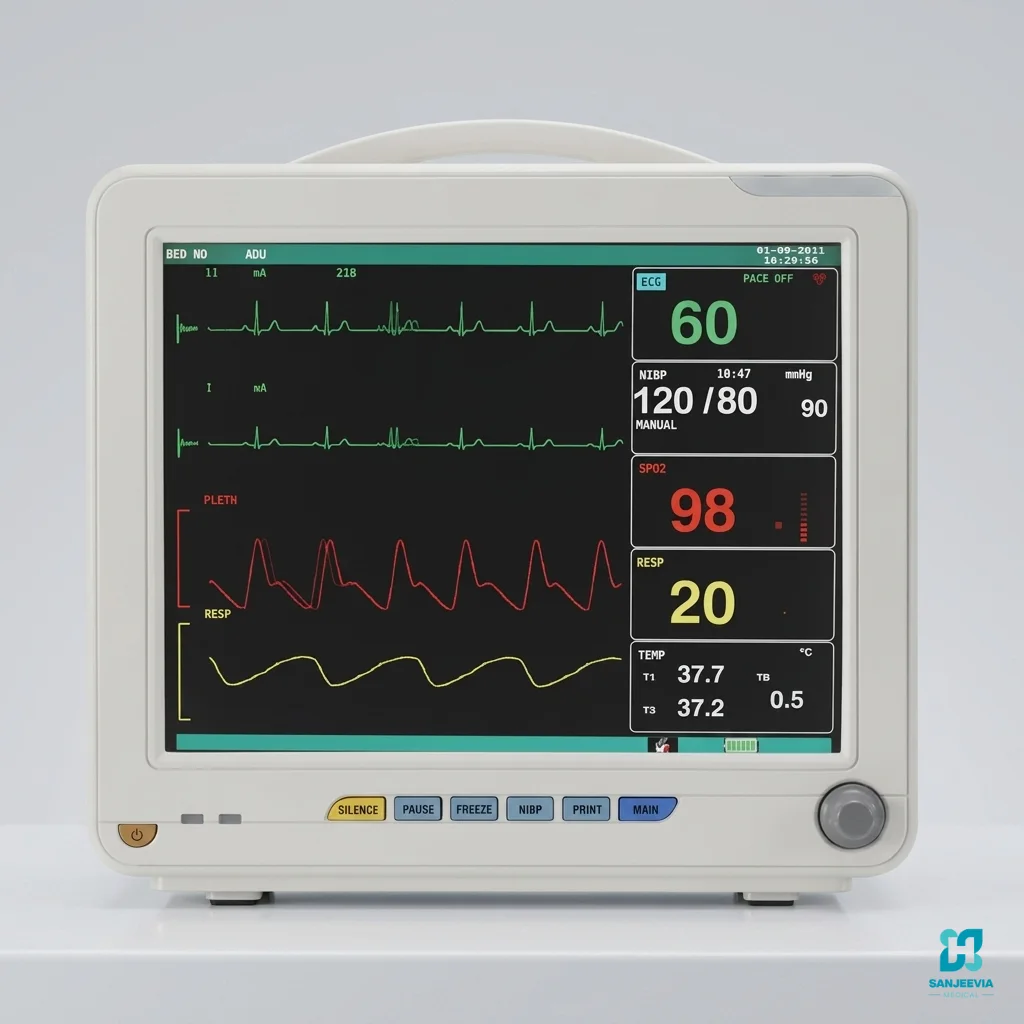
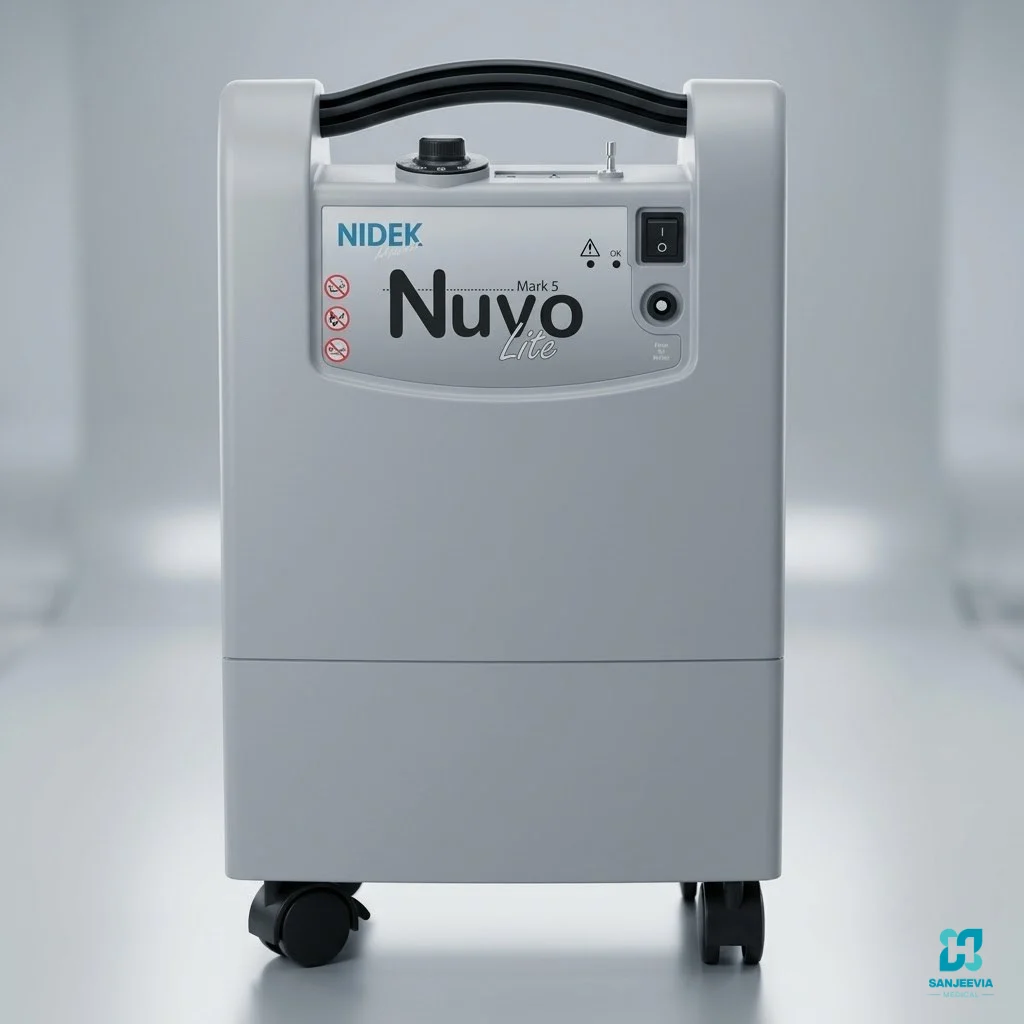
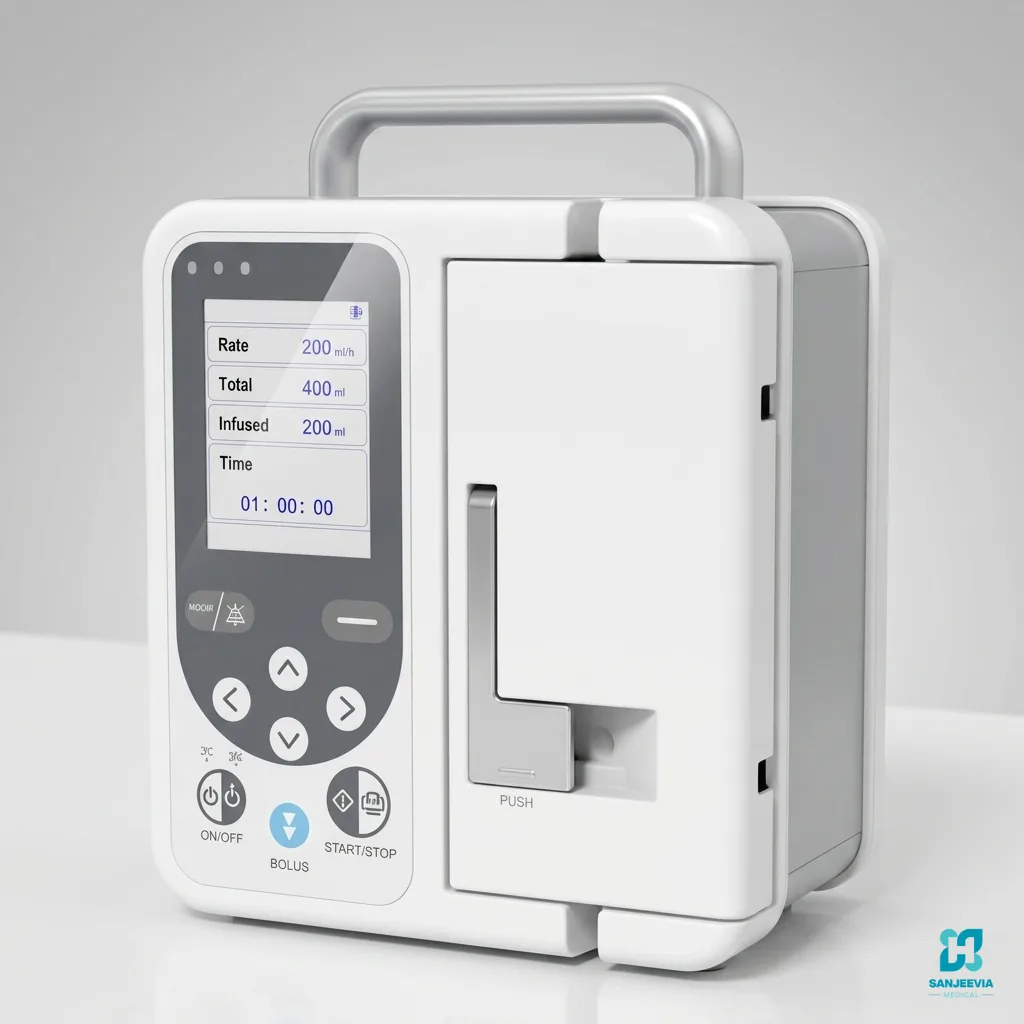
A purchase list can span medical beds, oxygen support, respiratory equipment, patient monitors, infusion devices, suction machines and wheelchairs. Each category has different technical questions, accessories and documentation. A single procurement file should keep those differences visible rather than reducing every line to a product name.
10-point medical equipment procurement checklist
1. Start with the intended use and authorised specification
Record where and how each device will be used and who approved the requirement. For prescribed or clinically sensitive equipment, the treating clinician or authorised biomedical team should determine the necessary therapy or monitoring specification. A supplier can match products to a specification, but should not replace clinical judgement.
2. Create a model-level bill of quantities
For every line, include category, quantity, required parameter or capacity, acceptable brand or equivalent rule, accessories, consumables if relevant, and documentation. When the exact model is not predetermined, state the minimum requirements that every offered option must meet.
3. Ask the supplier to identify the complete configuration
The quotation should identify the offered brand, model and included accessories. For powered equipment, confirm power requirements, battery details where applicable, alarms or displayed parameters, and compatible consumables or patient interfaces. Do not assume that a photograph represents every included component.
4. Verify regulatory status and traceability
India regulates medical devices under the Drugs and Cosmetics Act and Medical Devices Rules, 2017. Classification and applicable licensing can vary by device and intended use. Use current CDSCO medical-device information and ask for the documents applicable to the offered product. Record the manufacturer or importer, model identification and serial or batch traceability as relevant.
5. Check standards by product, not by slogan
A broad statement such as “standards compliant” is not enough. Ask which standard applies to the exact model and request supporting documentation where required by the purchase specification. The Bureau of Indian Standards search can be used to look up Indian Standards by number or product keyword.
6. Separate equipment, accessories and consumables
List reusable equipment separately from accessories and consumables. For example, a monitor may require leads, probes, cuffs and power accessories; an infusion device requires compatible administration components selected under the facility’s protocol. The order should state what is included and what must be sourced separately.
7. Define demonstration, installation and user information
Record the expected site checks, assembly, operational demonstration, manuals and user information. Staff training and clinical competency remain the healthcare facility’s responsibility. For respiratory and therapy equipment, settings must follow the authorised clinical prescription or protocol.
8. Put warranty and service workflow in writing
Ask who receives a fault report, what information must be provided, how troubleshooting is handled, whether the item is serviced on site or elsewhere, and how warranty decisions are documented. Check the spare-part and accessory pathway for the planned period of use.
9. Plan receiving inspection before dispatch
Create an acceptance sheet with model, quantity, visible condition, serial or asset number, included accessories, documents and basic operational checks. For a phased project, use the same sheet for every batch. Report differences promptly and keep photographs that do not include patients.
10. Compare the full offer, not one headline
Evaluate technical compliance, configuration, documentation, warranty, support, serviceability and order schedule together. A lower-specification offer can appear similar until the buyer notices missing accessories or a different model after approval. A compliance table makes those differences visible.
Product groups institutional buyers commonly combine
| Product group | Key questions for the RFQ | Sanjeevia catalogue |
|---|---|---|
| Beds and ward furniture | Functions, load, rails, castors, mattress and accessories | Medical beds and hospital furniture |
| Oxygen support | Required flow or capacity, intended use, accessories and backup plan | Oxygen support |
| Respiratory equipment | Clinician-specified mode, interface, settings responsibility and support | BiPAP, CPAP and ventilator options |
| Monitoring and infusion | Parameters, accessories, alarm needs, compatibility and biomedical approval | Patient monitors and infusion devices |
| Mobility and patient care | User size, load, transfer needs, environment and caregiver use | Wheelchairs and mobility |
A practical RFQ format for hospitals and traders
Send a spreadsheet or structured enquiry with one line per product. Include the delivery city, quantity, intended use, technical specification, preferred model if any, acceptable-equivalent rule, required documents, inspection method and project timeline. If the order supports more than one site, separate quantities and contact details by location.
Ask the supplier to respond with a compliance statement beside every requirement. “Complies,” “does not comply,” and “offered alternative” should be supported by the offered model’s document or specification, not by a general assurance.
Common procurement mistakes
- Requesting a product name without defining function or configuration.
- Comparing offers that include different accessories.
- Using one compliance claim for unrelated product categories.
- Approving a photograph without recording the exact model.
- Leaving installation, demonstration, warranty or receiving checks undefined.
- Assuming that a consumer product page alone is a complete institutional quotation.
How Sanjeevia supports B2B medical equipment enquiries
Sanjeevia’s B2B enquiry channel is intended for hospitals, clinics, corporate healthcare teams, home-care partners and medical-equipment traders. Buyers can submit a bulk purchase, catalogue procurement or institutional requirement and receive a response based on the requested specification and available options.
For Pan India trading enquiries, include the business name, GST details where relevant to the transaction, delivery city, model or category, quantity and required timeline. Sanjeevia will confirm serviceability, configuration and the applicable commercial documentation for the enquiry.
Frequently asked questions
Can Sanjeevia source products from more than one equipment category?
Yes, multi-category enquiries can be reviewed through the B2B process. Each product line still needs a clear technical requirement so suitable options can be matched accurately.
Does Sanjeevia work with medical-equipment traders?
Yes. The B2B programme includes trader and distributor enquiries. Product availability, quantity, location and commercial terms are confirmed for each requirement.
Should a buyer request regulatory documents for every item?
Request the documents applicable to the exact product and its regulatory classification. Requirements can differ, so buyers should use current CDSCO information and their own procurement or compliance process.
Can the supplier choose clinical settings for a device?
No. Therapy settings and clinical use should follow the authorised clinician or healthcare facility protocol. The supplier’s role is to provide the agreed product, documentation and operational information.
Next read
For ward-specific procurement, read 12 checks for choosing a hospital furniture supplier. For bed-focused orders, use the hospital bed dealer and distributor guide.
Need a multi-category institutional quotation? Send your B2B bill of quantities to Sanjeevia with specifications, quantities and delivery city.