
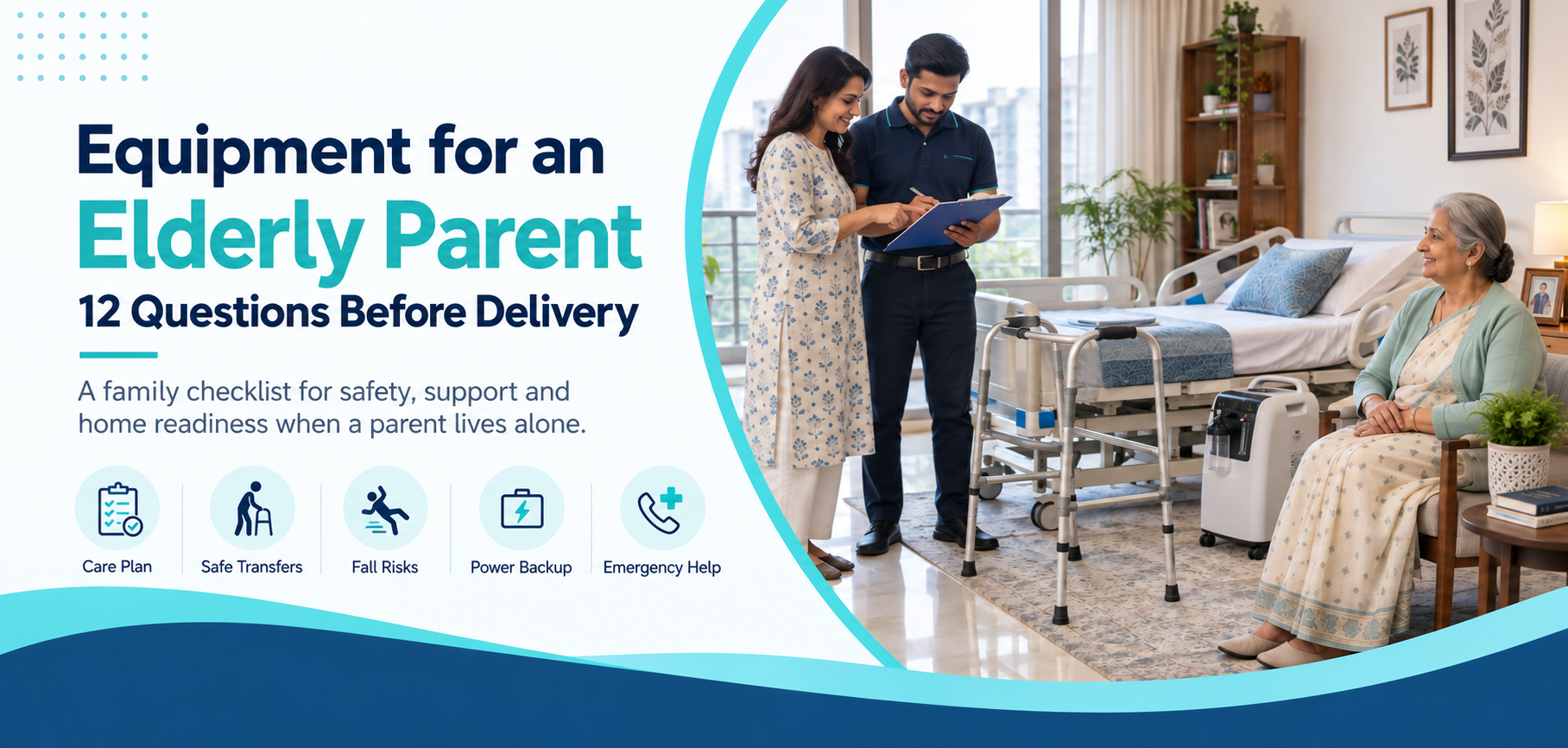
Renting a hospital bed, walker, wheelchair or oxygen device can make home care more manageable, but equipment alone cannot determine whether an elderly parent can safely live alone. The right plan considers the person’s health, mobility, memory, ability to use the device, home layout and access to human help.
Before delivery, families should answer the following 12 questions with the parent, treating team and anyone who will provide day-to-day support. The aim is not to remove independence. It is to identify the support that makes independence safer and more realistic.
Quick answer: can medical equipment make living alone safe?
Equipment may support mobility, positioning, breathing therapy or daily routines when it is correctly selected and used. It does not replace a clinical assessment, a caregiver when one is needed, medication management, emergency planning or regular human contact. If the parent cannot use the equipment reliably or summon help, the family needs a wider care arrangement rather than more equipment alone.
1. Has the treating team said that living alone is appropriate?
Begin with the person, not the product. Ask the treating clinician or discharge team about mobility, transfers, cognition, continence, medication, breathing support and the level of supervision required. A rental provider can explain equipment features, but should not decide whether a patient can live independently or change a medical prescription.
2. What exact task is each item meant to support?
Write a one-line purpose for every device. A walker may support short indoor movement; a wheelchair may be intended for longer transfers; an adjustable bed may support positioning or caregiver access; an oxygen concentrator may deliver a prescribed flow. A clear purpose prevents families from choosing equipment based only on a familiar product name.
3. Can the parent operate it correctly every time?
Consider hand strength, vision, hearing, memory and ability to follow steps under stress. Can the parent use a handset without confusion, apply wheelchair brakes before a transfer, position a walker correctly, recognise an alarm and reach the power switch? A successful demonstration during delivery does not always prove reliable use later. Ask the person to demonstrate the task back in their own words and movements.
4. Who will perform transfers, and how?
Transfers between bed, chair, wheelchair and toilet are common points of difficulty. The family should know whether the parent can transfer independently, needs supervision or needs physical assistance. A physiotherapist or occupational therapist can assess the technique and environment. Do not use furniture, rails or a walker as an improvised lifting aid unless a qualified professional has specifically advised that method.
5. What are the fall risks between the bed, bathroom and entrance?
The World Health Organization identifies older adults as having the greatest risk of death or serious injury from falls, with risk increasing with age. Its falls fact sheet also describes prevention as a combination of assessment, education and environmental or clinical measures.
Walk the real route at the time it will be used. Look for loose rugs, cables, poor lighting, wet surfaces, thresholds, narrow turns and furniture that blocks a walker or wheelchair. Leave adequate space around the bed and equipment. Our home medical equipment room checklist helps families prepare before delivery.
6. Have bed rails been individually assessed?
Bed rails are not a universal fall-prevention solution. They can introduce entrapment, climbing and compatibility risks, especially when the rail, mattress and bed do not match or the user is confused or restless. Review the UK Medicines and Healthcare products Regulatory Agency’s guidance on safe bed-rail management, and ask the treating team for an individual assessment before use.
7. What happens during a power cut or device fault?
List every function that depends on electricity. Ask the clinician what interruption could mean for the patient, and ask the provider what the device does when power is lost. The backup plan may involve a charged phone, a manual function, an alternate device or immediate help from another person, depending on the clinical requirement. Never invent a backup oxygen flow or therapy setting.
8. Can the parent recognise and respond to an alarm?
Ask what each light, sound or display message means and which ones require the provider, caregiver or medical team. Check whether the alarm can be heard from the bathroom or another room. If the parent is likely to silence, unplug or ignore an alarm, that limitation must be part of the care plan.
9. Who will complete the daily visual checks?
Simple observation can identify a loose cable, blocked air inlet, damaged wheel, unlocked brake, unusual sound or missing accessory before it becomes a larger problem. The checks depend on the device and should follow its instructions. Decide who will perform them, where observations will be recorded and whom they will call if something changes.
10. Who can enter the home to help?
A support plan fails if the named person cannot access the building. Decide who holds a key, how a guarded society or apartment building will admit them, and who can receive a technician. Keep privacy and consent in mind: the parent should understand who may enter and why.
11. How will the parent call for help?
Keep a working phone or alert method within reach from the bed and usual chair. Add clearly labelled contacts for family, the care team, emergency services where appropriate and each equipment provider. Test the plan from the actual room. A phone on a distant table is not an emergency plan for someone who cannot stand.
12. When will the plan be reviewed?
Needs can change after discharge, a fall, a medication change or a decline in strength or memory. Choose a review date and reassess earlier if the parent stops using the device correctly, has a near fall, develops skin discomfort, becomes breathless, cannot transfer or repeatedly needs unscheduled help. Contact the appropriate clinician for health changes and the provider for equipment concerns.
A before-delivery checklist for the family
- Written clinical specification or prescription where required
- Clear purpose for every rented item
- Measured doorway, lift, corridor and room space
- Safe placement and accessible power points
- Named person for delivery and demonstration
- Written model, serial number and accessory record
- Support and escalation contacts beside the equipment
- Power-cut and emergency plan understood by the parent
- Scheduled check-in and reassessment date
Equipment families commonly discussed with the care team
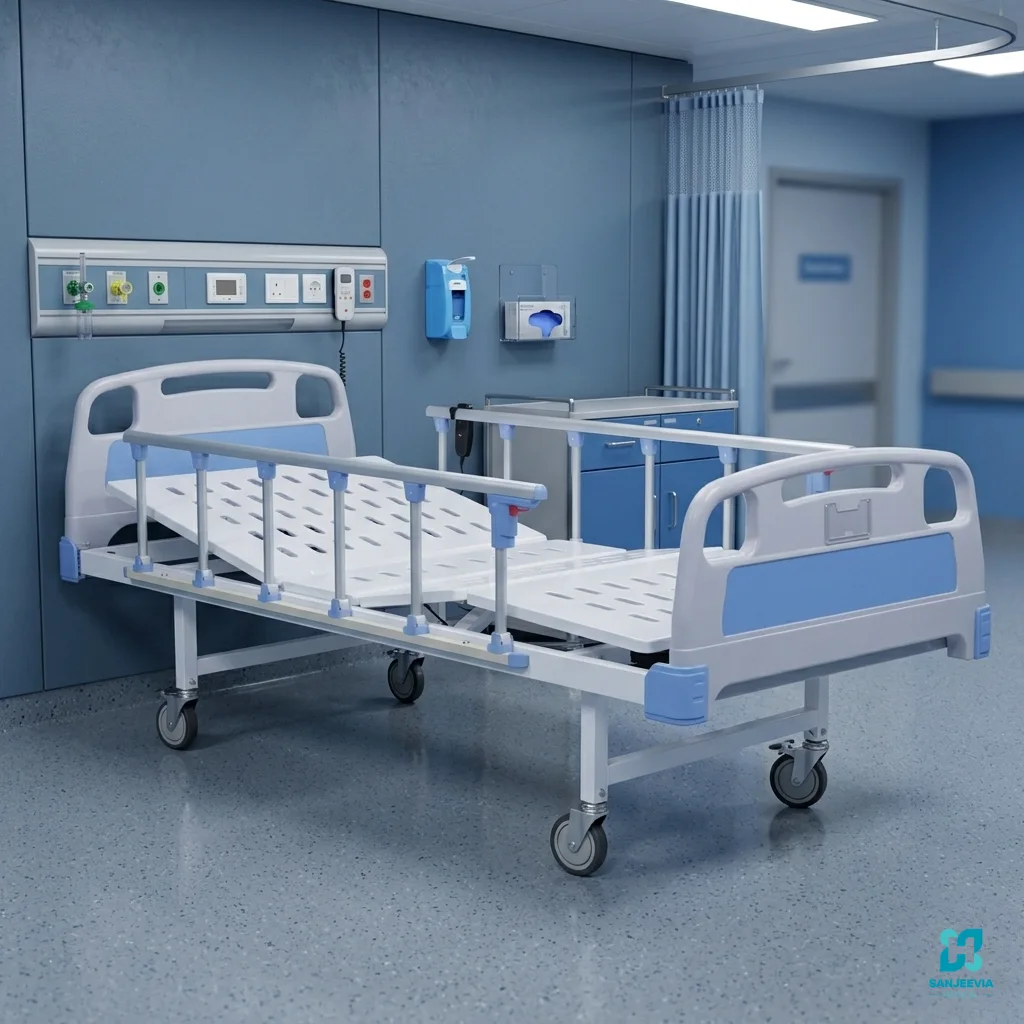
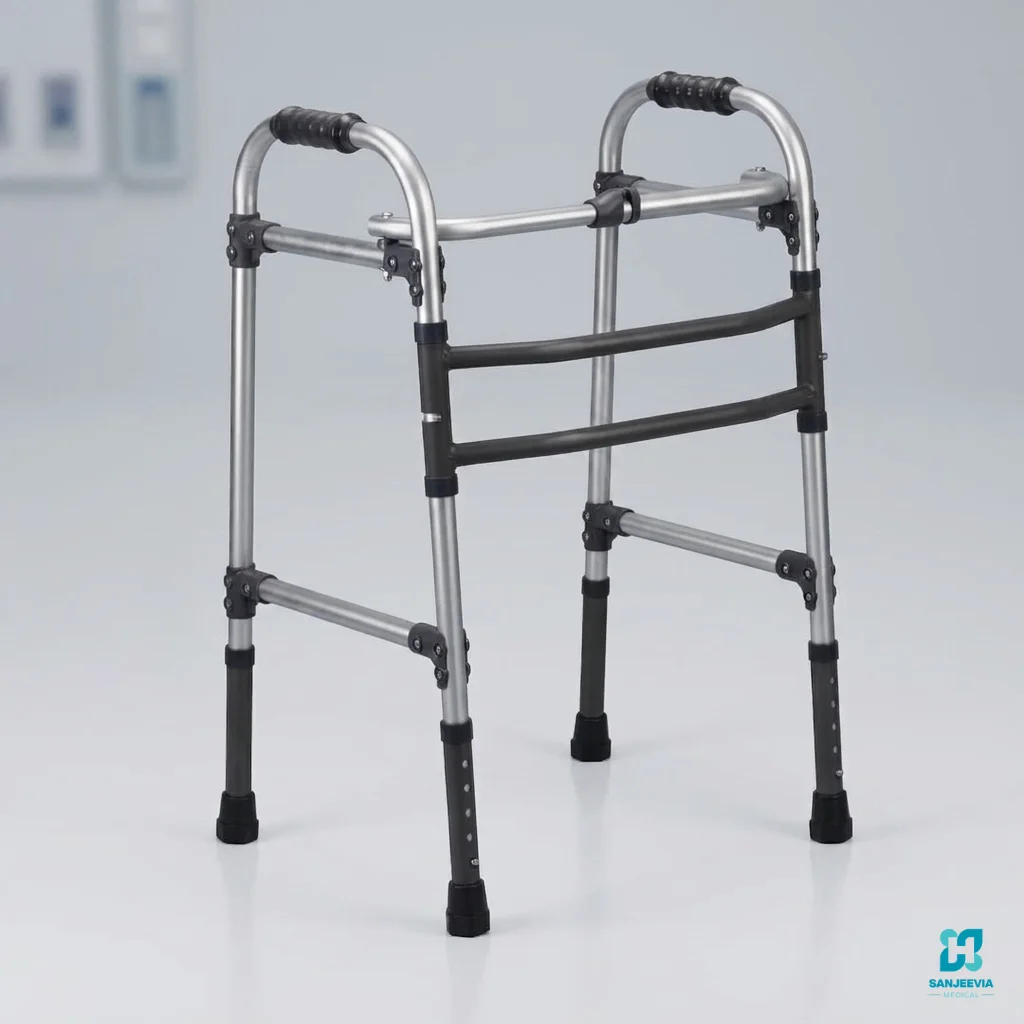
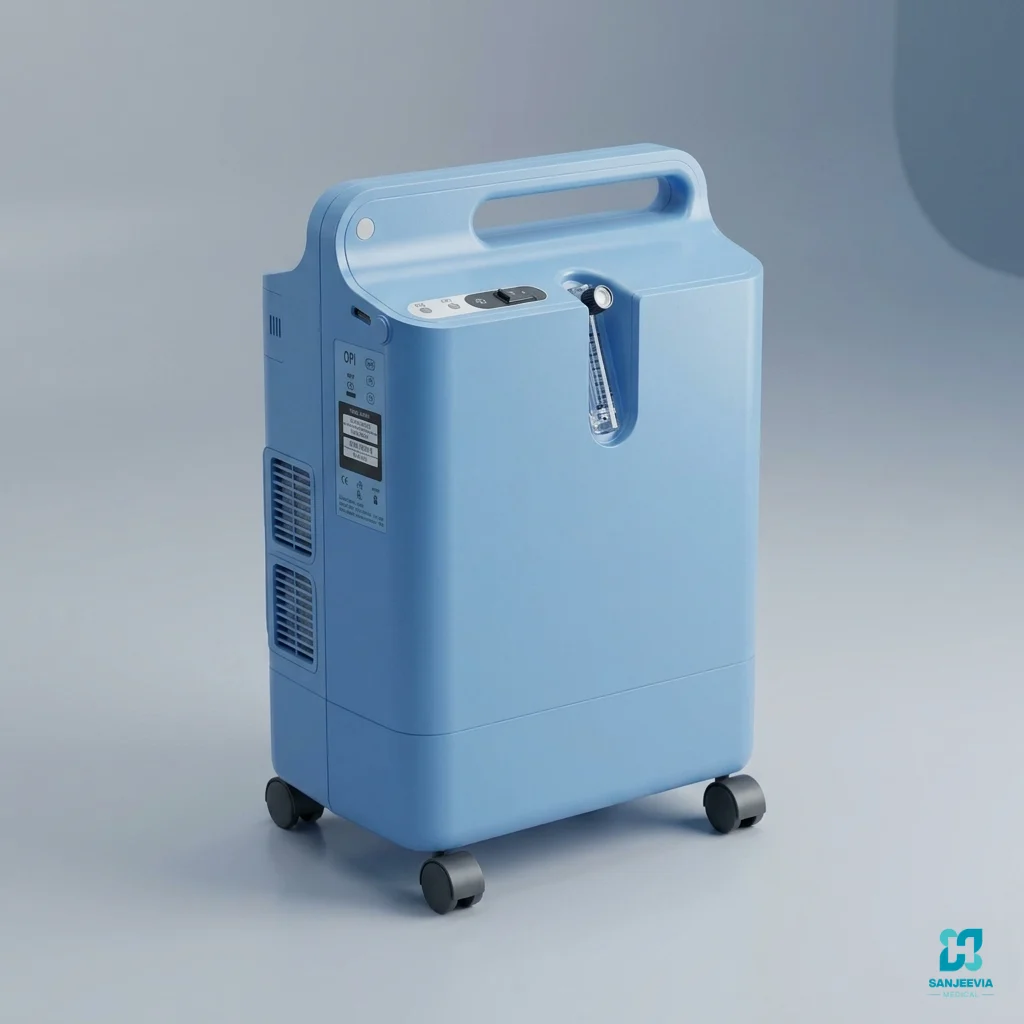
The correct choice depends on the parent’s assessment and the intended task. These product pages help families review dimensions and features before discussing suitability.

How Sanjeevia supports the equipment handover
Families in Delhi NCR can discuss the requested equipment specification, home access and delivery readiness with Sanjeevia. At handover, confirm the model, condition, accessories, operating controls and support contact. For a wider overview, read how Sanjeevia’s rental process works and the guide to medical equipment rental in high-rise apartments.
Frequently asked questions
Which medical equipment is best for an elderly person living alone?
There is no standard bundle. The right item depends on the task, the person’s assessment, their ability to use it and the home environment. Start with the treating team’s recommendation.
Is a hospital bed safer than a normal bed for every senior?
No. An adjustable hospital bed may help with specified positioning or care tasks, but bed height, mattress, rails, transfers and the user’s condition all need consideration. Suitability should be assessed individually.
Can a family rent equipment before hospital discharge?
Families can plan and check availability before discharge, but should confirm the final specification with the discharge or treating team before accepting a model.
What should be kept beside rented medical equipment?
Keep the operating instructions, provider contact, model and serial number, the relevant care-team contact and the agreed emergency or power-cut plan within easy reach.
Health and safety note: This article is a planning guide, not a determination that living alone is safe. Seek individual advice from the treating clinician and appropriate rehabilitation or care professionals. For urgent symptoms or immediate danger, contact the appropriate emergency service.