

You may notice that a parent with Parkinson’s finds one part of the day more difficult than another: turning in a small space, getting comfortable beside the bed or managing everyday objects. Choosing medical equipment for Parkinson’s care at home starts with those specific tasks. The diagnosis alone does not tell a family which walker, wheelchair or bed to rent.
This guide helps you prepare a useful conversation with the treating team and an equipment provider. It covers nine questions about the person, the equipment and the home, rather than offering a universal Parkinson’s package. Keep your loved one’s preferences central to the discussion.
Quick answer: which home equipment is suitable for Parkinson’s?
Start with an individual assessment of the activities that need support. Confirm mobility, transfers, hand controls, toileting and positioning needs with the appropriate healthcare professional. Then check the recommended equipment’s fit, the home route and the help available. Renting an item does not establish that someone can use it independently or replace Parkinson’s treatment.
These items serve different tasks. Parkinson’s does not automatically make a walking frame, wheelchair, commode or hospital bed suitable; confirm the recommendation and exact configuration first.

Medical equipment for Parkinson’s care at home: 9 rental questions
1. What task are we trying to make possible?
Write the difficulty in plain language: getting from the bedroom to the bathroom, sitting for an outing or reaching items beside the bed. Note where it occurs, what assistance is already used and what the person wants to keep doing. That record is more useful than beginning with a list of products you have seen online.
Parkinson’s UK’s equipment guidance stresses that needs and preferences differ between people. Use its overview to prepare questions, while arranging assessment and services locally in India. Do not assume that its UK funding or referral arrangements apply here.
2. Has the recommended mobility aid been assessed for this person?
Tell the physiotherapist about turning, doorways, balance concerns and any episodes when starting or continuing a step becomes difficult. Ask which aid, if any, is appropriate and what help is needed to use it. This article does not prescribe walking techniques or a particular type of frame for Parkinson’s.
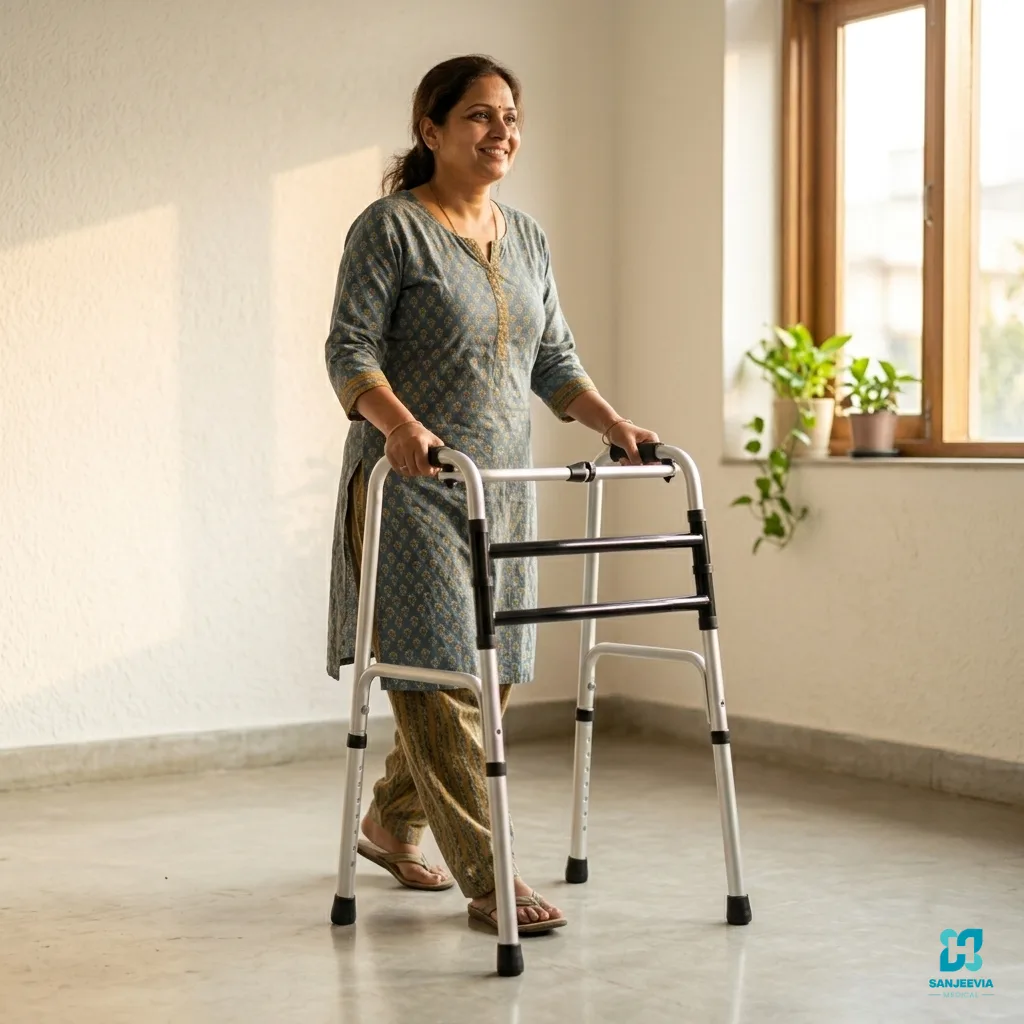
The Parkinson’s UK mobility-equipment guide recommends physiotherapy assessment when mobility or balance changes. If a Walker / Zimmer Frame has been recommended, compare its exact design and adjustment range with that recommendation. A non-wheeled frame and a wheeled aid are different devices, not automatic substitutes.
3. Can the person manage the handles, brakes and controls?
A device may look suitable but have a handle, latch or control that is difficult for the person to operate. Discuss grip, stiffness, tremor and any practical difficulty noticed during the assessment. Ask for a demonstration of the actual model, including who is expected to make adjustments.
If a caregiver will operate part of the equipment, record that arrangement clearly. With a manual wheelchair, for example, confirm whether movement will be self-propelled or assisted. Do not equate having large rear wheels with being able to propel the chair. If the controls cannot be managed as intended, ask about a suitable alternative rather than improvising a modification.
4. Is a wheelchair needed for some activities, and does it fit?
Explain the proposed use: a hospital appointment, movement through the home or a longer outing. Record who will assist and where the chair must pass. Ask the assessor about seating, foot support, transfer requirements and any additional support needed for the expected sitting duration.
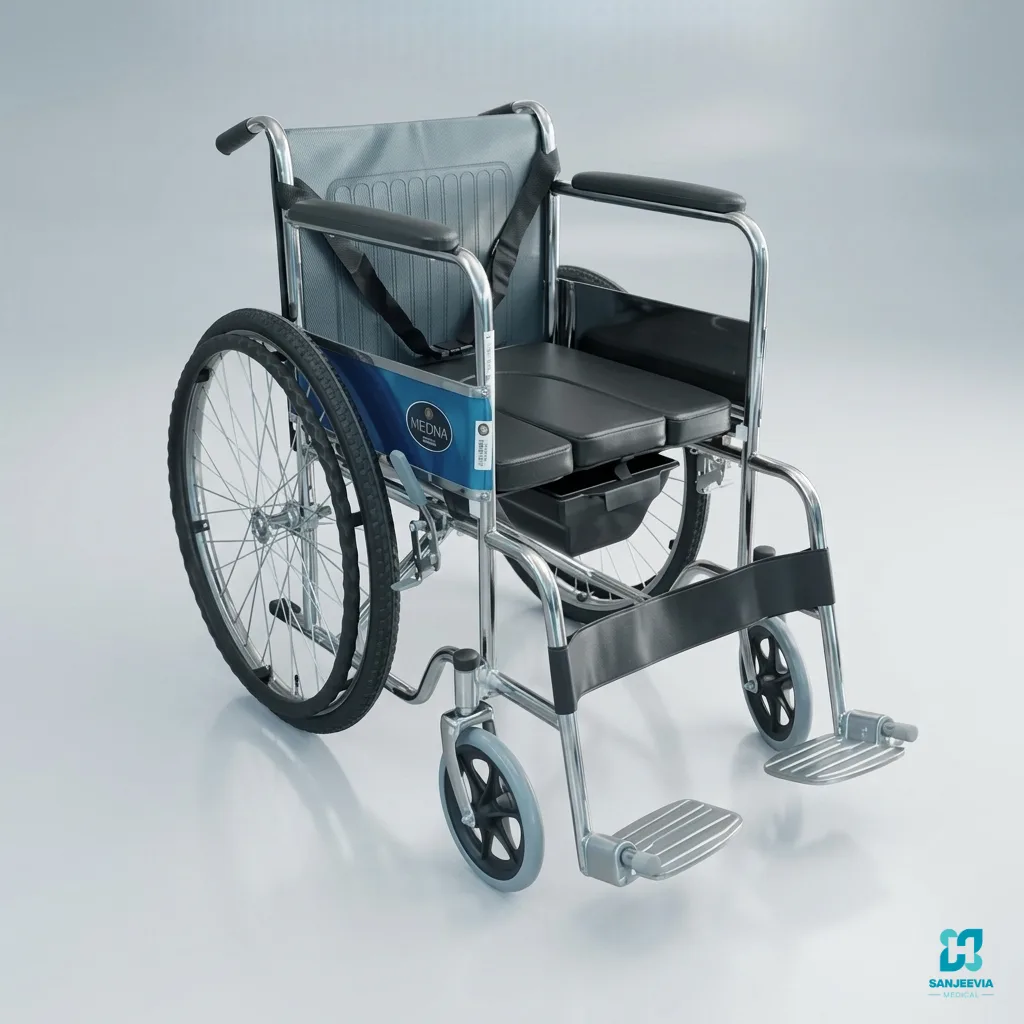
The catalogue’s standard wheelchair currently lists an 18-inch seat and a maximum user weight of 100 kg. Those figures do not prove that it suits a particular person. Confirm the supplied model and all relevant fit requirements before booking. Our wheelchair size and doorway guide helps families prepare the measurements for that discussion.
5. What arrangement is needed for toileting?
Review the bathroom route, toilet access, privacy and assistance needed at the times the person uses it. Ask the occupational therapist whether the existing bathroom arrangement can be adapted or whether a different seated-toileting option should be considered. Do not select a commode solely because the bathroom feels far away.
If a commode wheelchair is recommended, confirm seat fit, transfer arrangements, included accessories and cleaning instructions. Check whether it can be used in the intended location. A commode wheelchair should not be treated as a shower chair unless the exact model is approved for that use.
6. Does the bed need to change, or does the task need a different solution?
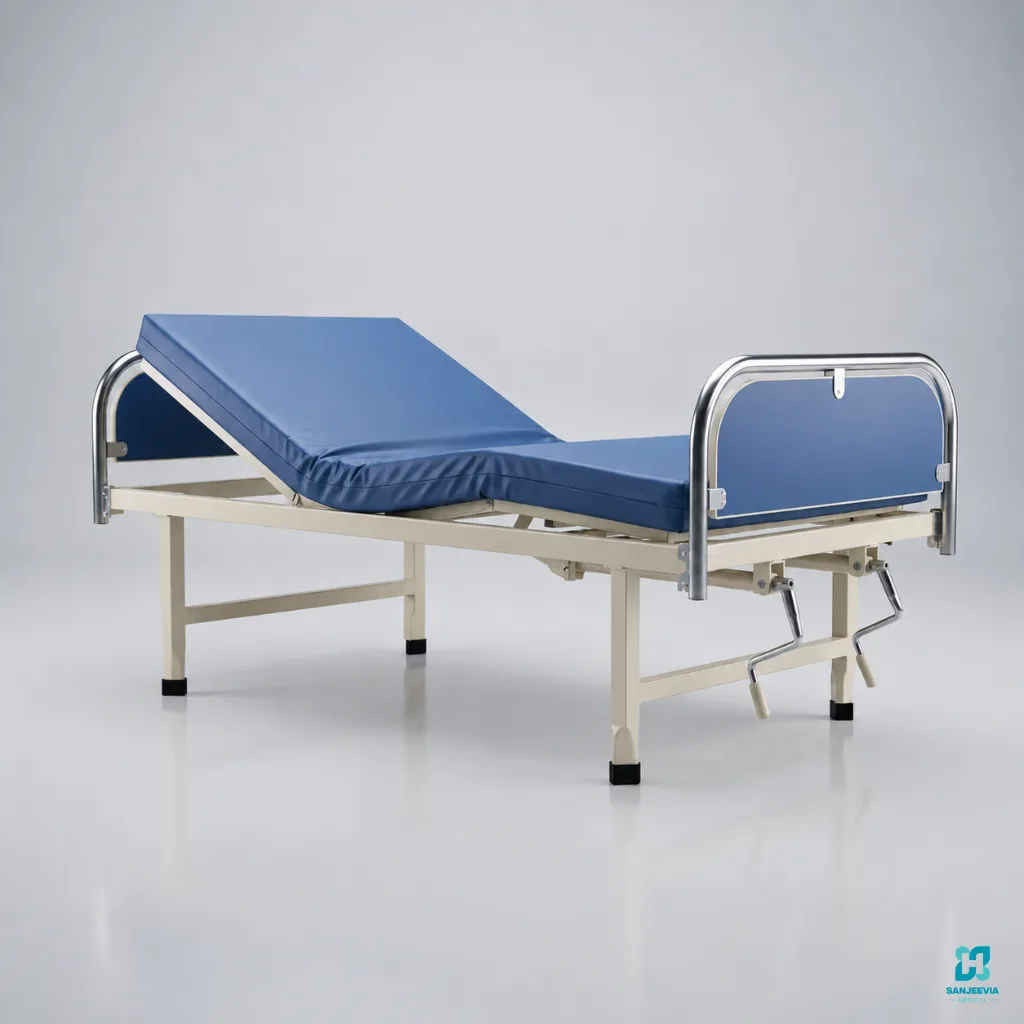
Describe the particular difficulty with the existing bed. Ask whether an adjustable bed is needed for positioning or care, and which functions are required. A Manual Full Fowler Bed is one configuration to compare, not a default recommendation for Parkinson’s. Check who can operate its crank controls and how the mattress and surrounding space fit the plan.
Bed rails require a separate risk assessment. The MHRA’s bed-rail safety guidance describes hazards involving the person, mattress, bed and rail combination. Rails are not a general answer to difficulty getting out of bed or a means of restraining someone. Do not fit unrelated accessories or fill gaps with improvised materials.
7. Does the home layout work at the times help is needed?
Walk through the intended route with the measurements in hand. Include door openings, turns, lift access, bathroom access and room for the assisting person. Note furniture and cables that would compete for that space. Measure the complete device, not just its seat or mattress.
Use the room-preparation guide to record the practical details. Tell the assessing professional if tasks vary at different times of day so the plan reflects the actual routine. Do not change medicine timing to fit delivery or equipment use; medication questions belong with the treating team.
8. Who will receive the equipment and learn its use?
Name the person who will attend the handover, keep the instructions and pass agreed information to other helpers. Request a demonstration of the supplied controls, brakes, folding parts and user checks. Keep the model and accessories recorded so support requests refer to the correct item.
Occupational therapy for Parkinson’s focuses on everyday activities and adaptations. A product handover has a different purpose. It does not replace a clinical assessment or training in transfers. Our caregiver checklist can help organise contacts and written instructions.
9. When should the arrangement be reviewed?
Agree a review plan with the care team. Note changes in the task, assistance, seating or ability to manage a control, and report them rather than assuming the original choice remains suitable indefinitely. A new health concern requires clinical advice, not just a different rental item.
For an equipment fault, contact the provider and follow the support instructions. Keep the clinical contact and equipment-support contact separate. Once an updated requirement has been confirmed, use our extension, exchange and return guide to plan the administrative next step.
Prepare a task-led equipment enquiry
| Record | Useful detail |
|---|---|
| The task | What is difficult, where and when |
| The recommendation | Device, functions, fit and assistance required |
| The space | Room, doorway, lift and bathroom measurements |
| The helper | Who attends handover and operates each control |
| The review | Clinical follow-up and equipment-support contacts |
Share the assessed requirement and location through Sanjeevia’s equipment enquiry page to confirm available rental options in Delhi NCR. Ask the team to confirm the model and included accessories. Arrange Parkinson’s treatment, clinical assessment and any necessary caregiving separately through the appropriate professionals.
Frequently asked questions
Is there a standard medical-equipment package for Parkinson’s?
No. Different people need support for different tasks. Equipment should follow individual assessment and the person’s preferences, not the diagnosis alone.
Is a walking frame always better than a wheelchair?
They serve different mobility needs. The appropriate professional should assess the task, the person and the help available before recommending either.
Does Parkinson’s mean we need a hospital bed?
No. Discuss the specific positioning or caregiving requirement. Ask which bed functions, if any, are needed before selecting a model.
Can we rent equipment first and arrange assessment later?
For equipment whose suitability depends on mobility, transfer or positioning needs, clarify those needs first. A delivery demonstration cannot determine the clinical requirement.
Source links checked on 6 October 2026. This guide supports equipment planning and does not replace individual clinical assessment or treatment.
Next Read
Once an equipment recommendation is agreed, use How to Prepare a Room for Medical Equipment at Home Safely to plan the space and handover.