
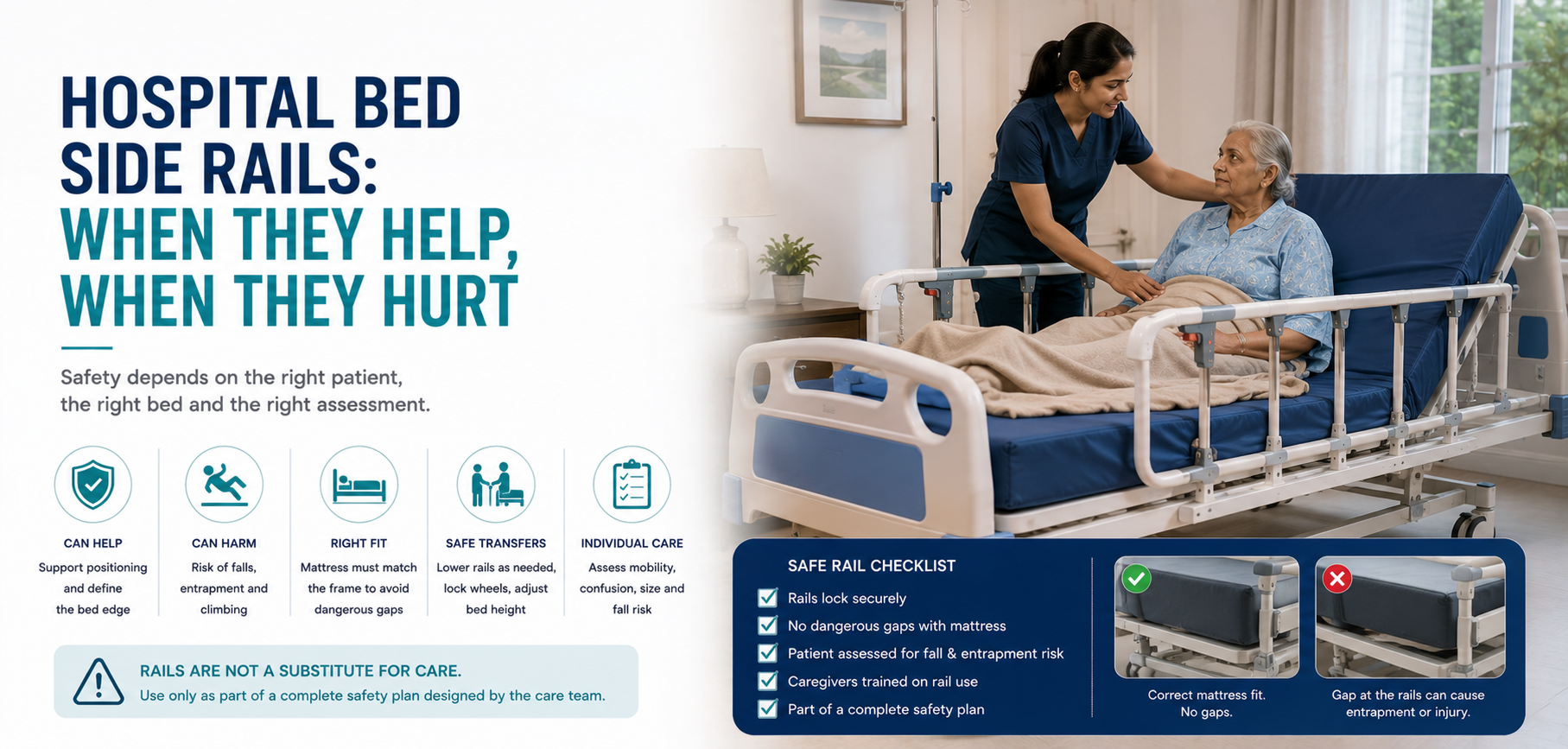
Side rails are not automatically protective for every patient. They may assist positioning or define the bed edge, but inappropriate rail use can create climbing, trapping or transfer risks. The care team should assess the individual patient.
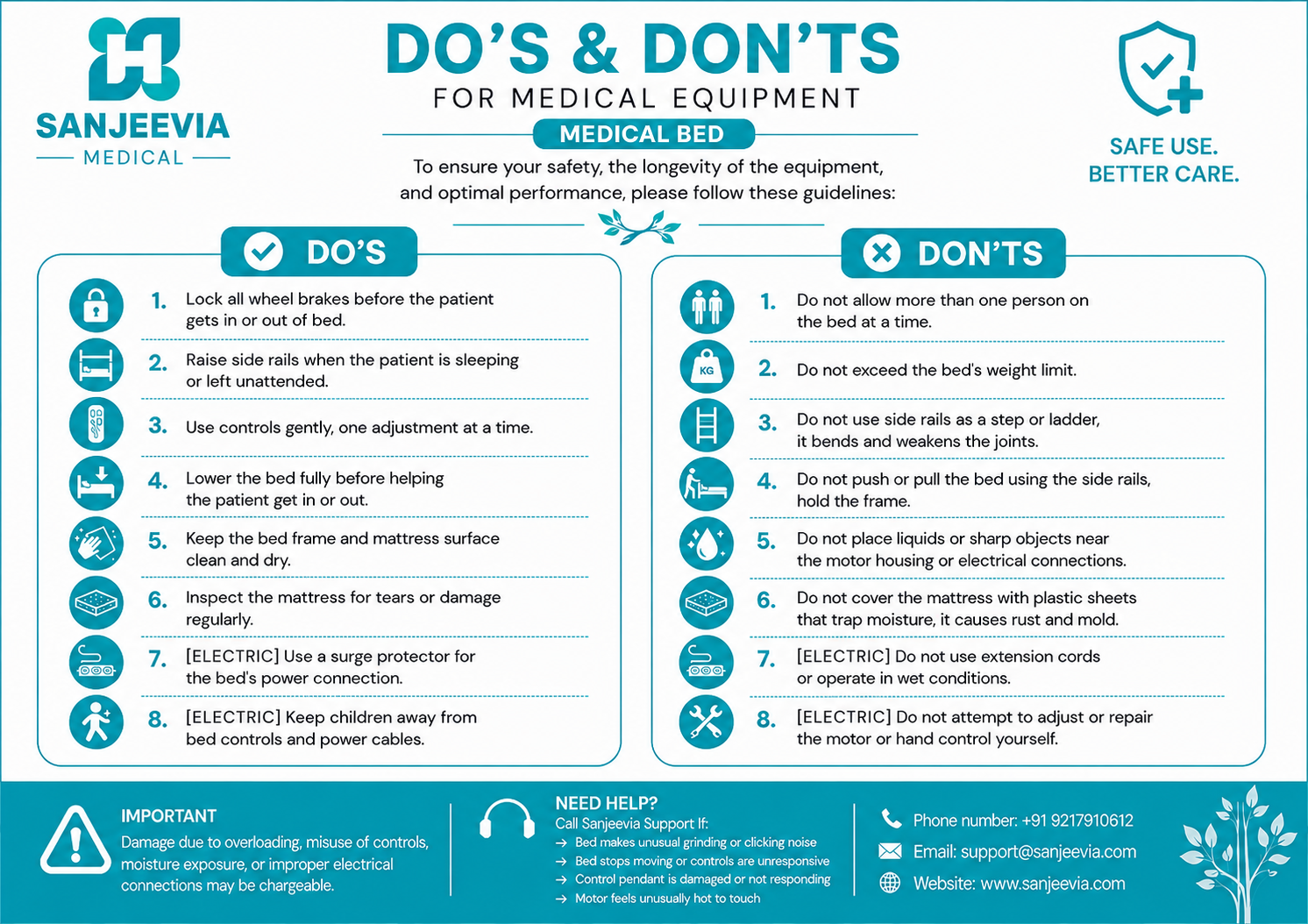
“Please give us the bed with the highest rails so my mother cannot fall.” The request comes from genuine fear, but taller or more rails are not always safer. Confusion, agitation, body size, mobility and the gap between the mattress and rail all matter.
At a Glance
- Side rails should be an individual care decision, not a default restraint.
- The mattress must fit the frame so dangerous gaps are not created.
- Caregivers must know how the rails lock, lower and interact with transfers.
Why Rails Can Help—and Why They Can Harm
A rail may provide a handhold for repositioning or reduce accidental rolling for a particular patient. But a person who tries to climb over it may fall from a greater height. Limbs, the head or medical tubing may also become trapped in gaps.
Extra pillows, loose bumpers or a wrong-size mattress can change those gaps. Do not add improvised accessories without professional guidance.
Check the Patient, Mattress and Frame Together
The same rail can present different risks for a small, frail person and a larger adult. Check whether the patient is confused, restless, able to call for help and likely to attempt an unassisted transfer.
Confirm that the mattress is intended for that bed frame, lies flat and does not leave a wide space at the head, foot or rail. Recheck after an air mattress is added because its shape changes during inflation cycles.
Build a Safer Transfer Routine
Lower the appropriate rail only when the transfer plan requires it, lock the castors and clear footrests, tables and cables. Raise or lower the bed to the therapist-recommended transfer height if the model allows.
Do not use a raised rail as the only fall-prevention plan. Lighting, call access, supervision, toileting schedules and bed-height decisions may be equally important.
Questions to Confirm Before You Arrange the Equipment
- Has the patient been assessed for falls and entrapment risk?
- Does the mattress match the frame size?
- Do all rail locks engage firmly?
- Can the caregiver lower each rail without reaching across the patient?
- Is the patient likely to climb over the rail?
- Are tubes, catheters or oxygen lines kept clear?
Frequently Asked Questions
Should all four rails remain raised?
Not automatically. The care team should decide based on the individual patient and intended care activity.
Can rails replace caregiver supervision?
No. Rails do not prevent every fall and can introduce other hazards.
Are rail covers recommended?
Only use accessories assessed as compatible and clinically appropriate. Improvised covers can create new trapping or suffocation risks.
What should we do if a rail does not lock?
Stop relying on that rail, keep the patient supervised as needed and contact the equipment provider promptly.
Need Help Choosing a Medical Bed in Delhi NCR?
Keep the discharge summary or clinician’s instructions ready, then compare Sanjeevia’s medical-bed options. Confirm current availability, exact functions, accessories, delivery access, rental terms and demonstration before booking.
Related Guidance and Equipment
These links connect the patient’s positioning and transfer needs with the most relevant bed guidance and exact product specifications.
Continue Reading
- How to Choose the Right Hospital Bed for Home — compare Semi Fowler, Full Fowler and electric-bed functions.
- How to Set Up a Hospital Bed at Home Safely — prepare the room, access route and caregiver space.
Relevant Product Pages
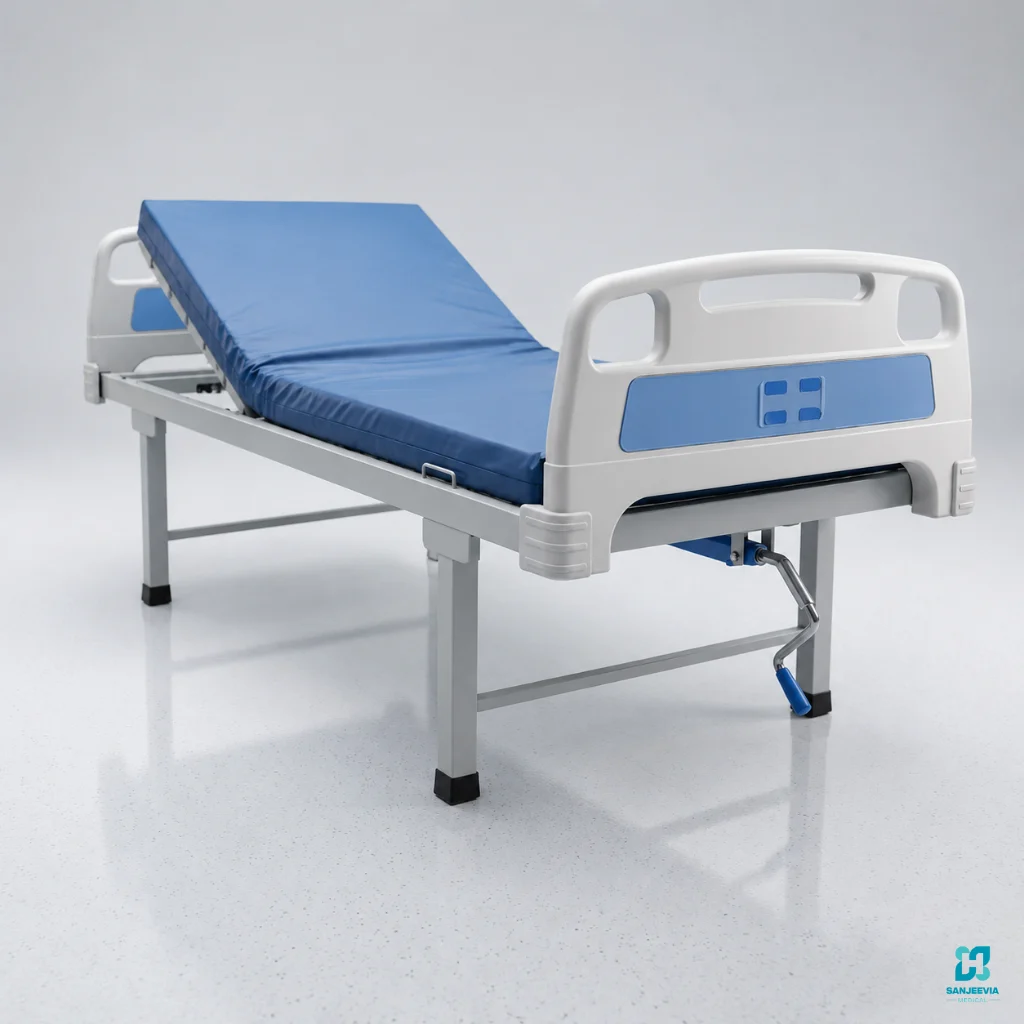
- Recliner Bed with Side Rails — compare a recliner-style bed supplied with side rails.
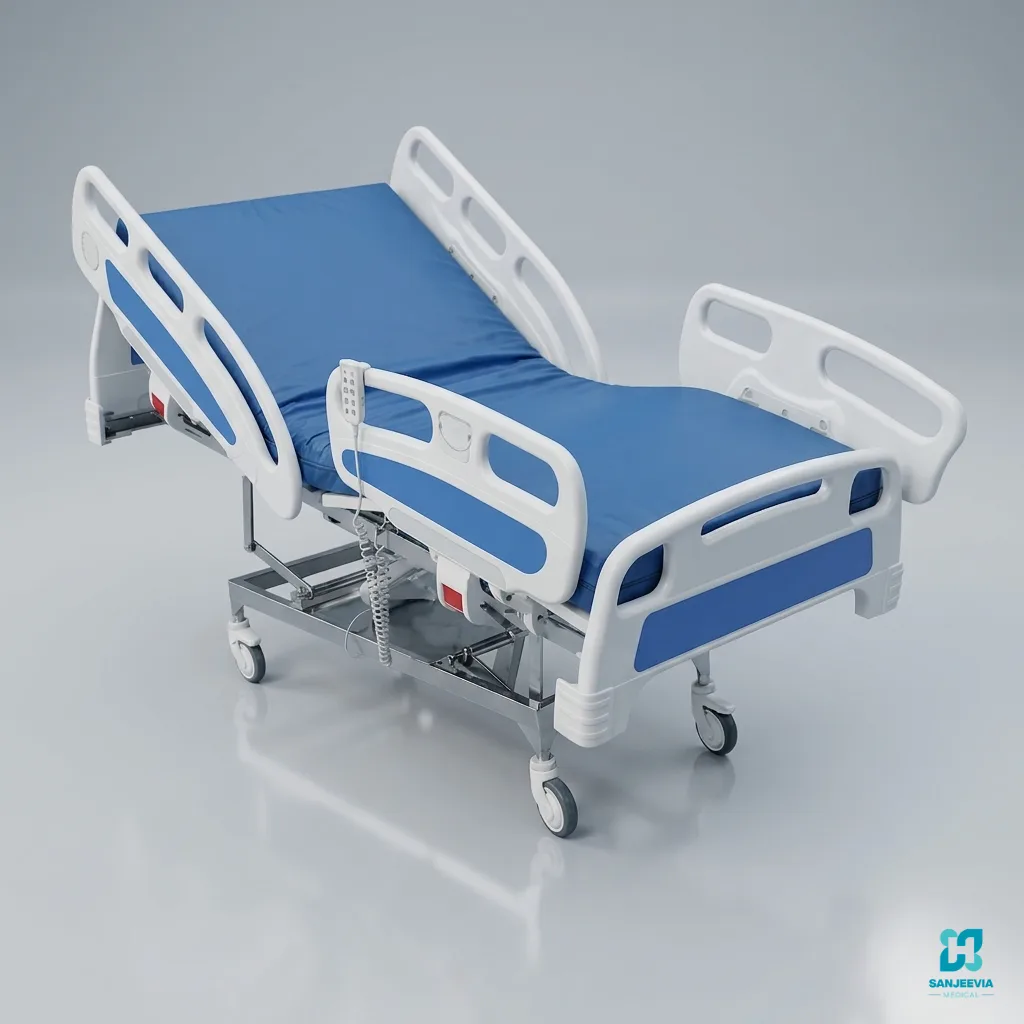
- 3-Function Electric Hospital Bed — review backrest, knee-rest and height-adjustment specifications.
Medical disclaimer: This article provides general information and is not medical advice. Bed type, positioning, transfer technique and side-rail use should follow the treating doctor, nurse, physiotherapist or occupational therapist’s instructions.


Published by Sanjeevia Medical | Home-care equipment guidance for Delhi NCR