
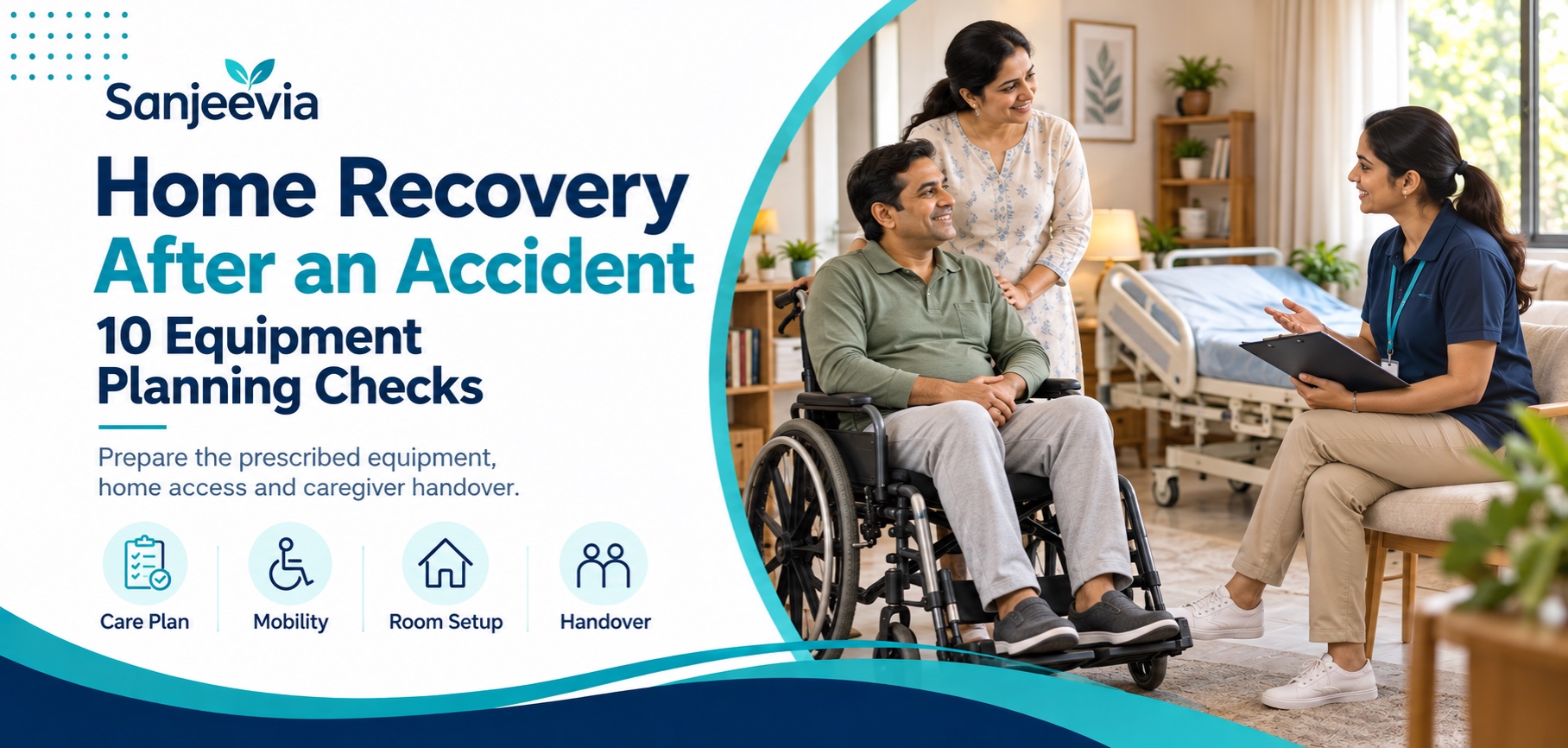
After a major accident, the move from hospital to home can leave a family with several practical questions at once. Where will your loved one sleep? How will they reach the toilet? Can the recommended wheelchair enter the room? Home recovery after a major accident is easier to organise when those questions are turned into a written equipment plan before discharge.
This checklist is for families whose treating team has determined that home care is appropriate. It focuses on arranging the recommended equipment and handover. Injuries differ, so it does not prescribe exercises, movement, positioning, weight bearing or a recovery timetable.
Quick answer: how should families plan equipment after an accident?
Use the discharge team’s written instructions to identify the required bed, mattress, mobility aid, toileting support and any prescribed devices. Confirm movement restrictions, assistance needs, home access and caregiver training before booking. Then record the exact equipment, accessories, demonstration, support contact and clinical review plan. There is no single equipment package suitable for every accident.
Use the treating team’s written requirement to select equipment. A walker, wheelchair or adjustable bed is not suitable for every injury or stage of recovery.

10 equipment checks for home recovery after a major accident
1. Obtain a clear discharge and rehabilitation requirement
Ask the treating team to identify which tasks the patient can perform, which need assistance and which are restricted. Record required equipment in plain language, with size or model-specific requirements where necessary. Include follow-up contacts and the date the plan will next be reviewed.
The WHO describes rehabilitation as person-centred, with support selected around an individual’s goals and needs. Two people injured in similar accidents may therefore need different arrangements. Use our hospital discharge equipment checklist to organise the practical questions without replacing the clinical plan.
2. Confirm movement and weight-bearing instructions before choosing an aid
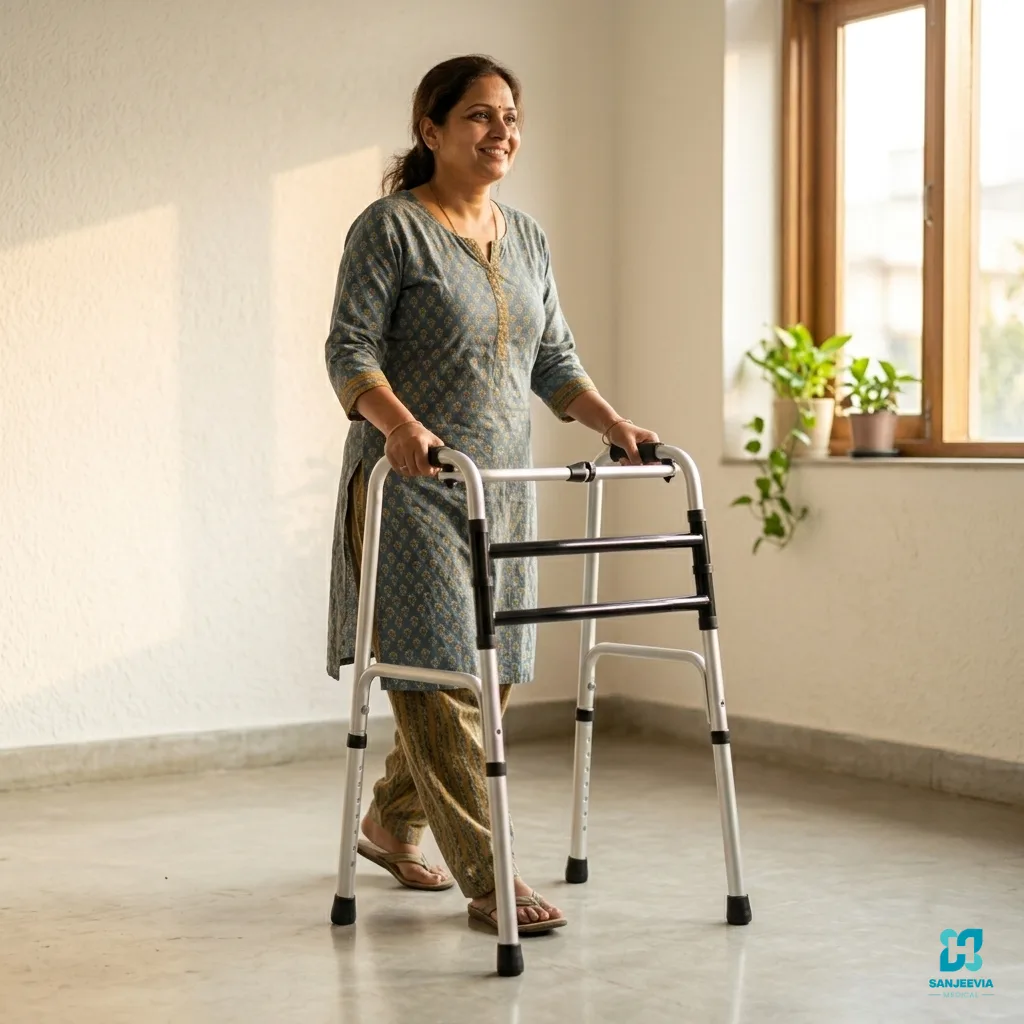
Ask what movements are permitted, what assistance is needed and whether there are restrictions on using the injured limb. Request clarification if an instruction is unclear. The arm strength, balance and coordination needed to use a walking aid also need professional consideration, especially when more than one body area is injured.
A walker or Zimmer frame is not automatically appropriate for someone with a leg injury. A manual wheelchair may meet a different assessed requirement. Do not progress from one to the other based only on comfort or advice from a product seller.
3. Match the bed to the actual positioning and care tasks
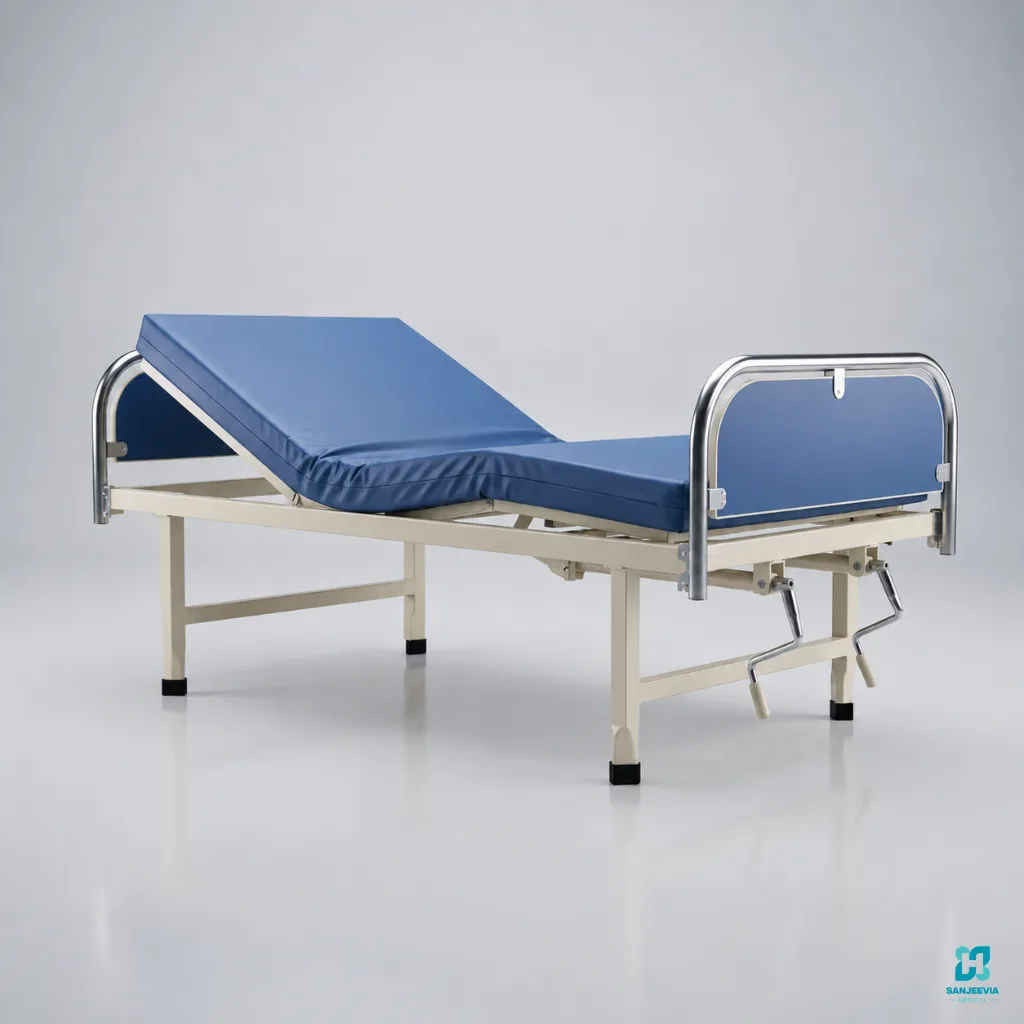
Ask whether the existing bed can support the agreed care plan or whether an adjustable medical bed is recommended. Record the adjustments needed, the permitted positioning and the access caregivers require. Check who will operate the bed and whether manual controls are practical for the household.
Compare a Manual Full Fowler Bed or other hospital bed options only against that requirement. An adjustable bed is not permission to change prescribed positioning. Our existing hospital bed after a major accident guide covers the bed-specific discussion in more detail.
4. Confirm mattress fit, skin-care needs and rail suitability
Check that the chosen mattress matches the bed manufacturer’s requirements and moves correctly with the deck. Ask the care team whether additional pressure-care support is needed and what daily skin-care or positioning instructions the family should follow. Do not assume a specialist mattress replaces the rest of that plan.
Use medical bed mattress options to compare the specified configuration. Rails and overlays should be assessed as part of the complete arrangement. MHRA bed-rail guidance explains that mismatched beds, mattresses and rails can create entrapment risks. Avoid adding improvised accessories or filling gaps yourself.
5. Record wheelchair fit and the approved transfer method
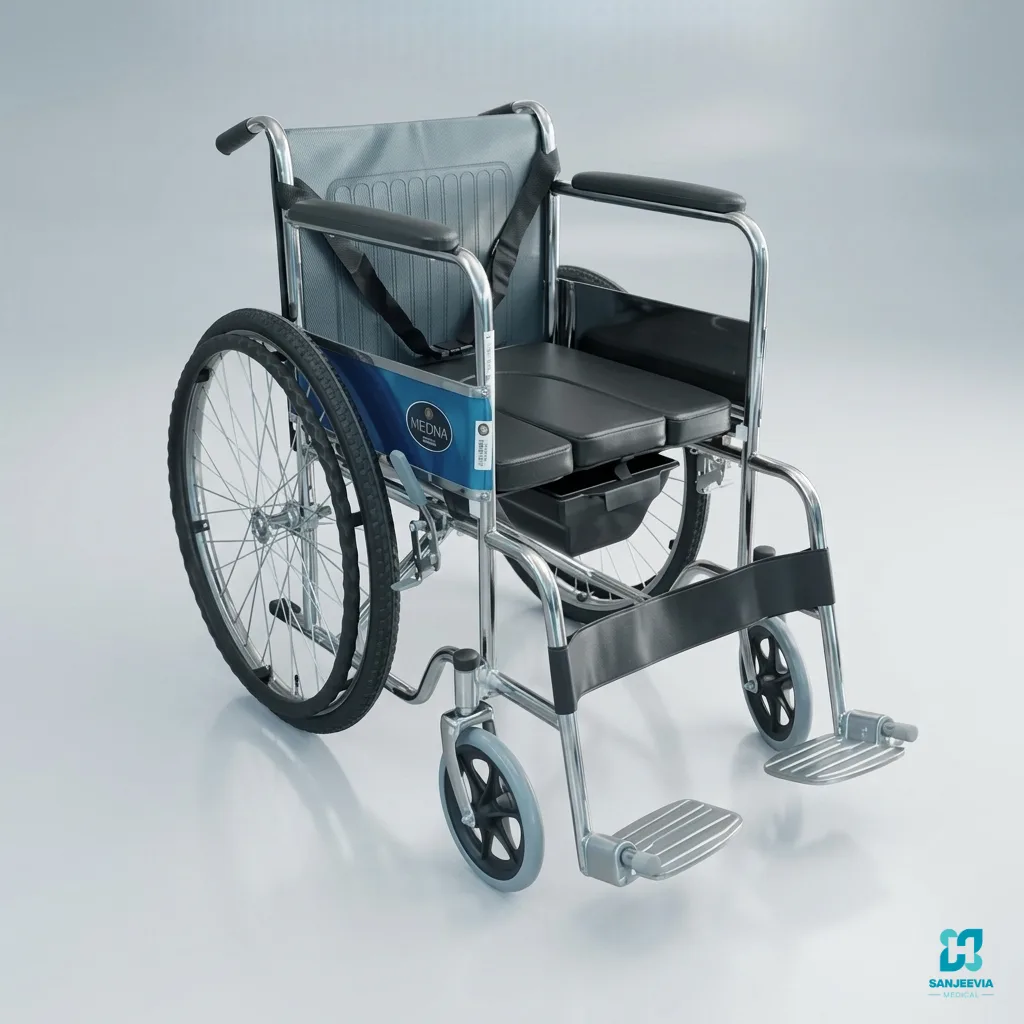
If a wheelchair is recommended, record the required seat dimensions, load rating, foot or leg support and any accessory the assessor specifies. Check how the patient will transfer to it and which helpers must be trained. An injured arm, a brace or a restriction on bending may change what is practical.
Use our wheelchair fitting and doorway guide to prepare measurements, and transfer questions for a physiotherapist to organise the demonstration. Do not improvise a lifting technique or ask untrained helpers to carry an occupied wheelchair on stairs.
6. Make toileting a planned part of the setup
Walk through the route to the bathroom and consider the approved transfer method, turning space, privacy and the help available. Ask whether the existing toilet is usable or an assessed commode arrangement is needed. The equipment should fit the patient and the room, not simply be the smallest item available.
A commode wheelchair is one option where specifically recommended. Confirm brakes, transfer assistance and cleaning instructions for the exact model. Do not assume that it can be used in a shower or wet area without manufacturer confirmation.
7. Measure the complete delivery route and working space
Record the entrance, building permissions, lift access, doorways, turns and the final room layout. Leave space for the approved transfer and caregiving tasks. Measure the equipment’s overall size, including protruding controls, rails or footrests where relevant, rather than relying only on a mattress or seat measurement.
The room-preparation guide can help you draw a simple layout. Agree who will receive the equipment and resolve access questions before confirming delivery. A successful equipment delivery is separate from arranging an appropriate patient transfer home.
8. Order additional devices only from the written requirement
Some patients have prescribed respiratory, monitoring, suction or other equipment needs after hospital treatment. Those devices should be selected and set up according to the treating team’s instructions, with appropriate clinical support. The fact that they are available to rent does not make them necessary for every recovery.
Where relevant, use Sanjeevia’s oxygen support or patient monitor page as catalogue references. Confirm accessories, settings responsibility and any prescribed backup arrangement. Equipment coordination does not replace trained nursing or clinical supervision.
9. Complete a practical caregiver handover
At handover, match the delivered models and accessories to the order. Ask for the manufacturer’s user instructions and a demonstration of permitted everyday operation. Record serial or asset identifiers, the support contact and anything requiring follow-up. Have the regular caregiver repeat the relevant operation with guidance where appropriate.
Keep clinical escalation contacts separate from equipment support. A loose component or equipment fault belongs in the provider’s support process; a health change belongs with the treating team or emergency care as appropriate. Our new caregiver checklist helps organise those responsibilities.
10. Plan review, extension and changes in equipment
Ask when the care team will review the patient’s functional needs. Keep the next appointment and rental review date visible so that an administrative deadline does not lead to equipment being removed while it is still required. Do not use a generic healing estimate to decide when to start walking, stop using support or return an item.
The NHS broken-leg guidance stresses following hospital or fracture-clinic advice during recovery. For equipment administration, use Sanjeevia’s extension, exchange and return guide after the updated clinical requirement is clear.
A simple equipment plan for the family
| Area | Confirm before booking | Record at handover |
|---|---|---|
| Bed and mattress | Required functions, fit and positioning instructions | Model, controls, accessories and caregiver demonstration |
| Mobility | Approved aid, fit, restrictions and assistance | Brakes, footrests, instructions and transfer-training contact |
| Toileting | Bathroom route and assessed arrangement | Cleaning instructions and assistance responsibilities |
| Prescribed devices | Exact specification and clinical support plan | Accessories, settings responsibility and support details |
Share the written requirement, delivery location, access details and preferred handover contact through Sanjeevia’s contact page to confirm available equipment rental options in Delhi NCR. The WHO’s assistive-technology guidance recognises that some people need assistive products temporarily after an accident, while others need longer support; the individual care plan determines the arrangement.
Frequently asked questions
Does everyone recovering from an accident need a hospital bed?
No. The treating team should identify whether an adjustable bed is needed for positioning or caregiving. The injury label alone does not establish the requirement.
Can a wheelchair replace a walker after a fracture?
They serve different mobility needs. Ask the assessing professional which aid and assistance level are appropriate to the current restrictions and home environment.
How long should we rent equipment after an accident?
Use clinical review and the patient’s assessed needs to plan the duration. Arrange an extension or return with the provider after those needs have been reviewed.
What if pain worsens or there is a new health concern at home?
Contact the treating team promptly. For severe breathing difficulty or another emergency, seek urgent medical help rather than waiting for an equipment enquiry response.
Source links checked on 5 October 2026. This is an equipment-planning guide, not an injury treatment or rehabilitation prescription.
Next Read
Once the care team has confirmed the requirement, use the Hospital Discharge Equipment Checklist to prepare the room, documents and caregiver handover.