

Two families can rent equipment with the same product name and receive different accessories, consumables or support arrangements. That does not automatically mean either package is wrong. It means the words “hospital bed,” “BiPAP” or “oxygen concentrator” are not a complete order description.
Quick answer
Confirm the exact device, model or required specification, included accessories, patient-specific consumables, setup, demonstration, documents, support route, rental period and collection process in writing. Do not assume that every item shown in a photograph is included. Do not accept an accessory merely because it connects physically; compatibility and clinical suitability both matter.
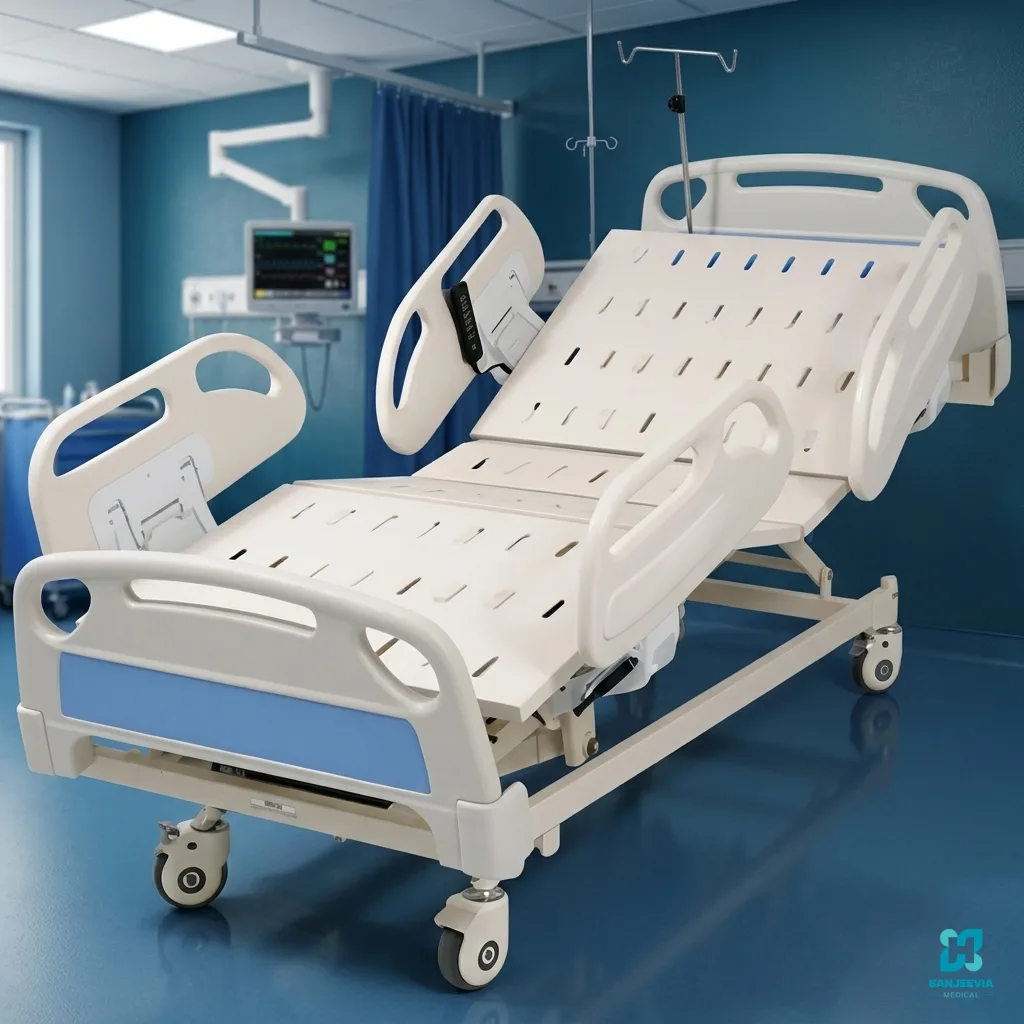
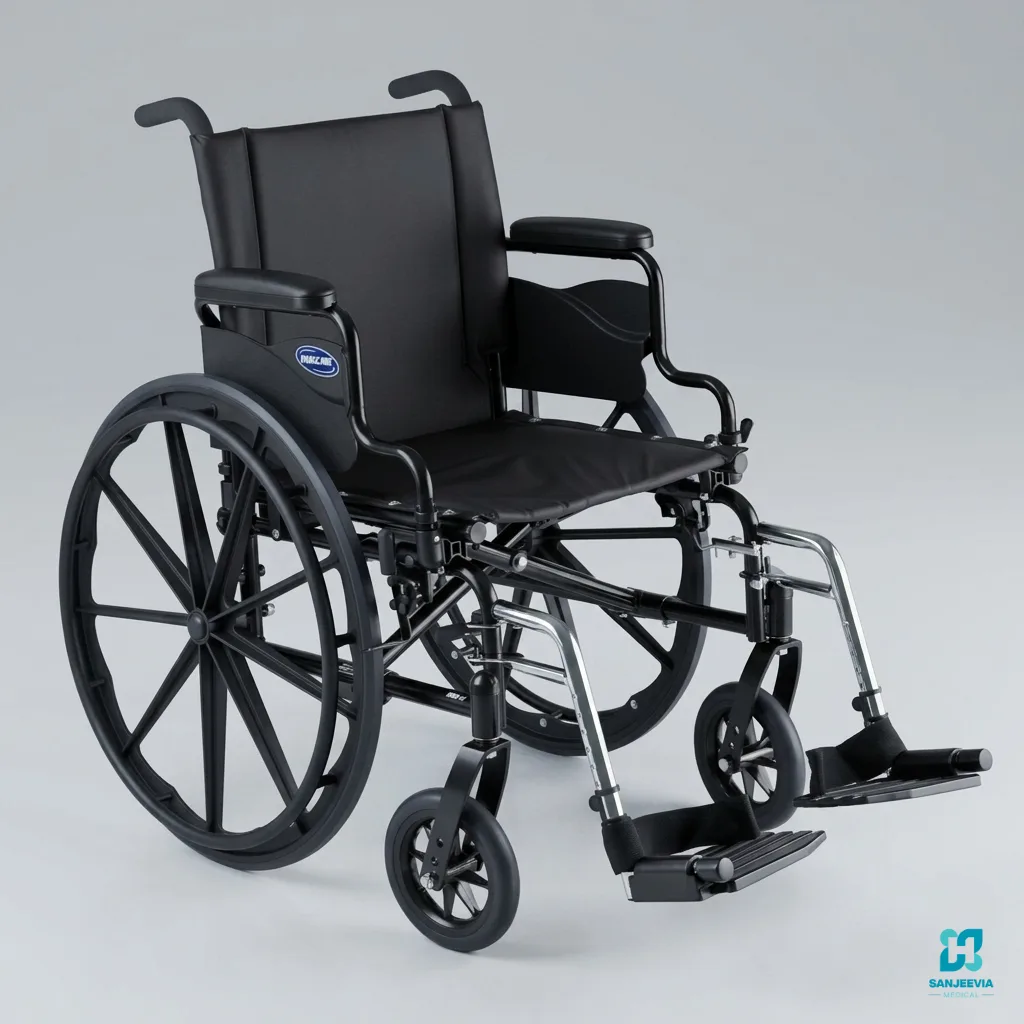
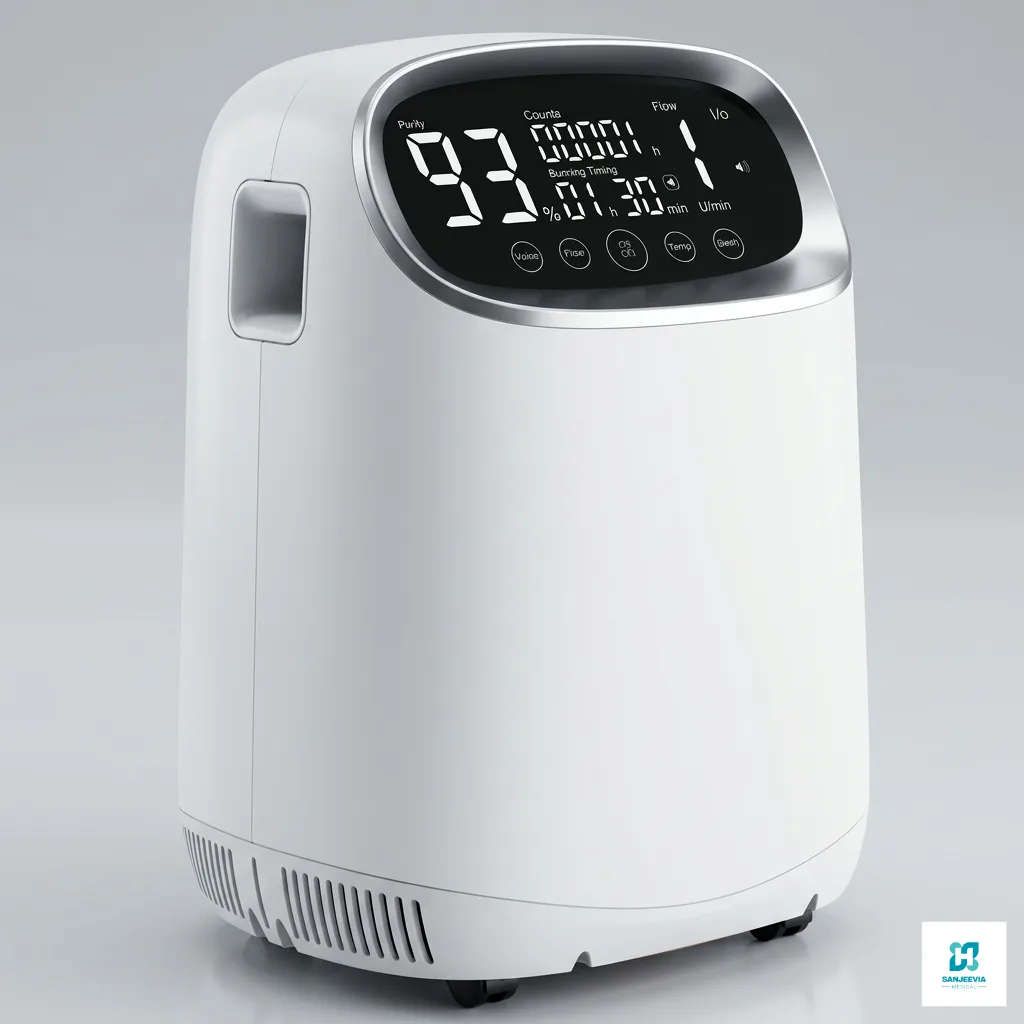
A hospital bed, wheelchair and oxygen concentrator each require a different package. Confirm the exact supplied model and every included item in writing.
Why rental inclusions need a written checklist
A clear package protects the patient, caregiver and provider. It helps the family prepare the room, purchase personal-use items and recognise missing or incompatible components during handover. It also gives support staff an accurate record if the equipment later needs attention.
India’s Department of Consumer Affairs guidance explains the importance of services conforming to stated terms and adequate instructions. For a rental, the practical evidence is the written quotation, agreement, invoice and handover record.
Twelve things to confirm before delivery
1. The exact device or agreed specification
Record the full item name and required functions. If the exact model matters, include it. If an equivalent model is acceptable, define the minimum specifications instead of relying on a broad category.
2. The main equipment frame or unit
For a bed, identify the frame and functions. For an oxygen concentrator, identify the flow capability and prescribed-use requirements. For a wheelchair, identify the seat and frame configuration.
3. Essential compatible accessories
List every part required for normal operation: power lead, compatible mattress, controller, cuff, sensor, regulator, humidifier connector or another model-specific item.
4. Patient-specific consumables
Masks, cannulas, tubing and other patient-contact items may be separate and may need to be new. Confirm what the care plan requires, who supplies it and whether replacement supplies are needed during the rental.
5. Items shown only for illustration
A website image may show bedding, furniture or accessories that are not part of the rental. Compare the actual package with the written list, not the photograph alone.
6. Setup at the agreed location
Confirm the room, available space, electrical requirements and access route before arrival. Setup does not include making unapproved alterations to the home or deciding the patient’s clinical treatment.
7. Operating demonstration
The regular caregiver should attend and demonstrate the permitted actions back to the trainer. The FDA home-device checklist recommends involving family members and caregivers in demonstrations.
8. Cleaning and condition record
Inspect the unit with the handover person. Record existing cosmetic marks, cleanliness and functional checks without dismantling the device. Read how Sanjeevia prepares rental equipment before delivery.
9. Instructions and contact details
Keep the user instructions, provider contact and clinical contact accessible. Learn the normal indicators, alarms and actions the caregiver is allowed to take.
10. Rental dates and renewal process
Record when the agreed period starts, how renewal is requested and when the family should communicate a change. Do not rely on an informal verbal extension.
11. Fault, exchange and backup arrangements
Ask who to contact, what information to provide and what the patient’s care team expects if essential treatment is interrupted. Replacement depends on the confirmed issue, equipment and terms.
12. Return, inspection and collection record
Confirm how the end of the rental will be documented, which items must be returned and how condition will be checked. Review Sanjeevia’s guide to extending, exchanging or returning rented equipment.
A one-page package record
| Record | What to write |
|---|---|
| Main unit | Full name, model or agreed specification, identifier |
| Included items | Each accessory, cable, mattress, sensor or control |
| Separate items | Consumables and personal-use accessories |
| Support | Provider, clinical and emergency contacts |
| Dates | Start, review, renewal and return arrangements |
Before payment, compare this record with the medical equipment rental agreement checklist.
Frequently asked questions
Does the product photograph guarantee the exact rental model?
No. Ask the provider to identify the actual model or agreed specification in writing. Illustrative images should not replace the booking record.
Are masks, cannulas and other consumables included?
Do not assume so. Patient-contact items may need to be purchased new, and the required type must match the care plan and device.
Is setup the same as clinical training?
No. Setup and operating demonstration explain the supplied equipment. Clinical decisions, treatment settings and ongoing patient assessment remain with the treating team.
Should the rental record list serial numbers?
For higher-value or model-sensitive equipment, recording the supplied unit or asset identifier helps with support, exchange and collection.
Can Sanjeevia confirm every inclusion through the blog?
No. Inclusions vary by product and booking. The written quotation, rental agreement and handover record control the actual package.
Rental inclusions vary by item and booking. Confirm the final package in the written quotation, agreement and handover record.
Next Read
If the listed model changes, read: Exact Medical Equipment Model Unavailable? 9 Checks Before Accepting an Alternative.
