
When a parent living with dementia starts finding familiar daily tasks difficult, families often wonder whether a hospital bed, wheelchair or commode would help. Choosing medical equipment for dementia care at home begins with understanding the task that has become difficult and how the person responds to assistance. A diagnosis alone does not tell you which device is suitable.
A thoughtful rental plan brings together the person’s preferences, an individual assessment, the home layout and the people available to help. These nine questions can make that discussion more useful, whether you are preparing an enquiry or reviewing a changing care arrangement.
Quick answer: what equipment should a person with dementia use at home?
There is no standard equipment package for dementia. Discuss the person’s current mobility, transfers, toileting, positioning and ability to use equipment with the appropriate clinician or occupational therapist. Rent only the assessed items that fit the person and home, and confirm supervision, demonstration and follow-up. Bed rails require particular care and should not be used to stop someone getting out of bed.
These are possible options, not a dementia equipment package. Mobility aids, beds, rails and toileting equipment need individual assessment and suitable caregiver support.

9 questions before renting medical equipment for dementia care at home
1. Which daily task needs support right now?
Describe the actual difficulty rather than starting with a product name: reaching the toilet, getting comfortable in bed, moving between rooms or keeping everyday items within reach. Note when it happens, what help is already used and whether the difficulty is new. Bring that record to the assessment instead of assuming a more complex device will solve it.
For example, difficulty reaching the bathroom may call for a review of the route, lighting and assistance, alongside any equipment recommendation. It is different from a person needing an assessed seated-toileting arrangement. The Alzheimer’s Society’s home-equipment guidance discusses simple adaptations as well as equipment. Its practical advice can inform a discussion, while UK funding arrangements do not apply automatically in India.
2. How will the person understand and accept the change?
Involve your loved one in the choice as far as possible. Ask how to explain the purpose and introduce the item into an existing routine. Notice whether its controls, appearance or location cause confusion, worry or repeated attempts to move it. The aim is to support the person’s daily life and dignity, not merely to fill a room with equipment.
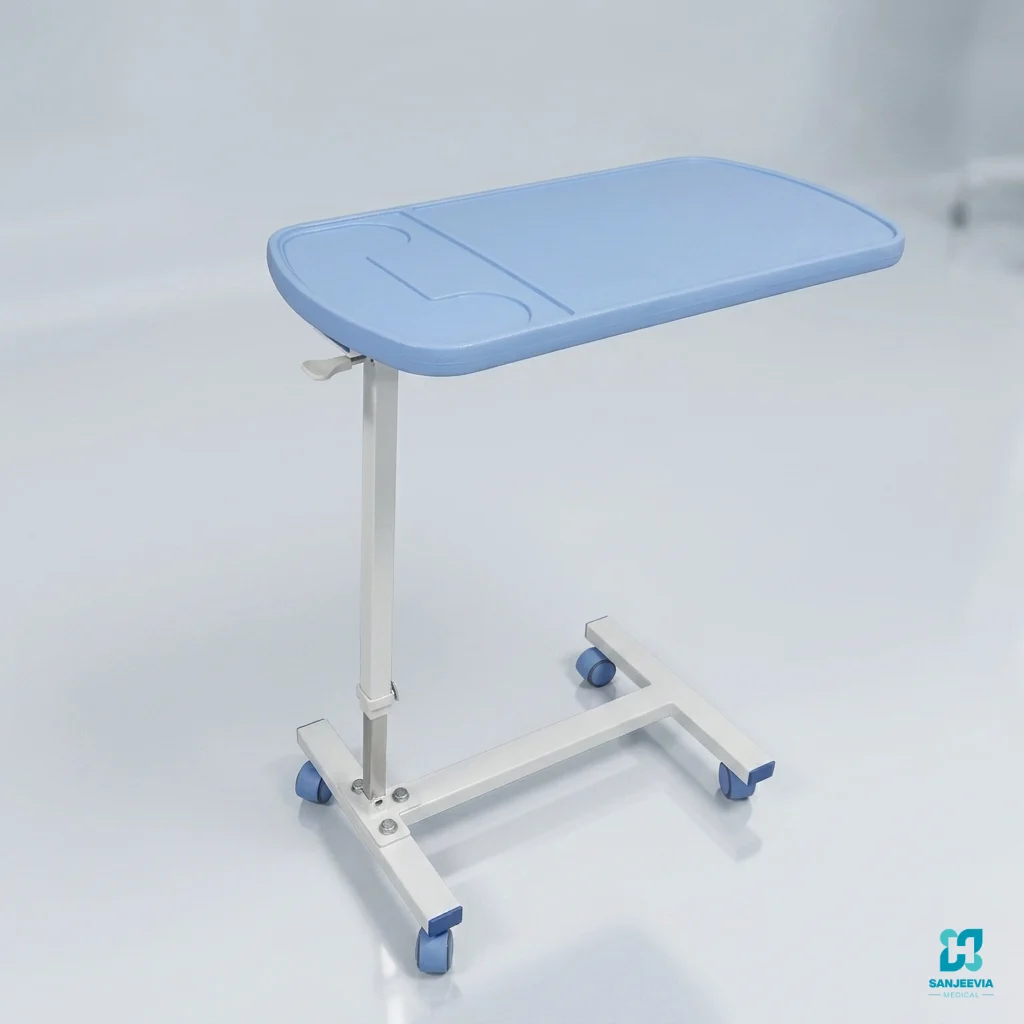
Write down what the person finds comfortable and familiar. A simple over-bed table, for example, may provide a surface for light items when appropriate, but it is not a walking support or a restraint. Its placement should be reviewed if it obstructs movement.
3. Has mobility and transfer ability been assessed?
A person may need help walking, help transferring or assistance over longer distances, and those are different needs. Ask the assessing professional to explain what help is needed and whether the person can follow the instructions associated with the proposed aid. Confirm the caregiver’s role rather than assuming the equipment can be used independently.
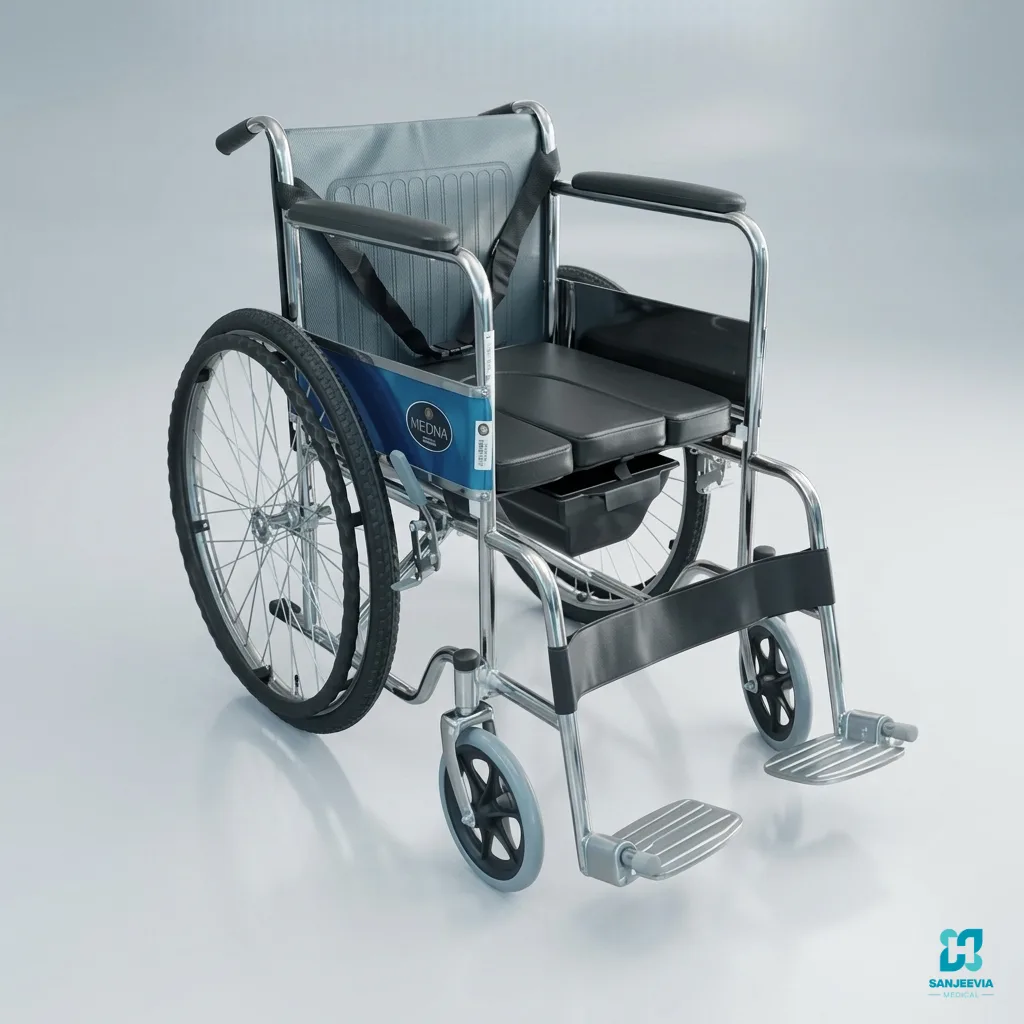
If a manual wheelchair is recommended, record fit, load rating, seating support, brakes and footrests. Do not assume that walking-frame use is appropriate simply because a frame is available. Our wheelchair size and home-access guide helps prepare measurements for the equipment discussion.
4. Is an adjustable bed needed, and are bed rails appropriate?
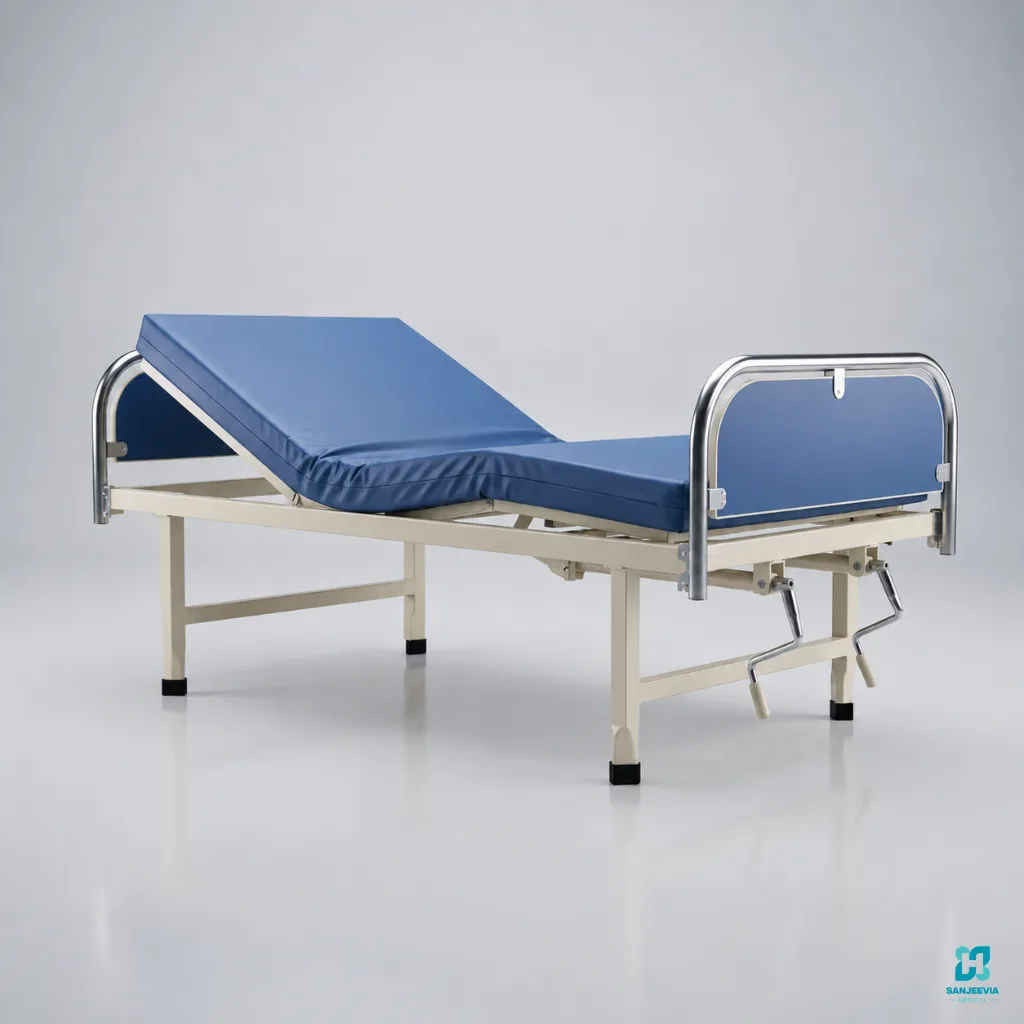
Ask which positioning or caregiving task requires an adjustable bed. A Manual Full Fowler Bed is one option to compare against an assessed requirement, not a default choice for everyone living with dementia. Check mattress compatibility and who can operate the adjustments.
Bed rails can create entrapment hazards; a confused person may also try to climb over them. The UK’s MHRA bed-rail safety guidance identifies dementia among factors needing individual risk consideration and explains that rails are not intended to restrain someone from intentionally leaving the bed. Ask a competent professional to assess the person, bed, mattress and rails together. Reassess if that arrangement changes, and avoid improvised gap-filling or accessories.
5. What is the safest practical toileting arrangement?
Discuss whether the existing bathroom can remain usable with suitable assistance or whether another arrangement is needed. Consider the route, doorway, turning space, privacy and the person’s ability to recognise and use the toilet. Tell the assessor about the difficulties you observe, including any new change that needs clinical review.
If a commode wheelchair is recommended, check transfer assistance, fit, brake operation and cleaning instructions. Do not assume it can be used as a shower chair; suitability for wet-area use must be confirmed for the exact model. Keep the toileting plan respectful and explain it to everyone helping.
6. Does the equipment fit the whole home route?
Measure from the entrance to the intended position, including doors, lift access and turning areas. Check whether the person can still reach familiar destinations without encountering the equipment or its cables. A device that fits beside a bed may still block a caregiver’s access or the bathroom route.
Use the room-preparation guide to record clearances before booking. Ask the care team how any proposed layout change may affect your loved one. Avoid adding several unfamiliar items at once without reviewing how they will be used and supervised.
7. Who will operate, check and supervise the equipment?
Name the person responsible for the delivery handover and make sure other regular caregivers can access the instructions. Confirm who operates bed controls, assists transfers and notices a loose or damaged component. Equipment is only one part of a care arrangement; it does not establish that a person can safely be left alone.
The WHO’s assistive-technology guidance includes services and support alongside products. In practical terms, ask for the correct instructions, a demonstration and a clear way to raise a suitability concern. Our new caregiver checklist can help organise the record.
8. What should the rental handover and cleaning record include?
Record the model, accessories, condition and support contact. Ask for the exact manufacturer’s cleaning instructions and confirm what the caregiver is expected to do during the rental. Separate routine user care from a fault that should be reported. Do not open housings, repair brakes or fit unrelated accessories to solve a problem yourself.
Keep one written record so different family members do not give conflicting instructions. The rental agreement checklist explains how to clarify supply, support, extension and return responsibilities.
9. When will the care team review the arrangement?
Ask when suitability should next be reviewed and what changes should prompt an earlier discussion. Record difficulty using an item, repeated attempts to climb or move it, changes in transfer assistance or signs that the layout no longer works. Report a sudden change in the person’s health to the treating team rather than assuming it is simply progression of dementia.
If equipment needs to change, agree the clinical requirement first and then discuss an exchange, extension or return with the provider. Sanjeevia’s rental review and return guide can help structure the administrative part of that conversation.
A family record to prepare before booking
| Write down | Useful detail |
|---|---|
| Current task | What is difficult and when it occurs |
| Assessed equipment | Recommendation, size, accessories and assistance needed |
| Home route | Entrance, room, bathroom and working clearances |
| Caregiver role | Recipient, regular helpers and demonstration needs |
| Review plan | Clinical contact, equipment support and reassessment date |
Share the assessed requirement and delivery location with Sanjeevia to confirm suitable available rental options in Delhi NCR. The equipment enquiry is separate from dementia diagnosis, treatment, nursing or an occupational-therapy assessment.
Frequently asked questions
Does everyone living with dementia need a hospital bed?
No. A bed should be selected for an individually assessed positioning or care requirement. The diagnosis alone is not enough to choose one.
Can bed rails stop a person with dementia from leaving the bed?
They should not be used for that purpose. Ask for a professional risk assessment and an appropriate care plan, because entrapment and climbing risks may arise.
Should I rent a wheelchair or walking frame for my parent?
Ask the assessing professional which aid, fit and level of assistance suit the person’s mobility and ability to use it. A product page cannot decide that on its own.
Can Sanjeevia provide dementia treatment or a clinical assessment?
This article concerns medical-equipment enquiries. Arrange diagnosis, treatment and the necessary assessment through the appropriate healthcare professional; share their equipment recommendation when enquiring.
Source links checked on 5 October 2026. This guide supports equipment planning and does not replace individual clinical assessment.
Next Read
After the equipment requirement is assessed, use How to Prepare a Room for Medical Equipment at Home Safely to plan the layout and delivery handover.