
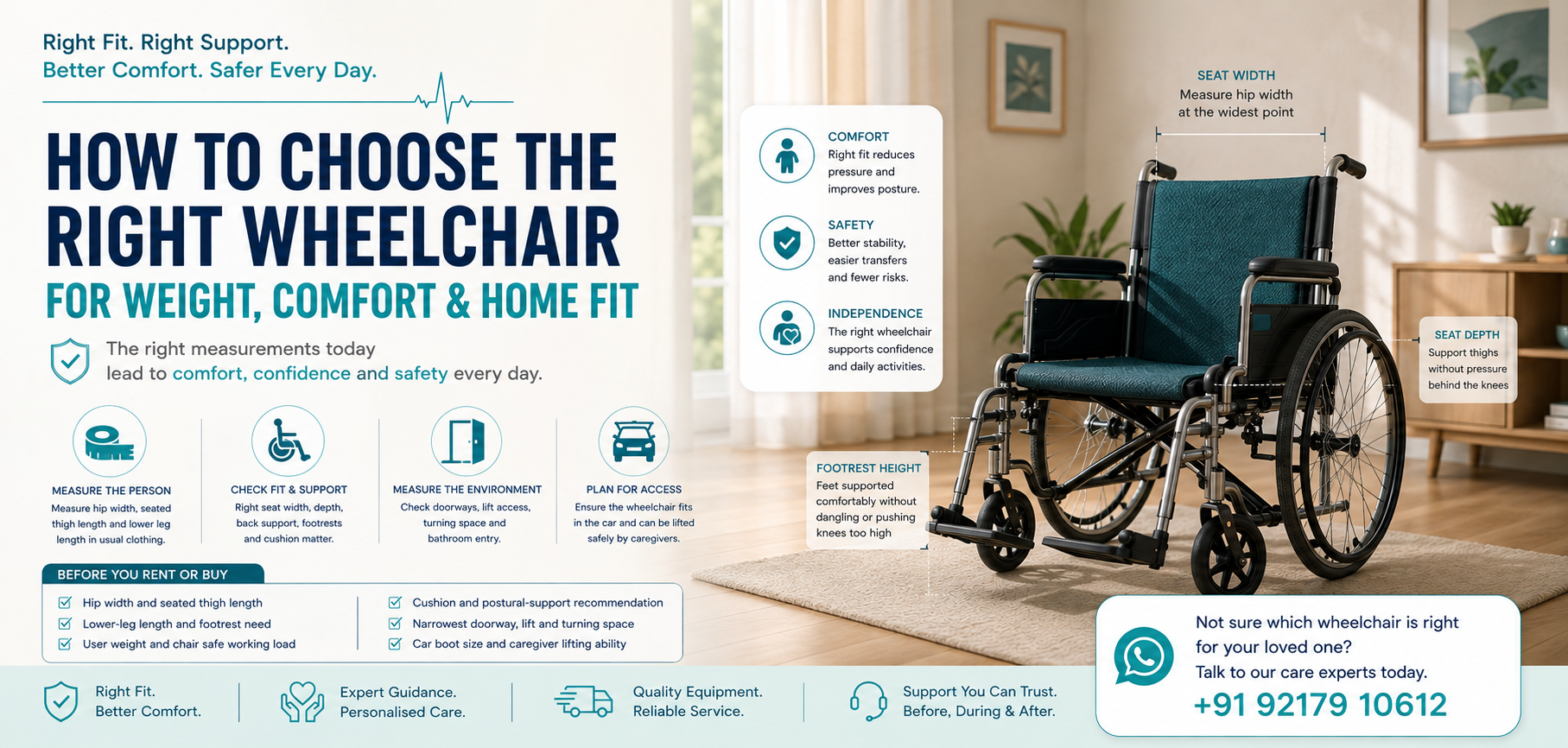
A wheelchair should support the user without squeezing the hips or leaving so much side space that posture becomes unstable. Measure the user in their usual clothing, consider the prescribed cushion, and separately measure doorways, lift access and car storage. For long-term or complex seating needs, request a professional assessment.
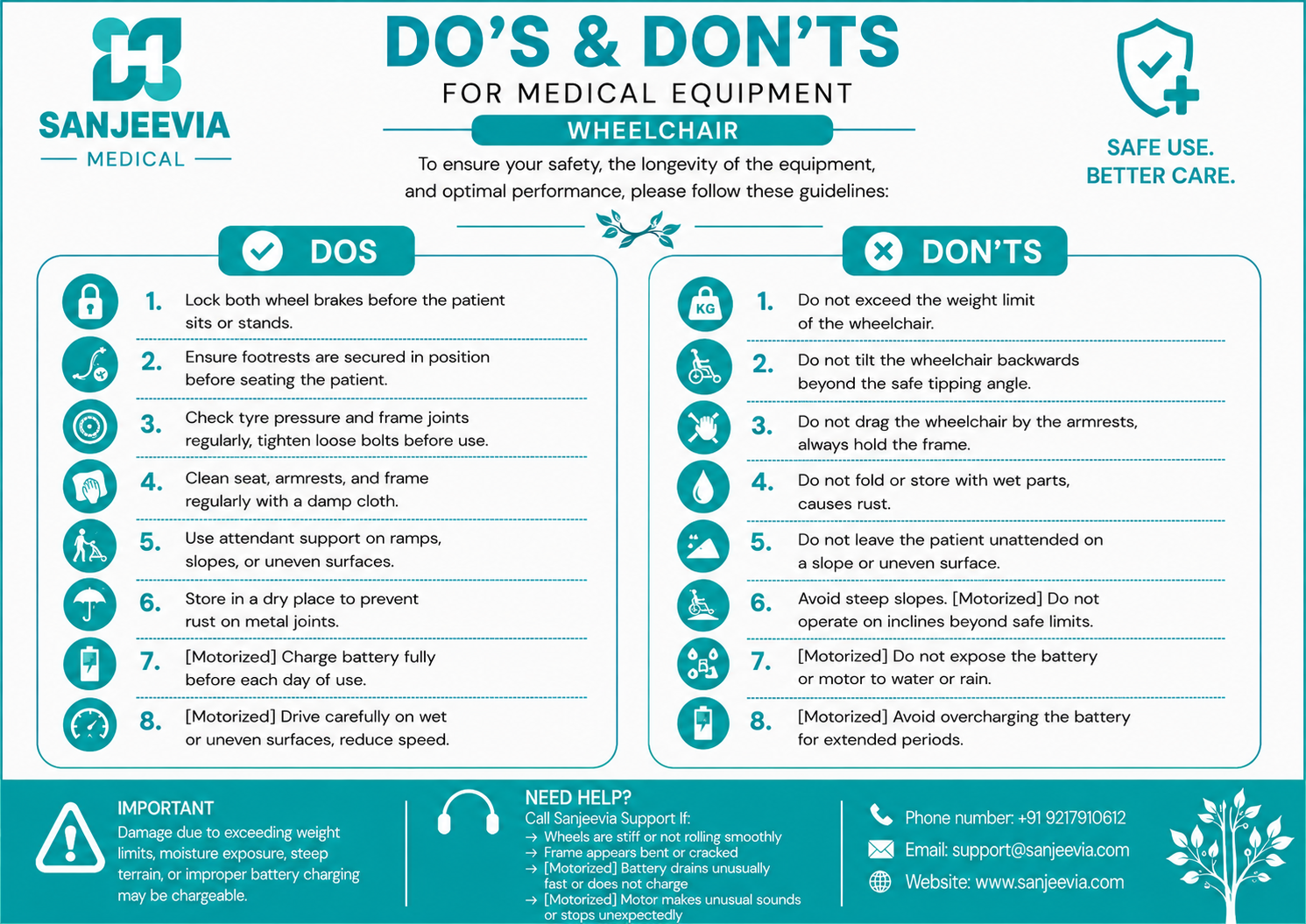
“My mother is heavy-set—will the standard wheelchair fit?” A chair can physically carry a stated weight yet still be the wrong width, depth or support. Poor fit can cause pressure, leaning, difficult propulsion and unsafe transfers.
At a Glance
- Patient fit and home access are two separate measurements.
- Seat width, depth, back support, footrest height and safe working load all matter.
- A pressure-relieving cushion changes the effective sitting position.
Measure the Person, Not an Existing Chair
Measure hip width at the widest point while the person is seated safely. The exact allowance depends on the chair and clinical recommendation; avoid guessing from clothing size or body weight alone.
Seat depth should support the thighs without pressing behind the knees. Footplates should support the feet without pushing the knees too high or leaving feet dangling.
Check Posture and Daily Use
Notice whether the user leans, slides forward or needs head, trunk or pelvic support. A basic transit chair may suit short assisted trips but not prolonged independent sitting.
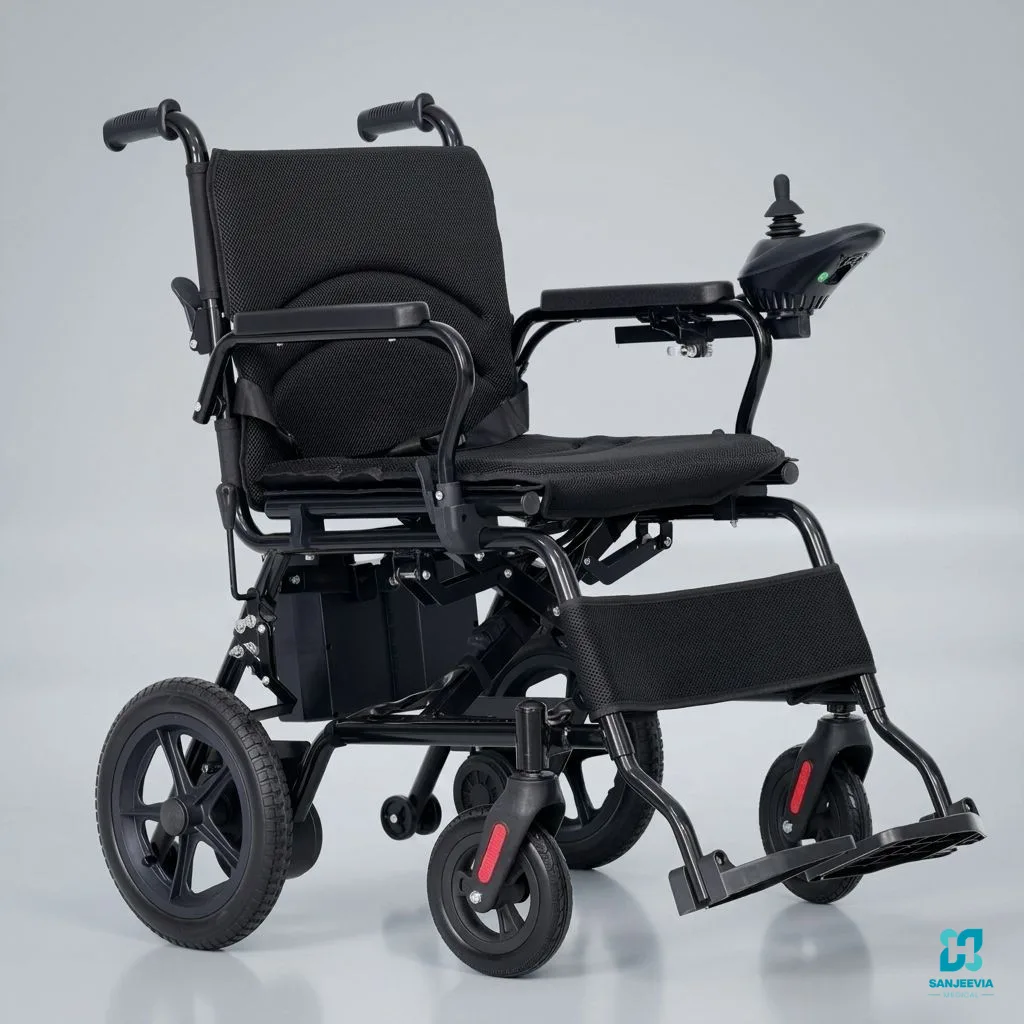
Ask who propels the chair, how long the user sits, whether armrests must remove for transfers and whether elevating leg rests are prescribed.
Measure the Environment
Record the narrowest doorway, lift opening, corridor turn and bathroom entrance. Remember that the chair’s overall width is greater than seat width.
If the chair must enter a car, check folded width, weight and who can lift it without injury. Never choose an excessively narrow seat just to pass through a door.
Before You Rent or Buy
- Hip width and seated thigh length
- Lower-leg length and footrest need
- User weight and chair safe working load
- Cushion and postural-support recommendation
- Narrowest doorway, lift and turning space
- Car boot size and caregiver lifting ability
Frequently Asked Questions
Is an 18-inch wheelchair standard for everyone?
No. Common does not mean correct. Measure the user and review the manufacturer’s sizing.
Should there be space beside the hips?
Some clearance is needed, but the correct amount depends on the chair, clothing and clinical needs.
Can a cushion fix a chair that is too wide?
Not reliably. A cushion does not correct every sizing or posture problem.
When is a seating assessment important?
For long daily use, pressure risk, deformity, poor trunk control, pain or repeated sliding, seek professional assessment.
Trusted Patient References
Home-Care Equipment in Delhi NCR
Keep the clinician’s recommendation and home-access details ready, then browse Sanjeevia’s wheelchair, monitoring and other home-care equipment. Confirm the exact model, included accessories, demonstration, service and current availability before booking.
Related Guidance and Equipment
The safest mobility or monitoring choice depends on the patient’s function and care plan; these links continue that decision with verified product pages.
Continue Reading
- Renting vs Buying Medical Equipment — compare short-term rental with long-term purchase.
- Bringing an Elderly Parent Home from ICU — plan equipment and caregiving before discharge.
Relevant Product Pages
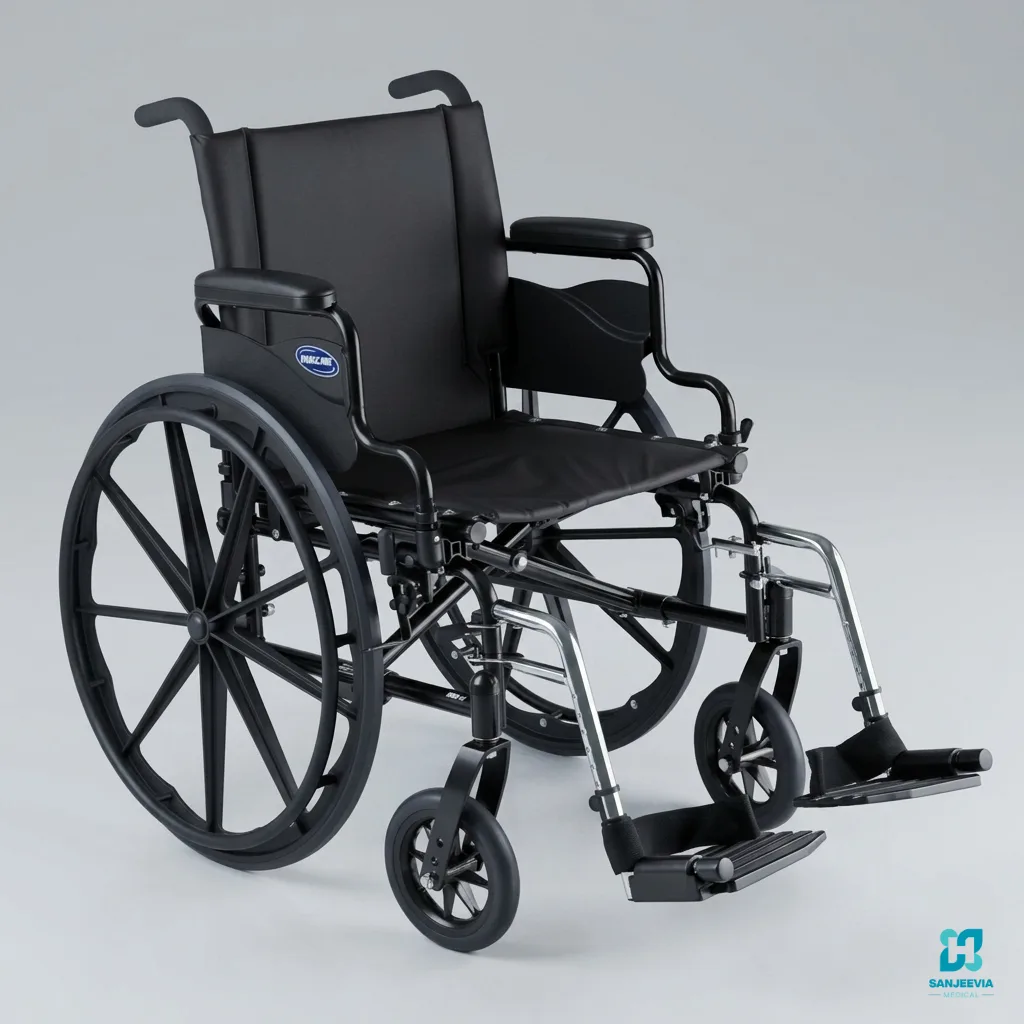
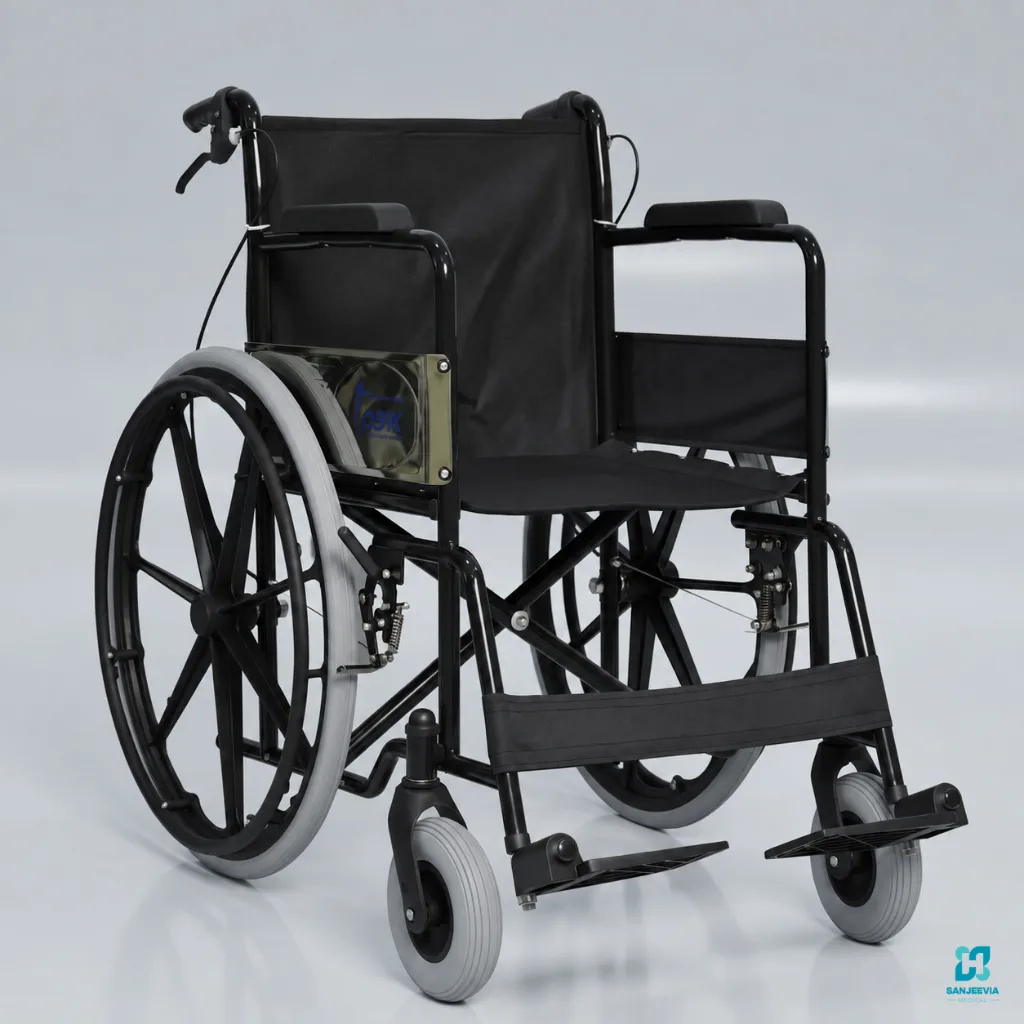
- Standard Manual Wheelchair — review dimensions and features of a standard manual wheelchair.
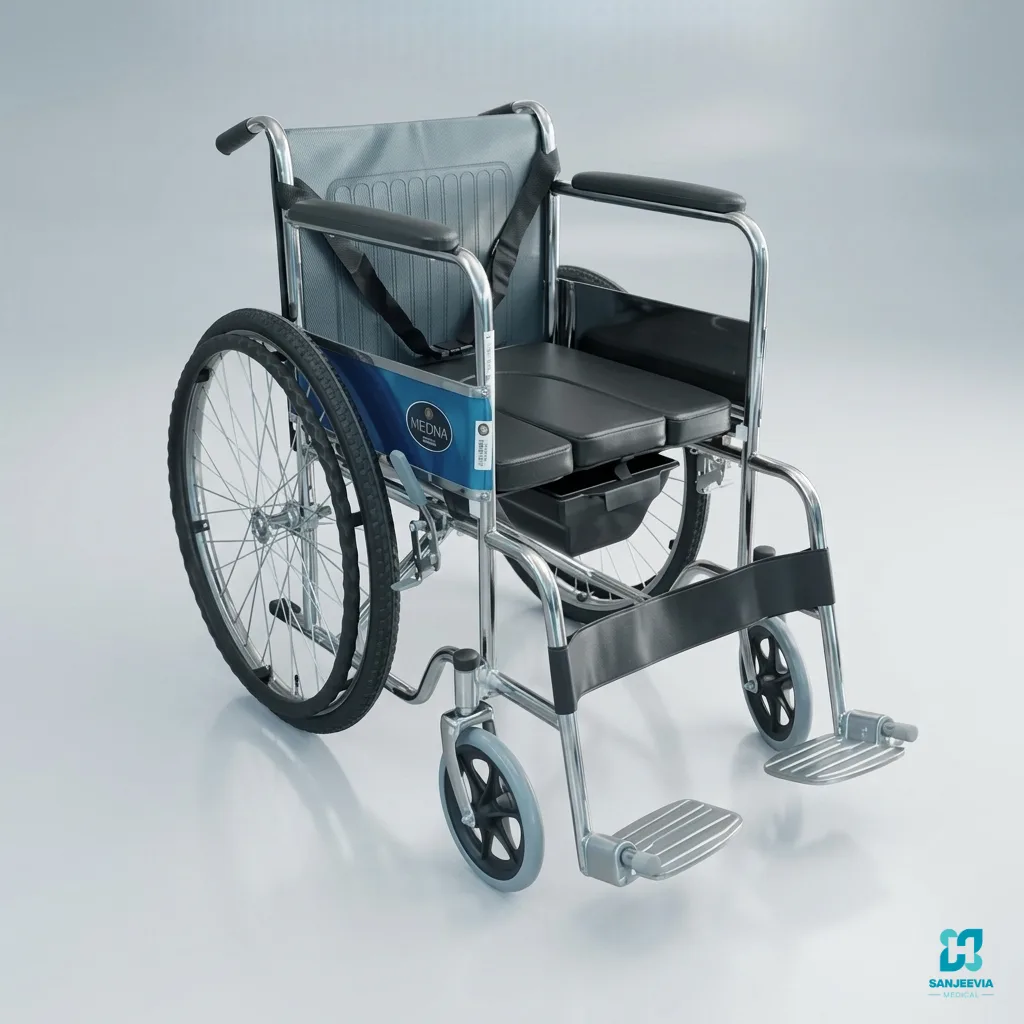
- Commode Wheelchair — review a wheelchair option that supports toileting needs.
Medical disclaimer: General information only. Equipment selection, transfers, monitoring limits and suction technique must follow the treating healthcare professional.
Published by Sanjeevia Medical | Delhi NCR