
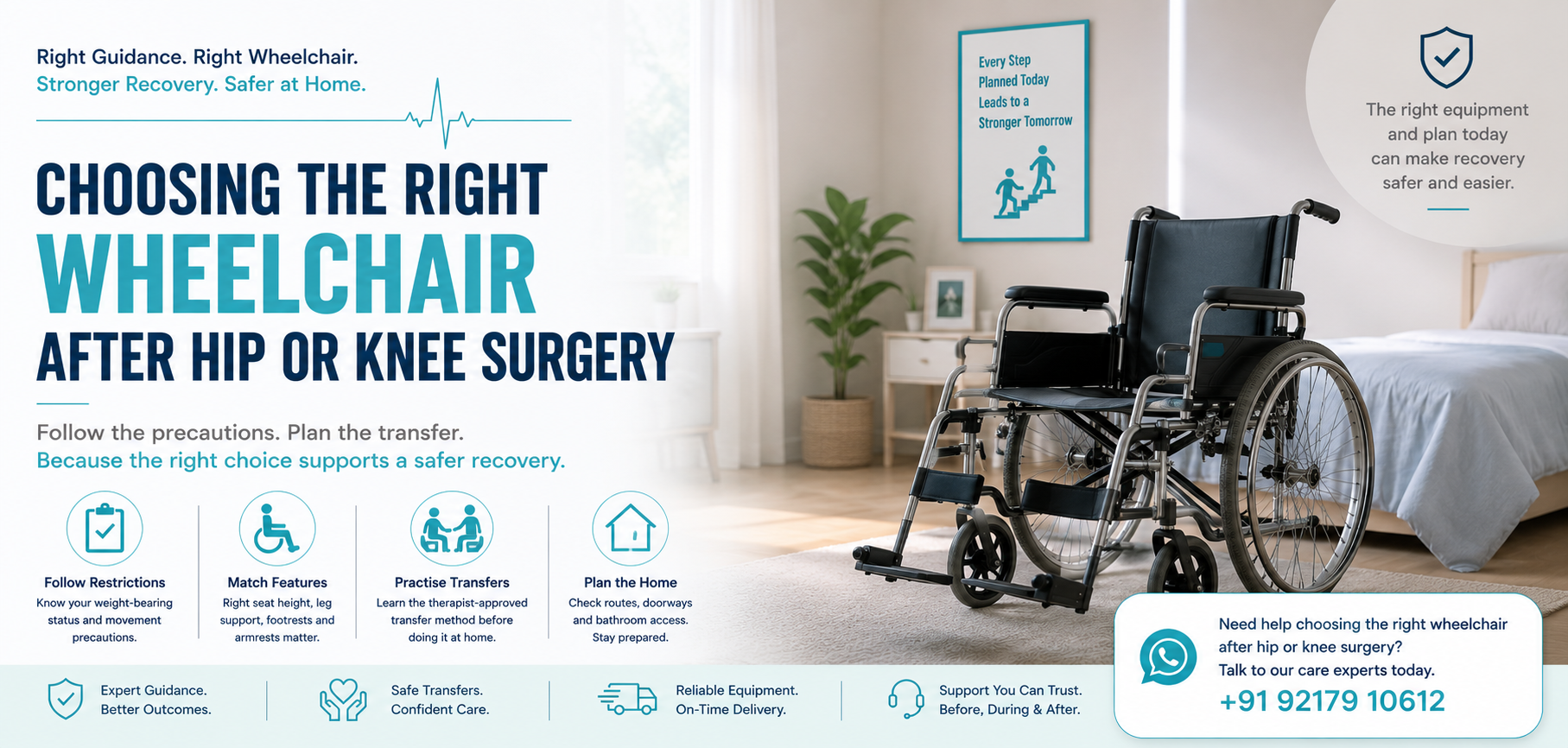
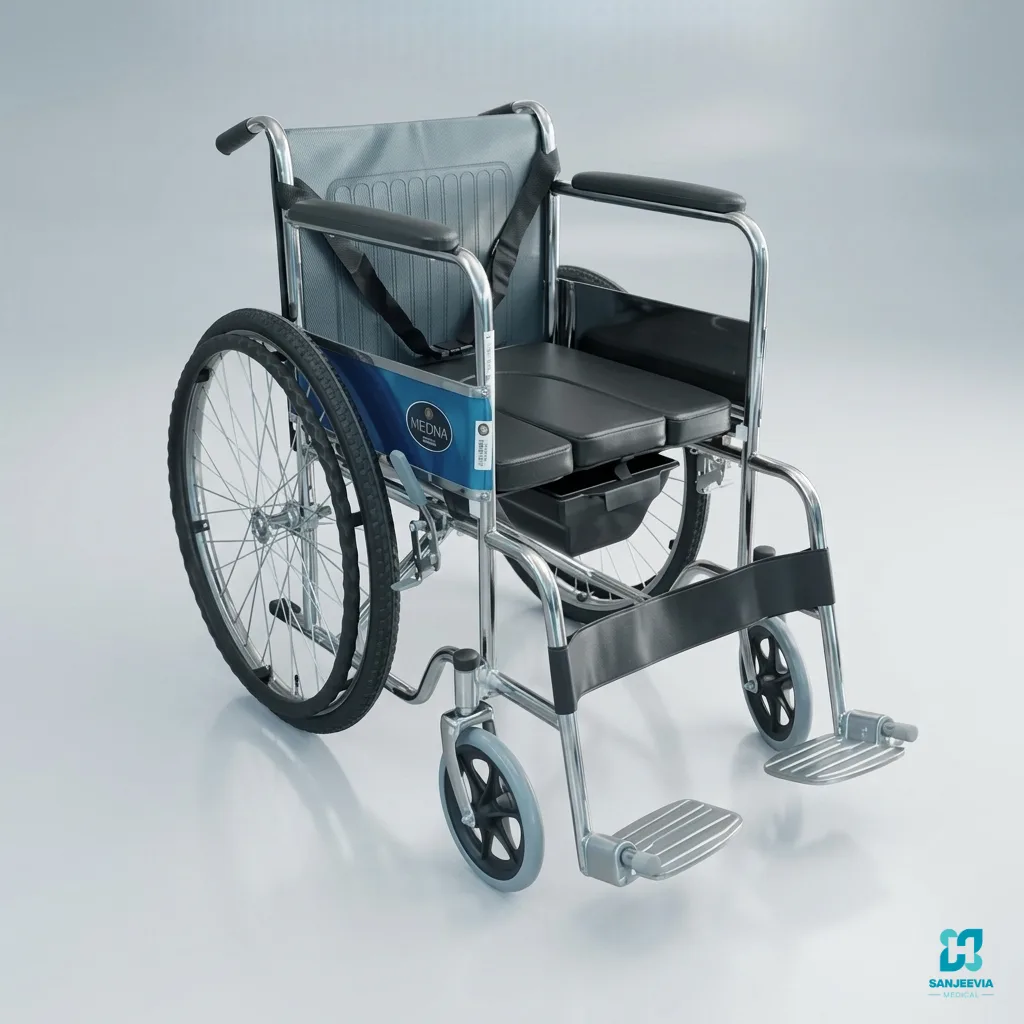
The right wheelchair after hip or knee surgery depends on the surgeon’s precautions and physiotherapist’s transfer plan. Confirm weight-bearing status, seat height, leg positioning, footrests, armrests and whether the patient should self-propel. Do not choose solely by comfort or appearance.
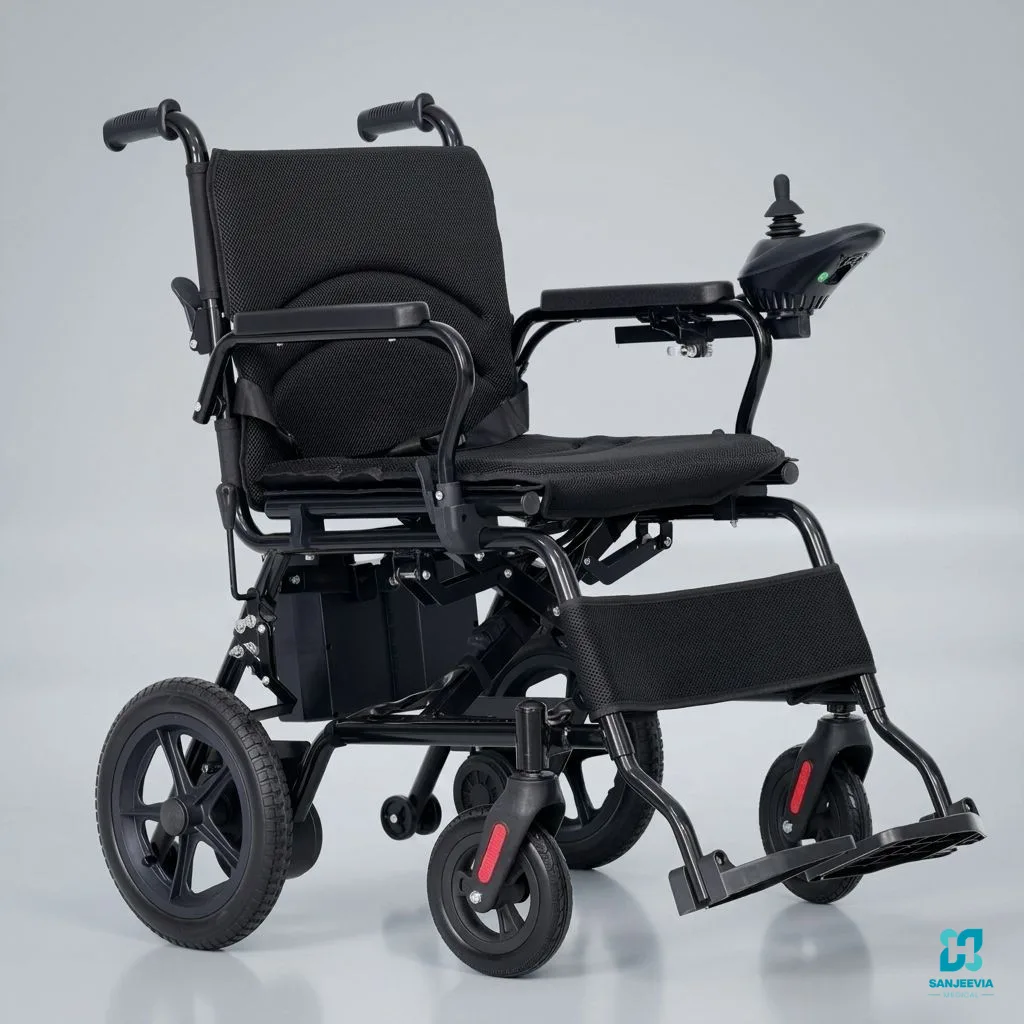
“The operation is done, but my father cannot walk to the bathroom. Which wheelchair should we arrange?” The answer changes depending on whether the patient may bear weight, bend the hip or knee, and perform a pivot transfer.
At a Glance
- Write down weight-bearing and movement restrictions before discharge.
- Match seat height and leg support to the prescribed posture.
- Practise the transfer with the therapist before doing it at home.
Start with the Discharge Restrictions
Terms such as non-weight-bearing, partial weight-bearing or weight-bearing as tolerated have specific meanings. Ask the therapist to show how they apply during standing, transfers and wheelchair propulsion.
Hip precautions may limit bending or crossing the legs, while knee recovery may require a particular leg-rest arrangement. Follow the surgeon’s protocol.
Features That Affect the Transfer
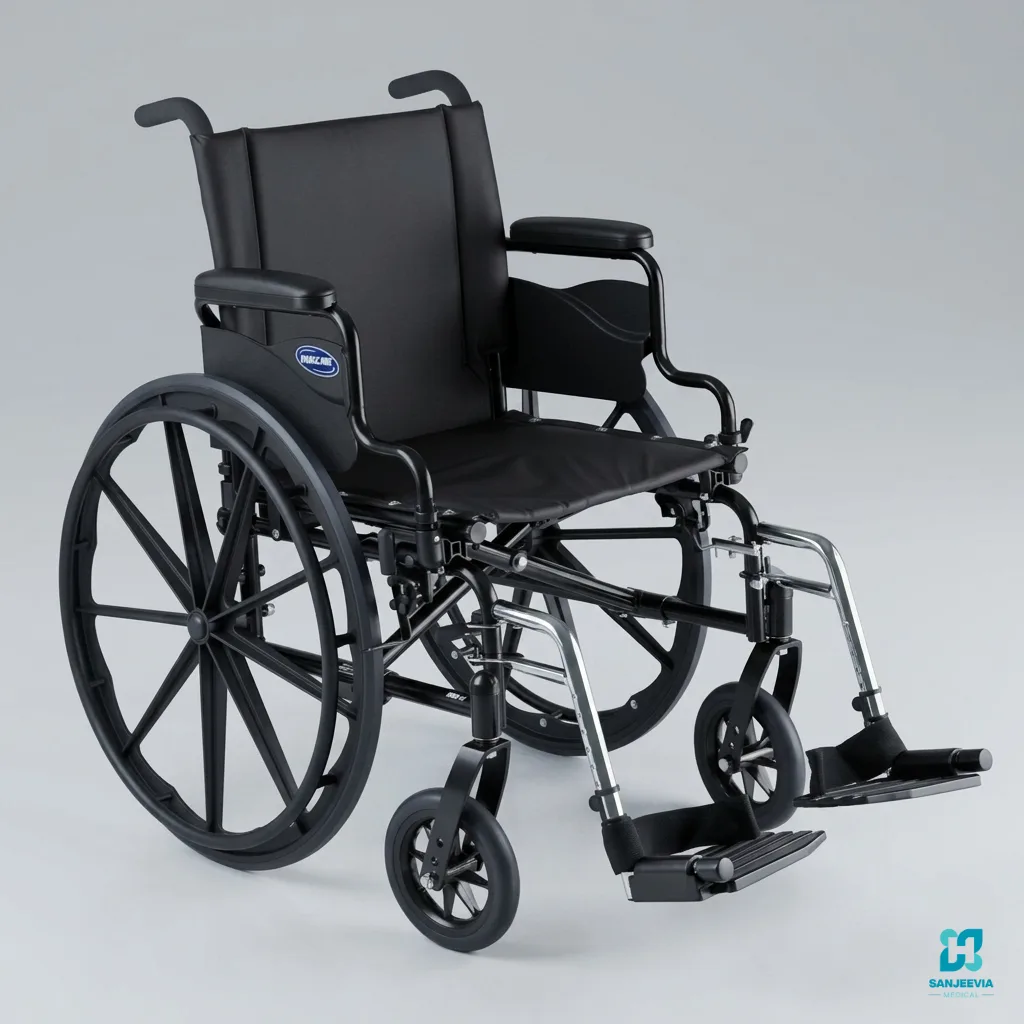
Removable or swing-away armrests and footrests can clear the transfer path. Brakes must lock securely, and footplates should be moved away before standing when instructed.
Seat height matters relative to the bed, toilet and patient’s leg length. A very low chair may make standing difficult or conflict with hip precautions.
Plan the Route Through the Home
Check bedroom-to-bathroom doorways, thresholds and turning space. Remove loose rugs and clutter. A commode chair or bedside plan may be safer if the bathroom route is not accessible.
For appointments, confirm car transfer method and whether the folded wheelchair fits. Use professional patient transport if the person cannot transfer safely.
Before You Rent or Buy
- Written weight-bearing status
- Hip or knee movement precautions
- Therapist-demonstrated transfer method
- Seat height and leg-rest requirement
- Brake, armrest and footrest operation
- Home and vehicle access
Frequently Asked Questions
Does every knee surgery patient need an elevating leg rest?
No. It depends on the operation, swelling, range-of-motion plan and clinician’s advice.
Can the patient push the wheelchair with the operated leg?
Only if the therapist approves; propulsion may conflict with precautions.
Should the chair be higher after hip replacement?
Seat height may matter, but the required height is individual. Confirm with the care team.
Can one caregiver lift the patient into the chair?
Manual lifting can injure both people. Use the assessed transfer method and equipment.
Trusted Patient References
Home-Care Equipment in Delhi NCR
Keep the clinician’s recommendation and home-access details ready, then browse Sanjeevia’s wheelchair, monitoring and other home-care equipment. Confirm the exact model, included accessories, demonstration, service and current availability before booking.
Related Guidance and Equipment
The safest mobility or monitoring choice depends on the patient’s function and care plan; these links continue that decision with verified product pages.
Continue Reading
- Home Care After Hip or Knee Replacement — prepare mobility, transfers and recovery equipment.
- Renting vs Buying Medical Equipment — compare short-term rental with long-term purchase.
Relevant Product Pages
- Standard Manual Wheelchair — review dimensions and features of a standard manual wheelchair.
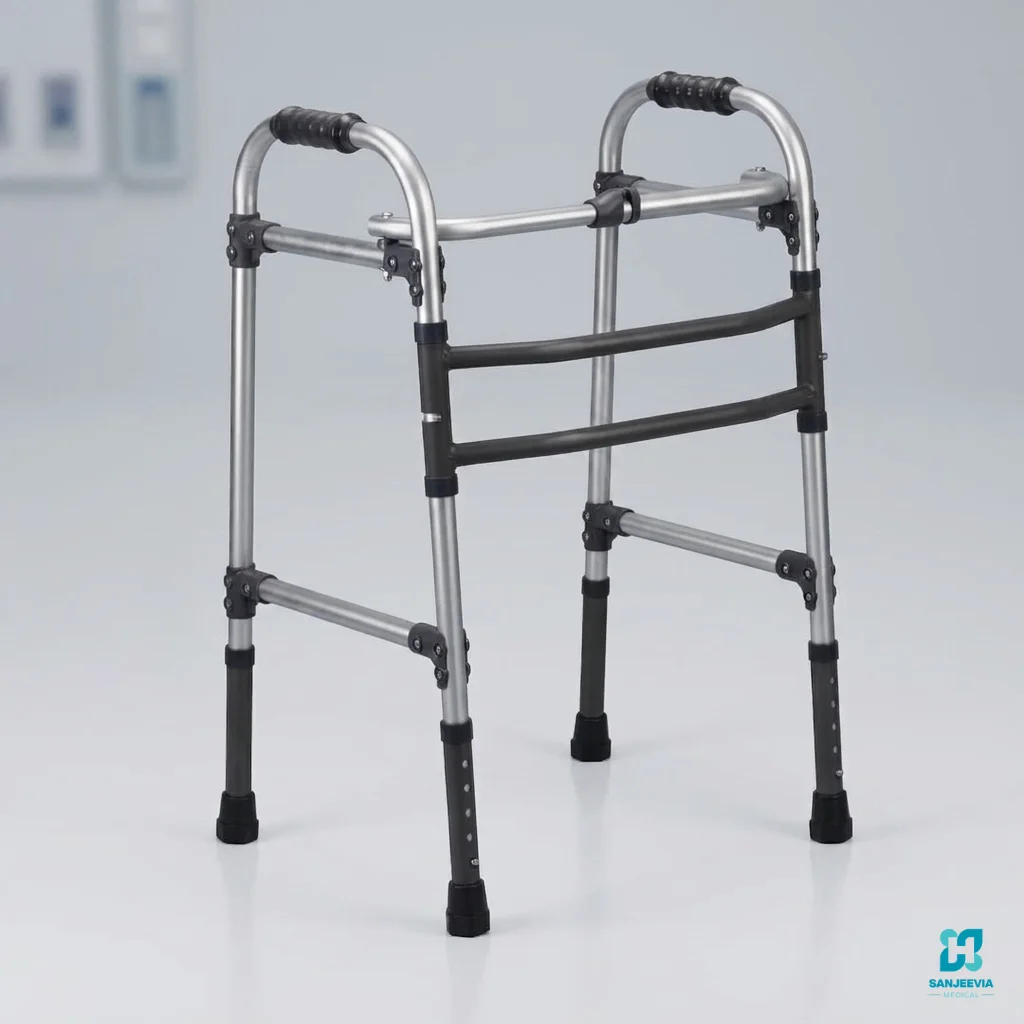
- Walker / Zimmer Frame — review a walking aid when recommended by the physiotherapist.
Medical disclaimer: General information only. Equipment selection, transfers, monitoring limits and suction technique must follow the treating healthcare professional.
Published by Sanjeevia Medical | Delhi NCR