
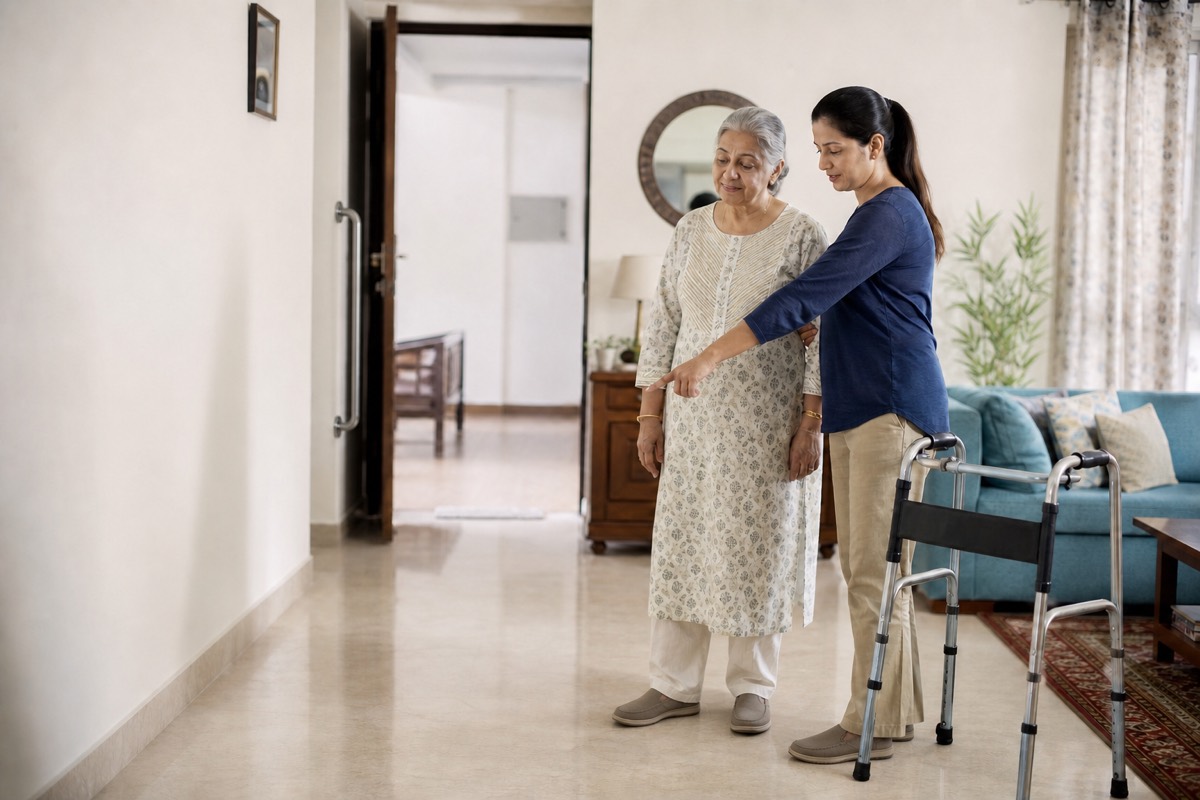
Quick answer: Fall prevention at home is not one product or one rule. It is a practical review of the person, their medicines, vision, strength, footwear, mobility aid and the spaces they use every day. Clear walking routes, secure flooring, good lighting and correctly fitted support equipment can reduce avoidable hazards. A clinician, physiotherapist or occupational therapist should assess anyone who has fallen, feels unsteady or has recently returned home from hospital.
Why falls happen at home
A familiar home can become difficult after illness, surgery or a hospital stay. Weakness, pain, urgency to reach the toilet, unfamiliar equipment and changes in balance can combine with loose rugs, dim light or a narrow path. The risk is personal: a change that helps one patient may create a problem for another.
The World Health Organization identifies older age, reduced mobility or cognition, vision problems, some medical conditions, medication effects and unsafe environments among important fall-risk factors. The CDC’s STEADI resources likewise recommend combining home-safety improvements with clinical review rather than relying on a single intervention.
Ask for an individual assessment when the person has had a recent fall, reaches for furniture while walking, struggles to rise from a chair, becomes dizzy on standing, or is newly using a walker or wheelchair. Do not wait for a serious injury before discussing these signs with the care team.
A room-by-room home safety check
Walking routes and living areas
- Keep the path between the bed, bathroom and main sitting area clear of shoes, bags, stools and cables.
- Remove loose rugs. If a rug must remain, use a suitable non-slip backing and check that its edges stay flat.
- Move low tables and unstable furniture out of the main route.
- Keep frequently used items between waist and shoulder height so the person is not climbing or bending unnecessarily.
- Arrange seating with a firm base, supportive arms and a height approved for the person’s transfer plan.
Bedroom
- Place a lamp or switch within easy reach of the bed.
- Use a night light along the route to the toilet.
- Keep a phone, call bell or agreed way to summon help within reach.
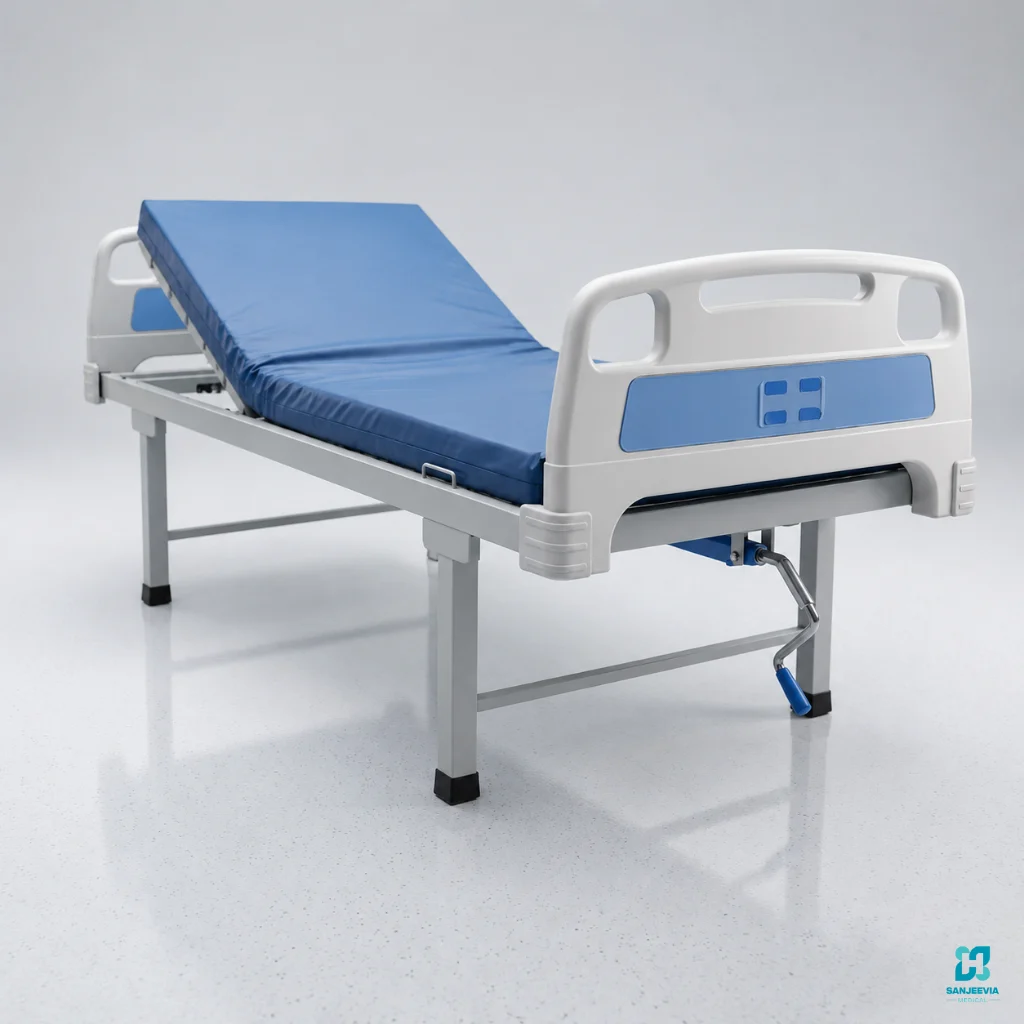
- Confirm bed height and transfer technique with the physiotherapist or occupational therapist.
- Do not treat side rails as an automatic fall-prevention solution. Read Sanjeevia’s guide to hospital-bed side-rail safety and ask the care team to assess entrapment, climbing and transfer risks.
Bathroom
- Keep floors dry and use a suitable non-slip surface in the bathing area.
- Install load-rated grab bars in positions selected for the individual; towel rails are not support bars.
- Check whether a raised toilet seat, commode chair or shower chair is appropriate after assessment.
- Plan how the person will enter, turn and transfer before equipment is installed.
For more detail, see the elderly bathroom safety guide.
Stairs, entrances and balconies
- Repair loose or uneven steps and provide bright lighting at both ends of a staircase.
- Use secure handrails; a professional should assess height, continuity and fixing.
- Keep entrances free of delivery boxes, footwear and wet patches.
- Never improvise a ramp with loose boards. Wheelchair ramps and thresholds require proper measurements and installation.
Mobility aids and equipment
A walker that is too high, a wheelchair that does not fit, or brakes that are difficult to operate can add risk. Equipment should match the user’s measurements, strength, transfer method and home layout.
- Have a clinician or physiotherapist confirm the correct mobility aid and demonstrate its use.
- Check rubber tips, wheels, brakes, footrests and folding locks regularly.
- Do not pull on a walker or movable bedside table when standing.
- Park mobility equipment consistently so it is reachable without blocking the path.
- Choose closed-back, well-fitting footwear with a non-slip sole; avoid loose slippers and walking in socks on smooth floors.
Related guidance: walker-height fitting questions and the wheelchair size and access guide.
Health factors families should review
Home modifications matter, but they cannot address every cause of falling. Ask the treating clinician to review new dizziness, fainting, weakness, confusion, vision changes, foot problems or a change in walking. A pharmacist or clinician can also review medicines that may contribute to sleepiness, low blood pressure or impaired balance. Do not stop or alter prescribed medicine without advice.
Strength and balance exercises may help selected people, but the programme should be appropriate to their diagnosis, surgery and current ability. Arrange a physiotherapy or occupational-therapy assessment if the person is deconditioned, fearful of falling or uncertain about transfers.
A simple evening checklist
- Is the route from bed to bathroom clear and dry?
- Are the night light and reachable lamp working?
- Are glasses, hearing aids and the prescribed mobility aid within reach?
- Is the person wearing secure footwear when they get up?
- Is the phone or call system charged and accessible?
- Does the caregiver know the agreed transfer and assistance plan?
What to do after a fall
Do not rush to lift the person. Check for severe pain, bleeding, a head injury, new confusion, loss of consciousness, breathing difficulty or an obviously deformed limb. Use the local emergency service or the patient’s emergency plan when urgent help is needed. If there is no immediate emergency, follow the care team’s instructions about assessment and safe movement. Report the fall even when no injury is obvious, because it may reveal a medical, medication, vision or equipment issue.
Record what happened: time, location, footwear, activity, symptoms, equipment in use and any new medicine. That information can help the clinician identify modifiable risks.
Frequently asked questions
Are side rails the best way to stop someone falling from bed?
No. Rails may help with positioning in selected cases, but they can also create entrapment, climbing and transfer hazards. They require individual assessment and compatible equipment.
Should every older adult use a walker?
No. The wrong device or poor fit may make walking less safe. A physiotherapist should recommend and fit the aid, then teach the person and caregiver how to use it.
Is a non-slip mat enough for bathroom safety?
It is only one part of the plan. Lighting, floor condition, grab-bar placement, transfers, toilet height, footwear and supervision needs may all matter.
Who can assess the home?
An occupational therapist is particularly helpful for the interaction between the person, daily tasks and home environment. A physiotherapist can assess gait, strength, balance, transfers and mobility aids. The treating clinician should review medical contributors.
Sources and further reading
- World Health Organization: Falls
- CDC STEADI: Older Adult Fall Prevention
- CDC: Check for Safety—A Home Fall Prevention Checklist
Important medical boundary: This article provides general information about home setup, mobility equipment and safety. It does not replace medical advice, diagnosis, treatment or an individual falls assessment. Always follow the instructions provided by the treating healthcare professional and the equipment manufacturer.
Plan a safer home setup
Sanjeevia can help families in Delhi NCR compare prescribed home-care equipment, check delivery access and arrange equipment handover. Contact Sanjeevia to discuss equipment availability and setup support; clinical decisions remain with the treating team.
Compare mobility and transfer equipment
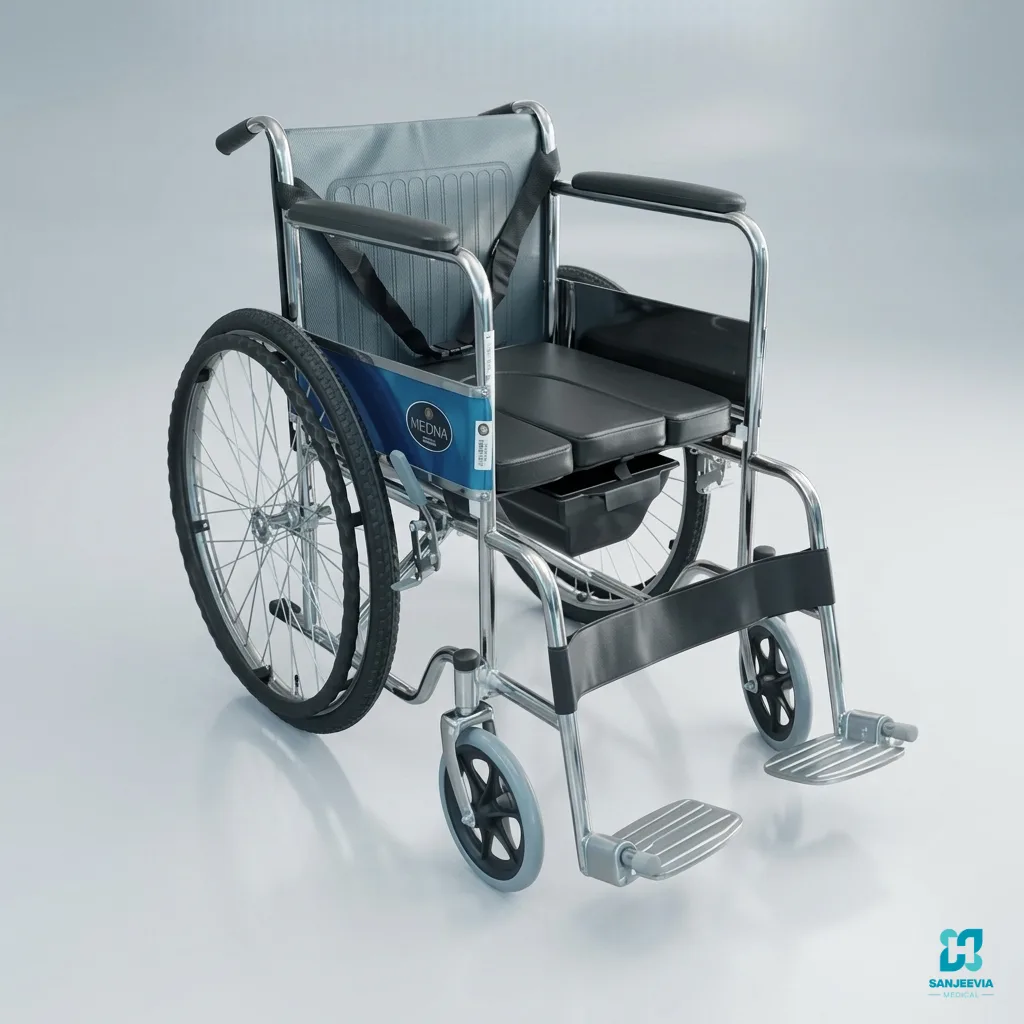
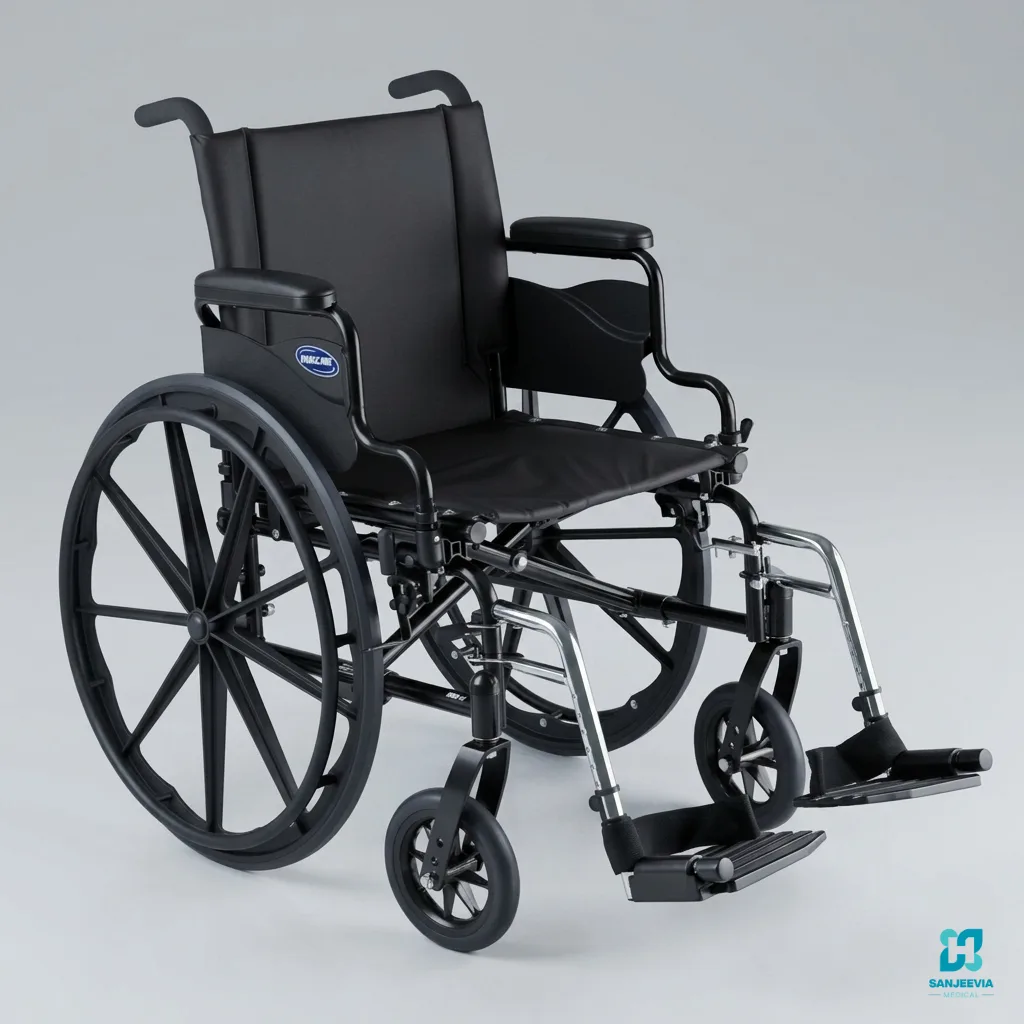
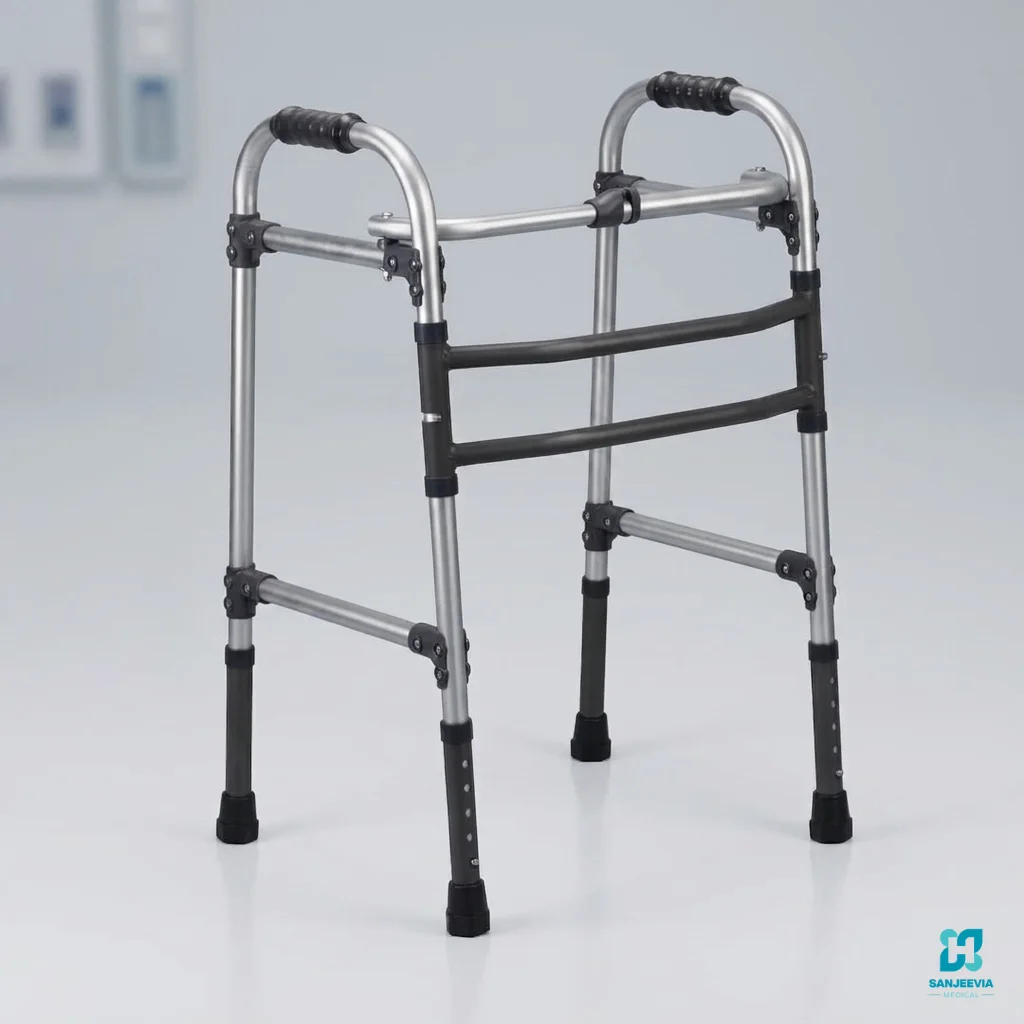
After an individual mobility and falls assessment, families can review Sanjeevia’s Walker / Zimmer Frame, standard manual wheelchair and commode wheelchair. The correct choice depends on fit, brakes, transfer method, bathroom access and the level of assistance prescribed. Use the equipment matcher or contact Sanjeevia to confirm current availability in Delhi NCR.
Published by Sanjeevia Medical.