
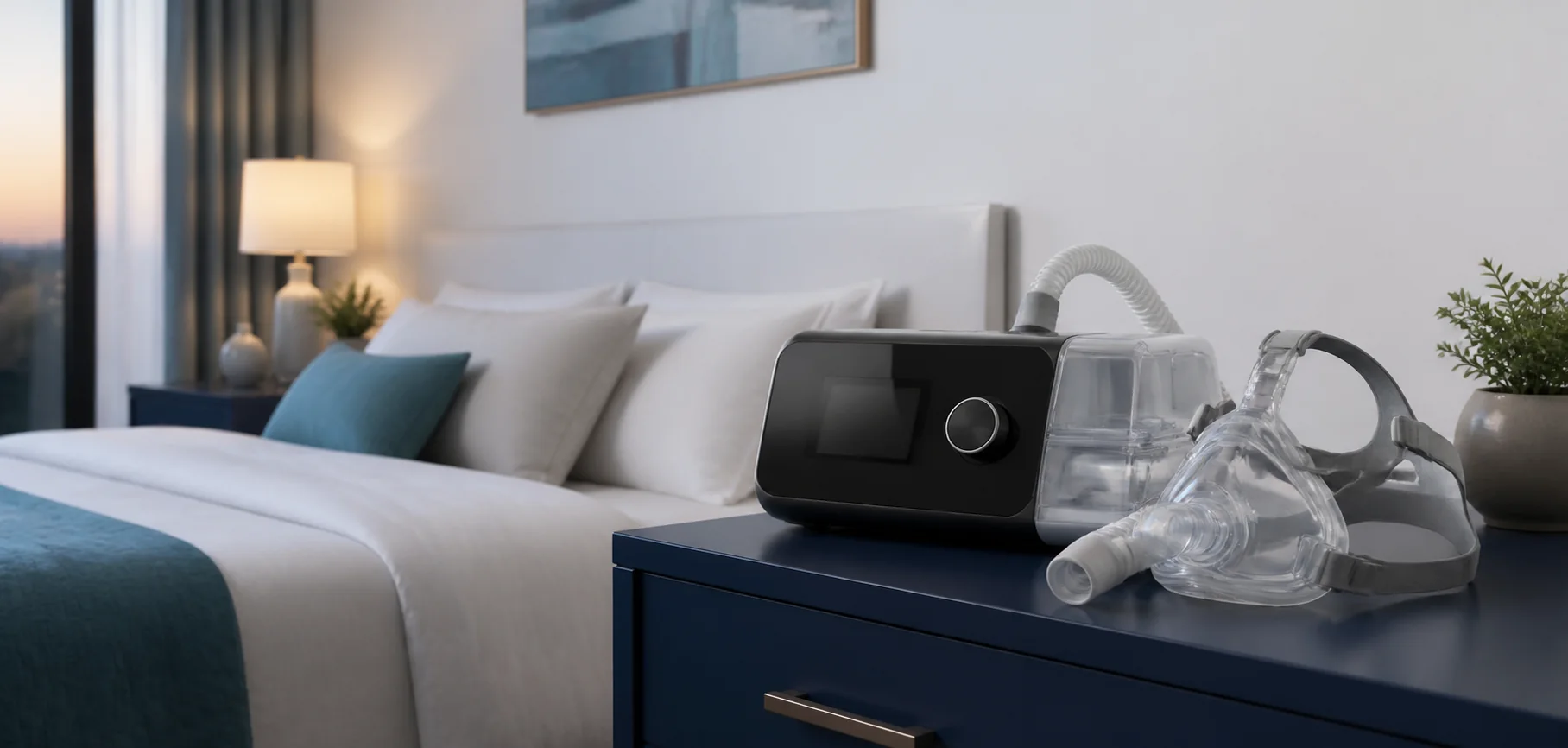
Quick answer: When considering cpap filter replacement, use the prescribed mode, settings and mask rather than changing therapy from symptoms or display data alone. Confirm fit, humidification, cleaning, replacement, power and follow-up with the clinician and equipment provider.
Cleaning and replacement for cpap filter replacement
Follow the manufacturer’s schedule for mask, cushion, hose, humidifier chamber, reusable filters and disposable filters. Many accessories can be cleaned with mild soap and water, but materials and drying instructions vary. Keep the device body and electrical parts dry.
The FDA advises following the PAP manufacturer’s cleaning instructions and cautions against unapproved ozone or ultraviolet cleaners. Such products may expose users to ozone or UV and can damage masks or tubing. An add-on cleaner never replaces the manufacturer’s cleaning routine.
- Wash hands before handling clean parts.
- Use only products permitted in the manual.
- Rinse and air-dry parts completely away from direct sunlight.
- Replace cracked, cloudy, stiff or leaking parts.
- Never reinstall a wet filter unless the manual explicitly allows it.
Prescription, settings and setup
Positive-airway-pressure devices are configured around a diagnosis and assessment. The prescription may specify fixed pressure, a range, inspiratory and expiratory pressures, backup rate, target ventilation, humidification or oxygen connection. These settings are not general comfort controls. Ask who is authorised to change them and how treatment data will be reviewed.
Place the device on a stable surface near bed height with air intake clear, cable protected and enough space to open the humidifier. Keep it away from water, curtains, dust and heat. Use the supplied power unit and a suitable wall socket. Do not add an inline filter, oxygen adapter or third-party accessory unless the prescriber and manufacturer approve that configuration.
Related Sanjeevia guides include the CPAP first-night checklist, manufacturer-led cleaning guide and bilevel-mode questions for families.
Mask fit, leaks and comfort
Fit the mask in the usual sleep position with therapy running and follow the mask guide. The cushion should seal without excessive strap tension. Wash facial oils off before bed when instructed, route the tube so it does not drag, and replace worn cushions or headgear. A persistent leak can reduce comfort and treatment effectiveness and can blow air into the eyes.
Dry nose or mouth, congestion, pressure marks, bloating and sleep disturbance deserve review. Humidifier settings, interface type or pressure response may need clinician or provider input. Stop self-adjusting straps when skin is breaking down or the mask cannot seal; request a refit.
Cleaning, water and replacement
Follow the exact manual for daily and weekly cleaning. Use the permitted mild soap, water type and drying method. Empty and dry the humidifier as instructed, keep electrical parts dry, and never reinstall damp components where the manual requires complete drying. Replace disposable filters rather than washing them.
The FDA warns that unapproved ozone and UV devices have not been shown to safely clean PAP machines and can damage accessories or expose users. Manufacturer cleaning remains essential even when an authorised add-on product is used for a limited purpose. Avoid bleach, alcohol, essential oils and harsh chemicals unless the manual explicitly permits them.
Nightly routine, data and clinical follow-up
Before sleep, check the prescribed profile, mask, tubing, humidifier, filter status and power. After therapy starts, confirm the device is operating normally and that breathing and comfort are acceptable. Do not use dashboard scores as a diagnosis or alter pressure from one night’s data. Share persistent leak, event estimates, usage and symptoms with the reviewing clinician.
Seek clinical help for severe breathlessness, chest pain, blue or grey lips, new confusion, collapse or another emergency. Contact the provider for burning smell, smoke, damaged cable, water inside the device, repeated unexplained alarm or failure to start. If abdominal bloating or significant discomfort occurs, NIH guidance advises contacting the healthcare provider.
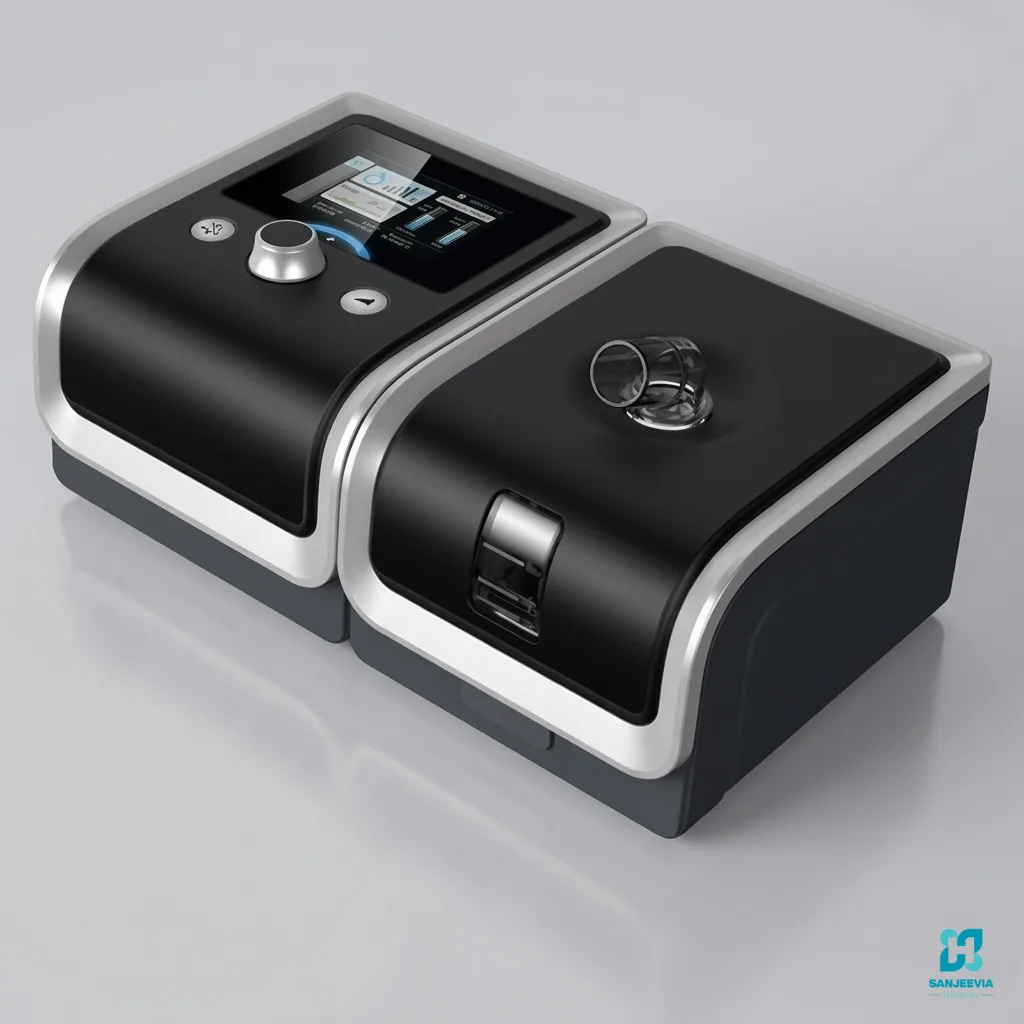
Identify your model in the CPAP/APAP range before ordering a filter and confirm its part number and reusable or disposable status from the manual.
Power cuts, travel and rental support
Ask whether interruption carries immediate risk for this patient. Record the outage plan, approved battery or inverter, expected runtime and clinical escalation point. Heated humidification can change power use. Test backup while the patient is stable and do not reduce settings to save power.
For rental, verify exact mode, settings lock, service status, mask and personal-contact parts, humidifier, filters, data access, fitting, support and replacement response. For travel, protect the machine, empty the chamber, carry the prescription and confirm airline or destination power rules in advance.
First-week adjustment and review
Use PAP for every sleep period as prescribed, including naps and travel. Adjustment can take time, but repeated removal, skipped nights or large leaks should trigger support rather than silent abandonment. A clinician may recommend short awake practice with the mask and airflow to build familiarity; follow that individual advice.
Arrange the first review when the prescribing team requests it. Bring the machine or data report, mask and a concise symptom record. Discuss residual sleepiness, headaches, dry mouth, congestion, aerophagia, awakenings, skin injury and partner-observed snoring or breathing pauses. The provider can distinguish a fit problem from humidification, adherence or setting issues.
What to record without self-adjusting
Record use time, whether the mask stayed on, major leak, comfort symptoms, awakenings, power interruptions and any equipment fault. Device-reported event and leak estimates are useful trends but are not a diagnosis. Note alcohol, illness, unusual sleep position or travel when relevant because context can change a night’s result.
Keep a replacement log for cushion, headgear, hose, chamber and filters. Label rental property and personal-contact items clearly. If more than one caregiver helps, use a shared checklist so the chamber is not overfilled, a wet filter is not reinstalled and a settings profile is not changed accidentally.
Frequently asked questions
Can I change PAP pressure for comfort?
Only if the prescribing clinician has provided a specific self-adjustment plan. Otherwise contact the clinical team or provider.
Can family members share a mask?
No. Masks and other personal-contact parts should be individually fitted and handled according to infection-control and replacement instructions.
Should a mask be tightened until all leak disappears?
No. Over-tightening can distort the cushion and injure skin. Refit in the sleep position and request another size or style if leaks persist.
Can ozone or UV replace washing?
No. Follow manufacturer cleaning. FDA cautions that unapproved ozone/UV cleaners may be unsafe and can damage parts.
Sources and further reading
- NIH/NHLBI: CPAP
- NIH/NHLBI: Sleep Apnea Treatment
- U.S. FDA: CPAP Cleaning Devices
- U.S. FDA: Home-Use Device Considerations
Medical boundary notice: This article is general education, not a diagnosis, prescription or instruction to change PAP settings. Follow the sleep or respiratory clinician’s plan and the exact device and mask manuals.
Need help arranging prescribed PAP equipment? Contact Sanjeevia Medical with the prescription, mode, mask requirements, delivery date and backup needs for compatible rental options in Delhi NCR.
Published by Sanjeevia Medical.