
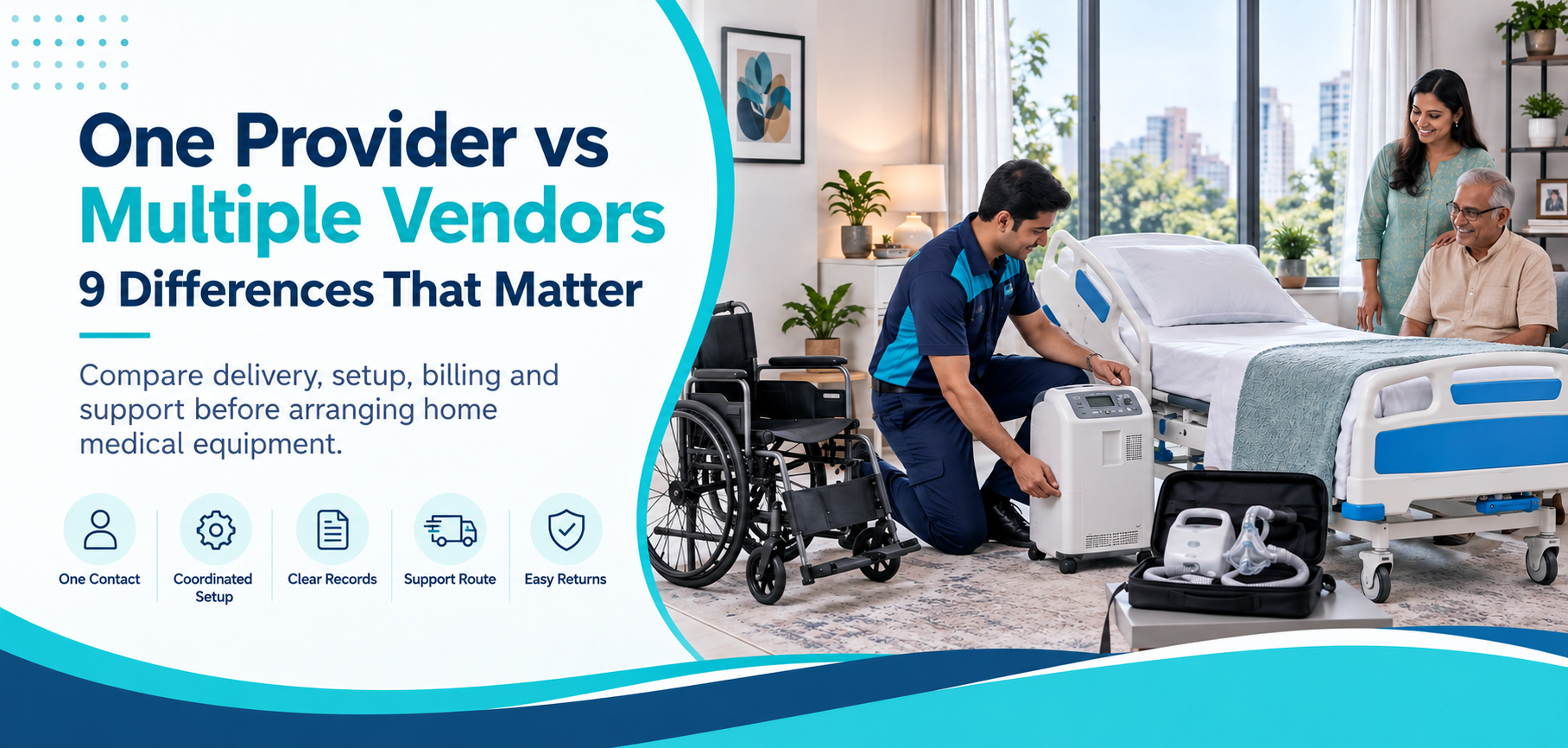
When a family needs a hospital bed, oxygen equipment, a wheelchair or another home-care device, the first decision is often about the product. The next decision is just as practical: should one medical equipment provider coordinate the full requirement, or should the family rent different items from different vendors?
There is no universal winner. A single provider can simplify coordination, records and support when several devices must arrive together. Multiple specialist vendors may be useful when a prescribed device or specialised service is available from only one source. This guide compares the two approaches across nine points that affect the family after the order is placed.
Quick answer: which approach is usually easier?
For a straightforward requirement involving several compatible items, one provider is usually easier to coordinate because the family has fewer calls, handovers and records to manage. For a clinically specialised requirement, the right product and competent support matter more than the number of vendors. Always follow the treating team’s prescription or specification and compare the actual service commitments in writing.
| Decision point | One provider | Multiple vendors |
|---|---|---|
| Coordination | One main contact for the combined requirement | The family coordinates each order separately |
| Delivery sequence | May be planned as one care setup | Separate delivery windows may need alignment |
| Records | Fewer invoices, handovers and support contacts | Separate records for every supplier |
| Specialised choice | Limited to that provider’s suitable range | Can select a specialist for each prescribed item |
| Support | One starting point for coordination | The family must identify which vendor owns the issue |
1. Turning the care plan into one equipment list
With one provider, a family can share the complete requirement in one conversation: the prescribed bed functions, mobility needs, oxygen-flow specification, room constraints, accessories and expected duration. This can expose practical conflicts early. For example, a bedside layout that works for a walker may not leave enough clearance for a wheelchair transfer.
With multiple vendors, each supplier may understand only its own item. The family should therefore create a written master list and give every vendor the details relevant to access, placement and compatibility. A consolidated plan is useful whichever approach you choose.
2. Checking compatibility between products and accessories
Compatibility means more than whether two devices fit in the same room. Accessories must match the correct model; electrical load and plug access must be suitable; and furniture placement must allow safe use. Bed rails, mattresses and transfer aids also require individual assessment rather than automatic addition.
A provider supplying several items may be able to check the combination as a whole. With different vendors, ask each one to confirm model names, dimensions and included accessories in writing. The UK Medicines and Healthcare products Regulatory Agency’s bed-rail safety guidance is a useful reminder that rails can introduce entrapment and other risks if the rail, bed, mattress and user are not properly assessed together.
3. Coordinating delivery in the right sequence
A hospital bed may need to enter before other furniture is positioned. A concentrator needs ventilation space and an accessible power point. A wheelchair needs a clear route from the entrance to the patient area. When one provider handles the order, the sequence may be easier to discuss in a single plan.
When several vendors are involved, avoid assuming that “same day” means the same time or the correct order. Confirm each delivery window, building access, lift dimensions and the person who will receive the equipment. Use our room-preparation guide before the first vehicle arrives.
4. Setup, demonstration and handover
A proper handover should identify the device, included accessories and visible condition, and demonstrate the controls and routine checks relevant to that model. The caregiver should know which actions are normal user tasks and which require technical support.
One combined handover can reduce repetition, but it can also become information-heavy. Ask the receiving family member to take notes and photographs of serial numbers and accessories. With multiple vendors, repeat the same checklist for every delivery and keep the records together.
5. Identifying who handles a fault
When equipment stops working as expected, the first challenge is often identifying the responsible supplier. A single provider gives the family one starting point, although the response time and replacement policy still need to be checked. With multiple vendors, label every device with the correct support number and keep the model and serial number beside it.
Do not attempt an unauthorised repair or open a device casing. If a patient’s immediate safety or prescribed therapy may be affected, follow the care team’s contingency advice and seek appropriate medical help. General workplace guidance from the UK Health and Safety Executive also stresses selecting suitable equipment, maintaining it and ensuring that users receive adequate information and training; see its equipment-safety overview.
6. Managing invoices, deposits and handover records
One provider usually means a smaller set of documents. Multiple vendors mean separate billing cycles, deposits, condition records and return acknowledgements. Neither arrangement is a problem if the paperwork is clear.
For every item, record the provider, product name, model, serial number, accessories, start date, agreed rental period, support contact and return condition. Match every payment to a receipt or invoice. A verbal assurance should be added to the written order or agreement before payment.
7. Extending, exchanging or returning equipment
Recovery timelines change. A device may be needed for longer, a different model may be prescribed, or one item may be ready for return while the rest remain in use. One provider may coordinate these changes through a single account. With multiple vendors, each request follows a separate policy and timeline.
Ask how much notice is needed, how an extension is documented, what happens to the current billing cycle, and how collection condition is recorded. Our guide to extending, exchanging or returning rented medical equipment provides a practical checklist.
8. Keeping accountability clear
A single contact can make escalation simpler, but accountability still depends on a clear agreement. Ask who will respond, during which hours, and what the family should do outside those hours. If several vendors are used, create an equipment contact sheet so a caregiver does not call the wheelchair supplier about the bed or the bed supplier about the concentrator.
9. Balancing convenience with specialist capability
Convenience should never override the prescribed specification. A family may reasonably choose one provider for the bed and mobility equipment while using a specialist source for a particular respiratory device. The best arrangement is the smallest number of competent providers that can meet the complete, correctly specified need.
When one provider may make sense
- Several items are needed for the same discharge or home-care setup.
- Delivery order, room access and setup must be coordinated.
- The family wants one starting point for extensions, exchanges and returns.
- The provider can supply every required model or specification and explain support terms clearly.
When multiple vendors may be the better choice
- A prescribed model or specialised accessory is unavailable from one provider.
- A device requires specialist setup, training or service capability.
- The family already has a reliable provider for one part of the care plan.
- The combined offer does not meet the required specification or written support terms.
Questions to ask before choosing
- Can you supply the exact prescribed functions, capacity and accessories?
- Which items are owned and supported by your company?
- Who coordinates delivery and setup when several products are ordered?
- What will be demonstrated at handover?
- How are serial numbers, accessories and condition recorded?
- What is the process for a fault, exchange, extension or return?
- Which terms will appear on the invoice or rental agreement?
- Who is the single escalation contact for the family?
Relevant equipment families to compare
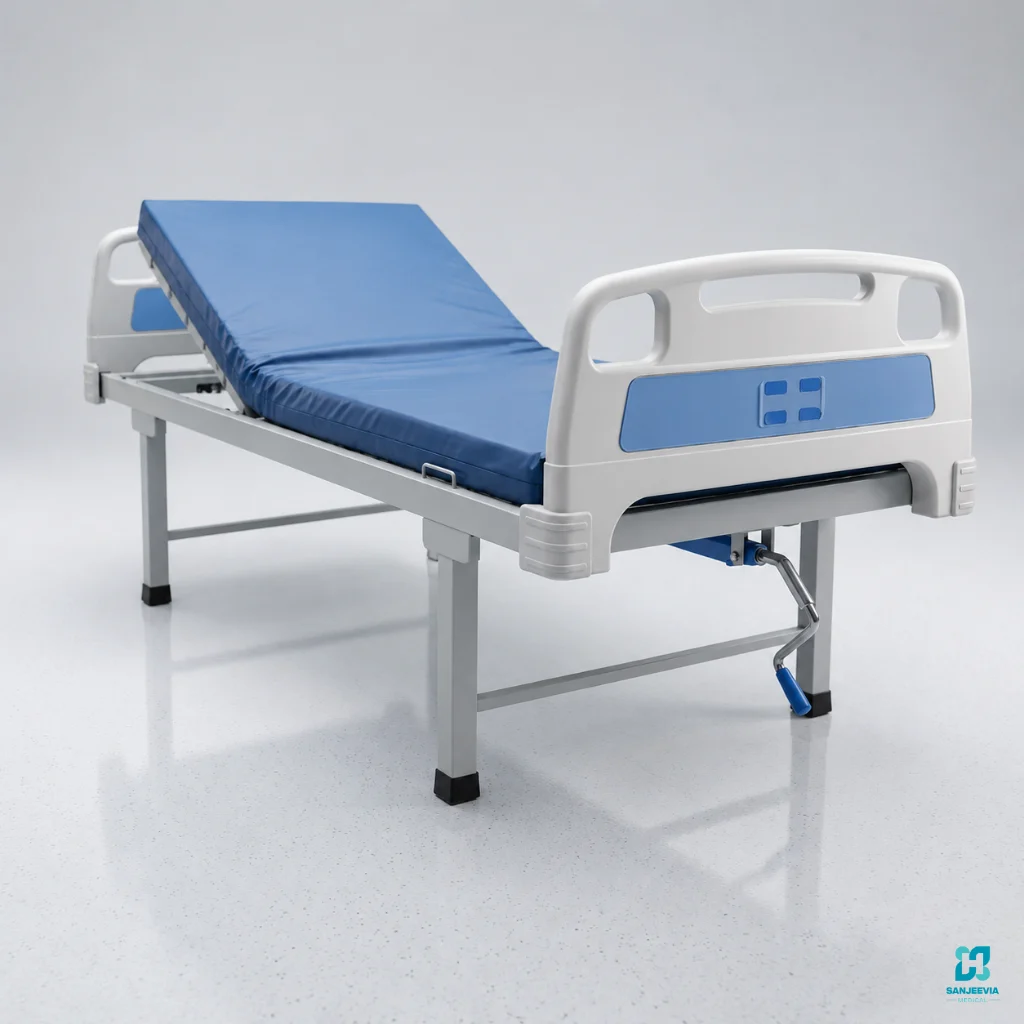
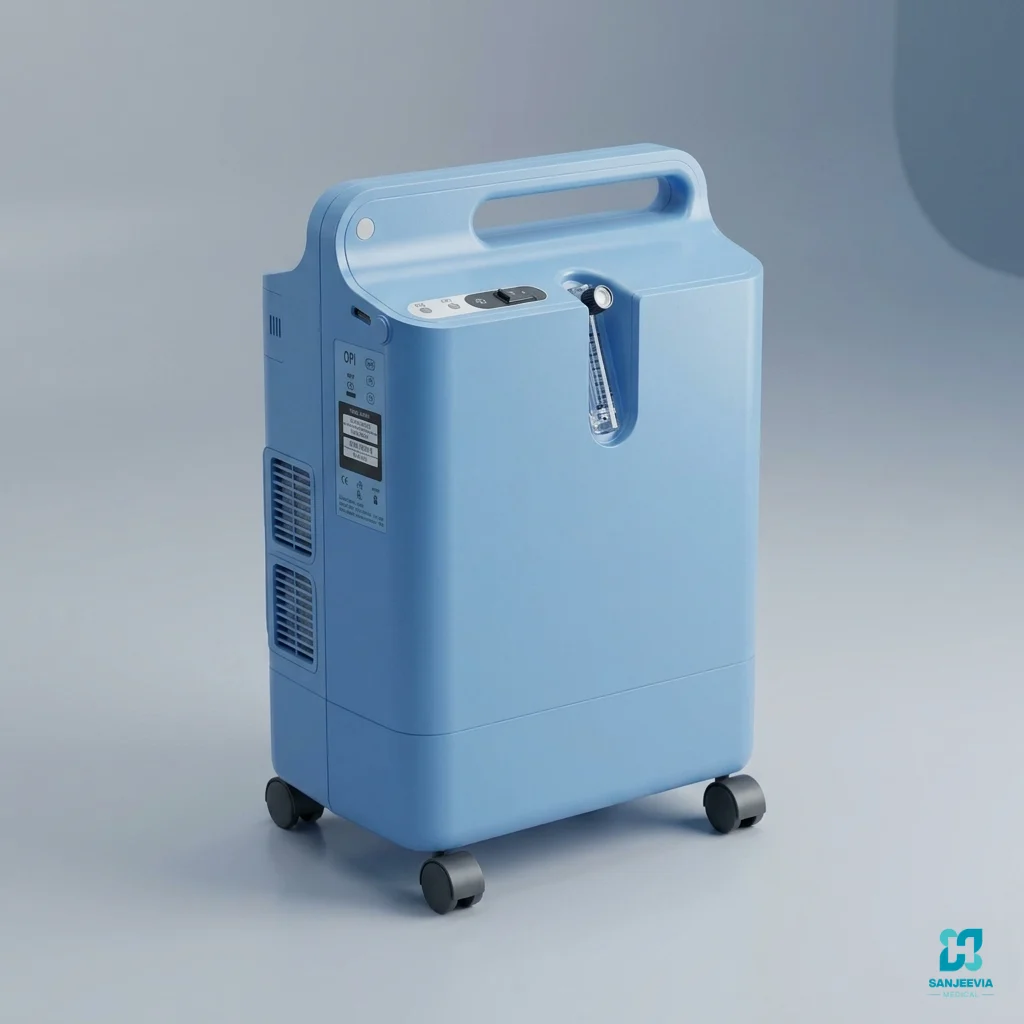

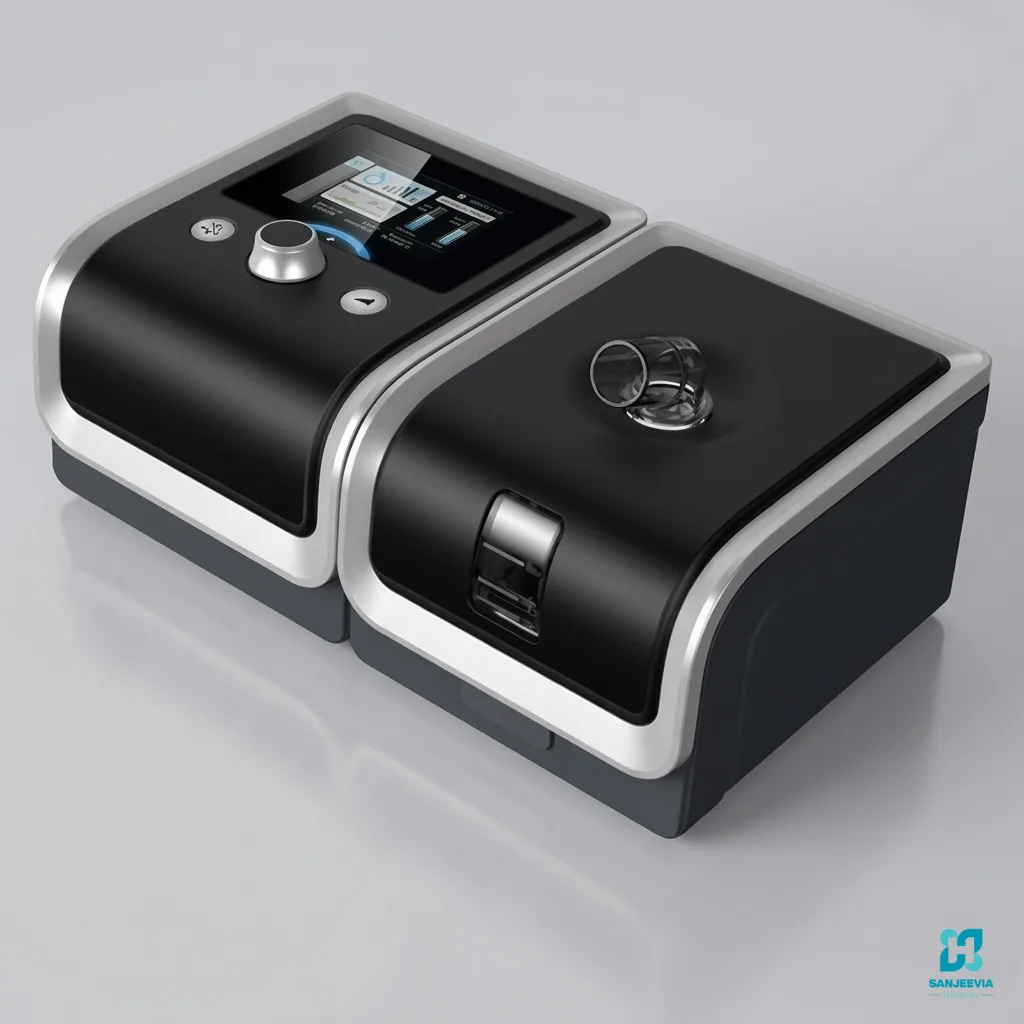
How Sanjeevia can help families compare the setup
Sanjeevia supplies a range of home medical equipment in Delhi NCR. Families can share the prescribed requirement, patient-use context and room constraints so the available options can be discussed together. Suitability and therapy settings must still come from the treating clinician where required. See how the Sanjeevia rental process works and our guide to coordinating multiple medical equipment rentals at home.
Frequently asked questions
Is renting all medical equipment from one provider always better?
No. It can simplify coordination, but the provider must still meet every prescribed specification and offer clear support. A specialist vendor may be more appropriate for a particular device.
Can products from different vendors be used in the same room?
Often yes, but dimensions, electrical needs, accessories, clearance and the patient’s transfer plan should be checked. Do not assume that accessories from one model fit another.
What records should a family keep for rented equipment?
Keep the provider name, model, serial number, included accessories, delivery condition, start date, agreement, invoice, support contact and return acknowledgement for each item.
What is the most important comparison point?
The equipment must meet the clinical specification and the provider must explain setup, support and return terms clearly. Convenience comes after suitability and safe use.
Safety note: This guide supports planning and provider comparison. It does not select medical equipment or replace advice from the treating clinician, physiotherapist or other qualified professional.