
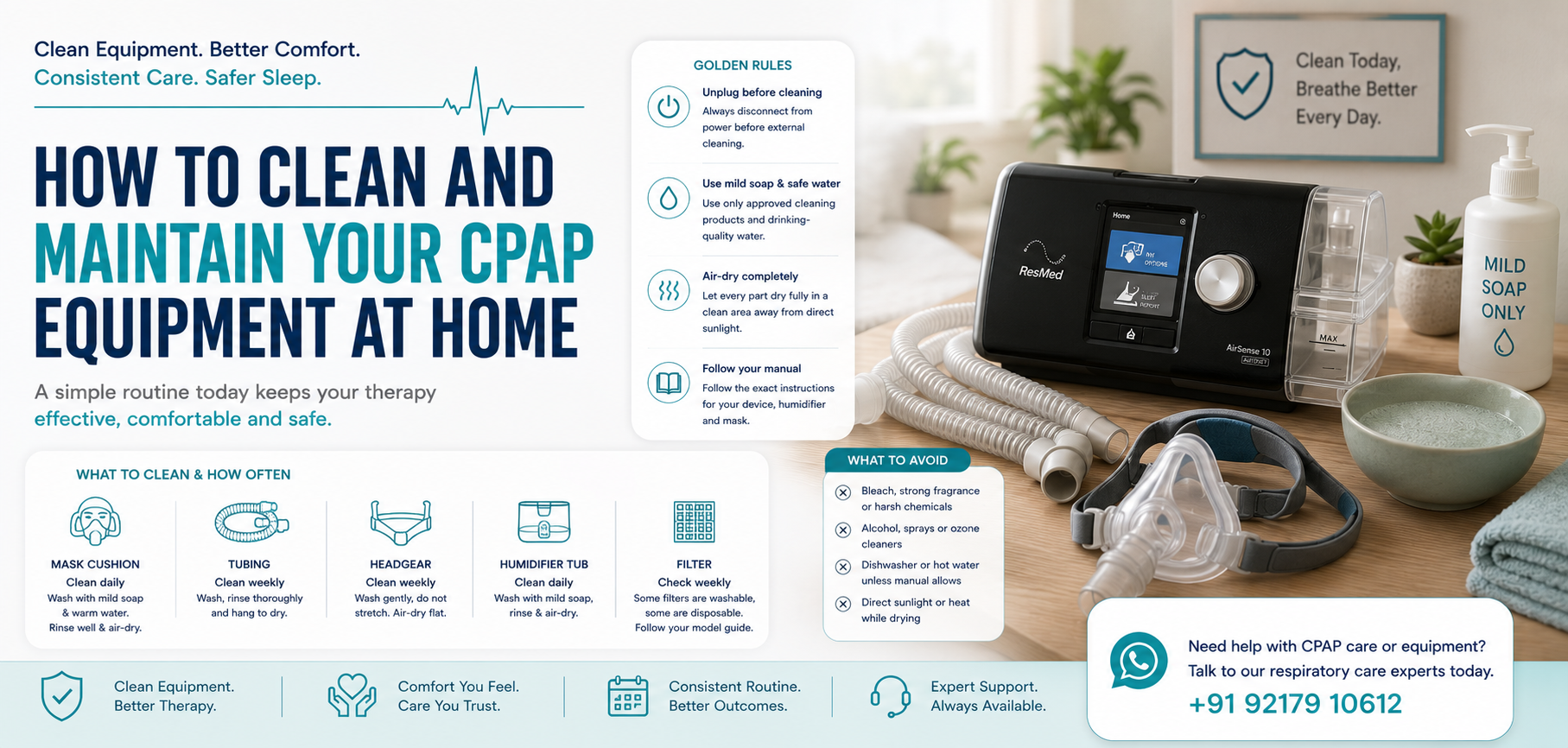
Follow the manual for the exact device and mask. In general, clean the mask cushion regularly with mild soap and warm drinking-quality water, wash tubing and headgear on the recommended schedule, rinse thoroughly and air-dry away from direct sunlight. Never immerse the machine.
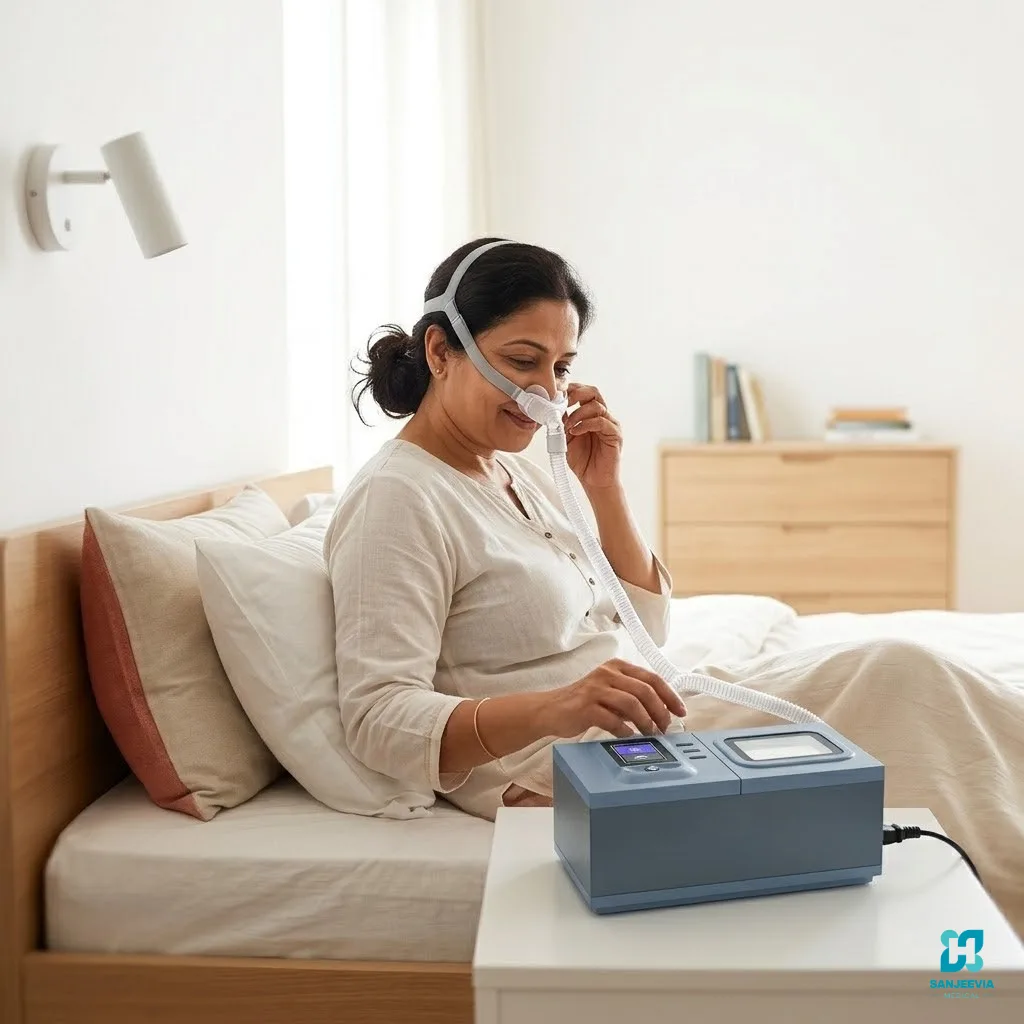
“Can I spray sanitiser inside the mask and use it immediately?” Strong cleaners can leave irritating residue or damage cushions and tubing. A simple, repeatable routine is safer than improvised disinfection.
At a Glance
- Disconnect equipment from power before external cleaning.
- Use only cleaning products and water quality allowed by the manufacturer.
- Allow every washed component to dry fully before reassembly.
Mask and Cushion Care
Separate only the parts shown in the user guide. Wash the cushion gently to remove facial oils, rinse thoroughly and place it away from direct sunlight to air-dry. Clean headgear at the stated interval without stretching it.
Inspect for cracks, stiffness, cloudiness or a seal that no longer springs back. Worn parts can cause leaks even when adjusted correctly.
Tubing and Humidifier Care
Remove tubing by gripping the cuff rather than pulling the hose. Wash and rinse as instructed, then lay or hang it where water can drain and air circulate. Do not reconnect wet tubing unless the manufacturer specifically allows it.
Empty and clean the humidifier tub on its schedule using the specified water and method. Scale, discolouration or cracks may signal that cleaning or replacement is needed.
Machine and Filter Care
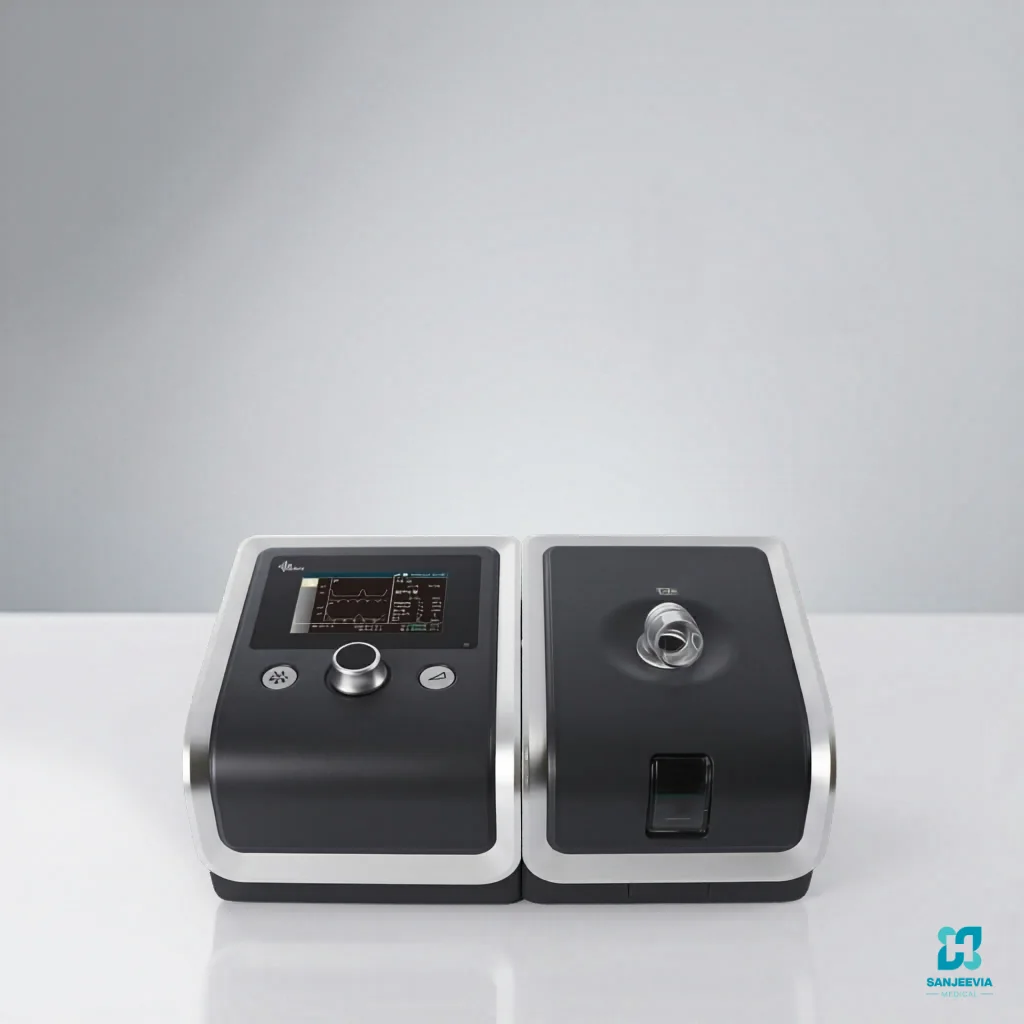
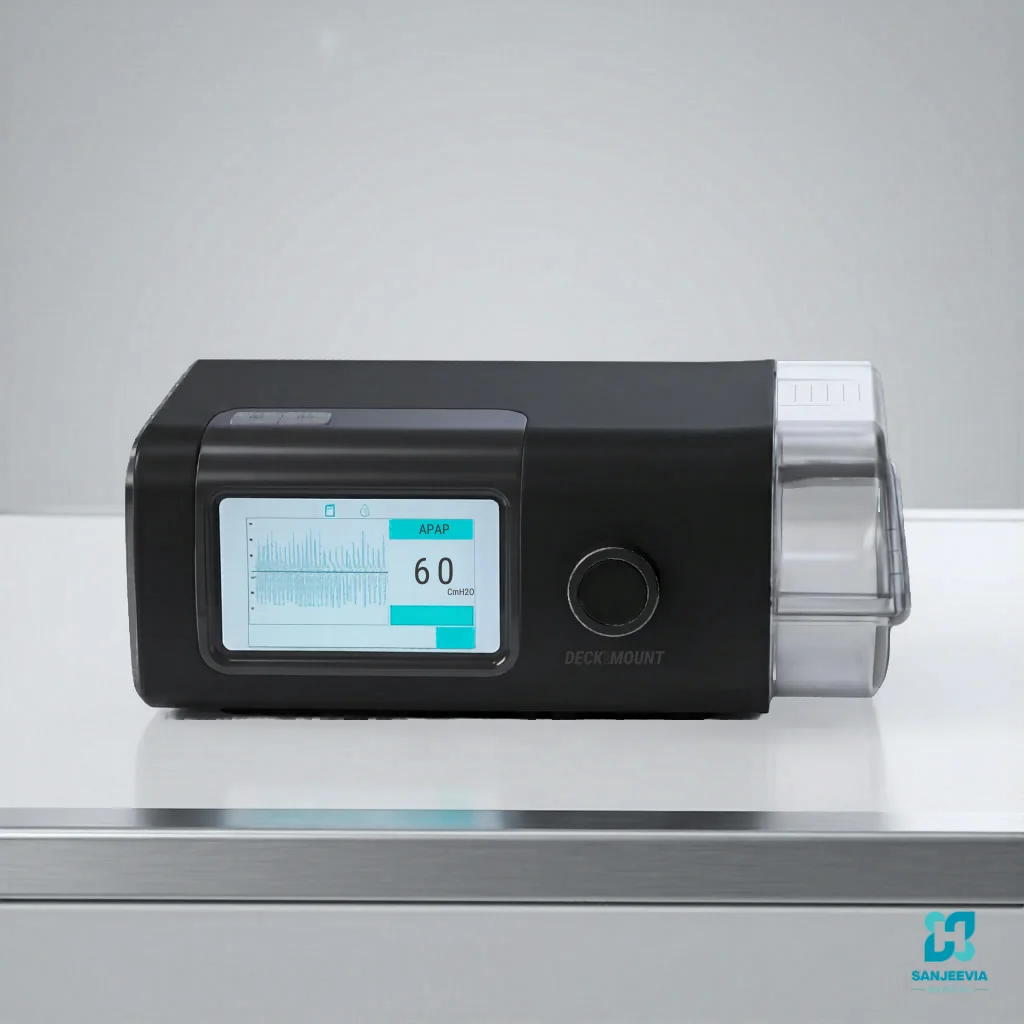
Wipe only the outside of the unplugged machine with an appropriate cloth. Do not pour water into openings or attempt internal cleaning.
Some filters are washable and some are disposable. Follow the model-specific schedule; washing a non-washable filter can damage it or affect performance.
What to Keep Ready
- Exact device, humidifier and mask manuals
- Mild approved cleaning product
- Clean drying area away from direct sun
- Replacement schedule for cushion, tube and filter
- No bleach, strong fragrance, alcohol or ozone unless expressly approved
- Machine kept dry and unplugged during external cleaning
Clinical Safety Comes First
Do not copy pressure settings, oxygen connections, modes or alarm limits from another patient or an online video. If breathing worsens, the patient becomes confused or unusually drowsy, lips appear blue or grey, or the prescribed support cannot be delivered, follow the clinician’s escalation plan and seek urgent medical help.
Frequently Asked Questions
Can we wash CPAP parts in a dishwasher?
Only if the exact component’s manual says it is dishwasher-safe. Many tubes and masks are not.
Can two people share the same mask?
Do not share personal interfaces. Rental equipment should be professionally processed and supplied with appropriate patient components.
Why does the tube smell after washing?
Soap residue or incomplete drying may be responsible. Rinse thoroughly and contact the provider if odour persists.
Can we use baby wipes?
Many manufacturers advise against wipes containing alcohol, fragrance or moisturisers. Follow the mask guide.
Trusted Patient References
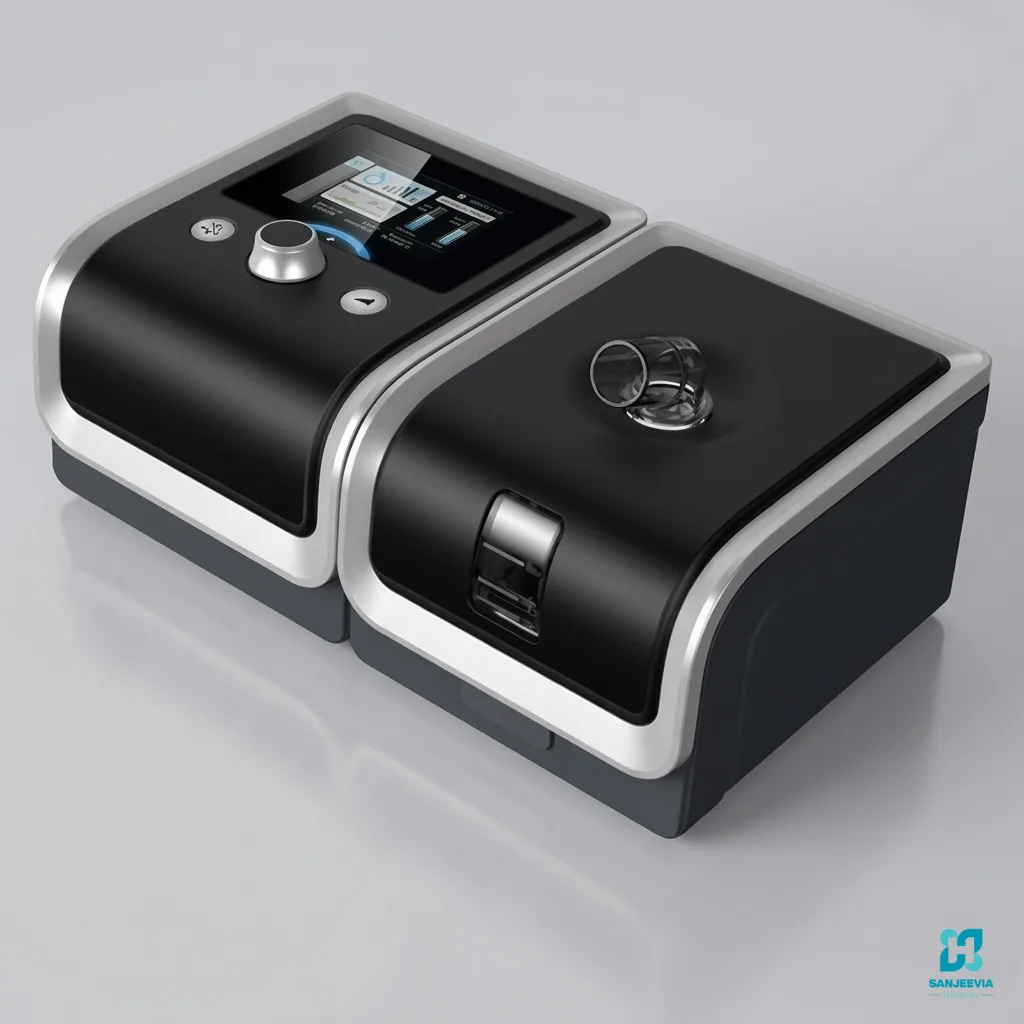
For model-specific cleaning and replacement questions, identify the exact device in the CPAP/APAP catalogue or BiPAP catalogue and use that unit’s manual rather than treating their filters and humidifiers as interchangeable.
Compare Respiratory-Care Equipment
Keep the prescription and current interface details ready, then browse Sanjeevia’s BiPAP, CPAP and ventilator options. Confirm the exact mode capability, accessories, setup, training, service and current availability before booking.
Related Guidance and Equipment
Respiratory equipment must match the written prescription; these links provide the relevant comparison and exact product specifications.
Continue Reading
- BiPAP vs CPAP vs Ventilator — understand the different types of respiratory support.
- Managing COPD at Home — coordinate oxygen, BiPAP and the daily care routine.
Relevant Product Pages
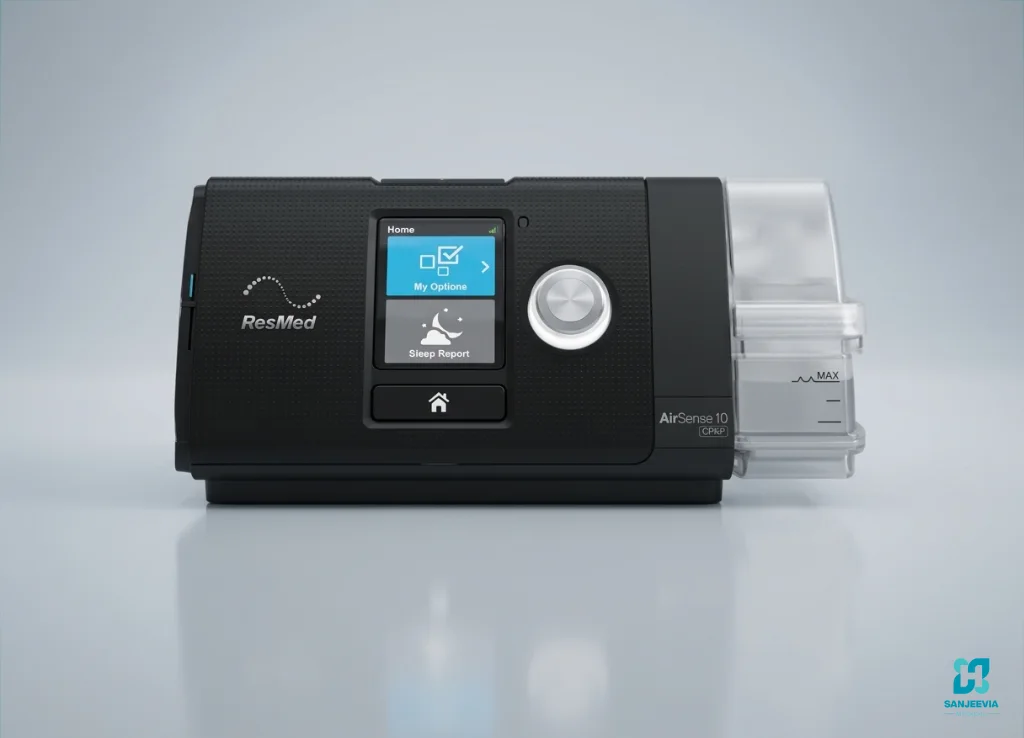
- ResMed AirSense 10 CPAP — review a CPAP option for clinician-diagnosed sleep apnoea.
- CPAP Machine on Rent — compare a basic rental option against the prescribed therapy.
Medical disclaimer: General information only. The treating clinician must prescribe the device, mode, pressures, oxygen plan and monitoring.
Published by Sanjeevia Medical | Delhi NCR