
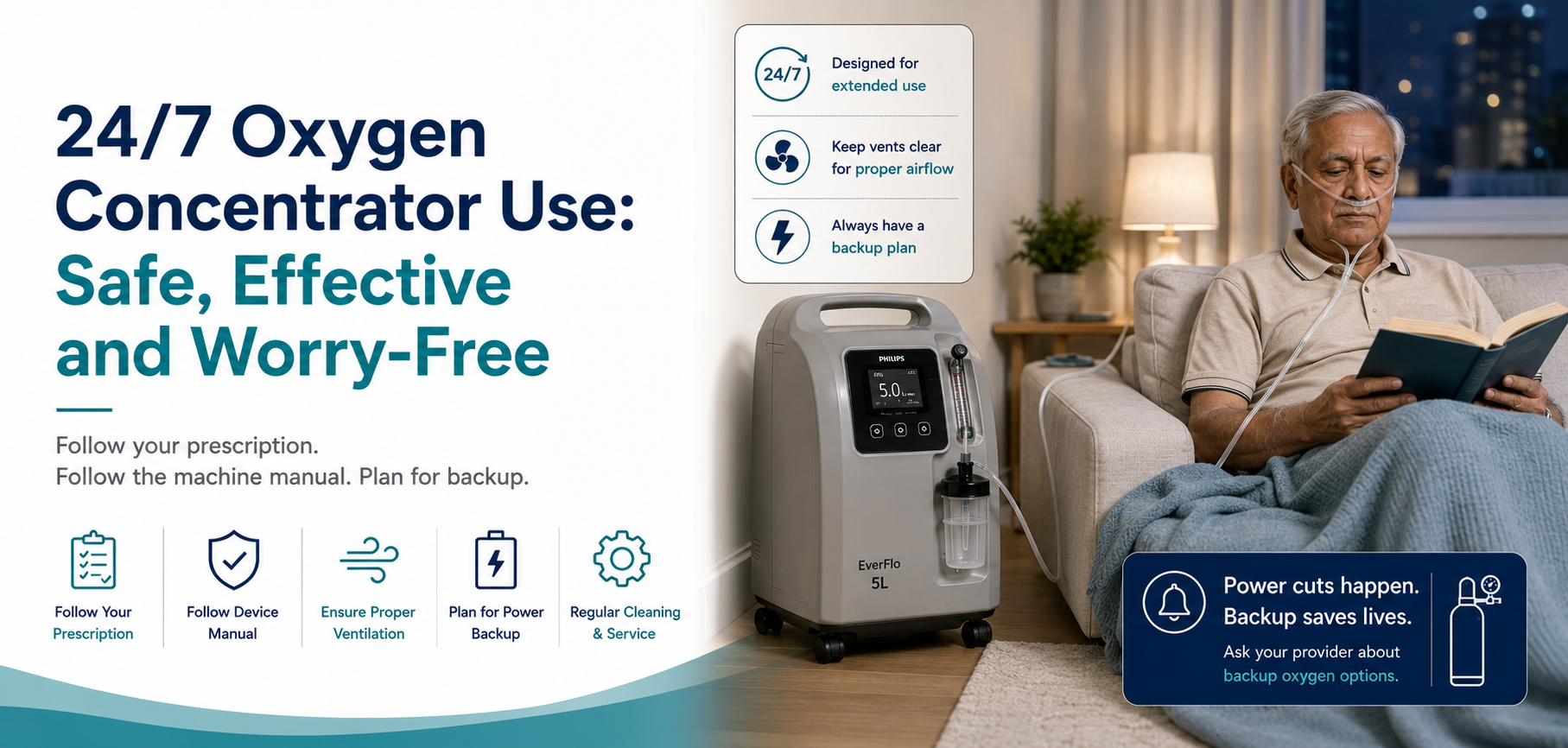
Many stationary oxygen concentrators are designed for extended or continuous operation, but the patient should use oxygen only for the duration and flow prescribed. The exact device manual governs runtime, ventilation and maintenance, and a power-failure backup plan is essential when oxygen is required continuously.
“The doctor has written oxygen for most of the day. Will the concentrator overheat if we never switch it off?” Families often confuse two questions: how long the patient needs therapy and how long the particular machine can operate. Both must be confirmed.
At a Glance
- Follow the prescription for patient use and the model manual for device operation.
- Keep the concentrator upright with ventilation around all vents.
- Plan for power cuts, alarms and servicing before continuous use begins.
Continuous Therapy Does Not Mean Guessing the Flow
The number of daily hours and flow rate are medical decisions. A machine capable of running continuously does not make it safe to increase or reduce therapy time independently.
If the prescription includes sleep, confirm how the cannula or mask should be worn and whether another respiratory device is also involved.
Prevent Heat and Airflow Problems
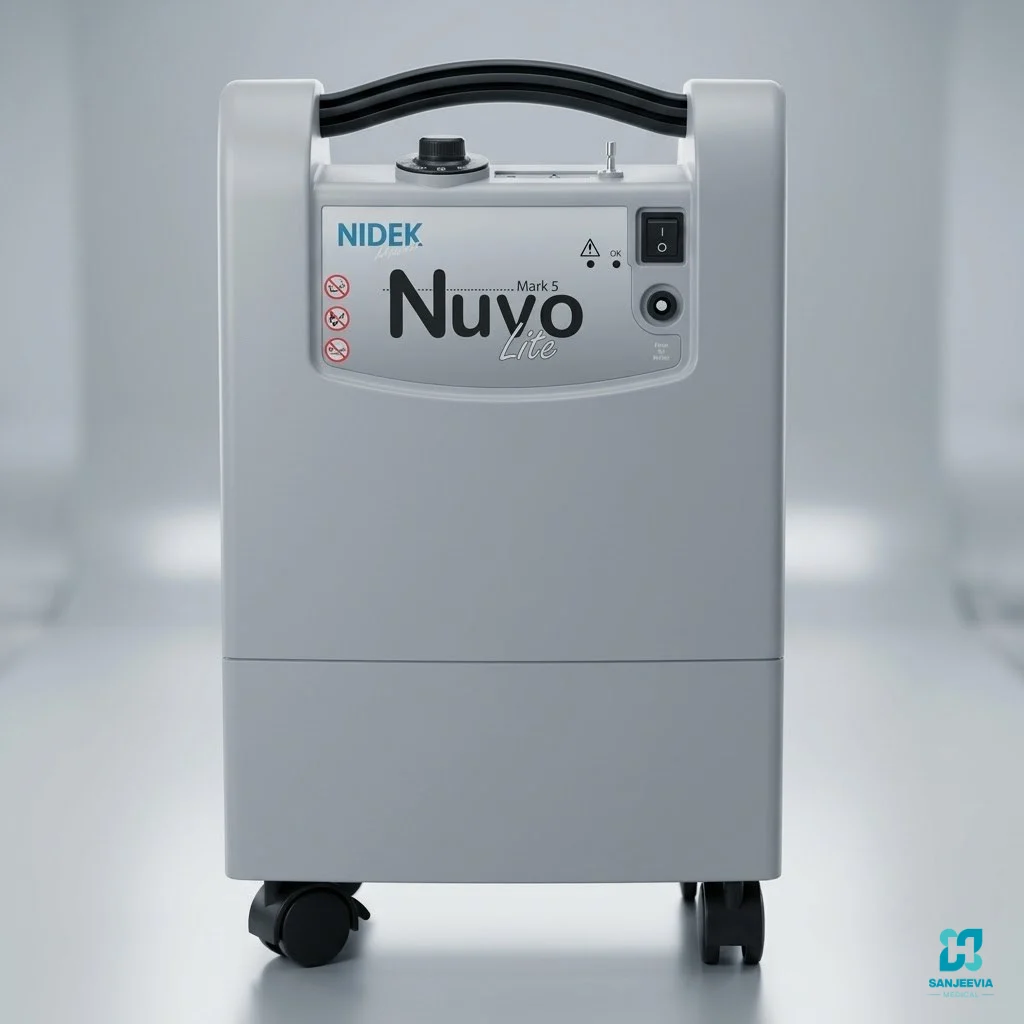
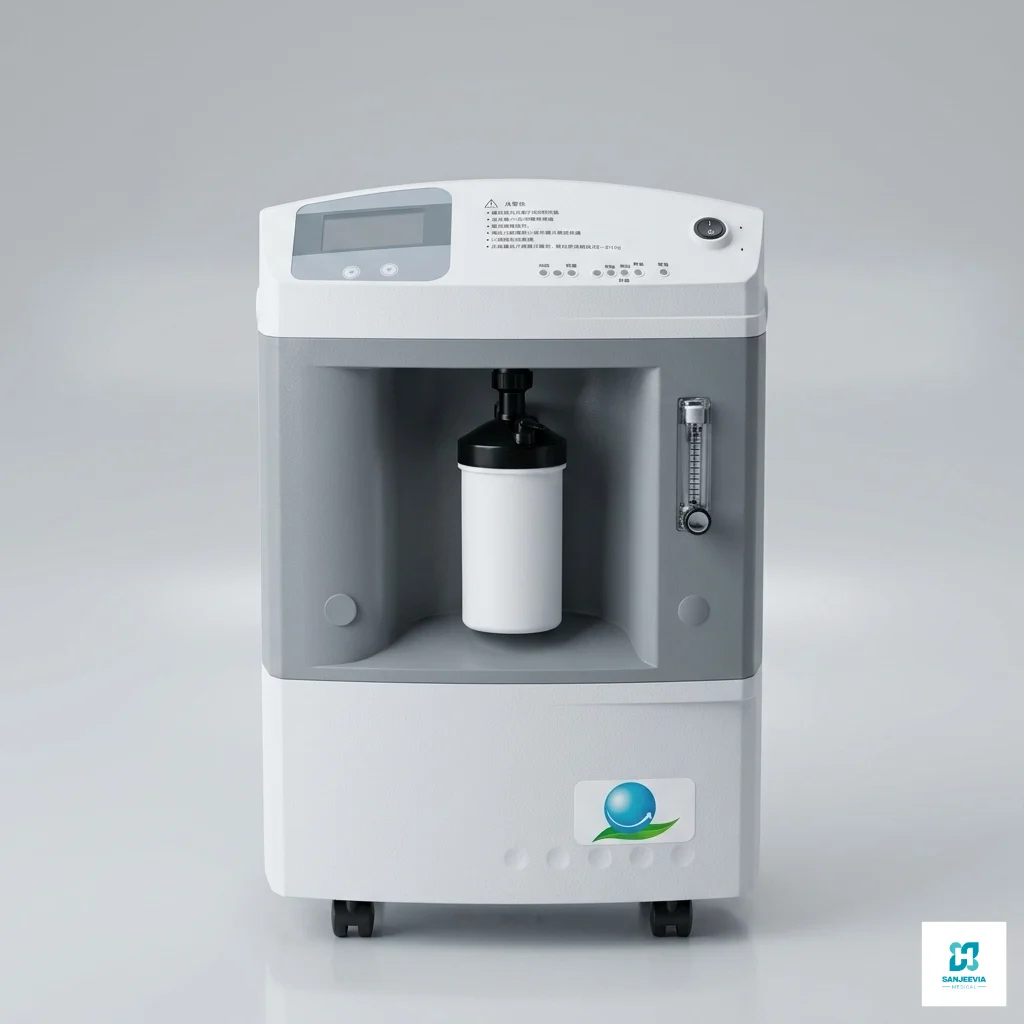
A concentrator draws in room air and releases heat. Place it in an open, dry area away from curtains, bedding and direct heat. Do not cover it to reduce noise.
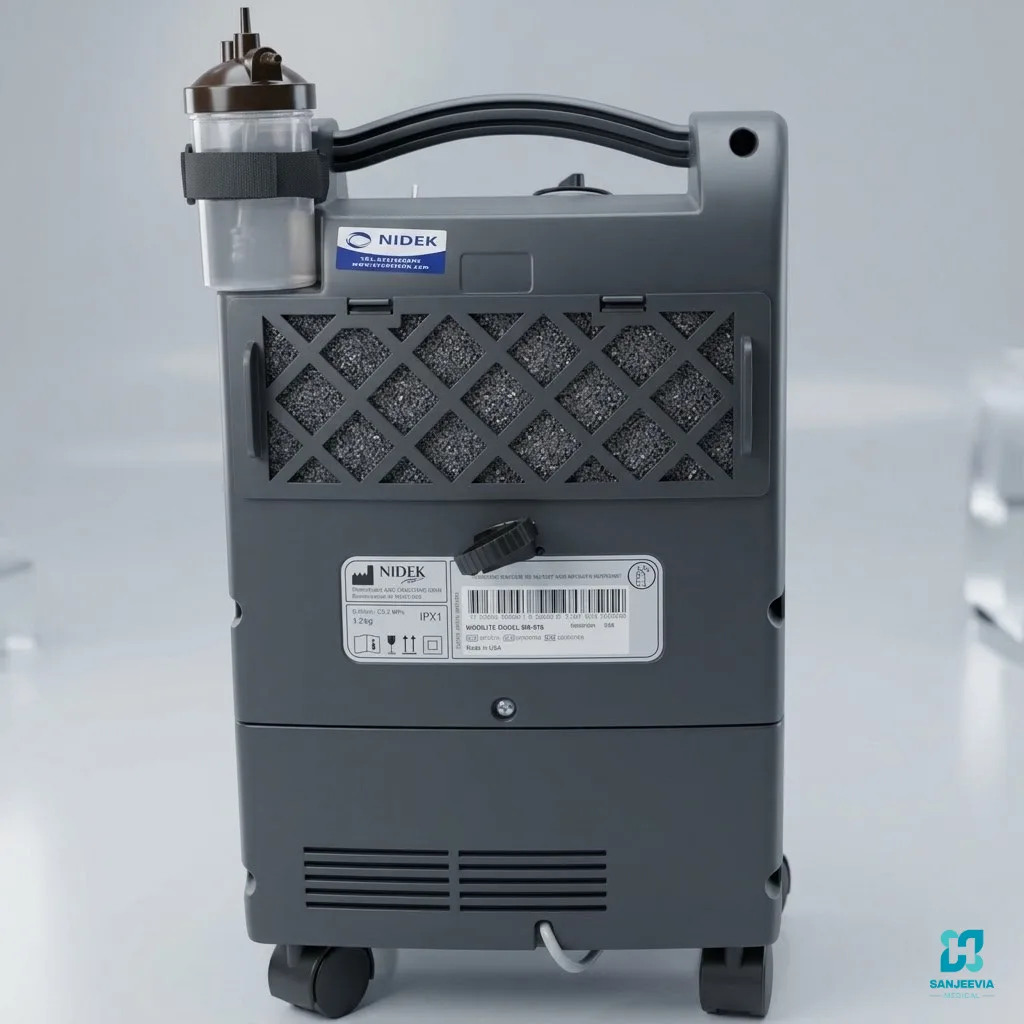
Check the user-cleanable filter and external surfaces on the schedule in the manual. Internal servicing belongs to trained technicians.
Plan for Electricity and Service Interruptions
The concentrator stops producing oxygen when electricity fails. If uninterrupted oxygen is clinically necessary, the care team and provider should define a backup source and how long it must last.
Keep a simple log of alarms, unusual noise, service dates and changes in performance. Arrange service rather than waiting for a complete failure.
Safe Checks to Keep Ready
- Prescribed flow and daily duration
- Model’s permitted operating and rest instructions
- Open space around air inlets and outlets
- Backup oxygen for outages if prescribed
- Filter-cleaning schedule
- Plan for service or replacement if the unit faults
Important: Do Not Change Oxygen Flow on Your Own
Use the flow rate, duration and delivery device prescribed by the treating clinician. If the patient is breathless, unusually drowsy or confused, has blue or grey lips, chest pain, or is deteriorating, seek urgent medical help. Equipment checks must not delay emergency care.
Frequently Asked Questions
Should we switch the concentrator off every few hours?
Follow the exact manual and prescription. Many stationary models support long operation, but instructions vary.
Does 24-hour use consume the filter faster?
Longer operation increases air processed, so cleaning and service schedules matter.
Can it stay in an air-conditioned room?
Usually room temperature is acceptable, but follow the model’s operating range and keep vents clear.
Can we place it next to the patient’s bed?
Keep it where airflow, noise, tubing length and fire safety are appropriate. Do not place it under or against bedding.
Trusted Patient-Safety References
Arrange Oxygen Support in Delhi NCR
Keep the prescription ready, including flow rate and duration, then compare Sanjeevia’s oxygen-support options. Confirm the exact equipment, backup plan, accessories, demonstration and current availability before booking.
Related Guidance and Equipment
For prescription-led oxygen care, the links below explain the next decision and point to the exact equipment pages discussed.
Continue Reading
- Using an Oxygen Concentrator at Night — prepare overnight use and power backup.
- Oxygen Cylinder vs Oxygen Concentrator — compare continuous powered oxygen with cylinder supply.
Relevant Product Pages
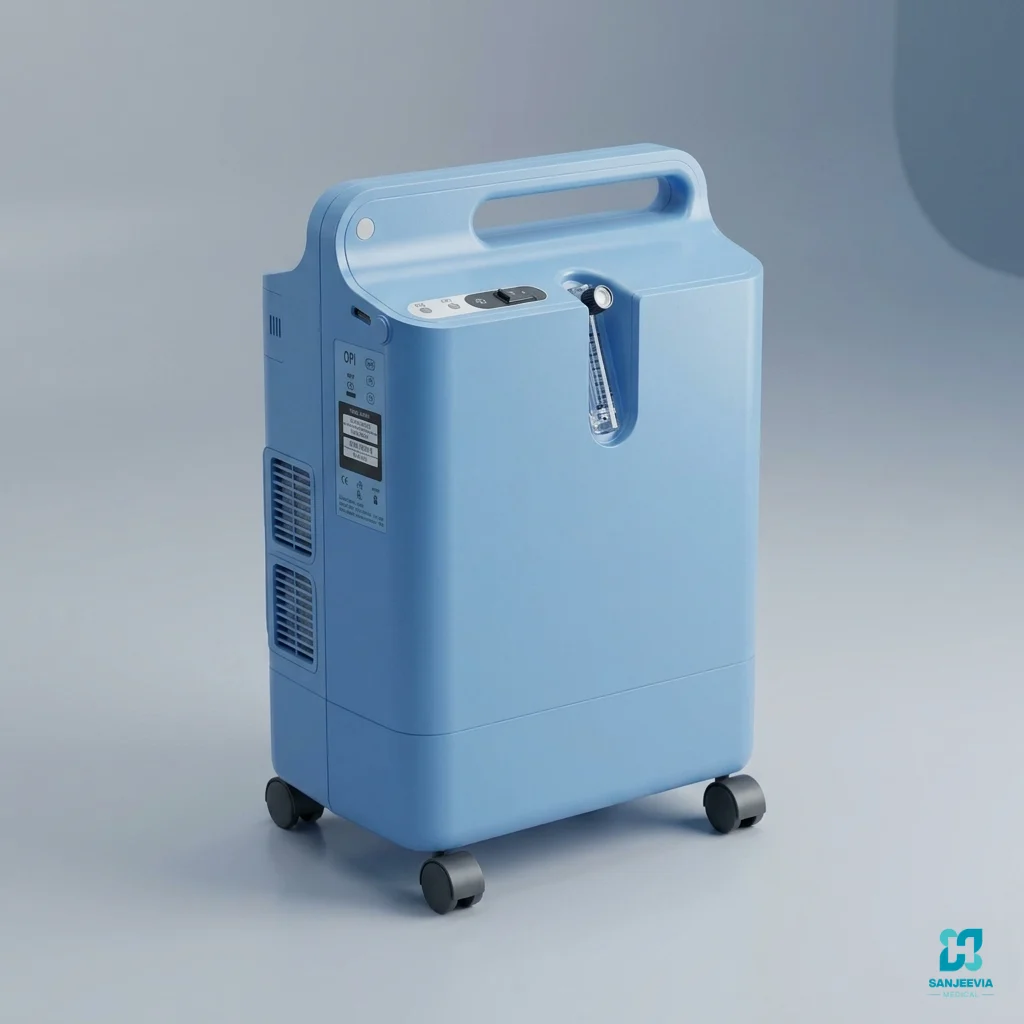
- Philips EverFlo 5L Oxygen Concentrator — review a published 5 LPM concentrator option.
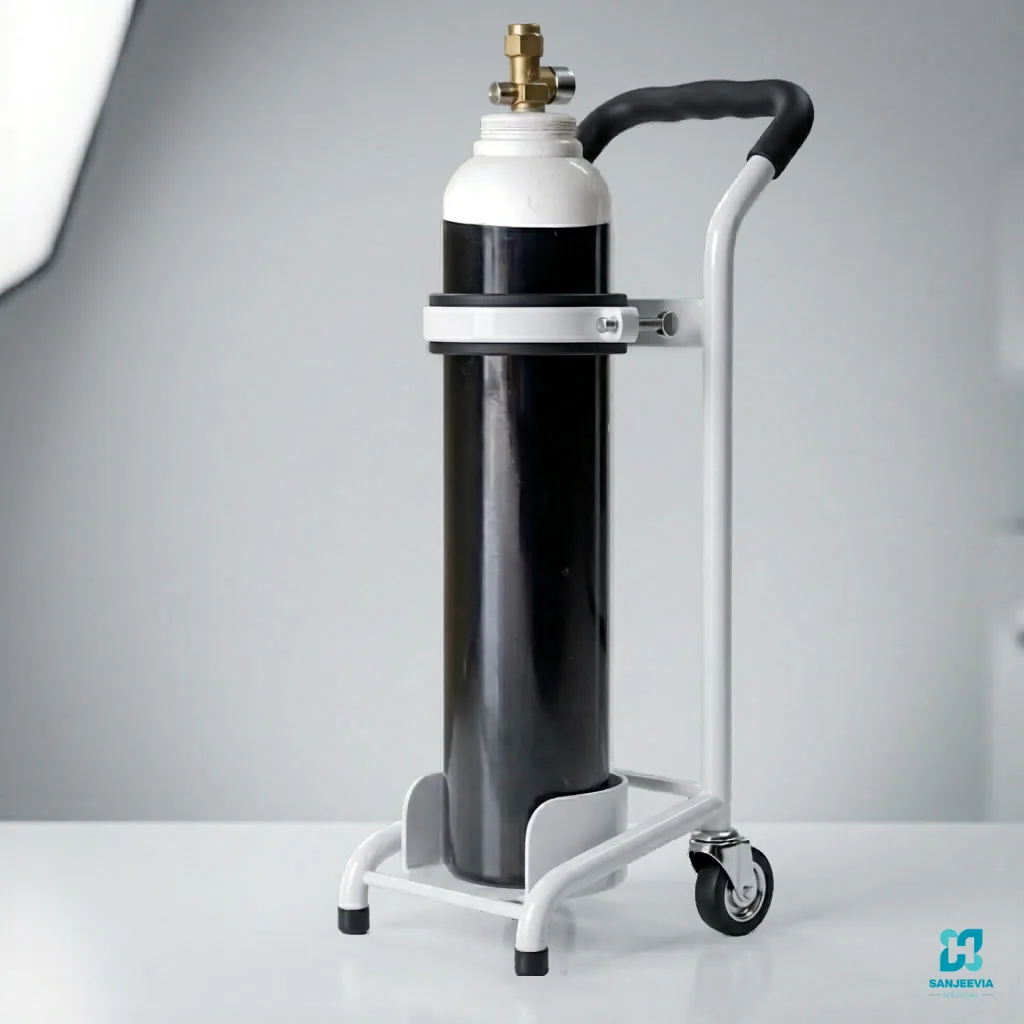
- 47L Medical Oxygen Cylinder — review a large-cylinder primary or backup option.
Medical disclaimer: This content is general information, not a diagnosis or treatment plan. Oxygen is a prescribed therapy. Follow the treating clinician and device manual.
Published by Sanjeevia Medical | Delhi NCR