
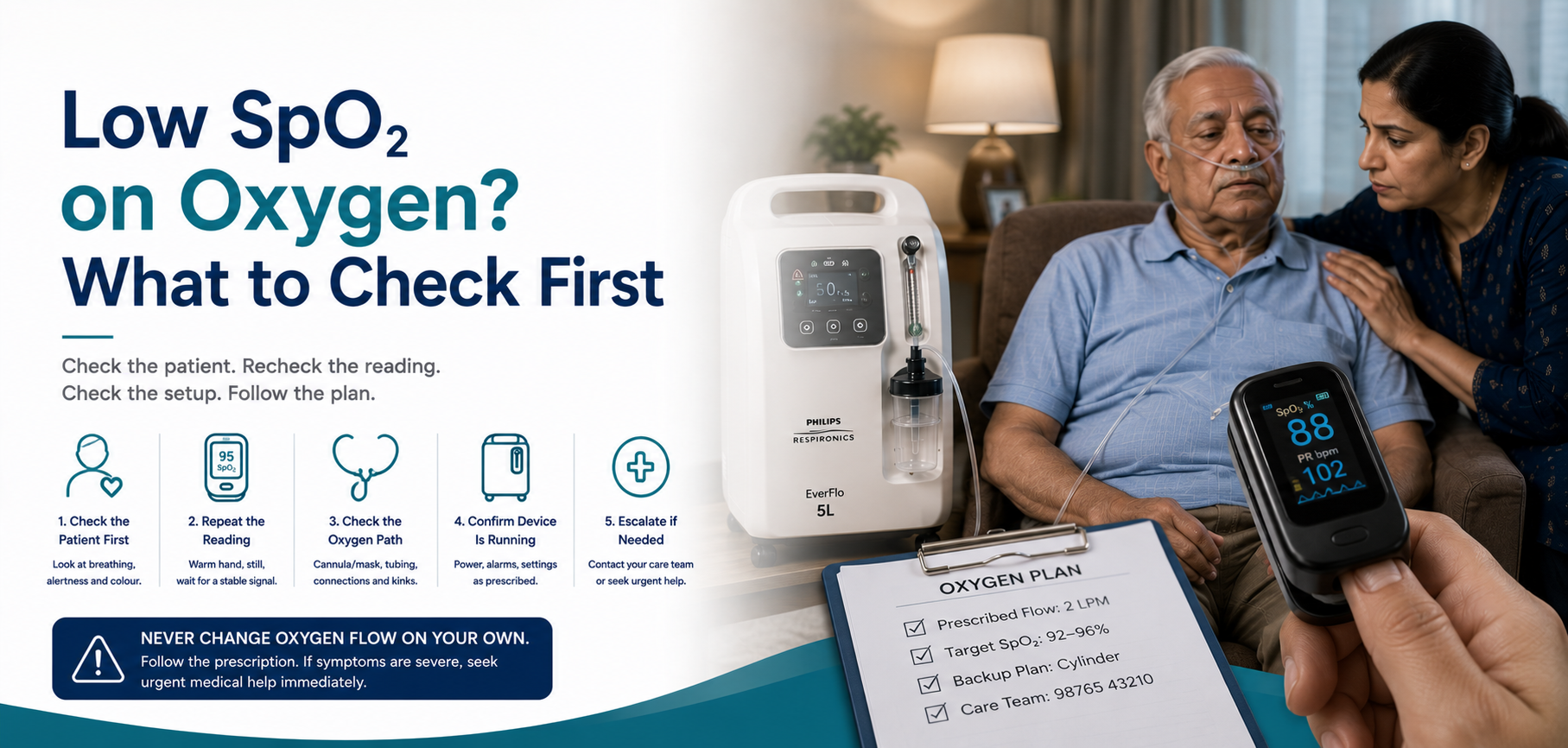
First, look at the patient, not only the number. If the patient is struggling to breathe or looks seriously unwell, seek urgent medical help. If the patient is stable, repeat the reading correctly, check the cannula or mask and tubing, confirm the oxygen device is running, and contact the treating team. Do not increase the prescribed flow independently.
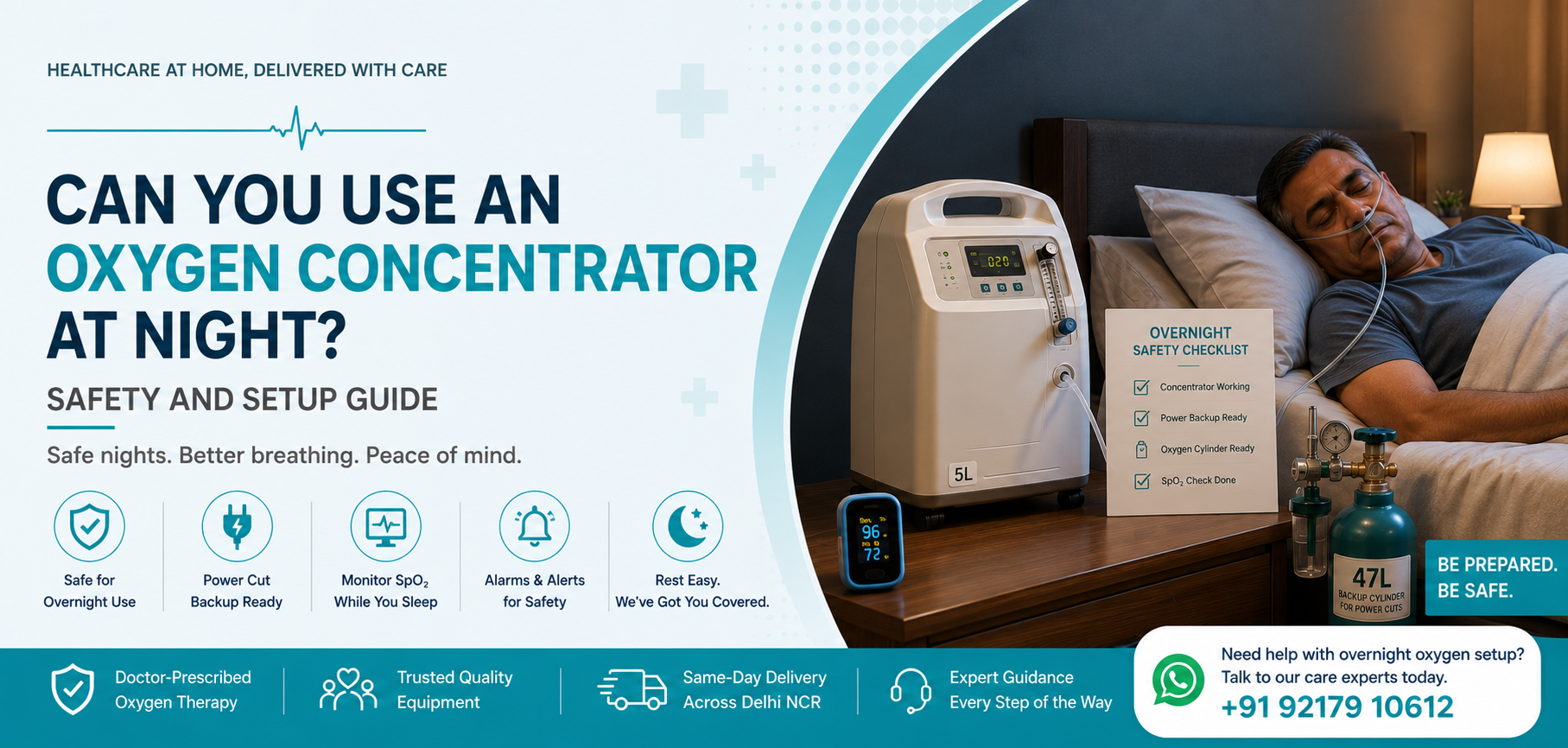
“The concentrator is on, but the oximeter still shows a low number—should I turn the flow up?” This is a high-stress moment. A pulse oximeter is an estimate, and the reading can be affected by movement, cold hands, nail products, circulation and device limitations. But a low reading with symptoms can also indicate genuine deterioration.
At a Glance
- Check the patient’s breathing, alertness and colour before troubleshooting equipment.
- Repeat the pulse-oximeter reading with a warm, still hand and wait for a stable signal.
- Confirm the oxygen pathway without changing the clinician-prescribed setting.
Repeat the Reading More Reliably
Let the patient rest if possible. Warm a cold hand, remove obvious nail obstruction where practical, keep the hand still and wait for the pulse indicator and number to stabilise. Try another finger if the signal is poor.
Compare the oximeter pulse rate with the patient’s actual pulse if you know how. A wildly mismatched pulse can suggest a weak signal. Never use one number in isolation when the patient’s condition looks worse.
Check the Oxygen Path from Machine to Patient
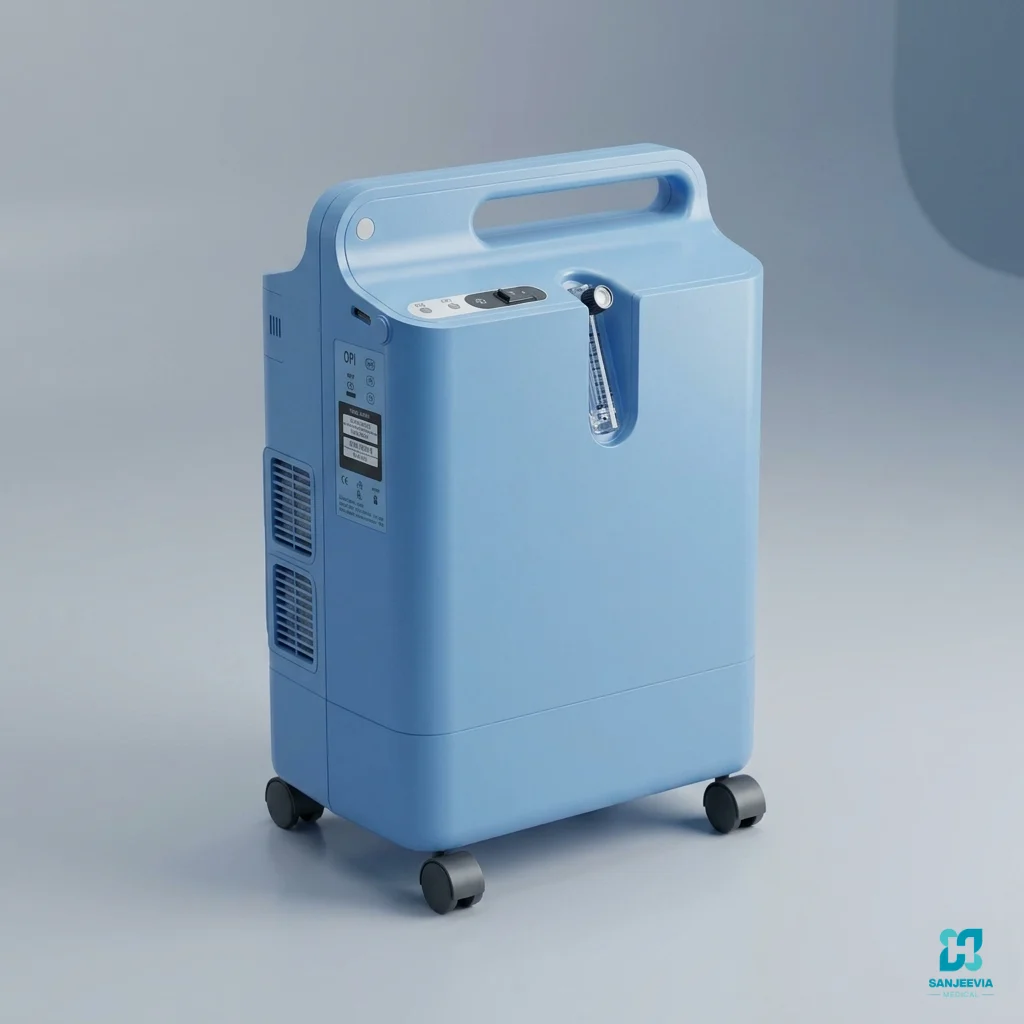
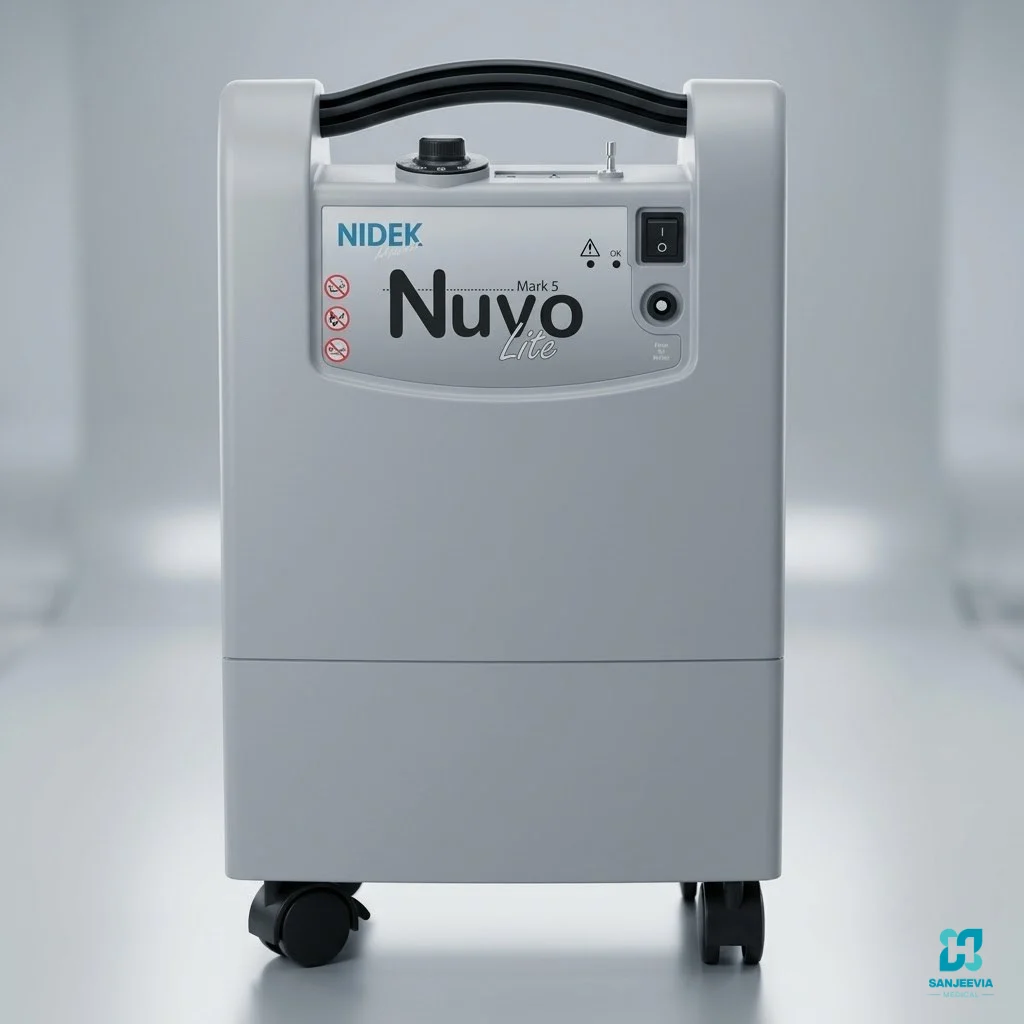
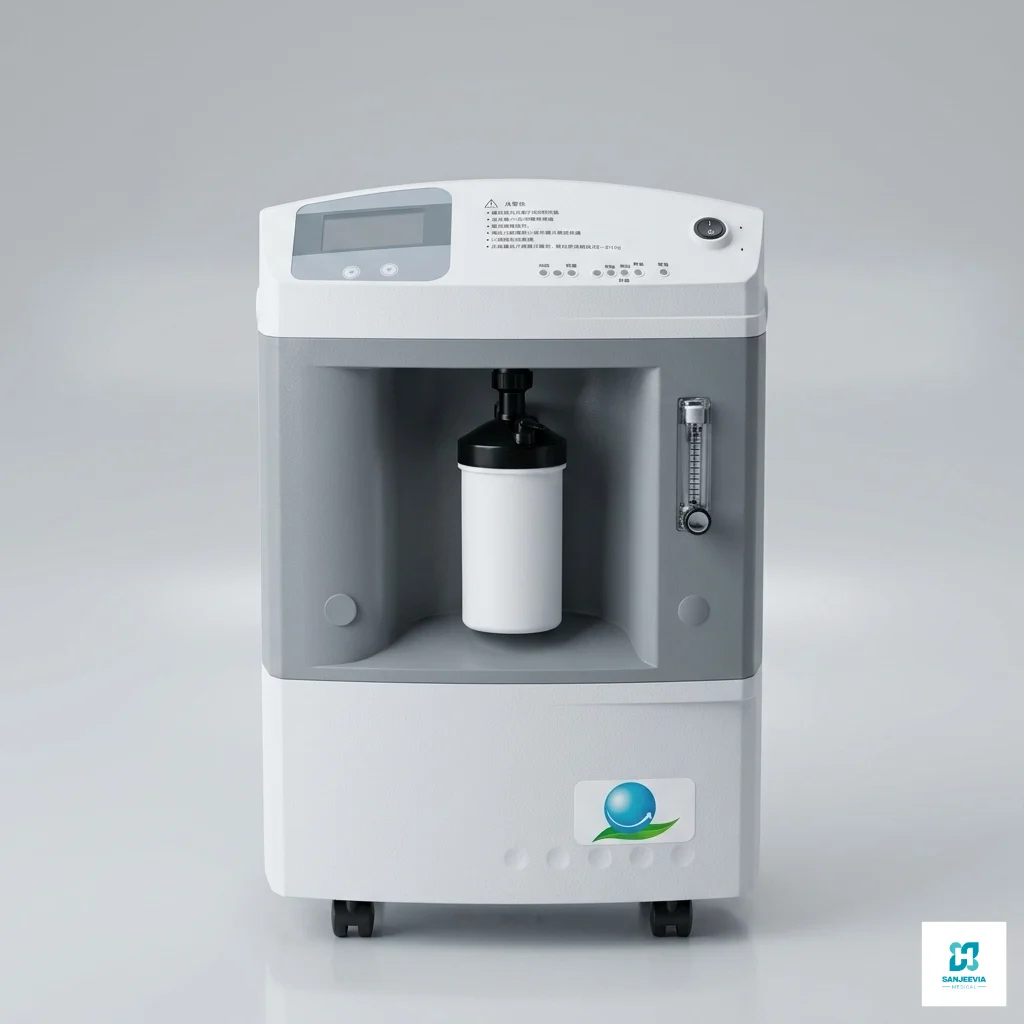
Confirm the concentrator is powered, running and not showing an alarm. Make sure tubing is connected, not kinked, trapped under furniture or filled with water. Check that the nasal cannula is positioned in the nostrils or the prescribed mask sits correctly.
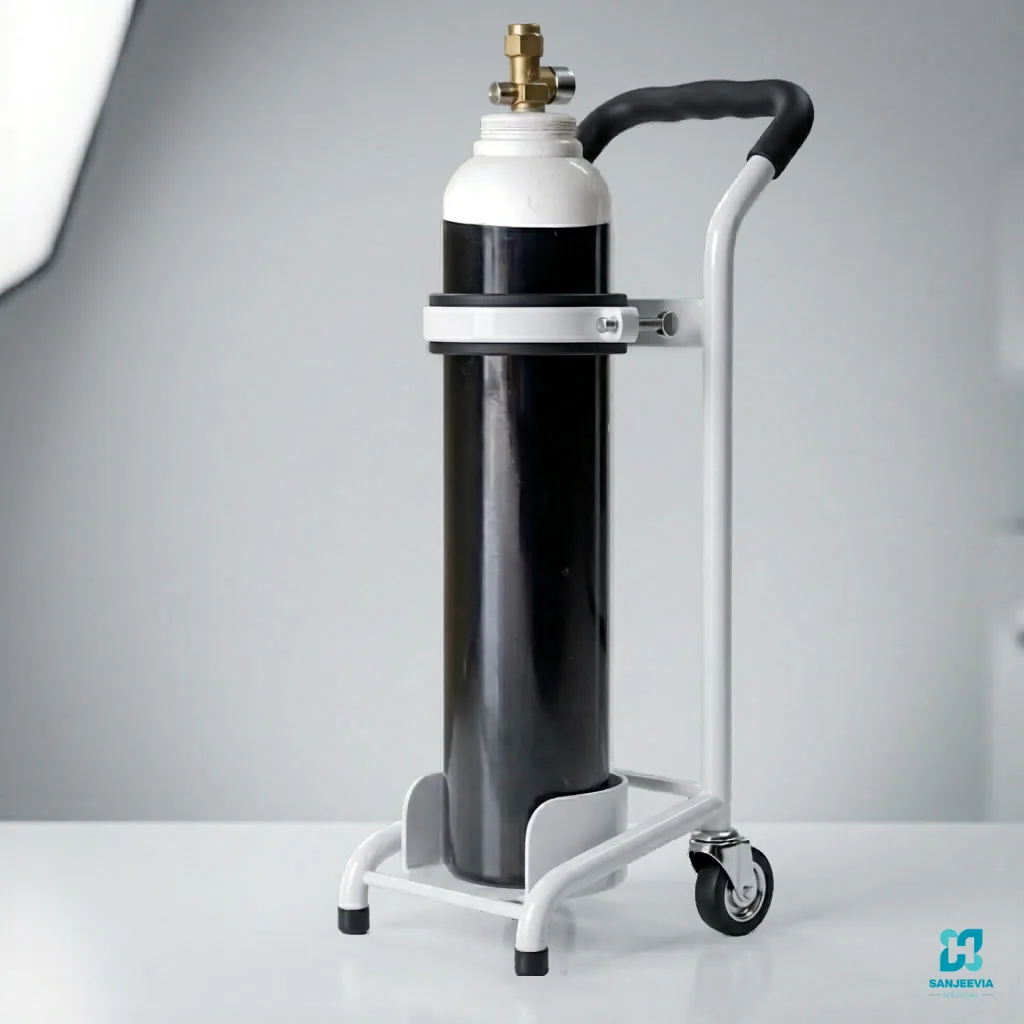
If using a cylinder, check that the main valve is open, the regulator is correctly fitted and the contents gauge is not empty. Do not attempt repairs to high-pressure connections.
Know When Troubleshooting Must Stop
If the patient has severe breathlessness, cannot speak normally, becomes confused or unusually sleepy, develops blue or grey lips, chest pain or rapidly worsening symptoms, seek emergency help. Do not wait for several more readings.
For a stable patient with repeated readings outside the target range given by the clinician, contact the treating team promptly. Some conditions have individual oxygen targets, which is why generic internet thresholds should not replace the prescribed plan.
Safe Checks to Keep Ready
- Prescribed oxygen target and flow written near the device
- A working pulse oximeter with spare batteries
- Backup oxygen and outage plan, if prescribed
- Supplier and treating-team contact details
- Tubing routed without kinks or pressure
- Clear emergency escalation instructions
Important: Do Not Change Oxygen Flow on Your Own
Use the flow rate, duration and delivery device prescribed by the treating clinician. If the patient is breathless, unusually drowsy or confused, has blue or grey lips, chest pain, or is deteriorating, seek urgent medical help. Equipment checks must not delay emergency care.
Frequently Asked Questions
Can a pulse oximeter be wrong?
Yes. It estimates oxygen saturation and can be affected by several factors. Repeat carefully and consider symptoms.
Should we increase oxygen until the number improves?
No. Changing flow without clinical advice can be unsafe, especially in some chronic respiratory conditions.
Can long tubing reduce oxygen delivery?
Tubing length, kinks, leaks and connections can affect delivery. Use the setup approved for the device and prescription.
What if the machine has no alarm but SpO2 is low?
The cause may be measurement error, the patient’s condition or another part of the setup. Contact the clinical team and escalate urgently if symptoms are severe.
Trusted Patient-Safety References
Arrange Oxygen Support in Delhi NCR
Keep the prescription ready, including flow rate and duration, then compare Sanjeevia’s oxygen-support options. Confirm the exact equipment, backup plan, accessories, demonstration and current availability before booking.
Related Guidance and Equipment
For prescription-led oxygen care, the links below explain the next decision and point to the exact equipment pages discussed.
Continue Reading
- Using an Oxygen Concentrator at Night — prepare overnight use and power backup.
- Oxygen Cylinder vs Oxygen Concentrator — compare continuous powered oxygen with cylinder supply.
Relevant Product Pages
- Philips EverFlo 5L Oxygen Concentrator — review a published 5 LPM concentrator option.
- 47L Medical Oxygen Cylinder — review a large-cylinder primary or backup option.
Medical disclaimer: This content is general information, not a diagnosis or treatment plan. Oxygen is a prescribed therapy. Follow the treating clinician and device manual.
Published by Sanjeevia Medical | Delhi NCR