
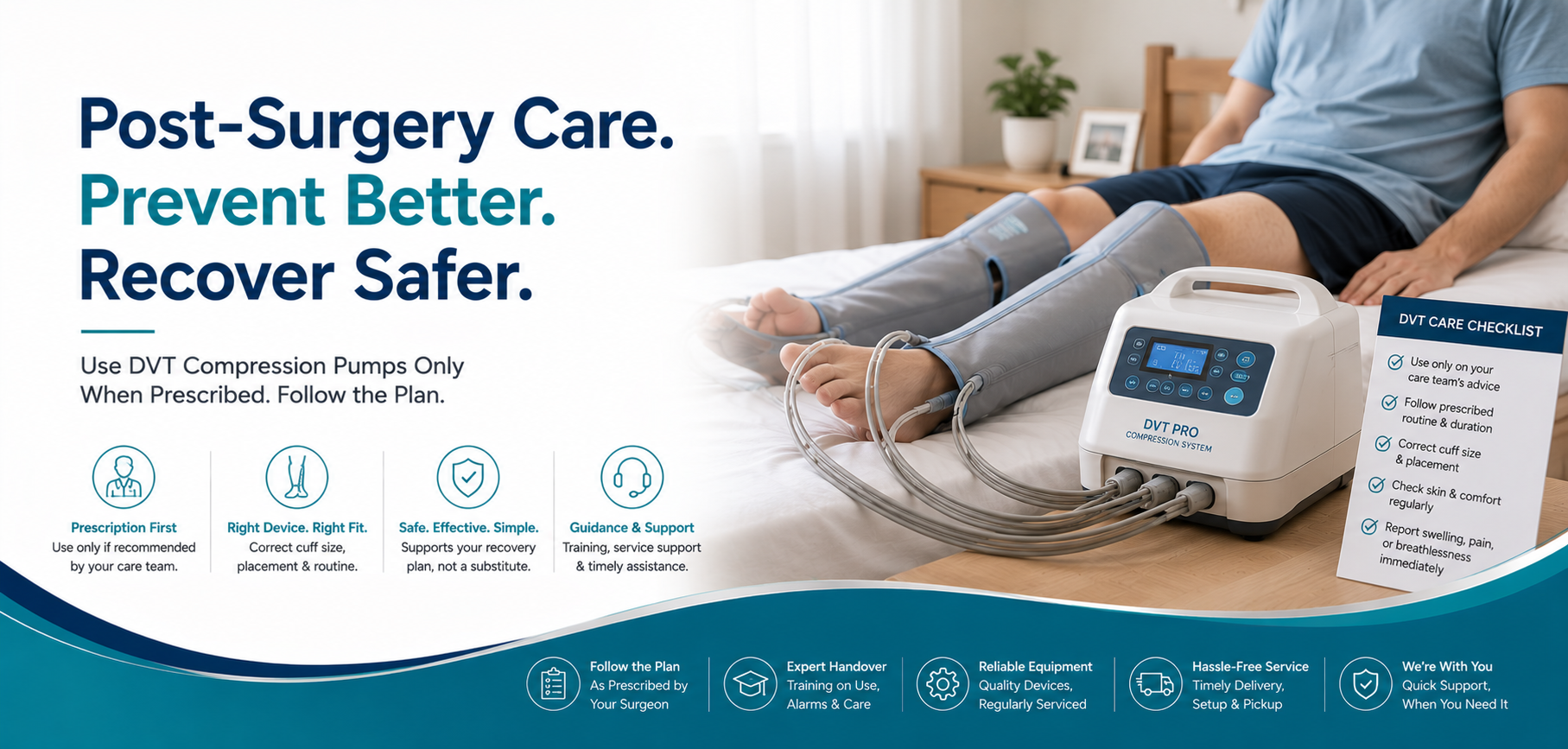
At a Glance
- A DVT pump is not a routine add-on after every knee replacement; it should be arranged only when the surgeon or treating team has recommended it and specified the plan.
- Compare the exact equipment, setup and service scope before you rent or buy.
- Follow the treating clinician’s instructions for patient care, settings and transfers.
Reading time: 6 min | Category: Home Care Equipment | Published by Sanjeevia Medical
Quick Answer
A DVT pump is not a routine add-on after every knee replacement; it should be arranged only when the surgeon or treating team has recommended it and specified the plan.
After orthopaedic surgery, families may hear about leg-compression equipment from a surgeon, physiotherapist or hospital coordinator. Before renting one, clarify what has been prescribed, who will teach the routine and what symptoms require medical attention.
Start with the Right Decision
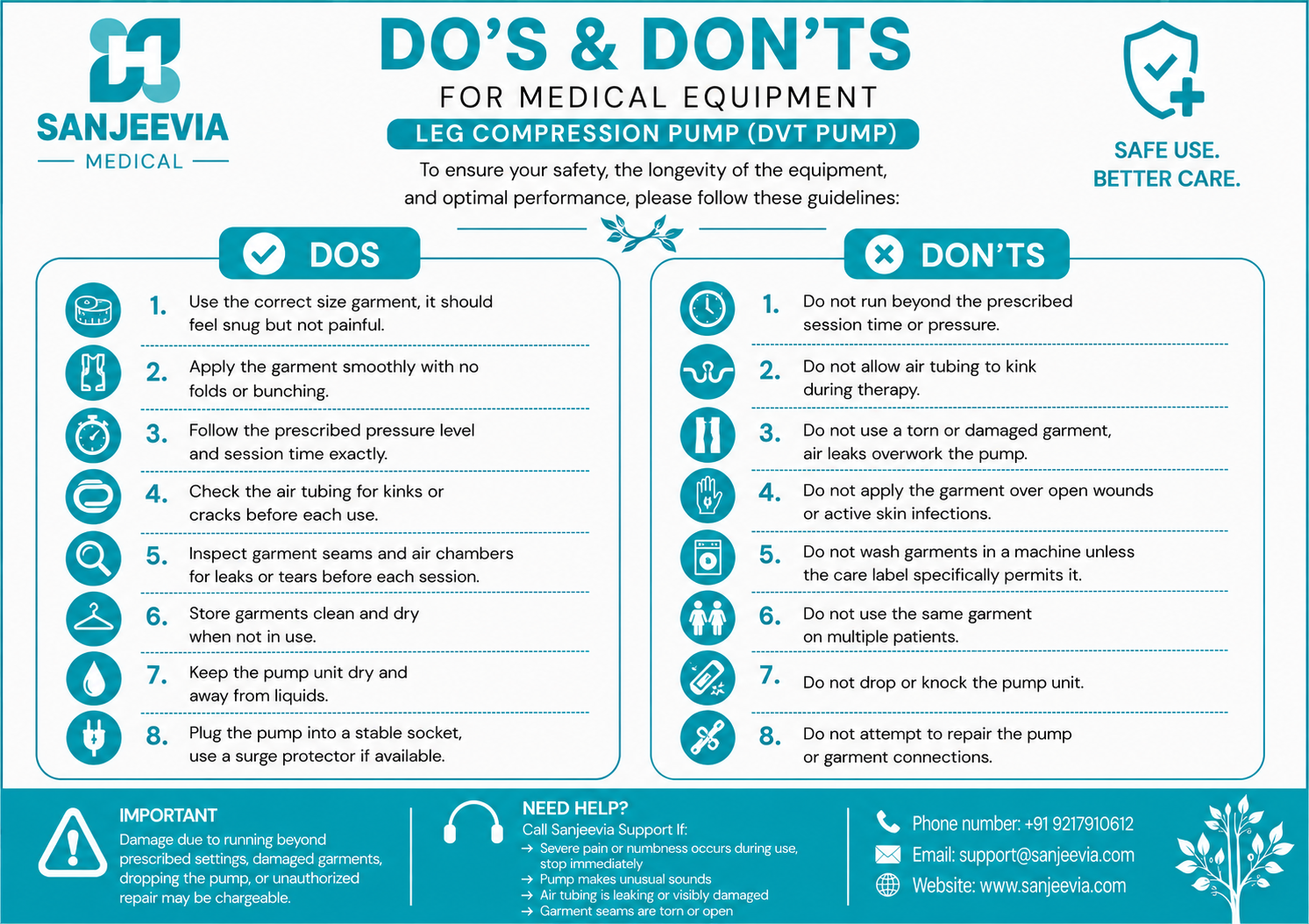
Compression devices vary by type and clinical use. The treating team should determine whether one is appropriate, how it should be used and whether there are any contraindications. Equipment rental can support the prescribed plan, but it does not replace anticoagulation advice, mobilisation guidance or post-operative review.
What to confirm before booking
- a clear recommendation from the surgeon or treating team
- the device type, garment/cuff size and prescribed routine
- who will demonstrate fitting and what equipment is included
- service contact and the plan if pain, swelling or other symptoms change
Should You Rent or Buy?
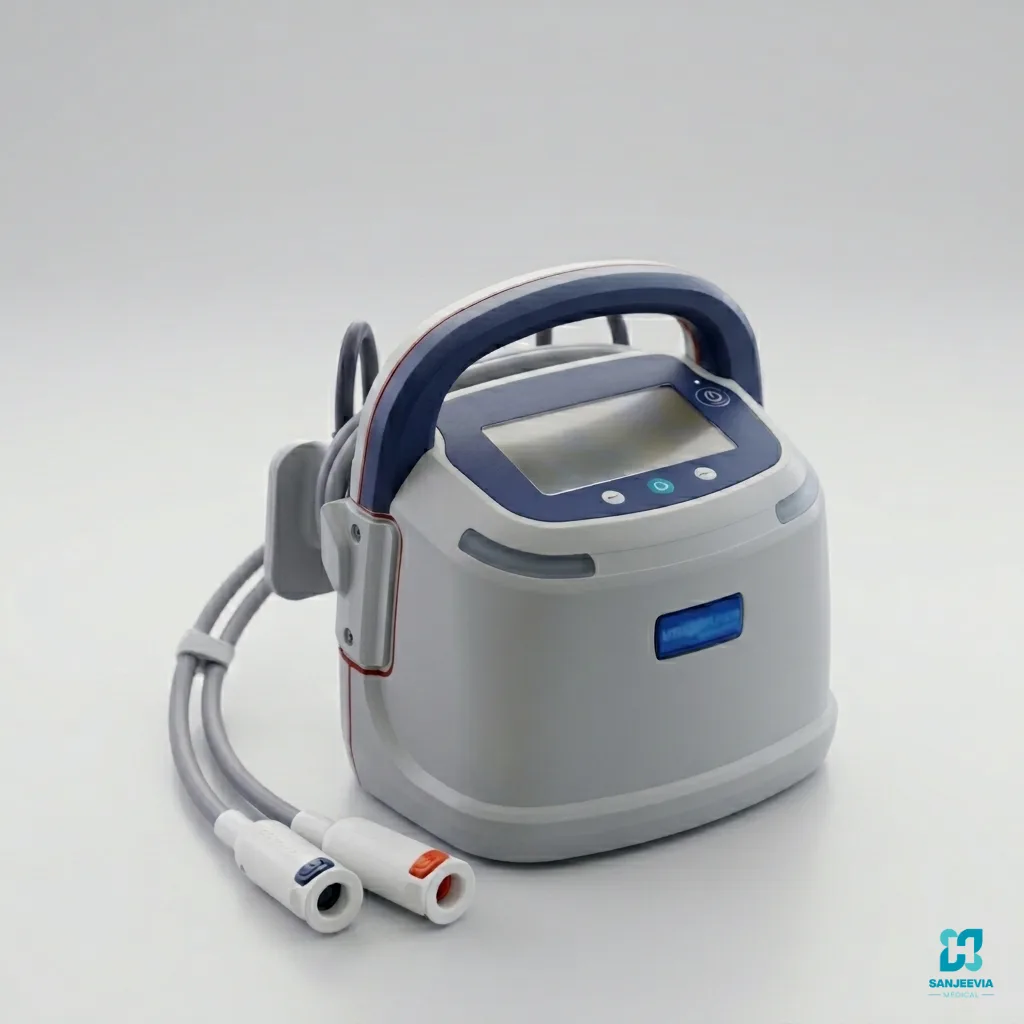
Rental can be suitable when the clinician has prescribed short-term use after surgery. Buying may be more relevant for a longer, stable plan, but the duration and device choice should be led by the care team.
A Practical Booking Checklist
- Keep the prescription, discharge instructions or therapist recommendation ready where equipment is clinically prescribed.
- Ask for the exact model and included accessories in writing.
- Confirm the delivery route, room setup, handover and service contact before the booking is finalised.
- Ask about the current rental period, extension process, collection terms and purchase option where relevant.
DVT Pump Details Families Often Miss
Confirm whether the prescription calls for calf cuffs, thigh cuffs or another configuration and whether both legs are to be treated. Cuff size and placement matter. Ask who will demonstrate the tubing connections, alarm response and daily schedule. A DVT pump supports a prescribed preventive plan; it does not diagnose or treat new symptoms at home.
- Confirm cuff type, size and whether one or both legs are treated.
- Follow the surgeon’s prescribed timing and duration.
- Check skin and cuff position as instructed.
- Seek urgent assessment for new leg swelling, chest pain or breathlessness.
Frequently Asked Questions
Does every knee-replacement patient need a DVT pump?
No. The decision depends on the patient’s medical and surgical plan. Ask the surgeon or treating team whether a device is indicated and how it should be used.
Can a rental provider give medical instructions for the pump?
The provider can explain the equipment and handover. The surgeon, physician or physiotherapist should give clinical instructions about timing, duration and suitability.
Discuss the right option for your home-care plan: DVT Compression Pump | home care after knee replacement guide | contact Sanjeevia for current availability and delivery details in Delhi NCR.
How to Compare Quotes and Support
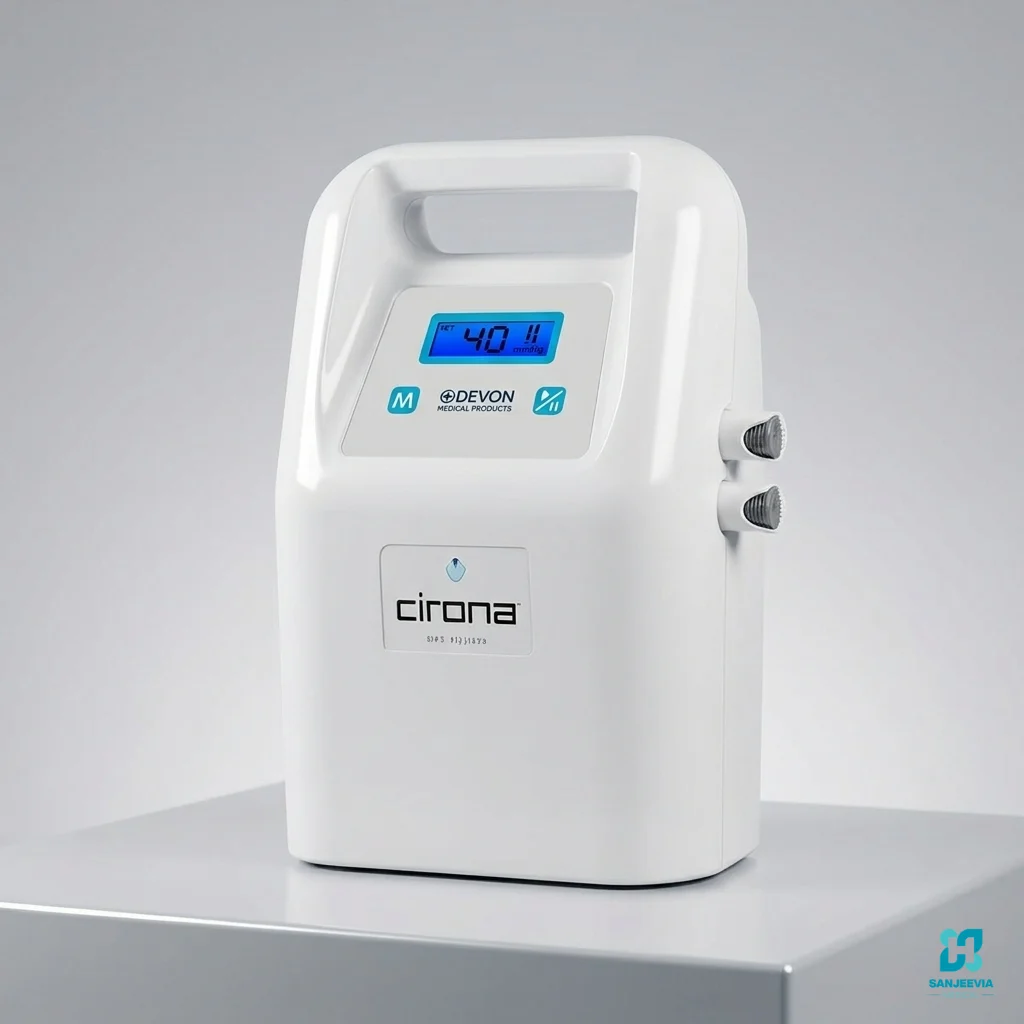
A DVT-pump quote should state the device type, included cuffs or garments, fitting demonstration, rental period, service support and collection terms. The product must match the clinical recommendation; it is not a substitute for the broader post-operative plan.
When to Involve the Care Team
Seek medical advice promptly for new or worsening pain, swelling, breathlessness or any symptom that concerns the care team; do not use equipment changes to delay assessment.
- Use the prescribed cuff or garment size.
- Follow the surgeon’s timing and duration instructions.
- Keep follow-up appointments and physiotherapy plans in view.
Medical Disclaimer
This article is for general informational purposes only and is not medical advice. Equipment selection, settings, patient positioning and transfer decisions must follow the treating clinician’s instructions.
Published by Sanjeevia Medical | sanjeevia.com | Delhi NCR
Related Guidance and Equipment
Because a DVT pump is prescription-led rehabilitation equipment, these links connect the surgery-recovery questions with the exact compression product pages.
Continue Reading
- Home Care After Hip or Knee Replacement — prepare mobility, transfers and recovery equipment.
- Renting vs Buying Medical Equipment — compare short-term rental with long-term purchase.
Relevant Product Pages
- DVT Compression Pump — review a standard compression-pump option against the surgeon’s plan.
- Premium DVT Pump — compare the premium pump specifications when prescribed.