
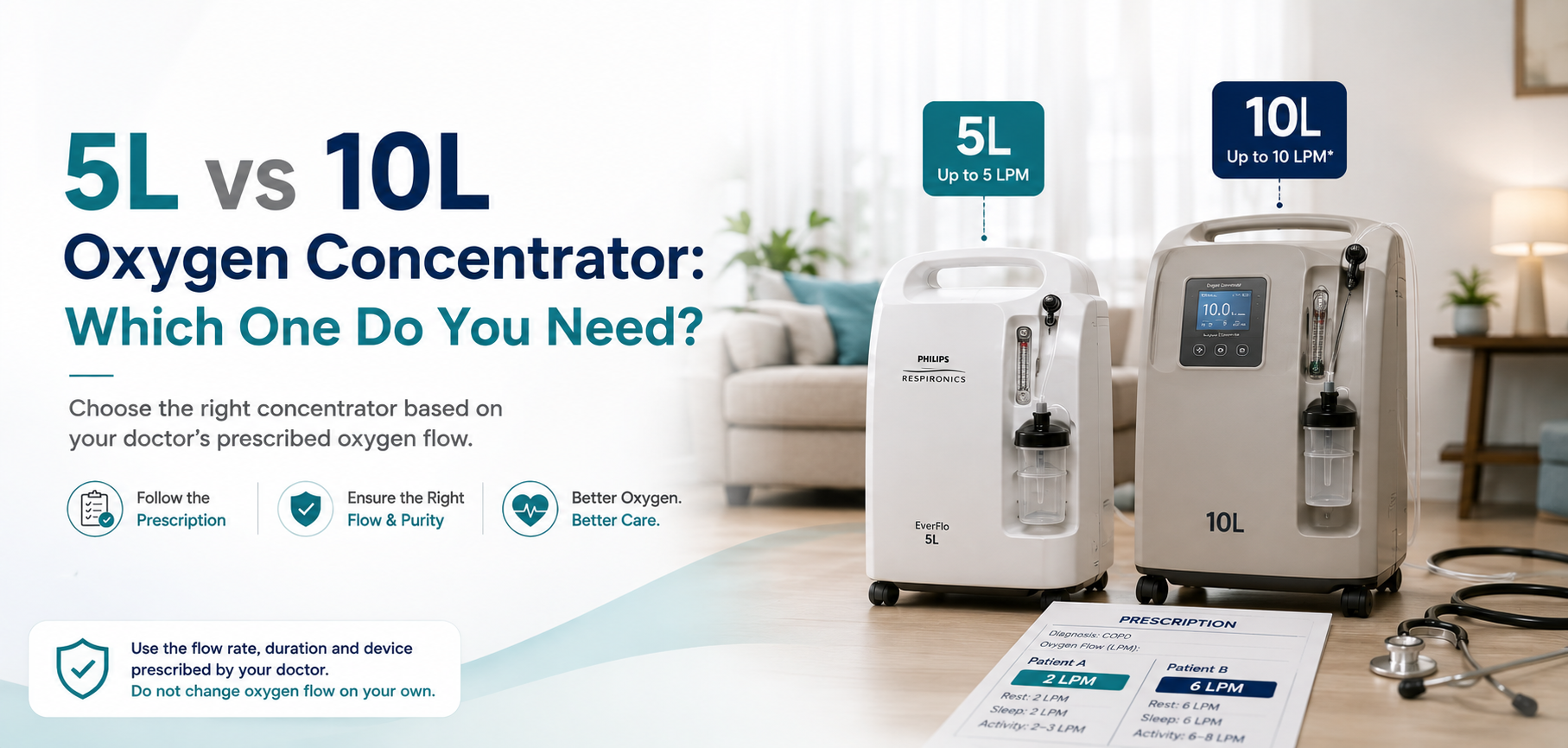
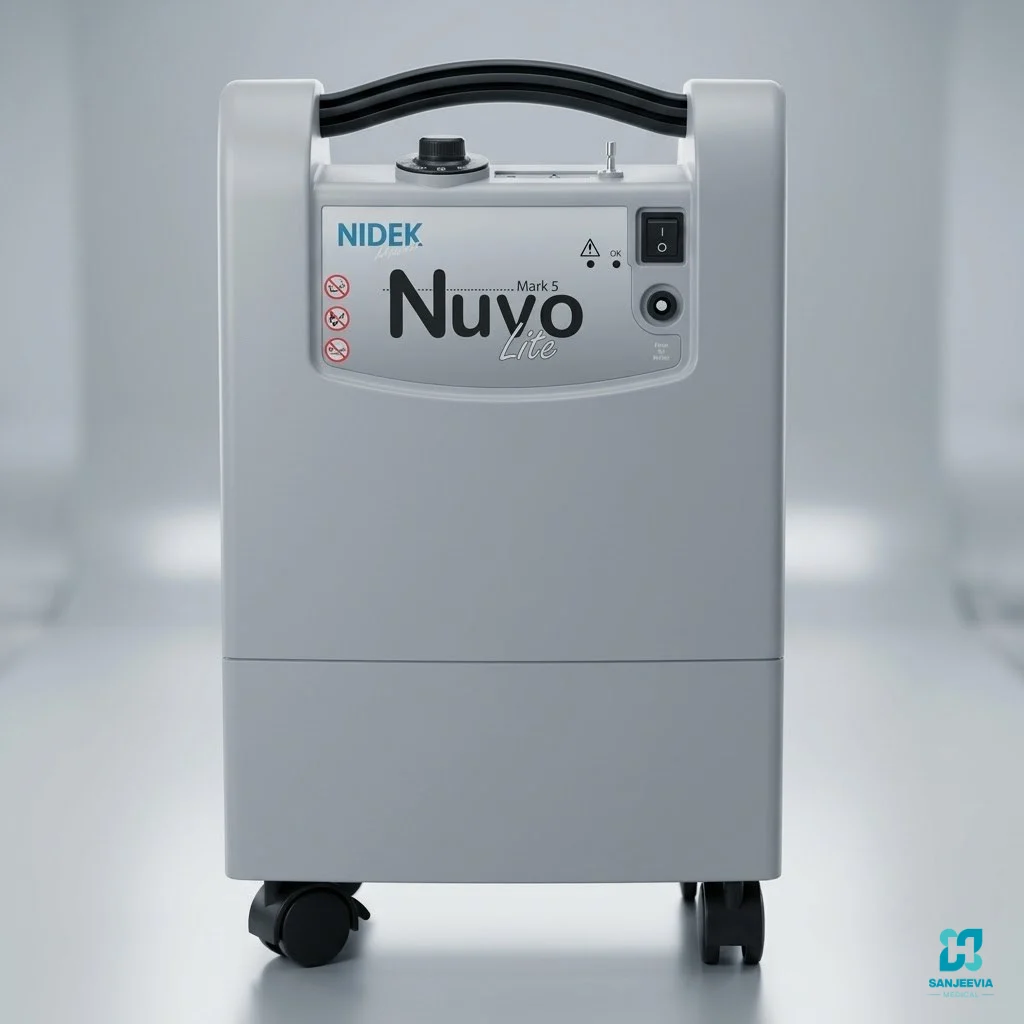
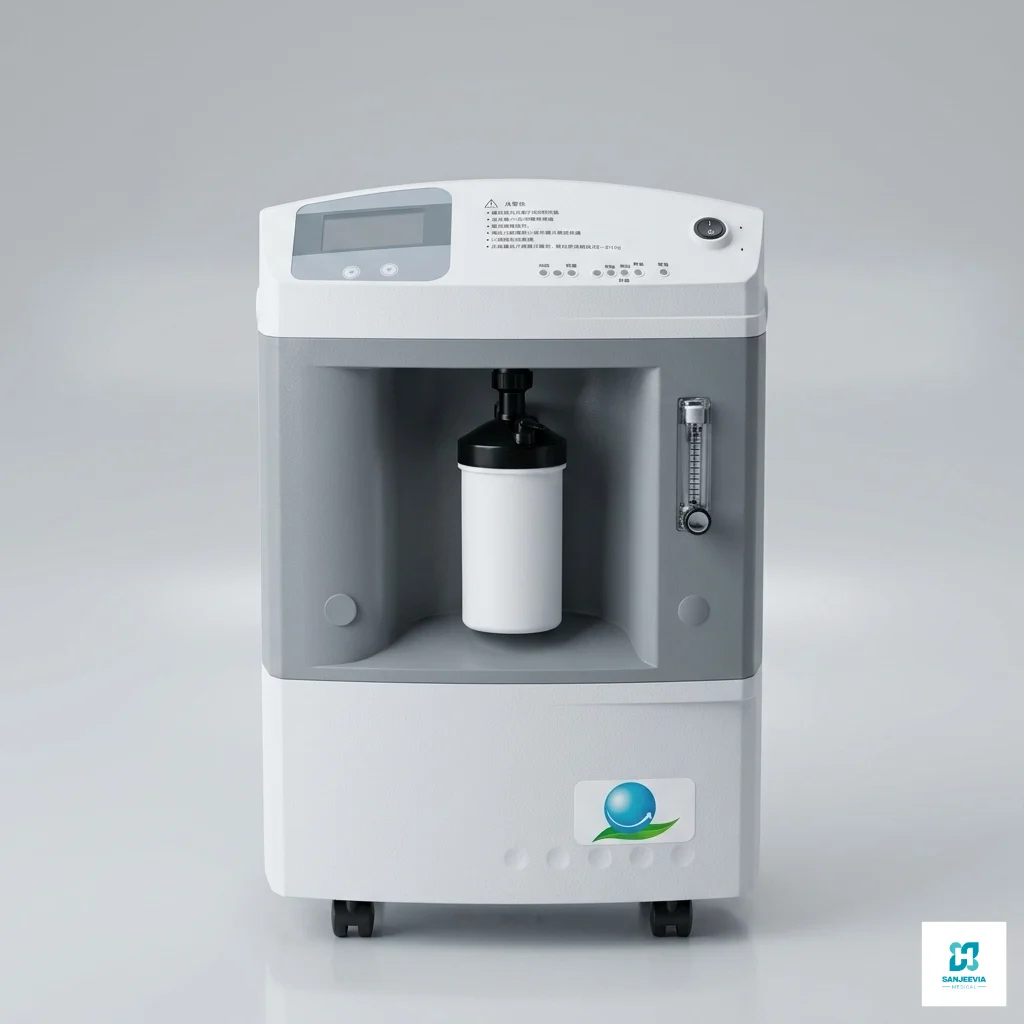
The correct concentrator must deliver the prescribed flow while maintaining the required oxygen concentration under the conditions stated by its manufacturer. A “10 litre” label does not automatically make a machine better, and a 5-litre unit is not suitable when the prescription exceeds its verified capability.
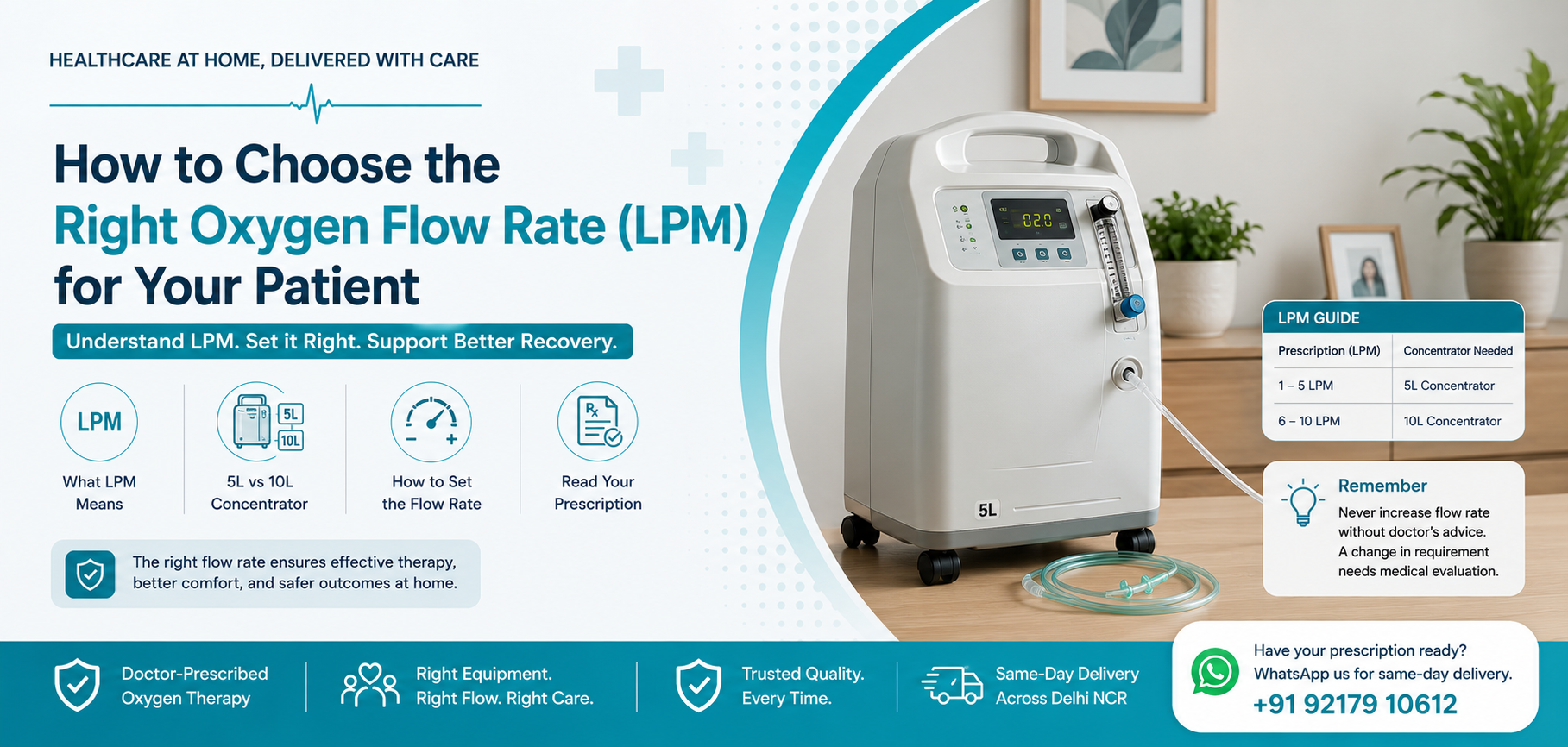
“The doctor wrote 6 LPM. Can I take a 5-litre concentrator and keep the knob at maximum?” No. The number in the prescription and the performance specification of the device must match. Families should compare more than the large capacity label.
At a Glance
- Match prescribed continuous or pulse flow, not just a marketing label.
- Check oxygen concentration across the required flow range.
- Consider power, noise, heat, backup oxygen and the patient interface.
What 5 LPM and 10 LPM Actually Describe
The capacity is the machine’s maximum stated flow in litres per minute. The patient’s prescription specifies the required flow and duration, sometimes with different instructions for rest, sleep or activity.
Ask for the product specification showing oxygen concentration at the prescribed flow. Performance can differ by model, especially near maximum output.
Why Bigger Is Not Automatically Better
A 10 LPM machine may use more power, produce more heat, weigh more and create more noise. If the patient needs a lower flow within a reliable 5 LPM unit’s range, extra capacity may not add clinical value.
Conversely, choosing an undersized machine can mean it cannot meet the prescription. Do not split tubing, combine devices or improvise high-flow setups without specialist direction.
Questions for a High-Flow Home Setup
When oxygen need is high or the patient has recently deteriorated, confirm whether home management remains appropriate and what monitoring and escalation plan is required.
Check whether the prescribed mask, humidification and backup source can support the same flow. A cylinder that seems large may empty quickly at higher flows.
Safe Checks to Keep Ready
- Written flow rate and hours per day
- Continuous-flow or pulse-dose requirement
- Oxygen concentration specification at required flow
- Prescribed cannula or mask
- Power and backup oxygen plan
- Provider demonstration and service response
Important: Do Not Change Oxygen Flow on Your Own
Use the flow rate, duration and delivery device prescribed by the treating clinician. If the patient is breathless, unusually drowsy or confused, has blue or grey lips, chest pain, or is deteriorating, seek urgent medical help. Equipment checks must not delay emergency care.
Frequently Asked Questions
Can a 10 LPM machine be set to 2 LPM?
Many can, but verify the model’s specified flow range and follow the prescription.
Is a 5 LPM concentrator always enough for 5 LPM?
Confirm oxygen concentration at the top of the range and the exact continuous-use specification.
Can two 5 LPM machines be connected together?
Do not create combined setups without a respiratory specialist and compatible equipment.
Should we choose by SpO2 alone?
No. Device choice requires a prescription and clinical context; the oximeter reading is only one piece of information.
Trusted Patient-Safety References
Arrange Oxygen Support in Delhi NCR
Keep the prescription ready, including flow rate and duration, then compare Sanjeevia’s oxygen-support options. Confirm the exact equipment, backup plan, accessories, demonstration and current availability before booking.
Related Guidance and Equipment
For prescription-led oxygen care, the links below explain the next decision and point to the exact equipment pages discussed.
Continue Reading
- How to Choose the Prescribed Oxygen Flow Rate — interpret LPM without changing the clinician’s prescription.
- Oxygen Cylinder vs Oxygen Concentrator — compare continuous powered oxygen with cylinder supply.
Relevant Product Pages
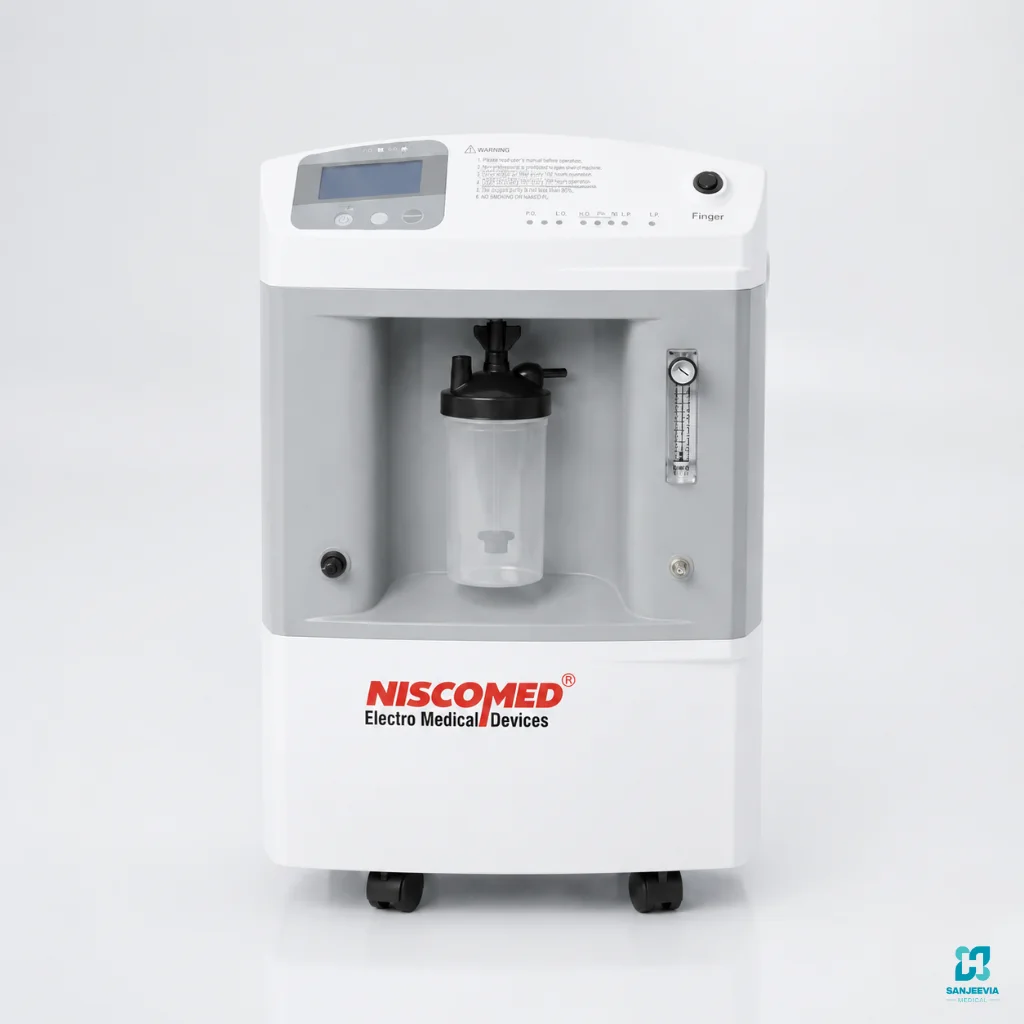
- 10L Oxygen Concentrator — review a higher-flow concentrator option against the prescription.
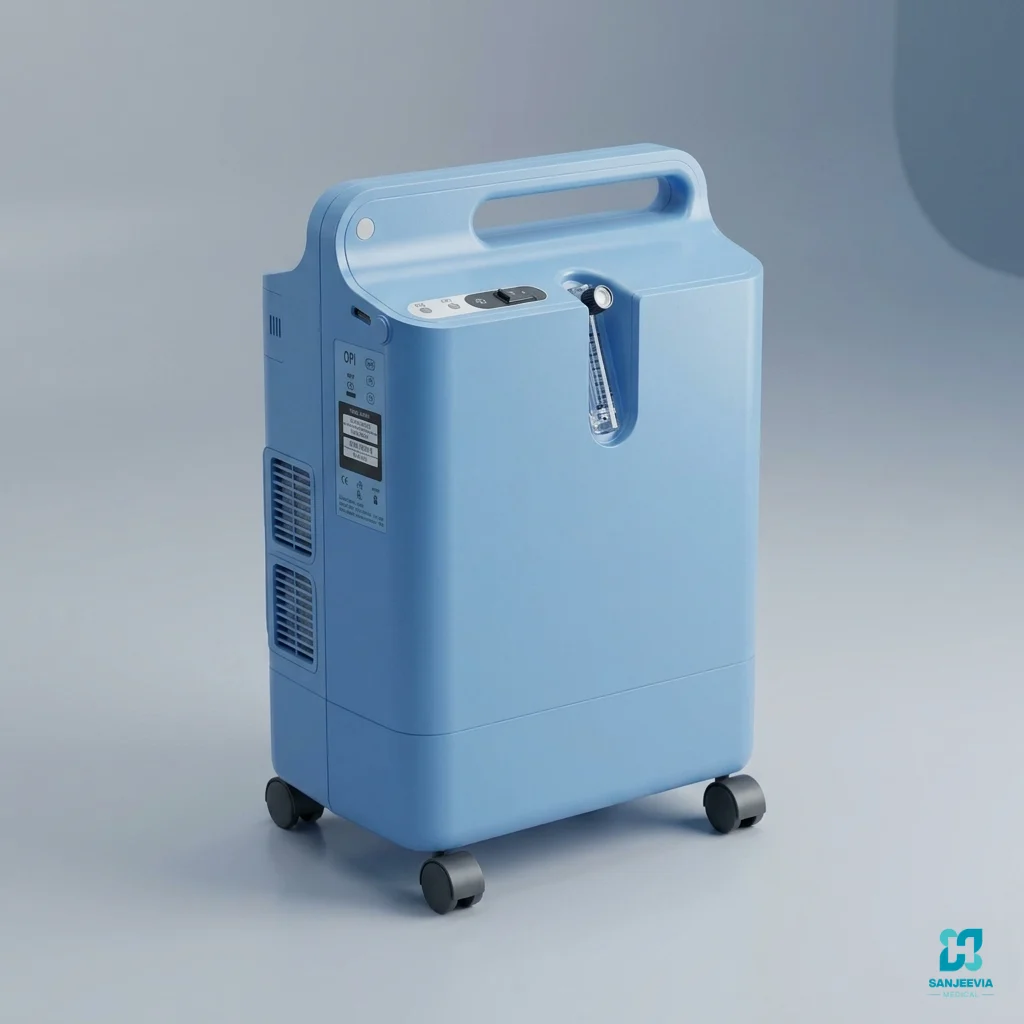
- Philips EverFlo 5L Oxygen Concentrator — review a published 5 LPM concentrator option.
Medical disclaimer: This content is general information, not a diagnosis or treatment plan. Oxygen is a prescribed therapy. Follow the treating clinician and device manual.
Published by Sanjeevia Medical | Delhi NCR