
Quick answer: When considering wheelchair rental cost factors, start with individual assessment, fitting, training and follow-up. Match the user’s posture, transfer method, strength, pressure risk and environment rather than choosing by appearance or doorway size alone.
Home access planning for “Wheelchair Rental Cost Factors”
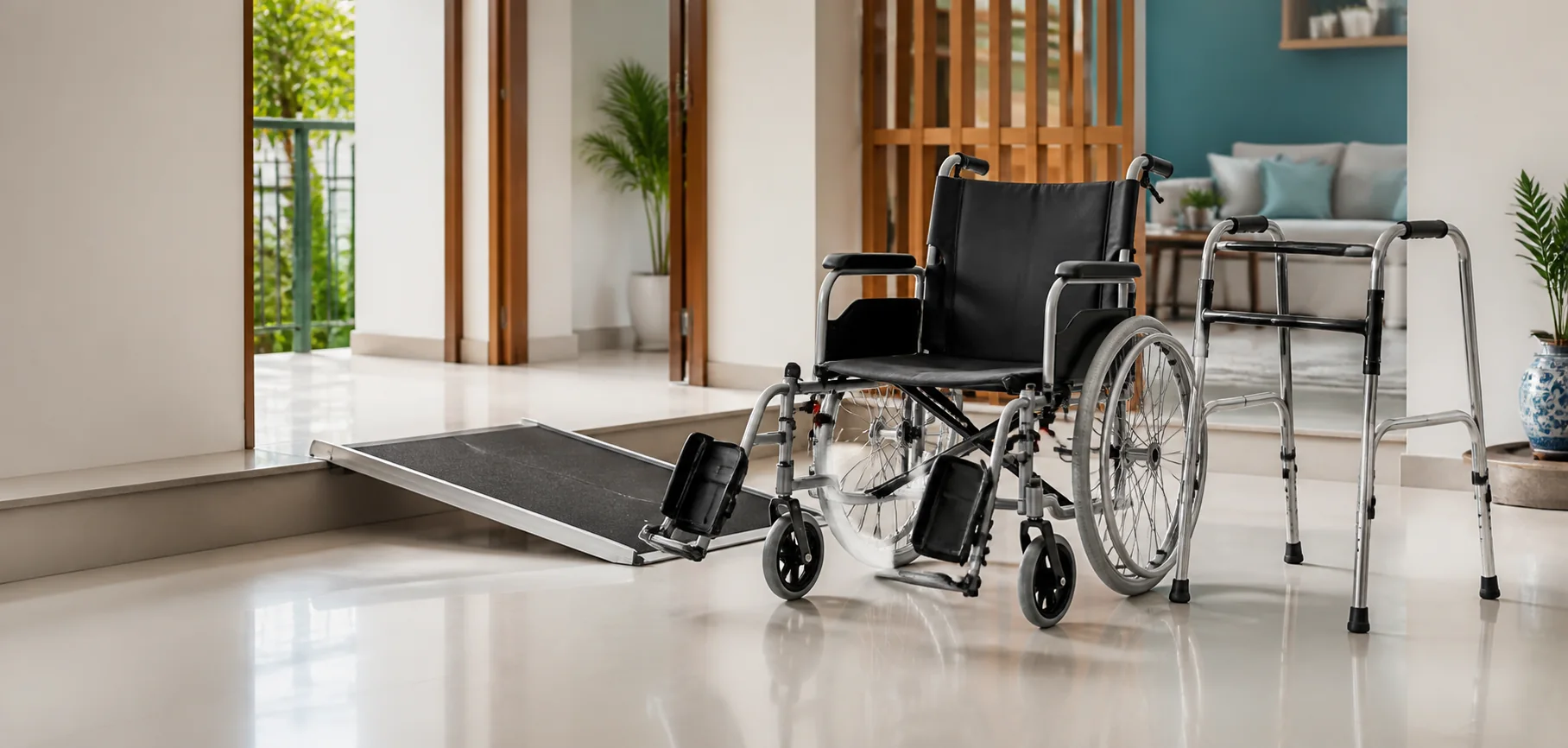
Measure clear doorway width, lift opening and cabin, corridor turns, thresholds, ramps, bathroom layout and transfer areas with the actual wheelchair. Overall width is not the only dimension; footrests, hand rims and turning radius matter.
Remove loose mats and clutter, improve lighting and provide stable level surfaces. Ramps need professional design for slope, landing, edge protection, handrails and load.
- Measure the complete route in both directions.
- Mark turning and transfer zones.
- Check floor transitions and door swing.
- Plan safe storage without blocking exits.
- Arrange professional modification for ramps or bathrooms.
Assessment, fit and follow-up
A suitable wheelchair supports the body, allows the intended propulsion or caregiver pushing, and fits the environments that matter. Record hip width, thigh length, lower-leg length, sitting height, weight, posture, sensation, skin risk, arm function and foot position as the trained assessor requests. Add the prescribed cushion before final seat-height and armrest checks.
WHO guidance identifies assessment, fitting, training and follow-up as core parts of wheelchair provision. Follow-up should check comfort, skin, posture, propulsion, transfers, parts wear and whether health or home circumstances have changed. Sanjeevia’s doorway measurement guide, caregiver transfer plan and wheelchair brake checklist provide related checks.
Doorways, lifts, bathrooms and ramps
Measure the entire route with clear openings, not frame-to-frame estimates. Include lift depth, diagonal turning, threshold height, bathroom approach, bed transfer space and safe parking. Test the route slowly with an empty chair before the first transfer. Keep exits and electrical panels unobstructed.
A portable ramp must be rated and secured for the combined user, chair and caregiver load. Steep or short improvised ramps can tip a wheelchair. Permanent ramps, bathroom changes and stair solutions should be designed by qualified accessibility professionals.
Brakes, footrests and transfers
Inspect brakes before every transfer and apply them on a stable surface. Swing away or remove footrests as trained so the person does not stand on them. Position castors, armrests and transfer aids according to the therapist’s technique. A wheelchair brake helps stabilise the chair; it does not make an unsafe floor, slope or unsupported transfer safe.
Caregivers should use pushing posture and kerb techniques taught for the exact model. Never lift a loaded chair by detachable armrests or footrests. Use seat belts, positioning supports or anti-tip devices only when assessed and fitted; they are not substitutes for supervision.
Cleaning, inspection and maintenance
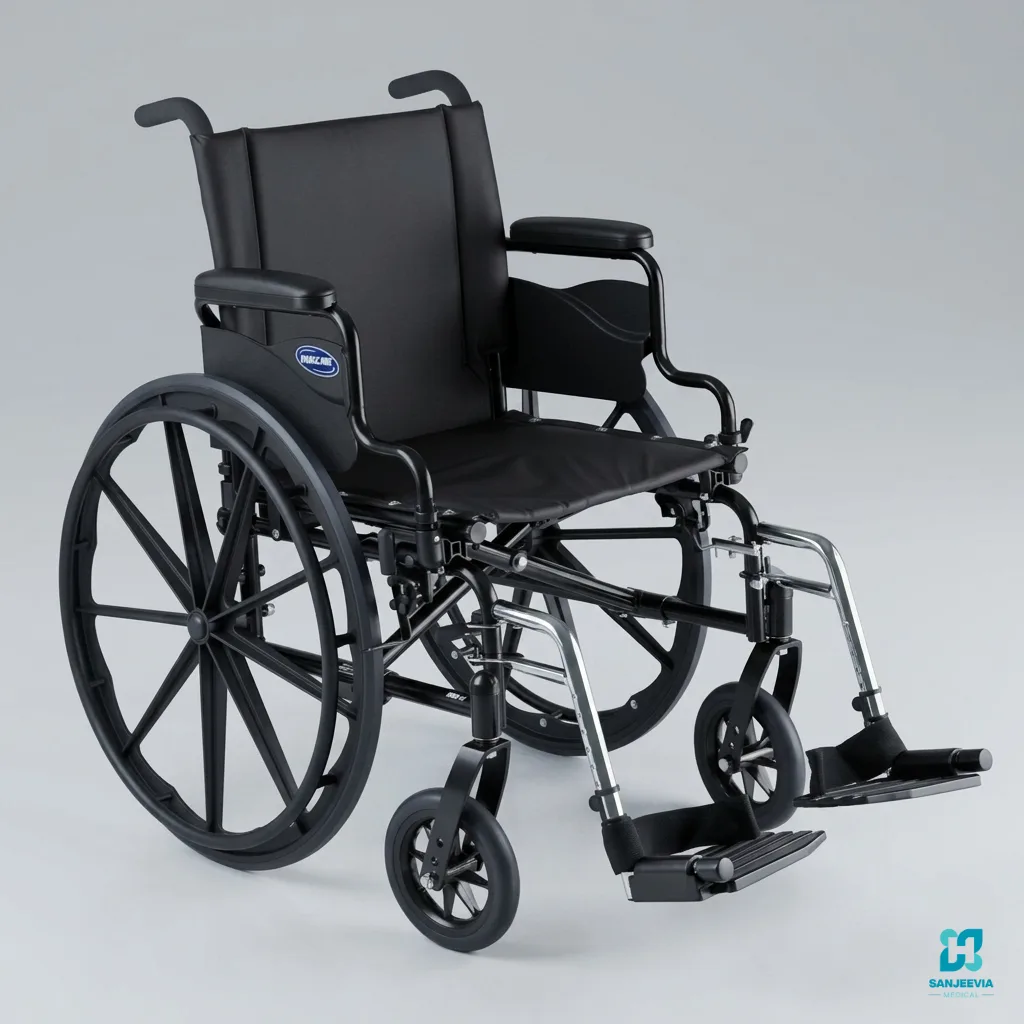
Check tyres, castors, wheel play, hand rims, frame, folding cross-brace, upholstery, cushion, brakes, fasteners, footrests and armrests. Clean with manufacturer-approved products and dry moving parts. Stop using a chair with cracked frame, ineffective brakes, loose wheel, damaged castor or unstable seating.
For powered chairs, inspect joystick, cables, battery indicators, charger and manual-release levers. Keep service records and do not alter wiring, controller settings or seating mounts without authorised support.
Rental, delivery and return
The quote should identify model, dimensions, load rating, cushion, leg supports, delivery, fitting, training, maintenance, breakdown exchange, pickup, deposit and damage terms. At delivery, compare the chair with the assessment and practise folding, brakes, footrests and transfer setup.
Record existing damage and serial or asset number. Before return, remove personal items and photograph condition. Do not keep an unsuitable chair only because a rental period is still running; request reassessment and exchange.
Sitting tolerance, pressure and fatigue
Build sitting time according to the clinician’s plan and observe posture, pain, skin, swelling and fatigue. A pressure-redistributing cushion must be selected and fitted for the user; adding household pillows can change stability and seat height. Teach weight shifts or assisted repositioning only as assessed.
Check skin over vulnerable areas at the frequency advised. Report persistent redness, non-blanching colour change, blister, pain or open skin. Review cushion condition and wheelchair fit rather than assuming the problem is caused only by time in the chair.
Caregiver training and community use
Practise slopes, kerbs, uneven surfaces, vehicle transfers and crowded areas with a trained professional before independent community use. Plan accessible toilets, rest points, weather protection and a breakdown route. Visibility, traffic judgement and safe restraint during vehicle transport require separate assessment.
Maintain a contact card with user needs, chair model, service provider and emergency contacts. When a different caregiver takes over, hand over brake technique, footrest sequence, transfer side, cushion orientation and any skin or fatigue concern.
Delivery, demonstration and written records
Before delivery, confirm the route, stable equipment location, suitable power where needed, lighting, storage for clean supplies and a clear place for instructions. Have the patient’s assessment or prescription available so the installer can compare the delivered model and accessories with the order.
At handover, ask the provider to demonstrate setup, normal operation, user checks, cleaning boundaries, consumable replacement, alarm or fault response, backup and safe shutdown. Every regular caregiver should perform a return demonstration rather than only watch. Photograph the assembled configuration and labels without recording private patient information.
- Record model, serial or asset number and delivery condition.
- List every included accessory and personal-contact part.
- Keep the manual, clinical plan and support numbers together.
- Confirm preventive maintenance and breakdown replacement.
- Clarify exchange, pickup, deposit and damage terms.
Review the setup after a hospital visit, fall, new symptom, caregiver change, home modification or equipment exchange. Stop using a damaged or unsuitable component and contact the responsible clinician or provider; do not create an improvised workaround simply to continue the routine.
Frequently asked questions
Can a wheelchair be chosen from height and weight?
No. Posture, seat dimensions, pressure risk, function, transfers and environment also matter.
Should footrests stay down during transfers?
Usually they are moved away, but follow the trained technique for the exact chair and patient.
Can loose rugs remain if the chair fits?
Loose mats can catch castors and trip caregivers. Remove or professionally secure hazards.
When is reassessment needed?
After pain, skin change, fall, weight or posture change, recovery change, new caregiver or home modification.
Sources and further reading
Medical boundary notice: This article is general education, not a transfer prescription or wheelchair assessment. Use trained professional assessment, fitting and instruction.
Need help arranging mobility equipment? Contact Sanjeevia Medical with user measurements, transfer plan, home access and rental duration for compatible options in Delhi NCR.
Published by Sanjeevia Medical.