
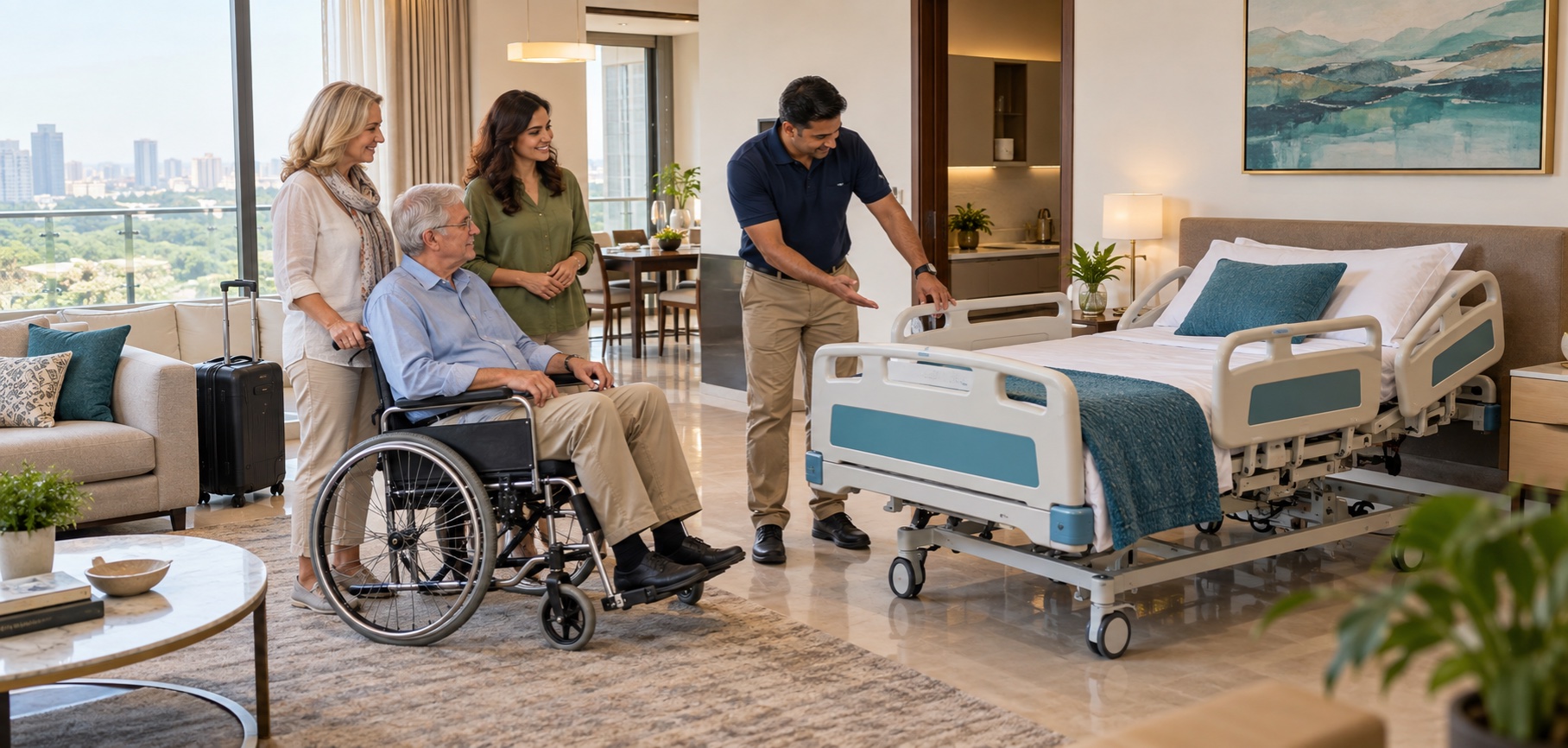
Quick answer: An international patient staying in Delhi NCR can arrange medical equipment for a hotel, serviced apartment or relative’s home when the treating clinician’s requirement, accommodation access, local contact, handover and collection plan are confirmed in advance. The equipment arrangement should support the treatment plan, not replace medical supervision.
International patients often move between a hospital and temporary accommodation while treatment or recovery continues. The room may be unfamiliar, the attendant may be coordinating in a second language, and the departure date may change. A written plan helps the patient, family, accommodation team, clinician and equipment provider work from the same information.

Begin with the treating team’s written requirement
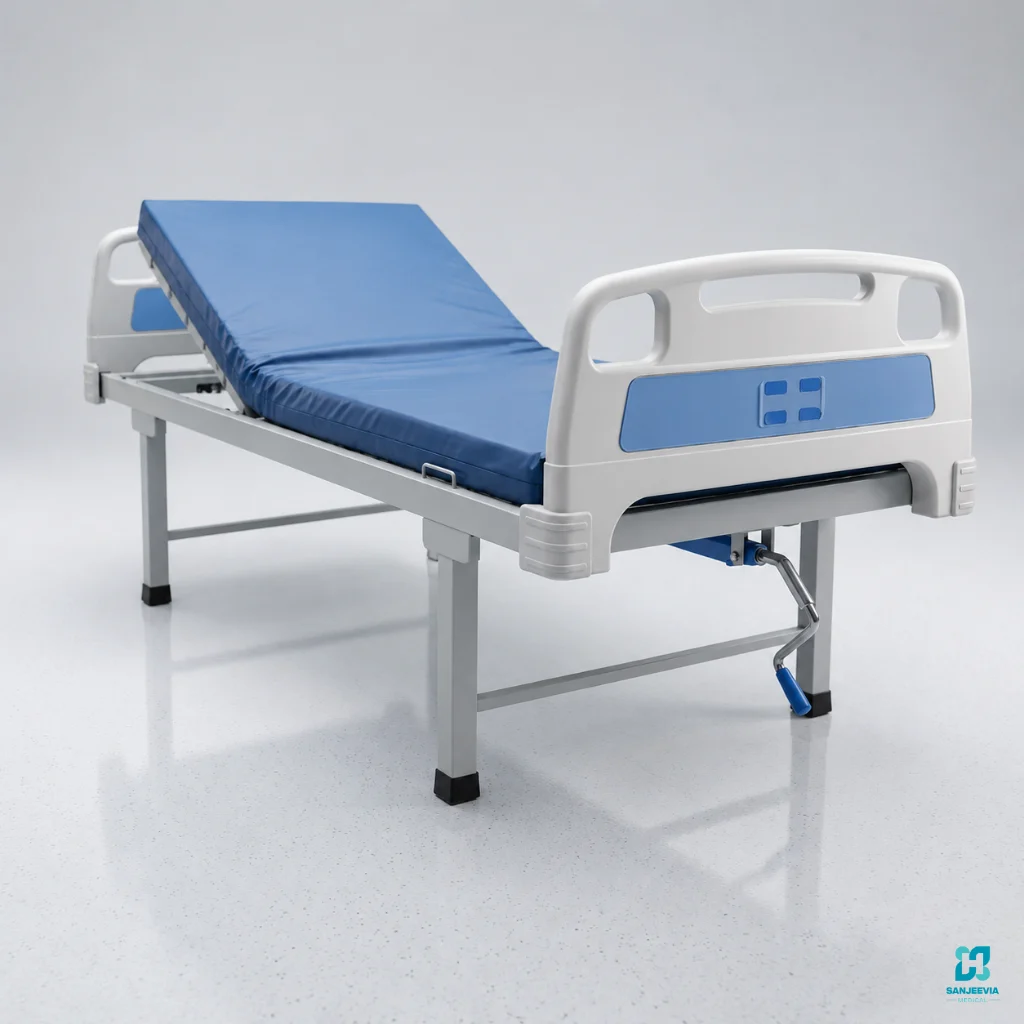
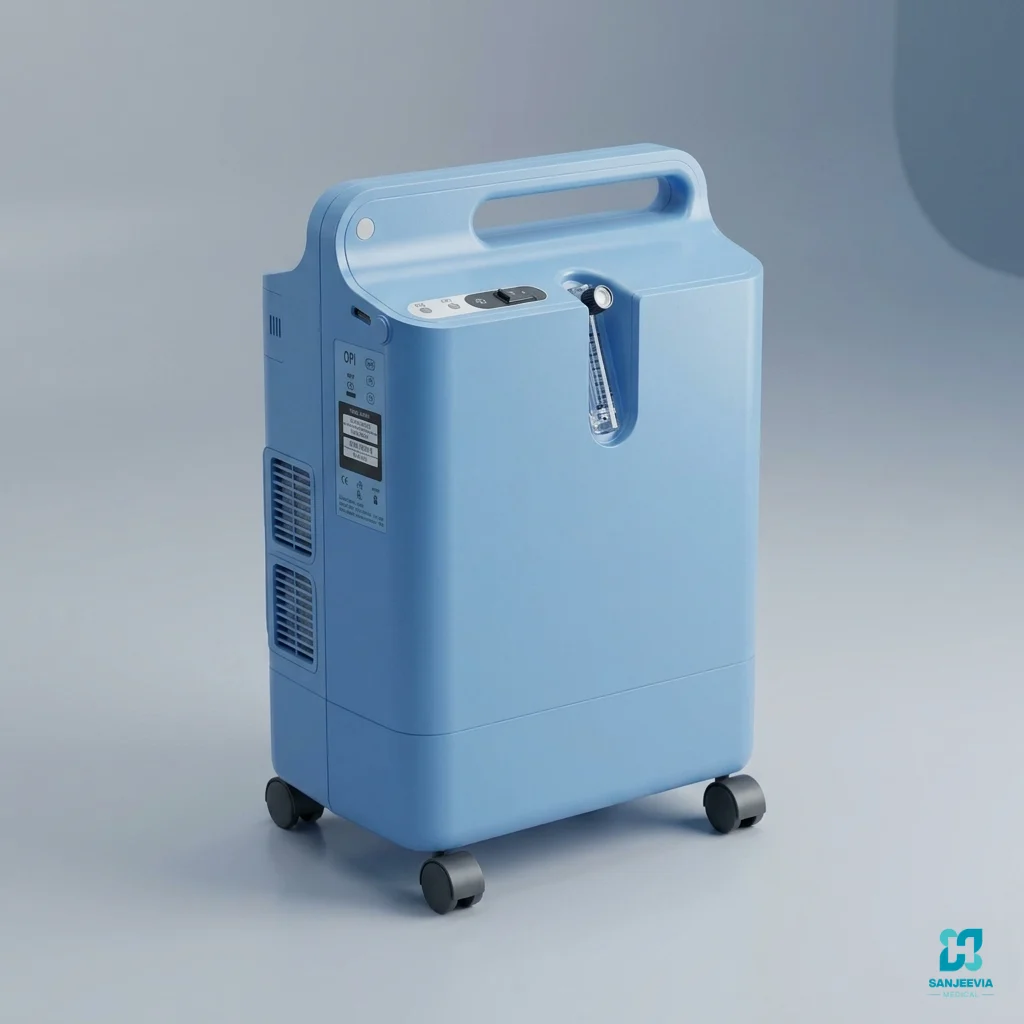
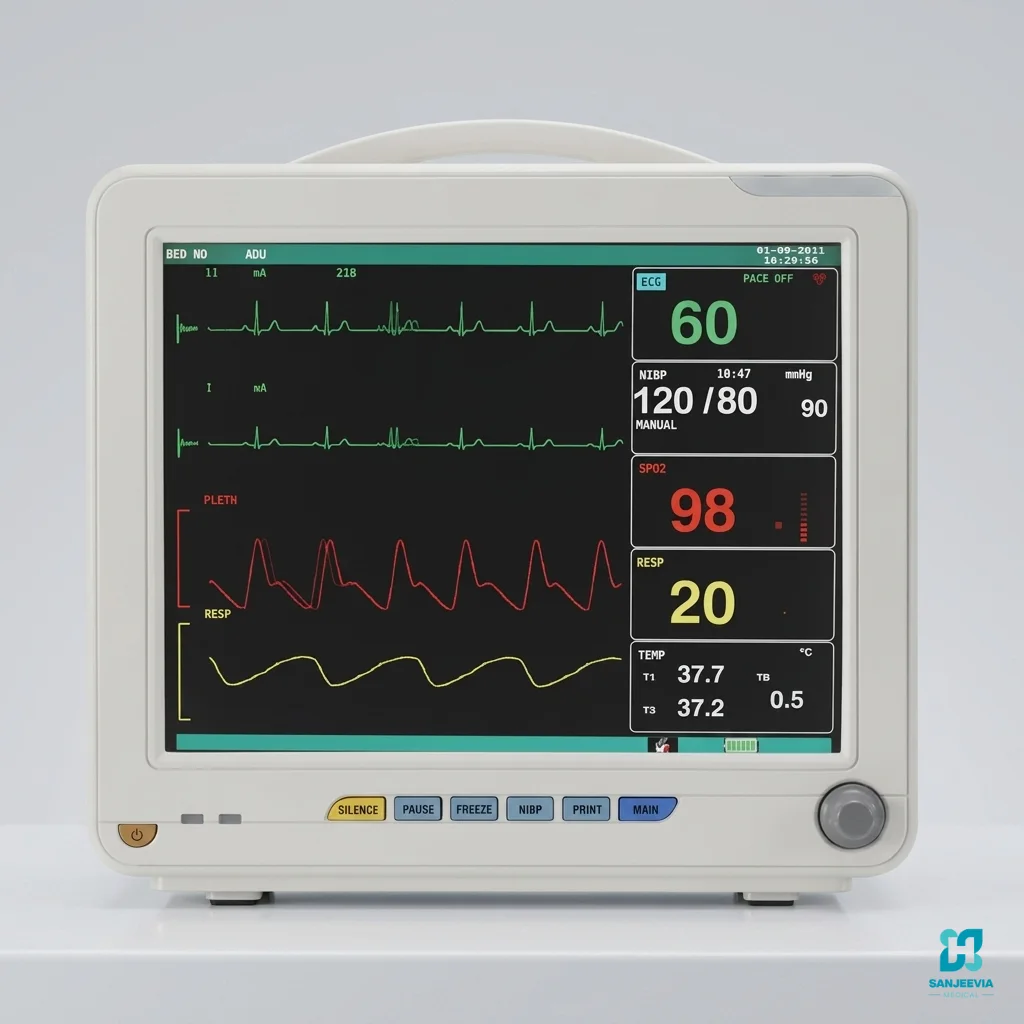
Ask the hospital or treating clinician to state the equipment type, essential specifications, prescribed settings where applicable and expected period of use. Clarify who is authorised to operate or adjust the equipment. If the requirement is still broad, Sanjeevia’s equipment matcher can help you identify relevant categories, but the final clinical decision belongs to the treating professional.
Do not substitute one model or accessory for another without confirming that it meets the written requirement. If documents are in another language, keep the original and a clear English translation available for the clinical and service teams.
Check whether the accommodation is suitable
A hotel room, guest house or serviced apartment was not necessarily designed for home medical equipment. Speak to the property manager before confirming the setup. Ask about permission, entry timing, lift access, doorway width, room layout, power sockets and a clear route to the patient’s bed or chair.
The FDA guidance on home-use environments explains that room size, doorways, wiring and the user’s abilities can affect safe equipment use. Its home healthcare device checklist also recommends confirming operating needs, understanding alarms, keeping instructions nearby and having a backup plan.
A step-by-step plan for a temporary stay in Delhi NCR
1. Confirm the service address and local telephone contact
Share the complete property name, street address, PIN code, room or apartment details, floor and reception instructions. Provide an Indian telephone contact who can answer during coordination and handover. Sanjeevia currently covers Delhi, Gurugram, Noida, Greater Noida, Faridabad, Ghaziabad, Sonipat and Bahadurgarh, subject to PIN-code and current availability confirmation. The live delivery policy contains the current service-area process.
2. Obtain written permission from the property
Ask the hotel or apartment manager whether equipment can enter through the main entrance or a service route, where it may be placed and whether a representative must be present. For a large unit, share measurements before arrival. Keep corridors, exits and staff work areas clear.
3. Name the patient attendant who will receive the handover
The local attendant should inspect the unit and included accessories, attend the demonstration and store the support information. If the patient cannot sign or participate, clarify who is authorised to act for them before the handover.
4. Check the unit and accessories at handover
Match the delivered equipment with the written requirement. Review visible condition, accessory count and identifying details. Ask the service professional to demonstrate basic operation and the correct method for routine care. Sanjeevia’s equipment quality-check guide explains the checks, sanitisation and handover steps used before and during delivery.
5. Separate clinical instructions from operating instructions
The clinician decides how the equipment supports the patient’s care. The equipment provider explains how the unit functions, how to recognise a fault and how to request service. Keep both sets of instructions, and do not ask hotel staff to make clinical decisions or adjust prescribed settings.
6. Prepare for language and time-zone gaps
Write the equipment name, patient location, local attendant, clinician contact and provider support contact in one message. If the main family coordinator is abroad, include the time window in which they can be reached. Ask questions during the demonstration and take notes in the language the attendant understands best.
7. Keep a backup and escalation plan
Know what to do if the unit displays an alarm, loses power or appears not to work. Keep the treating team’s emergency instructions accessible. For equipment service, refer to Sanjeevia’s breakdown and replacement policy. For a medical emergency, contact the treating hospital or local emergency services immediately.
8. Align collection with the travel plan
Confirm the expected checkout or departure date and identify who can provide room access if the patient leaves for the hospital. If the stay is extended, review the renewal policy before the rental period ends. When equipment is no longer required, follow the return and refund policy and keep the handover record until collection is complete.
Documents and information to prepare
- Treating professional’s written equipment requirement
- Patient and authorised attendant details
- Complete accommodation address and PIN code
- Property permission and access instructions
- Room, doorway and lift measurements for larger equipment
- Expected period of use and review date
- Clinician, local attendant and provider support contacts
- Departure or checkout plan for collection coordination
Visa and immigration questions should be checked only through official channels. The Government of India e-Visa portal provides current information about e-Medical and e-Medical Attendant categories. Sanjeevia does not provide visa or immigration advice.
What Sanjeevia can help coordinate
Sanjeevia supports home medical equipment rental across its service area in Delhi NCR. The team can discuss the stated equipment requirement, confirm current availability and serviceability, and coordinate a documented handover at a suitable address. Read how the Sanjeevia service works and the current rental policy before proceeding.
For an international patient, use the contact page to share the equipment requirement, Delhi NCR PIN code, property type, expected dates and local contact. The frequently asked questions also answer common questions about handover and support.
Frequently asked questions
Can medical equipment be used in a hotel room?
It may be possible when the property permits it and the room, access route and utilities are suitable. Confirm permission and measurements with the property before arranging the equipment.
Can an international family member arrange the rental?
Remote coordination may be possible, but a reachable local adult should receive the handover, verify the unit and understand the demonstration.
Does the equipment provider decide the patient’s settings?
No. Prescribed settings and clinical use must be directed by the treating professional. The provider can explain the equipment’s operation and service process.
What happens if the patient’s stay is extended?
Contact the provider before the rental period ends and follow the current renewal process. Keep the treating team informed if the care plan has also changed.
This article offers general planning information. It does not replace medical, immigration, travel or accommodation advice.