
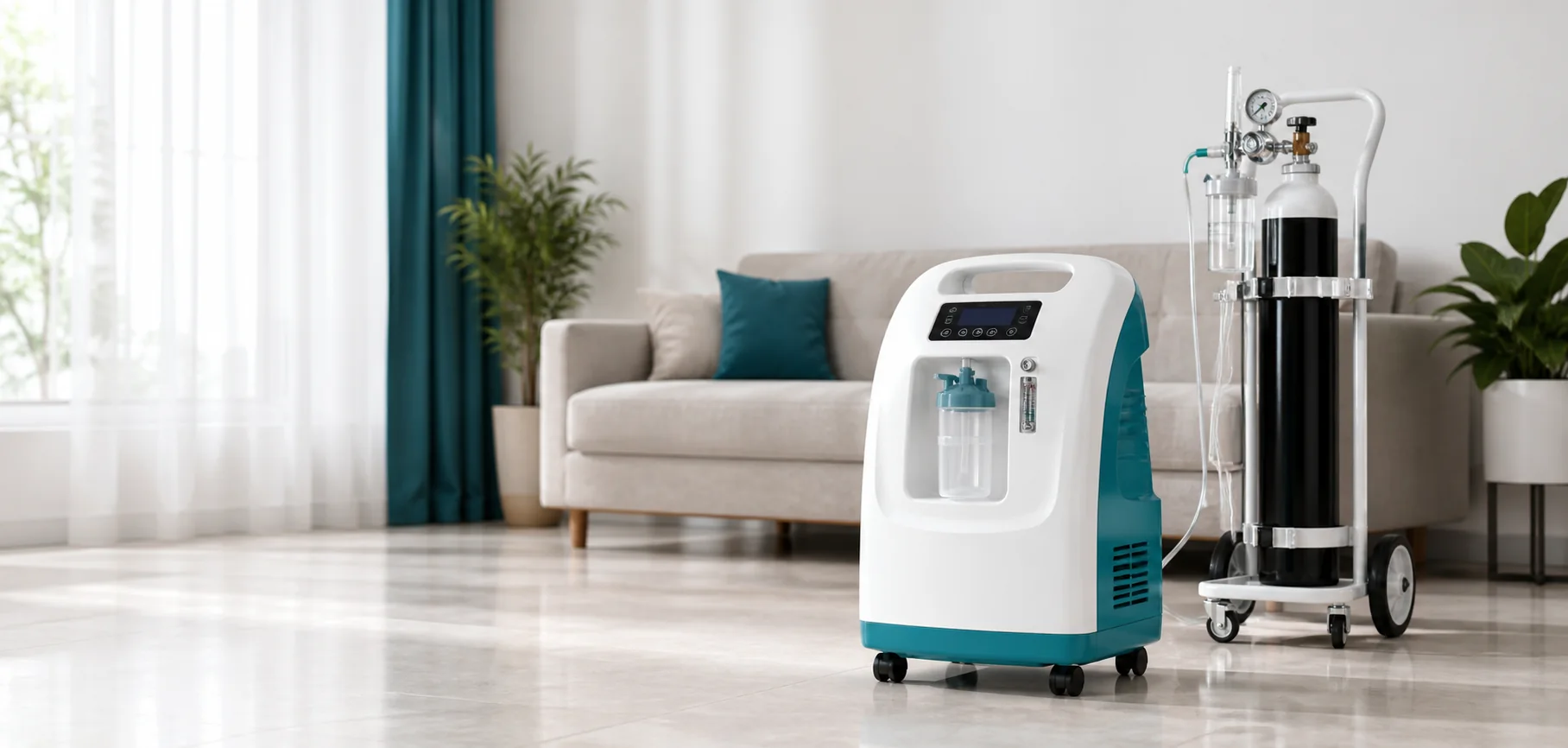
Quick answer: When considering how long should you rent an oxygen concentrator, begin with the written oxygen prescription and a supplier demonstration. Match flow mode, range, accessories, power and backup to the patient-specific plan. Do not start, stop or change oxygen settings without the treating clinician’s instruction, and treat fire safety and worsening symptoms as priority issues.
Rental planning for how long should you rent an oxygen concentrator?
Rent the capability in the prescription, not just a familiar model name. The quote should state flow mode and range, oxygen-performance specification, hours of intended use, accessories, backup source, delivery, installation, training, preventive maintenance, breakdown response, replacement process, pickup, tax and deposit.
Duration depends on the clinician’s review plan and the reason oxygen was prescribed. Do not stop, extend or reduce oxygen only because a rental period ends. Arrange reassessment and confirm how billing changes if the prescription or device capacity changes.
- Obtain an itemised written quotation.
- Confirm a cleaned and serviced device with maintenance record.
- Ask how quickly a failed unit is replaced.
- Record backup-cylinder or battery terms.
- Keep the provider’s 24-hour support details where caregivers can see them.
Start with the prescription and the exact device
Home oxygen is medical therapy. The prescription should identify the flow or device setting, delivery mode, interface, hours or situations of use, and any target or action plan the clinician wants followed. A concentrator with a larger maximum flow is not automatically safer, and a pulse-dose setting is not a simple substitute for continuous litres per minute.
Ask the supplier to match the prescription to a specific model and approved accessories. Confirm oxygen concentration performance across the required range, alarm meanings, maximum operating hours, power requirements, noise, heat, dimensions and service record. If oxygen is essential continuously or overnight, obtain a written backup plan before the patient reaches home.
For related planning, see Sanjeevia’s cylinder-versus-concentrator guide, concentrator placement checklist and post-discharge oxygen checklist.
Home setup, ventilation and fire safety
Place the concentrator upright on a stable surface in a ventilated, uncluttered area. Keep the manufacturer-required clearance around air inlets and outlets. Do not cover the device, place it inside a closed cabinet, run cables beneath the frame of other equipment, or position it where curtains and dust block airflow. Secure cylinders upright with the approved trolley or stand.
No smoking or vaping is compatible with oxygen use. Keep oxygen away from open flames, gas stoves, candles, incense, sparks, heaters, aerosol sprays, flammable solvents and petroleum-based products. Follow the supplier’s stated separation distances and notify the appropriate local fire-safety authority when advised. Working smoke alarms, clear exits and a household emergency plan are essential.
Route tubing where it remains visible and can be inspected. Avoid carpets, door hinges, wheels and tight coils. Use only the length and connectors approved by the supplier. Do not apply oil or grease to fittings, and do not use an unapproved extension cable or multi-plug adapter for a stationary concentrator.
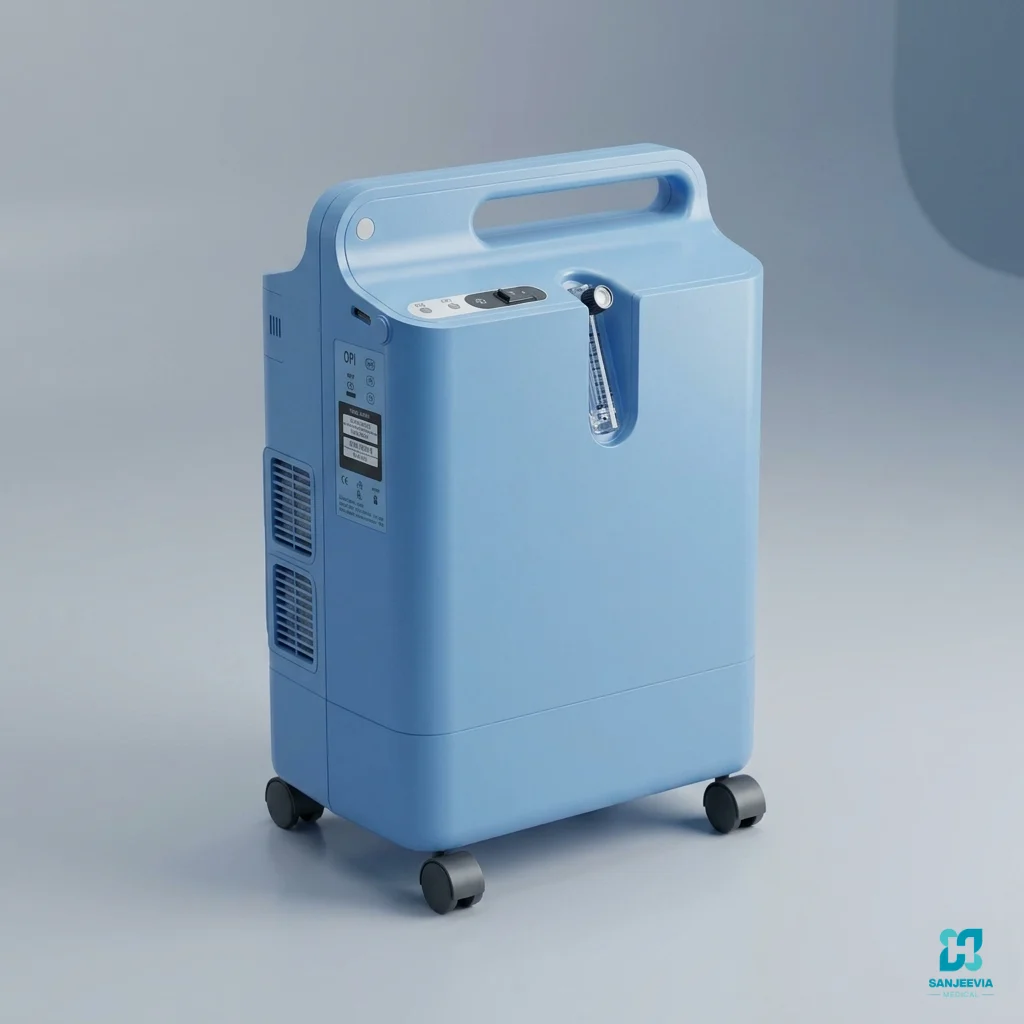
Daily caregiver routine
At the beginning of use, check the device label, prescribed setting, indicator lights, tubing connections, cannula position, intake clearance and backup readiness. Listen for alarms or a new sound and look for damaged insulation, heat or unusual odour. Keep the patient’s written action plan and service number near the device.
Clean external surfaces and approved filters only as the manufacturer instructs. Keep water away from electrical parts. Replace disposable cannula and tubing on the clinician or supplier’s schedule, and check skin around the ears, nose and face for pressure or irritation. Never share a cannula or use household cleaning chemicals inside tubing.
Monitoring, pulse oximeters and when to get help
A pulse oximeter estimates blood oxygen saturation and pulse rate, but it has limitations. The FDA notes that readings can be affected by factors including poor circulation, skin pigmentation, skin temperature, movement, tobacco use and nail polish. Use the same technique taught by the clinician, wait for a stable reading and record symptoms as well as numbers.
Do not change the oxygen setting in response to a single reading unless the patient-specific plan explicitly tells you to do so. Contact the treating team for readings outside the instructed range, a persistent change, new equipment concerns or worsening symptoms. Seek emergency help for severe breathing difficulty, blue or grey lips, collapse, new confusion, severe chest pain or any emergency described in the discharge plan—even if the oximeter looks normal.
Rental, backup and service support
An oxygen rental should include the correct device, approved interface and tubing, backup arrangement, delivery, setup, caregiver training, maintenance, breakdown support and replacement process. Ask for an itemised quote and a handover record showing the model, asset number, service date and emergency contacts. Clarify who replaces filters and consumables and how quickly a failed unit is exchanged.
Test the outage plan while the patient is stable. Know how to move to backup oxygen, how long it lasts at the prescribed setting and who to call. Do not ration oxygen by lowering flow, transfer oxygen between cylinders, or repair a regulator or concentrator yourself.
Frequently asked questions
Can oxygen be used for breathlessness without a prescription?
No. Breathlessness has many causes, and oxygen can be harmful when used incorrectly. Seek clinical assessment.
Can the flow be increased when saturation looks low?
Only if the patient-specific plan from the treating clinician says to do so. Otherwise contact the clinical team or emergency services according to the plan.
Can a concentrator be placed against a wall?
Maintain the exact clearance required in the model’s manual so air inlets and outlets remain unobstructed.
What if the device alarms?
Protect the patient, follow the backup plan, check only permitted visible items, note the alarm code and contact the supplier. Do not bypass an alarm.
Sources and further reading
- U.S. FDA: Pulse Oximeters and Oxygen Concentrators
- U.S. FDA: Pulse Oximeters
- U.S. FDA: Unique Considerations for Home Medical Devices
- NHS: Home Oxygen Therapy
- World Health Organization: Oxygen
Medical boundary notice: This article is general education, not a prescription or substitute for respiratory assessment. Use oxygen only as prescribed, follow the device manual and the patient-specific action plan, and seek urgent care for severe or worsening symptoms.
Need help arranging prescribed equipment? Contact Sanjeevia Medical with the prescription, patient location, required start date, power situation and travel or backup needs. The team can help compare compatible rental options in Delhi NCR.
Published by Sanjeevia Medical.