
Quick Answer
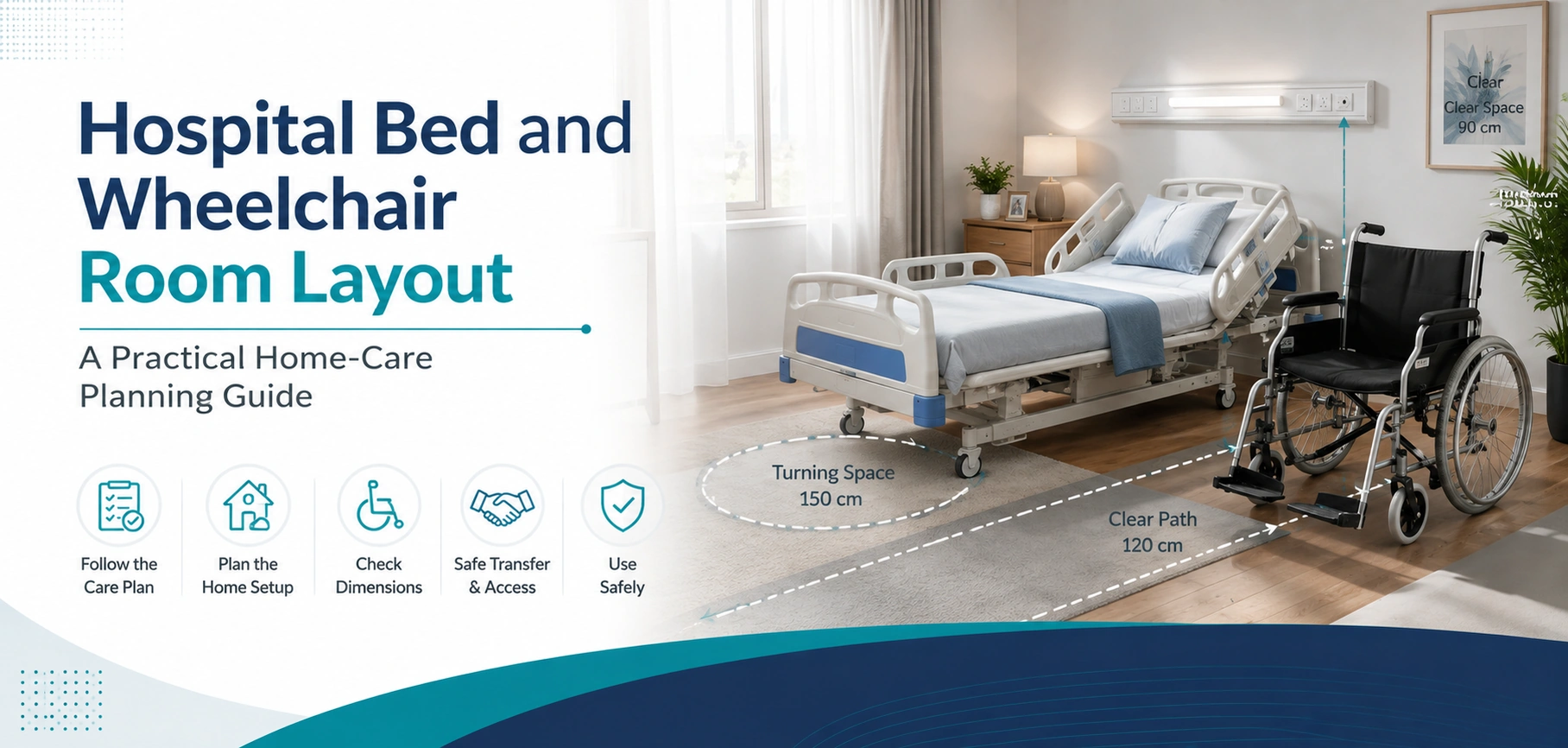
Hospital Bed and Wheelchair Room Layout: A Practical Home-Care Planning Guide should be treated as a practical home-care planning topic. The most suitable equipment and method of use depend on the individual patient, their written clinical instructions, the caregiver’s capacity and the home environment. This article explains how families can prepare useful questions before arranging equipment; it does not replace medical advice.
Begin With the Care Plan
Start with the treating team’s written discharge plan. Ask what the patient can do safely, what assistance is required and whether a particular function, model or accessory has been recommended. A product label alone cannot explain a safe transfer, positioning method, supervision level or clinical follow-up. Ask the clinician, nurse, physiotherapist or occupational therapist to clarify any point that is not understood before delivery day.
Plan the Home Setup
Walk from the entrance to the intended room and note doors, lifts, corridor turns, thresholds, stairs, power points, lighting and clear space. A practical setup also allows a caregiver to work without blocking a prescribed mobility aid. Keep loose rugs, cables and unstable furniture away from the route. Do not imitate product functions with unapproved accessories or home furniture.
Compare the Exact Product
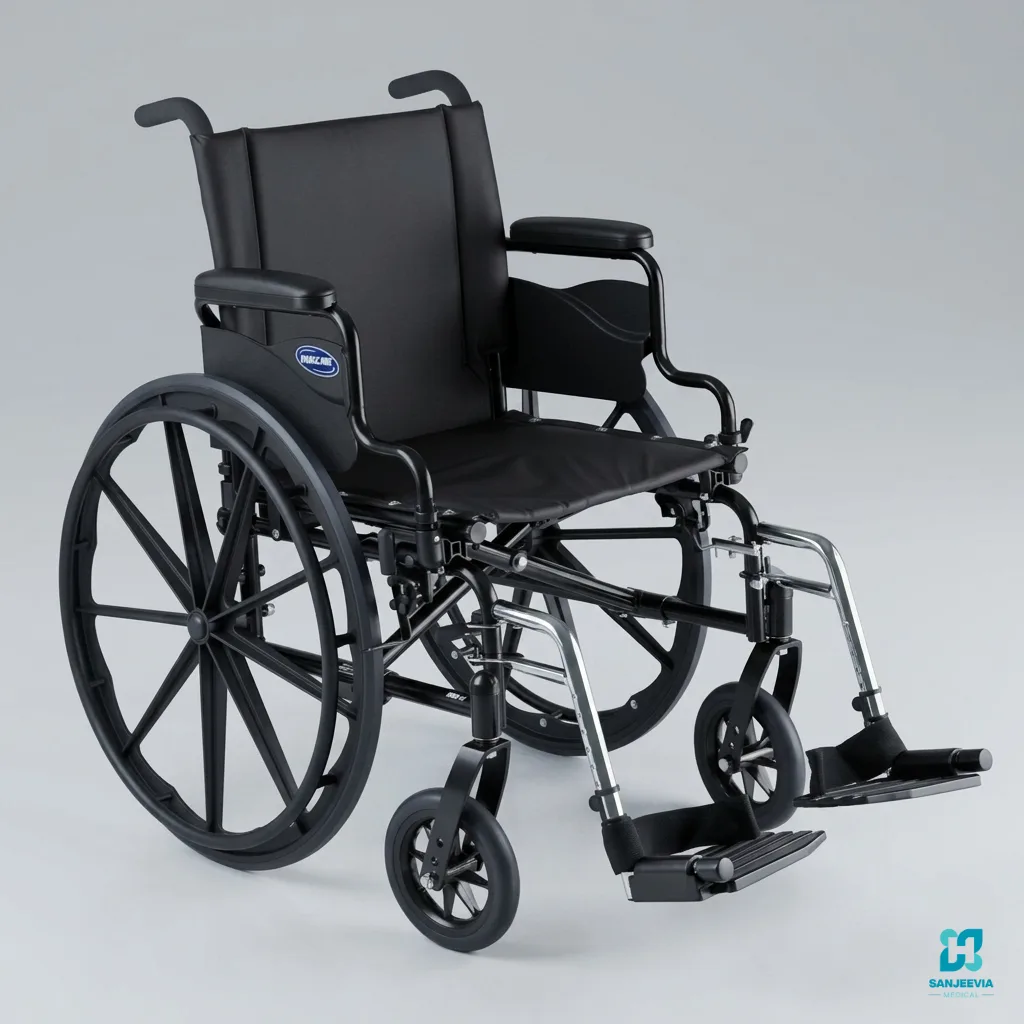
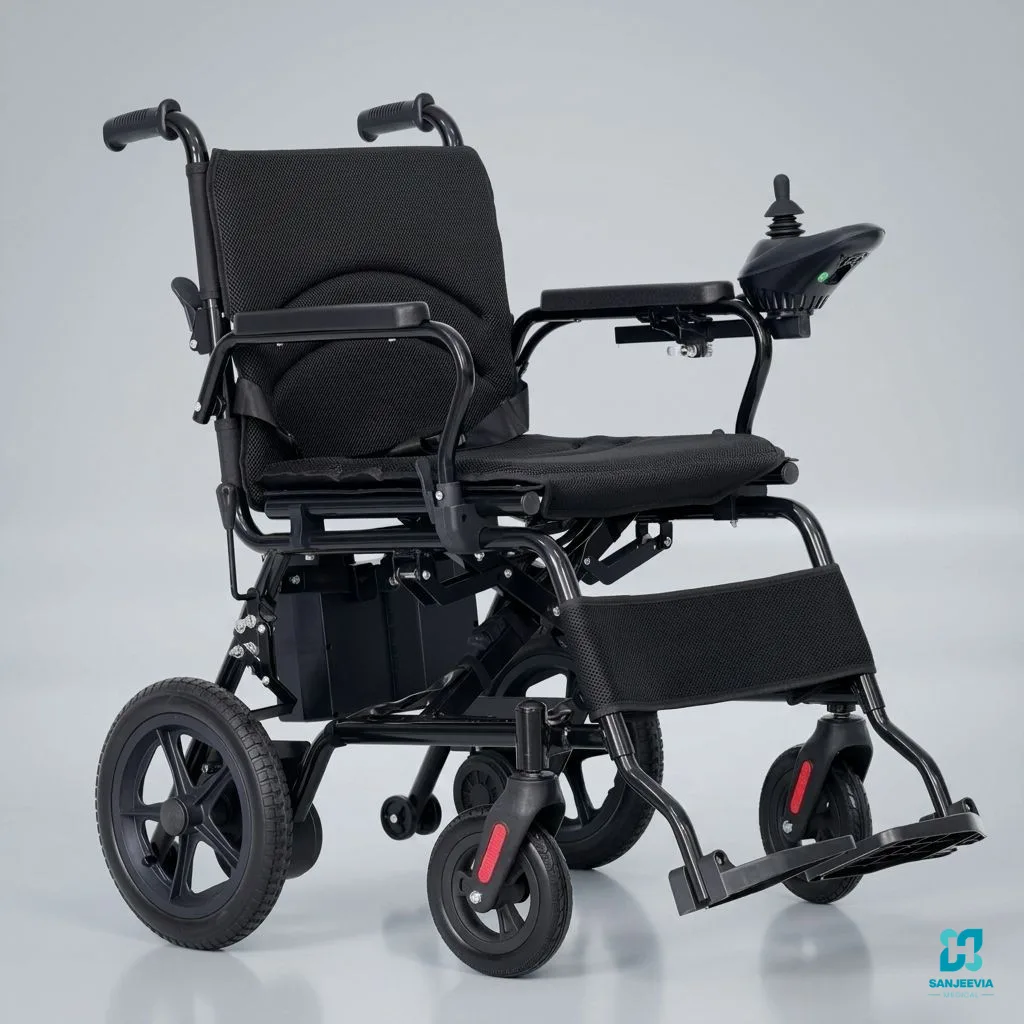
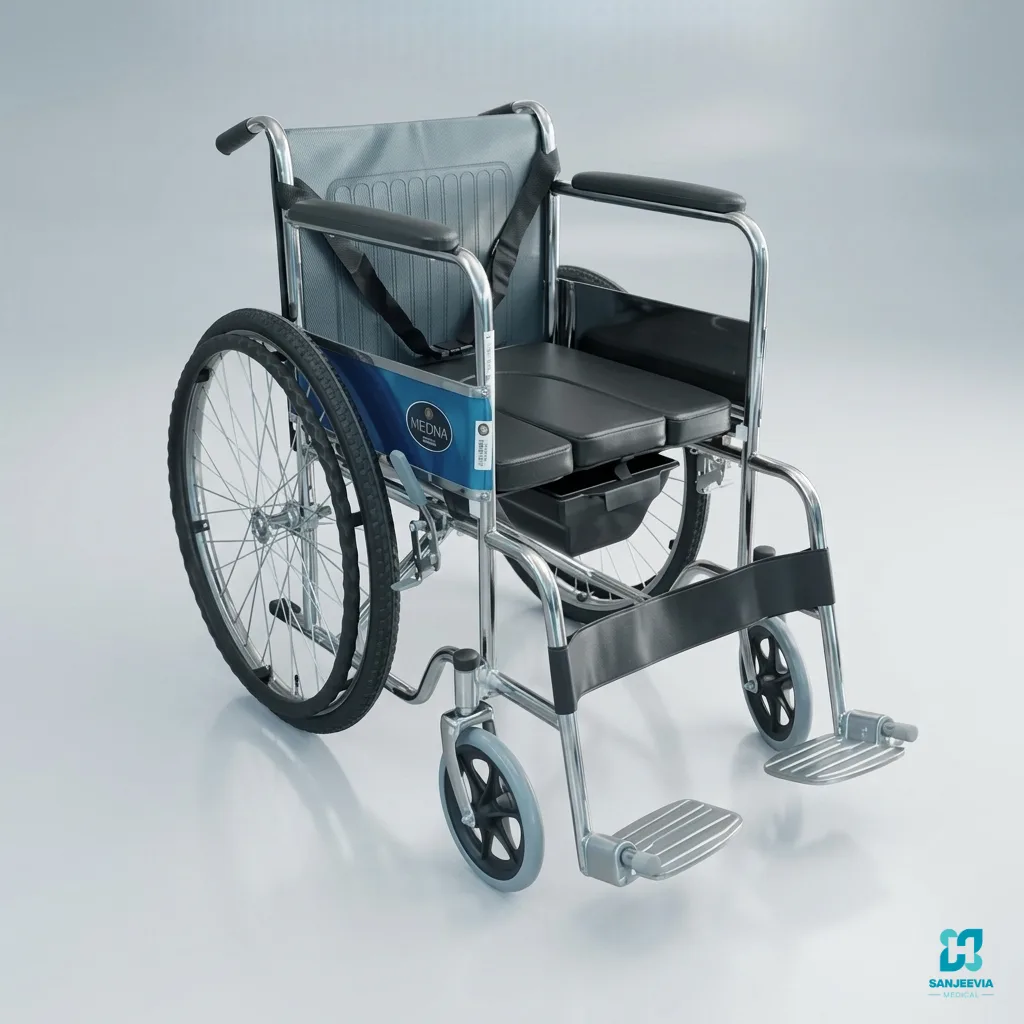
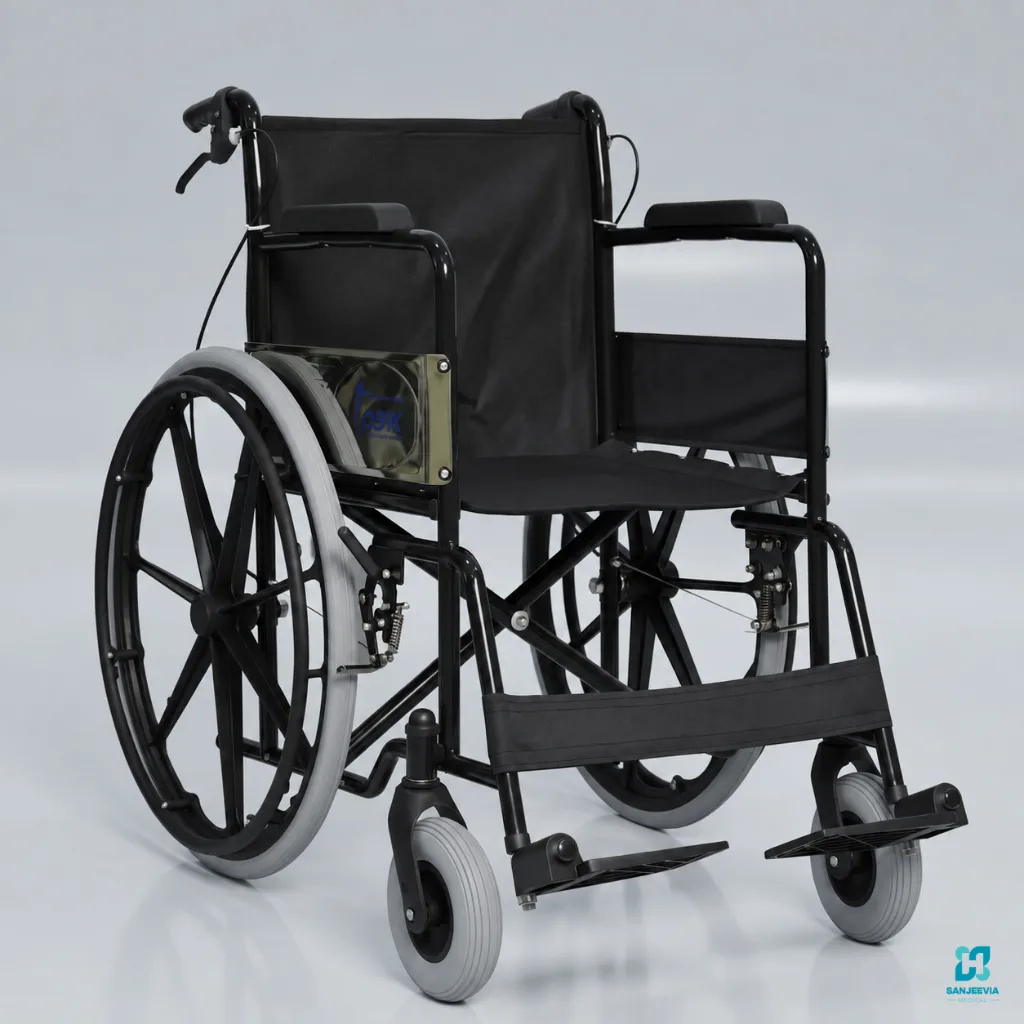
Review the stated specifications of the exact model rather than assuming similarly named items work alike. Relevant starting points include manual wheelchair options and motorised wheelchair options. Confirm dimensions, included accessories, manual, power needs where applicable, cleaning instructions and service terms. The provider can explain the equipment, but the clinical team must determine patient-specific use.
Rental and Handover Checklist
Confirm delivery access, the exact equipment supplied, handover demonstration, rental period, extension process, deposit, service-contact route and collection procedure. Write down model names and accessories. If the delivered device differs from the one discussed, stop and clarify before it is used. Keep the product manual and support number in a place the family can find quickly.
Safe Use at Home
Use only the approved controls and accessories. Follow the supplied manual and the clinical plan; do not alter prescribed settings or patient-care procedures based on online information. Equipment may support care but does not diagnose, cure, prevent disease or guarantee an outcome. Contact the treating team or emergency services according to discharge instructions if symptoms change, a transfer is unsafe, or the family cannot follow the plan.
Frequently Asked Questions
Can a website choose the right equipment for a patient?
No. A website can explain the product and help with practical preparation. The treating healthcare professional must guide patient-specific selection and use.
Medical Disclaimer
This is general equipment information only, not medical advice. Follow the patient’s doctor, nurse and rehabilitation team for all clinical decisions.