
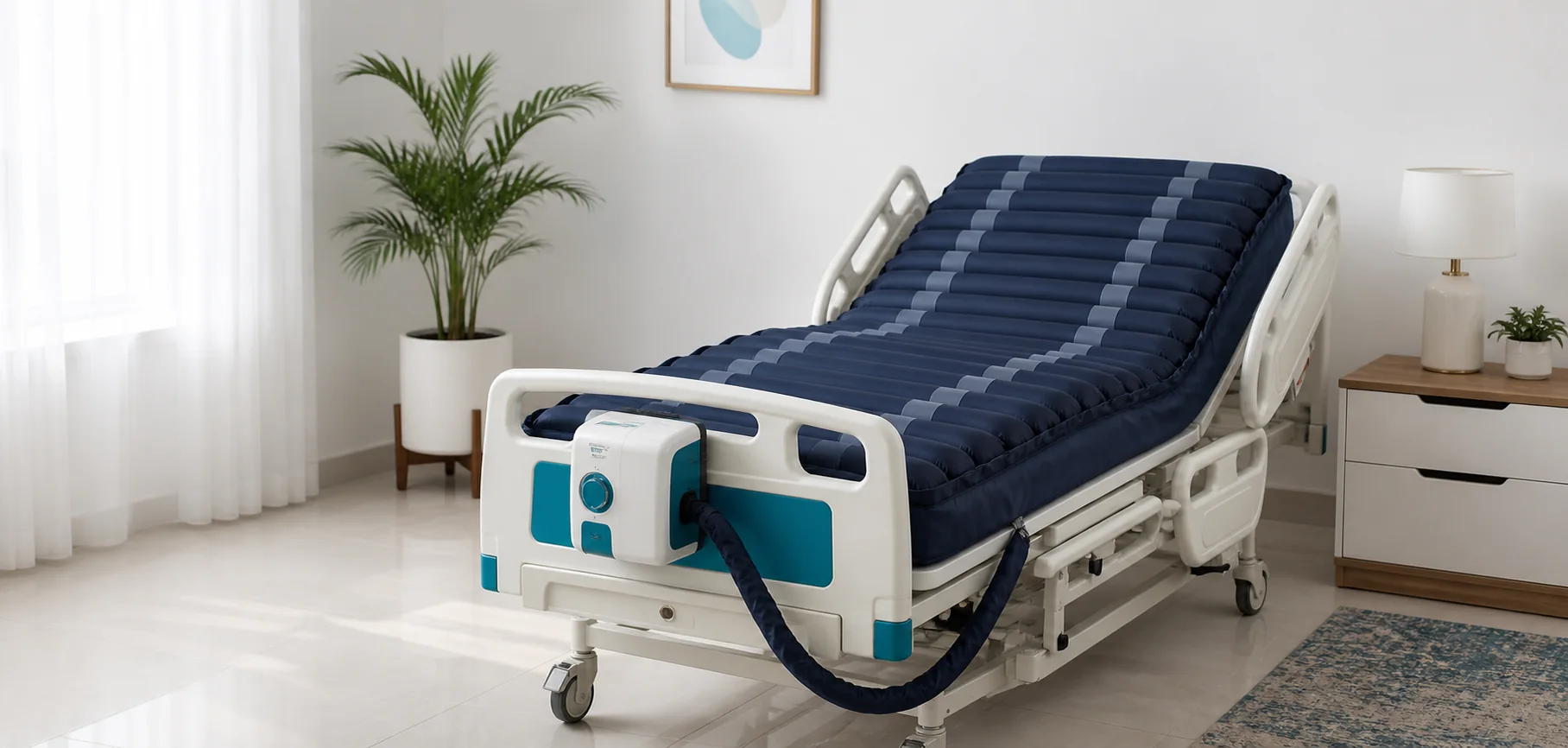
Quick answer: When considering air mattress cleaning, use a documented pressure-injury risk and skin assessment. Match the surface to the patient and bed, and keep the prescribed repositioning, heel-offloading, moisture, nutrition and skin-care plan in place.
Planning “Air Mattress Cleaning”
Follow the cover and pump manufacturer’s cleaning and disinfection instructions. Inspect seams, zips, hose and underside for fluid ingress or damage, and keep electrical parts dry.
Start with risk and skin assessment
Pressure injury risk reflects mobility, sensation, nutrition, moisture, circulation, cognition, medical devices and existing or previous wounds. A nurse or other trained clinician should assess and document the plan. NICE recommends high-specification foam for adults at high risk in community care and considering a dynamic surface when a high-specification foam mattress is not sufficient for an existing pressure ulcer.
Surface selection must fit the person’s comfort and ability to move. An unstable or very soft surface can make transfers harder. Reassess after any skin change, reduced mobility, weight change, increased moisture or hospital readmission.
Mattress and bed compatibility
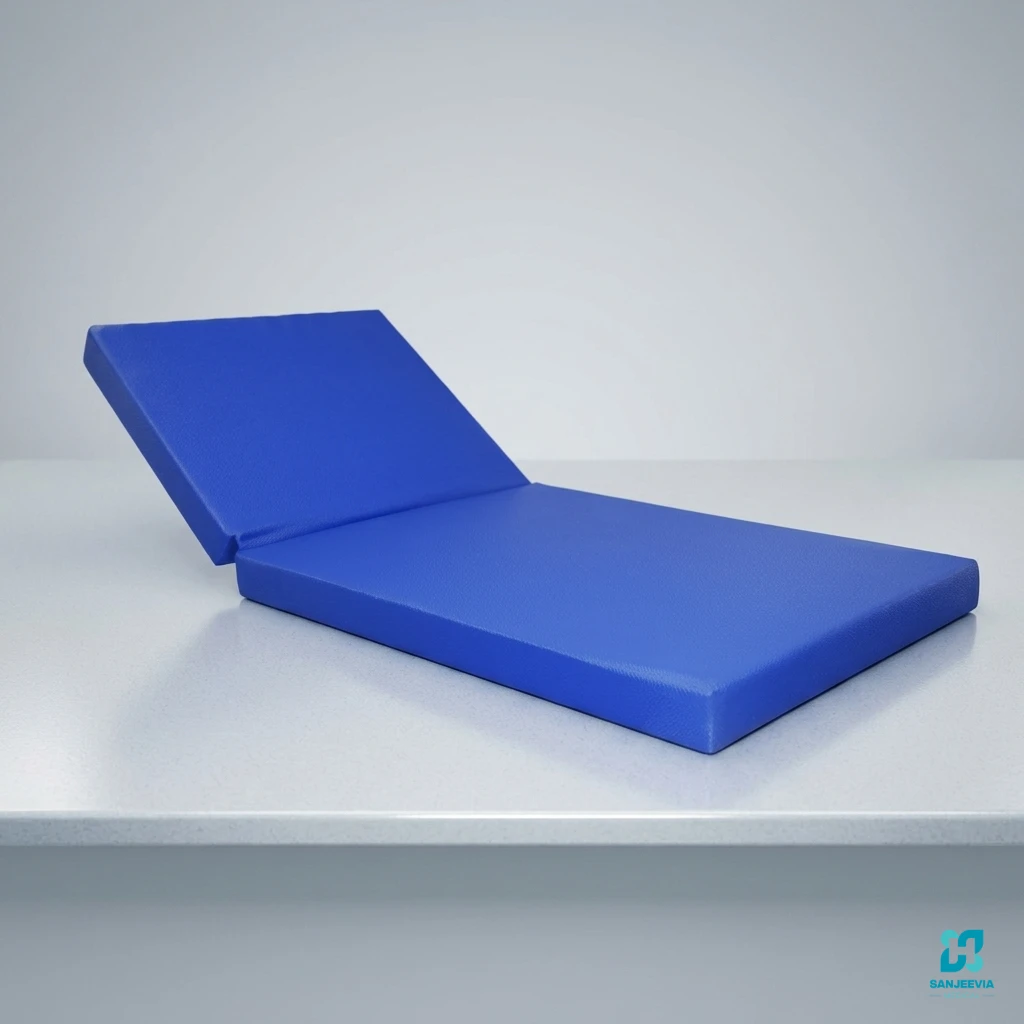
Confirm platform length and width, articulating sections, maximum mattress thickness, safe working load, rail configuration and required clearances. An overlay changes effective height and rail relationship. A mattress that bunches or bridges when the bed bends can create gaps and reduce support.
Review Sanjeevia’s mattress compatibility guide, pressure-care mattress questions and air-versus-foam comparison.
Pump setup and daily equipment checks
Secure the mattress and hose as instructed, place the pump on its approved support, keep vents open and route tubing without kinks or trip loops. Use only the patient-specific setting or mode provided by the clinician or supplier. Allow the system to initialise before transfer when the manual requires it.
Each day check inflation pattern, indicators, hose, connectors, cover, seams, bottom surface and pump sound. If the system fails, protect the patient from bottoming out and follow the backup positioning and surface plan. Do not wait for visible skin damage.
Repositioning, heels and moisture
A pressure-redistributing mattress does not eliminate pressure. Follow the documented repositioning frequency and technique, inspect vulnerable skin as trained, and use the prescribed heel-offloading strategy. Do not massage red or damaged skin. Manage incontinence and moisture with the clinical plan.
Report persistent redness, non-blanching colour change, warmth, hardness, blister, open skin, pain or new odour promptly. Wounds require clinical assessment and dressing guidance.
Rental, cleaning and maintenance
Confirm mattress model, patient range, pump, hose, cover, delivery, setup, cleaning process, maintenance, breakdown response, exchange and pickup. Inspect the delivered cover and ask how internal contamination is checked. Keep rental records and do not patch a clinical mattress unless the manufacturer authorises a repair.
Clean with approved products and concentration, observe contact time, dry fully and prevent fluid entering the pump. Replace or isolate a torn, permeable or heavily contaminated cover according to provider policy.
Documented repositioning and handover
The clinical team should write the required repositioning frequency, permitted positions, assistance level, heel strategy, skin-inspection sites and what to do after an interruption. Record completed turns and skin findings without relying on memory. A new caregiver should receive the same plan at handover.
Use slide sheets, hoists or additional caregivers when assessed; pulling a person across the mattress can increase shear and damage the cover. Keep tubes and devices from pressing into skin, and check that bed articulation has not caused the person to slide.
Moisture, nutrition and medical-device pressure
Pressure care includes moisture and continence management, nutrition and hydration assessment, pain control and attention to pressure from masks, tubing, splints or catheters. Follow clinician advice rather than adding supplements or barrier products independently.
Inspect heels, sacrum, hips, elbows and any device-contact area as trained. New warmth, hardness, discolouration, blister or open skin needs prompt review even when the mattress appears to work.
When inflation or pump behaviour changes
If cells feel unusually soft, the pump alarms or inflation pattern changes, check mains power, prescribed control position, hose kinks and visible connections. Do not guess a new pressure. Move the patient according to the backup plan, increase observation and contact the provider.
Record pump lights or alarm code, time, patient position, recent bed movement and any leak sound. Isolate a wet or damaged electrical unit and never open the pump case.
Delivery, demonstration and written records
Before delivery, confirm the route, stable equipment location, suitable power where needed, lighting, storage for clean supplies and a clear place for instructions. Have the patient’s assessment or prescription available so the installer can compare the delivered model and accessories with the order.
At handover, ask the provider to demonstrate setup, normal operation, user checks, cleaning boundaries, consumable replacement, alarm or fault response, backup and safe shutdown. Every regular caregiver should perform a return demonstration rather than only watch. Photograph the assembled configuration and labels without recording private patient information.
- Record model, serial or asset number and delivery condition.
- List every included accessory and personal-contact part.
- Keep the manual, clinical plan and support numbers together.
- Confirm preventive maintenance and breakdown replacement.
- Clarify exchange, pickup, deposit and damage terms.
Review the setup after a hospital visit, fall, new symptom, caregiver change, home modification or equipment exchange. Stop using a damaged or unsuitable component and contact the responsible clinician or provider; do not create an improvised workaround simply to continue the routine.
Frequently asked questions
Does an air mattress prevent every bedsore?
No. It is one part of an assessed prevention plan.
Can pressure be set by comfort?
Use the prescribed or manufacturer-guided setting for the patient; ask the clinical team when unsure.
Can it fit any hospital bed?
No. Platform size, bending sections, load and rail relationship must be compatible.
What if power fails?
Follow the backup surface and repositioning plan and contact the provider.
Sources and further reading
Medical boundary notice: This article is general education and does not replace pressure-risk assessment, wound care or a repositioning plan.
Need help arranging a compatible surface? Contact Sanjeevia Medical with risk assessment, bed model, patient size and expected duration.
Published by Sanjeevia Medical.