
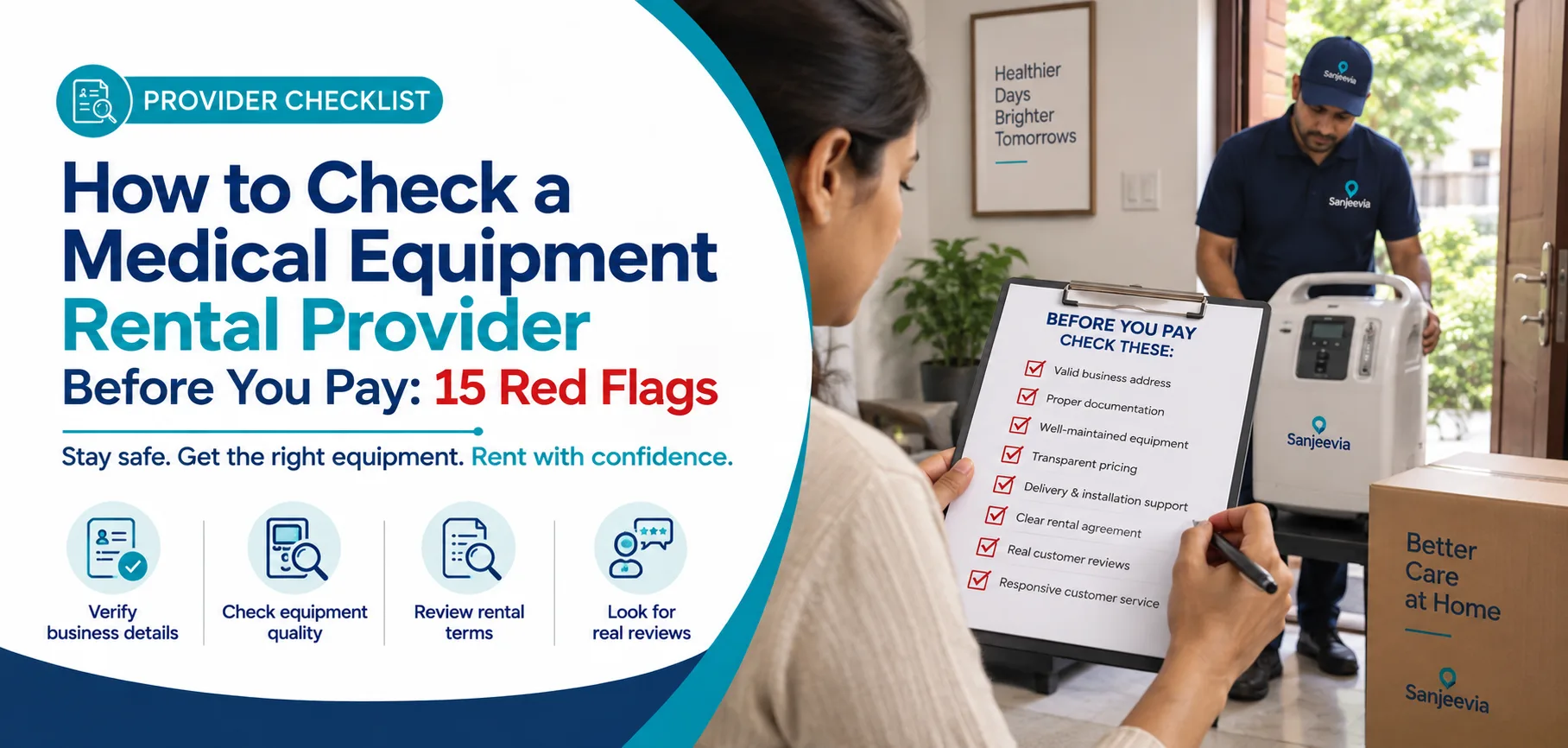
Quick answer: Before paying a medical-equipment rental provider, verify the exact device, complete charges, condition of the assigned unit, cleaning record, installation, caregiver training and breakdown support. Warning signs include a quotation without a model name, pressure to pay before specifications are confirmed, no written deposit terms, vague replacement promises and the use of patient-contact accessories without clear hygiene controls.
A family arranging equipment after hospital discharge is often working under time pressure. That urgency can make an incomplete quotation look acceptable. The purpose of this guide is to slow the decision down just enough to check the points that protect the patient, caregiver and household budget.
A five-minute check before you pay
Ask the provider to send one written message containing:
- the exact equipment name, manufacturer and model;
- the rental period and total rental charge;
- security deposit and refund conditions;
- transport, installation and pickup charges;
- included and excluded accessories;
- delivery date and serviceable address;
- fault-reporting and replacement process.
If the provider cannot give these basic details before payment, the family cannot compare the offer properly. For Sanjeevia orders, review the published rental policy, security-deposit policy and delivery policy alongside the product quotation.
15 warning signs in a medical-equipment rental quotation
1. The quotation names only an equipment category
“BiPAP machine,” “five-litre concentrator” or “electric bed” is not a complete identification. Different devices can have different clinical modes, alarms, load capacities and accessories. Ask for the manufacturer, model and specification. A basic S-mode BiPAP, for example, cannot be treated as interchangeable with an ST-mode or AVAPS device.
2. The provider recommends clinical settings
A supplier can explain the controls and deliver a device set according to a valid prescription. The treating clinician must choose oxygen flow, BiPAP or CPAP pressures, ventilator mode, alarm limits and other therapy settings. Treat casual advice to “try a higher setting” as a serious warning sign.
3. The price is given without the deposit and transport charge
A low monthly figure may exclude the amount payable at delivery. Request a total showing rent, refundable deposit, transport, accessories, installation and taxes where applicable. Use the Delhi NCR medical-equipment rental price guide to see how these parts fit together.
4. Deposit refund conditions are verbal
The document should explain when the deposit will be returned, what inspection occurs and how damage or missing parts are handled. It should distinguish normal wear from chargeable damage. Keep delivery and pickup photographs with the order record.
5. The provider will not show the assigned unit
Catalogue photographs do not prove the condition of the rental unit that will arrive. Ask for current photographs, model labels and, where practical, the quality-check or sanitisation record before dispatch.
6. “Sanitised” is the only hygiene information
Ask what was cleaned, which patient-contact items are new, and which reusable parts were disinfected. Masks, cannulas, tubing, filters, underpads and similar consumables may need individual handling or fresh purchase. A sticker should support a process; it should not replace one.
7. Included accessories are unclear
A hospital bed may need a compatible mattress. A BiPAP or CPAP setup needs the prescribed interface and suitable circuit. An oxygen concentrator may require a cannula, mask or humidifier accessories. Write every included and excluded item into the quotation.
8. There is no delivery-route check
Hospital beds and other large equipment may not pass through a narrow lift, corridor turn or bedroom doorway in their transported form. Measure the complete route. The provider should ask about the floor, lift, stairs and room before dispatch. For beds, use Sanjeevia’s dimension and doorway guide.
9. Installation means leaving a box at the door
Powered and adjustable equipment should be assembled where applicable, checked and demonstrated. Every regular caregiver should know normal operation, safe shutdown, cleaning boundaries and the number to call if something fails.
10. The caregiver cannot demonstrate the controls back
A useful handover is two-way. After the demonstration, the caregiver should be able to lock bed wheels, use the permitted functions, identify respiratory-device alarms and explain the backup plan. Questions during handover are a safety step, not an inconvenience.
11. The provider has no written fault process
Ask which phone number is monitored, what information is needed, when a visit is arranged and when replacement is considered. “Call us anytime” is not a complete service commitment. Sanjeevia publishes an equipment breakdown and replacement policy for reference.
12. No one asks about power failure
An electric bed may remain in its last position during an outage. A stationary oxygen concentrator stops without electricity. Respiratory support may need a clinician-approved battery or backup-device plan. The supplier should clarify the equipment’s power needs without inventing the clinical backup requirement.
13. The provider discourages you from keeping records
Save the prescription, quotation, payment proof, order confirmation, model photographs, serial number where supplied, delivery checklist, handover notes and pickup record. A clear provider should expect the family to keep these documents.
14. Return and extension terms appear only at pickup
Ask how much notice is required, how a partial month is treated, what happens after the agreed end date and when pickup occurs. Read the return and refund policy before booking rather than after the care plan changes.
15. Urgency is used to prevent basic verification
Same-day need is common, but it should not remove the model, prescription, price and handover checks. A provider may reasonably say that stock is limited. It should still state what unit is offered and what the family will pay.
A practical scorecard for comparing providers
| Area | Strong evidence | Weak evidence |
|---|---|---|
| Equipment | Exact model, specification and current unit photographs | Generic category name |
| Price | Written total with rent, deposit, transport and accessories | Headline monthly rate only |
| Hygiene | Documented process and clear handling of patient-contact items | Unexplained “fully sanitised” claim |
| Delivery | Address, access route, installation and handover confirmed | Unclear arrival and setup |
| Support | Published or written fault and replacement procedure | Verbal reassurance only |
| Clinical boundary | Prescription followed; clinician sets therapy | Supplier changes treatment settings |
Questions for specific equipment
Hospital beds
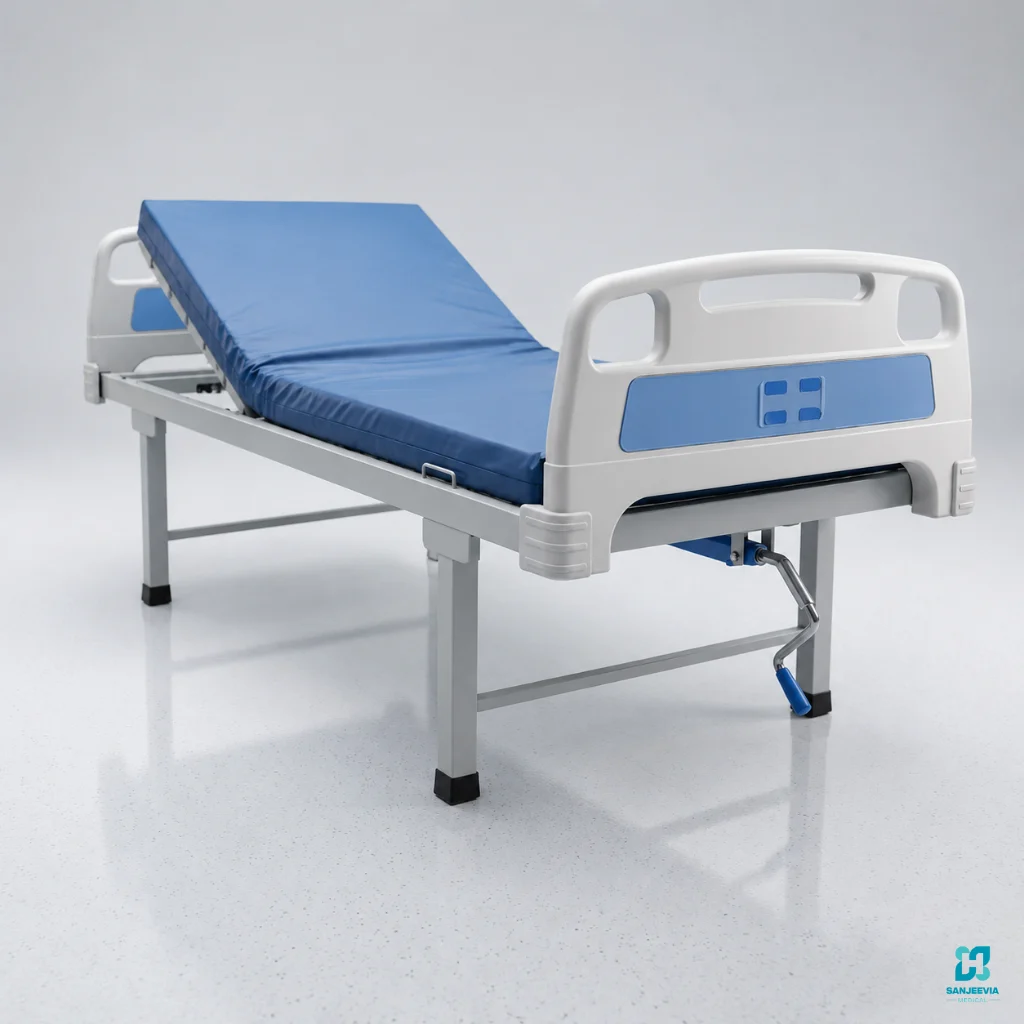
Confirm overall dimensions, mattress platform, load rating, manual or electric functions, rails, brakes and delivery access. Compare models in the hospital-bed range.
Oxygen concentrators
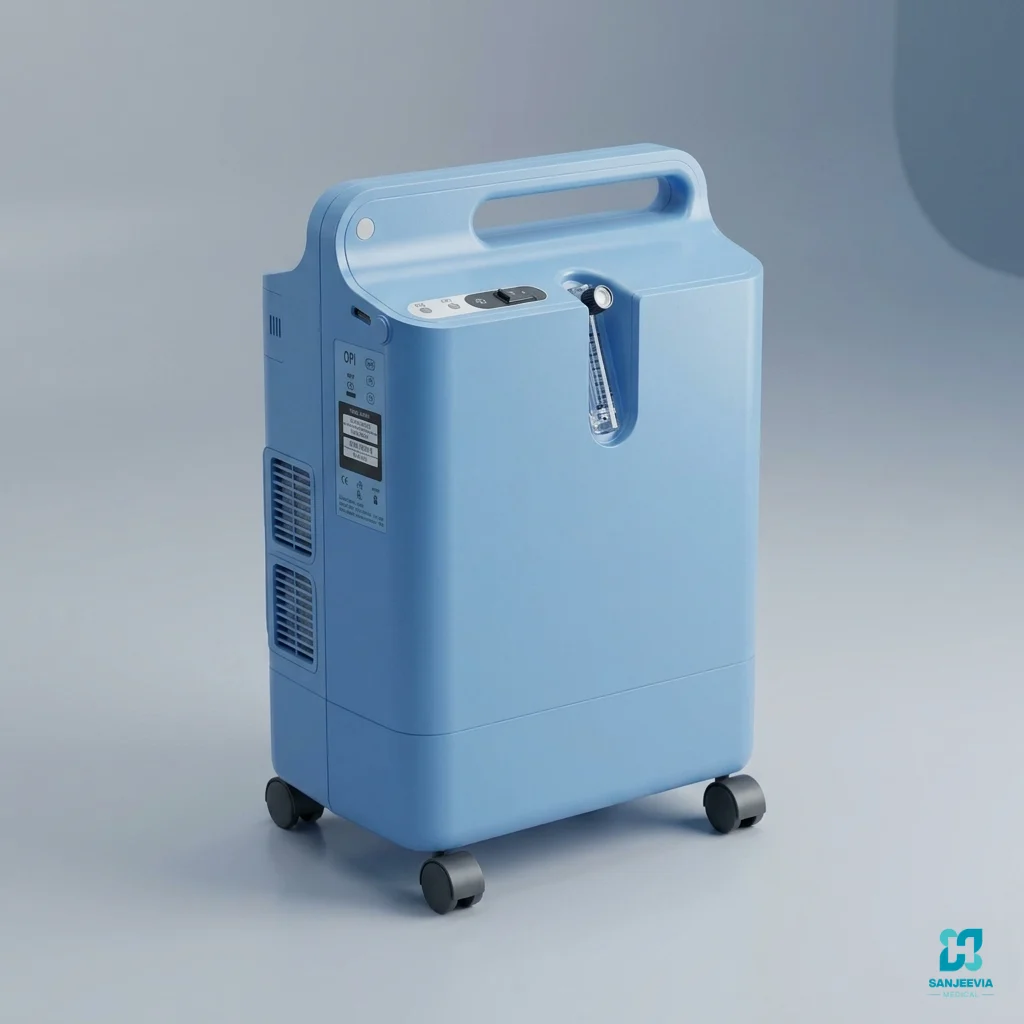
Confirm continuous or pulse flow, prescribed litres per minute, oxygen-concentration monitoring, alarms, power consumption and backup plan. Browse oxygen-support equipment.
BiPAP, CPAP and ventilators
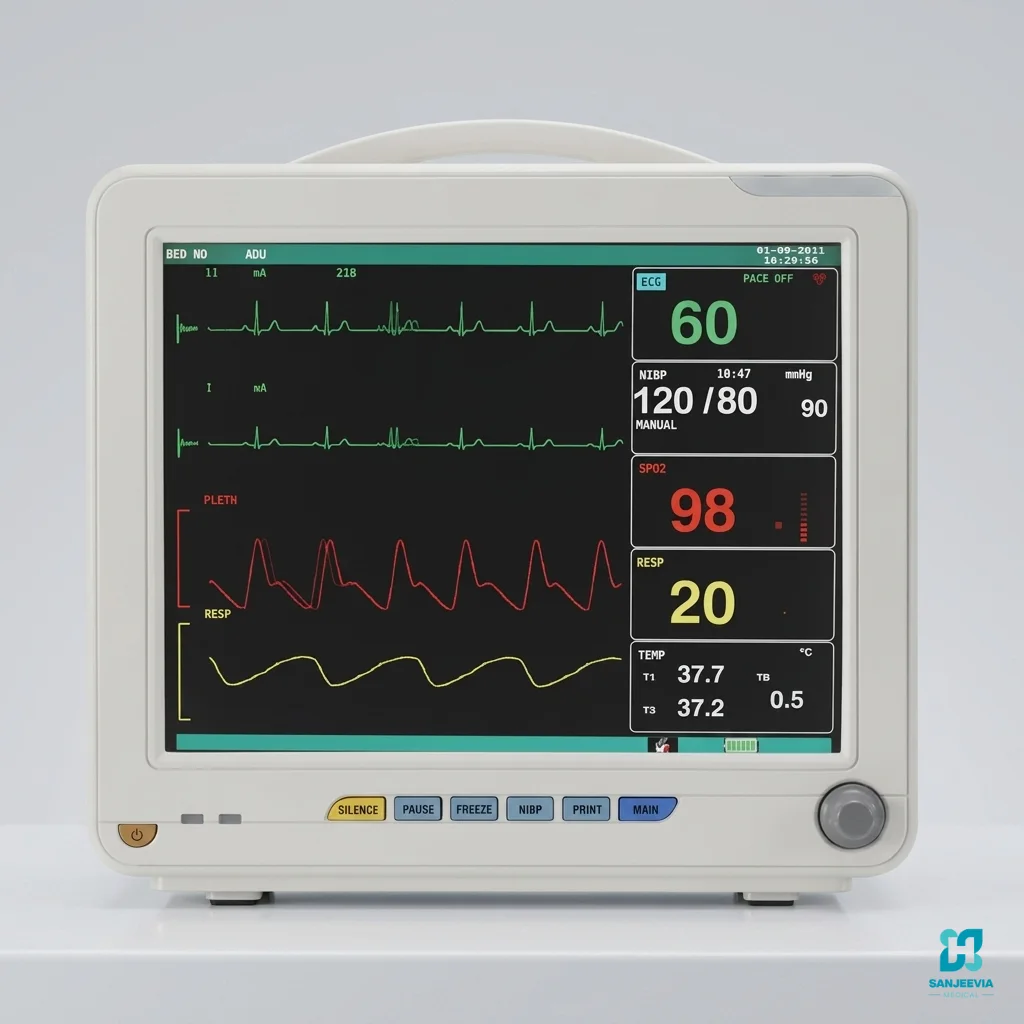
Confirm the prescribed mode, pressures, circuit, mask, humidifier, oxygen connection if prescribed, alarms and battery plan. Do not accept a substitution solely because another device looks similar. Browse the respiratory-care range.
Wheelchairs and mobility equipment
Confirm seat width, user weight, transfer method, footrests, brakes, folding size and whether the chair is intended for self-propulsion, attendant use or toileting. See the standard manual wheelchair as one reference point.

What to do if something feels wrong
Pause payment and ask for the missing information in writing. If the required clinical specification is unclear, return to the treating team. If the delivery route is uncertain, measure it. If the full price is unclear, request a single consolidated quotation. A short delay for clarification is better than receiving equipment that cannot be used safely.
Families comparing Sanjeevia with other providers can use the medical-equipment rental comparison and provider-comparison checklist. To request a current model and quotation, use the equipment matcher or contact Sanjeevia.
Medical boundary: This article explains rental and purchasing checks. It does not recommend treatment, select clinical settings or replace the patient’s doctor, respiratory therapist, physiotherapist, occupational therapist or nurse.