
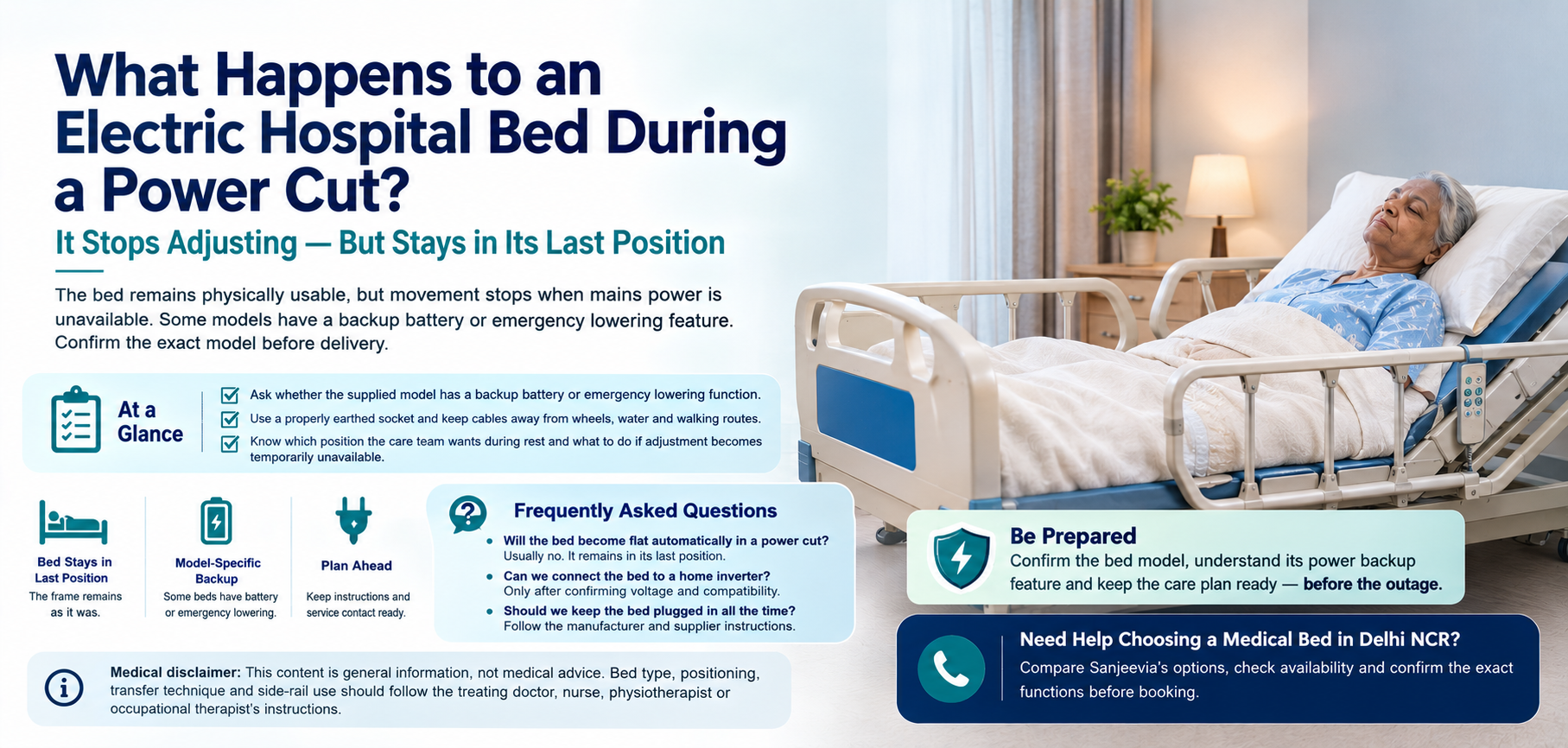
Most electric hospital beds stop adjusting when mains power is unavailable, although the bed remains physically usable in its last position. Some models have a backup battery or emergency lowering feature and others do not. Confirm the exact supplied model before delivery.
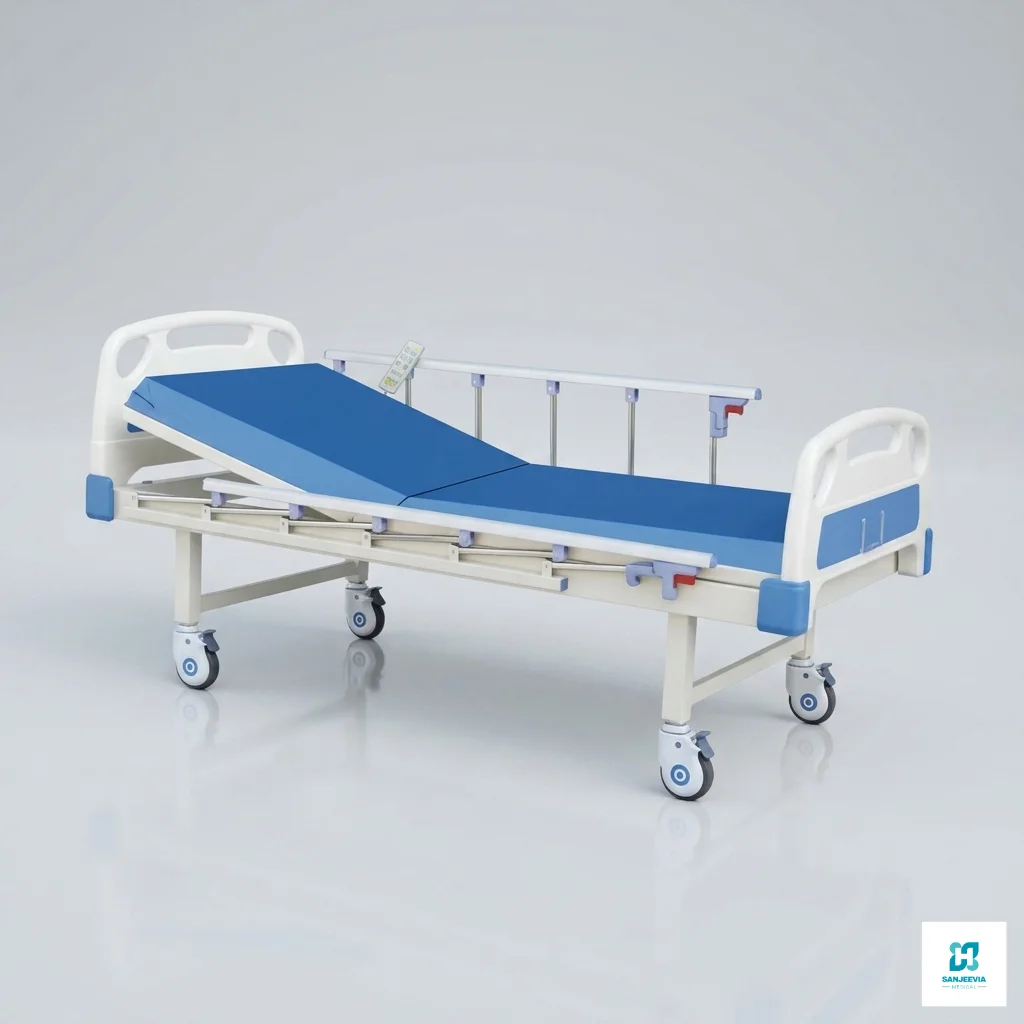
“If electricity goes at night, will the bed collapse or get stuck?” Do not assume how an electric bed will behave during an outage. It may remain in its last position, and any battery or emergency-lowering feature is model-specific. Confirm the supplied model’s instructions before delivery. For a patient who needs frequent clinical positioning, families should plan for this before the first outage.
At a Glance
- Ask whether the exact bed has a charged backup battery or emergency lowering function.
- Use a properly earthed socket and keep cables away from wheels, water and walking routes.
- Know which position the care team wants during rest and what to do if adjustment becomes temporarily unavailable.
What Usually Happens When Power Fails
The motors stop responding because they need electricity. The frame normally stays where it was. Do not force the moving sections, dismantle the actuator or use an improvised power source.
If the bed includes a battery, its runtime depends on model, age, charge and how many movements are made. A battery is generally for limited adjustment rather than unrestricted use during a long outage.
Prepare the Room and Electrical Point
Use the socket and power arrangement advised by the supplier. Avoid loose adapters and extension boards carrying several high-load appliances. Keep the plug accessible to the caregiver but protected from accidental removal.
Position oxygen tubing, monitor leads and drainage lines so a change in bed height cannot pull them. Recheck the routing after every major bed movement.
Create a Simple Outage Plan
Ask the clinician whether a particular resting angle is important. Before a predicted outage, place the patient in the recommended safe position while power is available. Keep the service number and model details near the bed.
If loss of positioning creates breathing difficulty, severe pain or another clinical problem, treat the patient’s symptoms as the priority and contact the care team or emergency services. Do not wait only for electricity to return.
Questions to Confirm Before You Arrange the Equipment
- Does the supplied model have a backup battery?
- How is emergency lowering performed, if available?
- Which functions work on battery and for approximately how many adjustments?
- Is the socket earthed and dedicated?
- What is the service contact during the rental?
- Does the patient’s clinical plan require a particular position?
Frequently Asked Questions
Will the bed become flat automatically in a power cut?
Usually no. It normally remains in its last position. Confirm the exact model’s behaviour.
Can we connect the bed to a home inverter?
Only after confirming voltage, load and compatibility with the equipment supplier or a qualified electrician.
Can we move the bed manually?
The bed may roll when castors are unlocked, but motorised sections should not be forced. Follow the model demonstration.
Should we keep the bed plugged in all the time?
Follow the manufacturer and supplier instructions, especially if the bed has a rechargeable backup system.
Need Help Choosing a Medical Bed in Delhi NCR?
Keep the discharge summary or clinician’s instructions ready, then compare Sanjeevia’s medical-bed options. Confirm current availability, exact functions, accessories, delivery access, rental terms and demonstration before booking.
Related Guidance and Equipment
These links connect the patient’s positioning and transfer needs with the most relevant bed guidance and exact product specifications.
Continue Reading
- Manual vs Electric Hospital Bed After Surgery — match adjustment frequency to patient and caregiver needs.
- How to Choose the Right Hospital Bed for Home — compare Semi Fowler, Full Fowler and electric-bed functions.
Relevant Product Pages
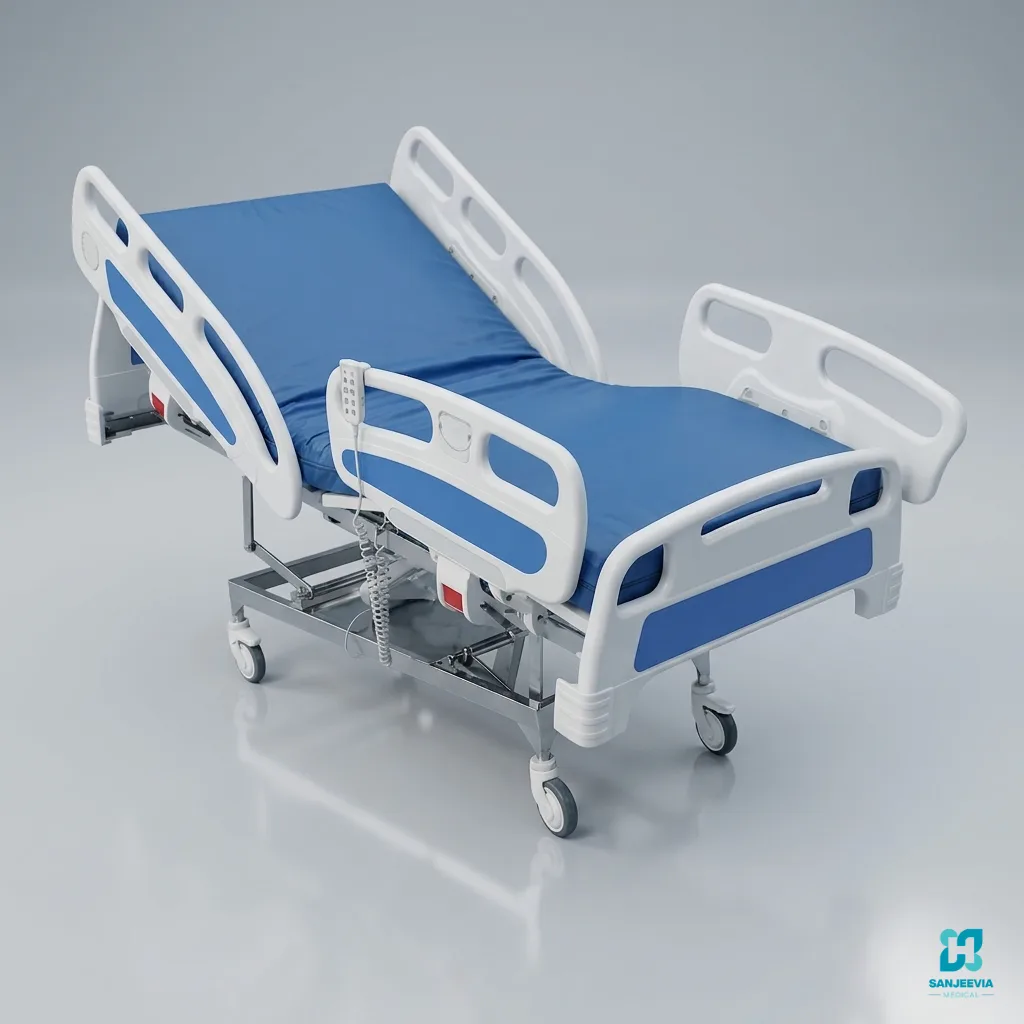
- 3-Function Electric Hospital Bed — review backrest, knee-rest and height-adjustment specifications.
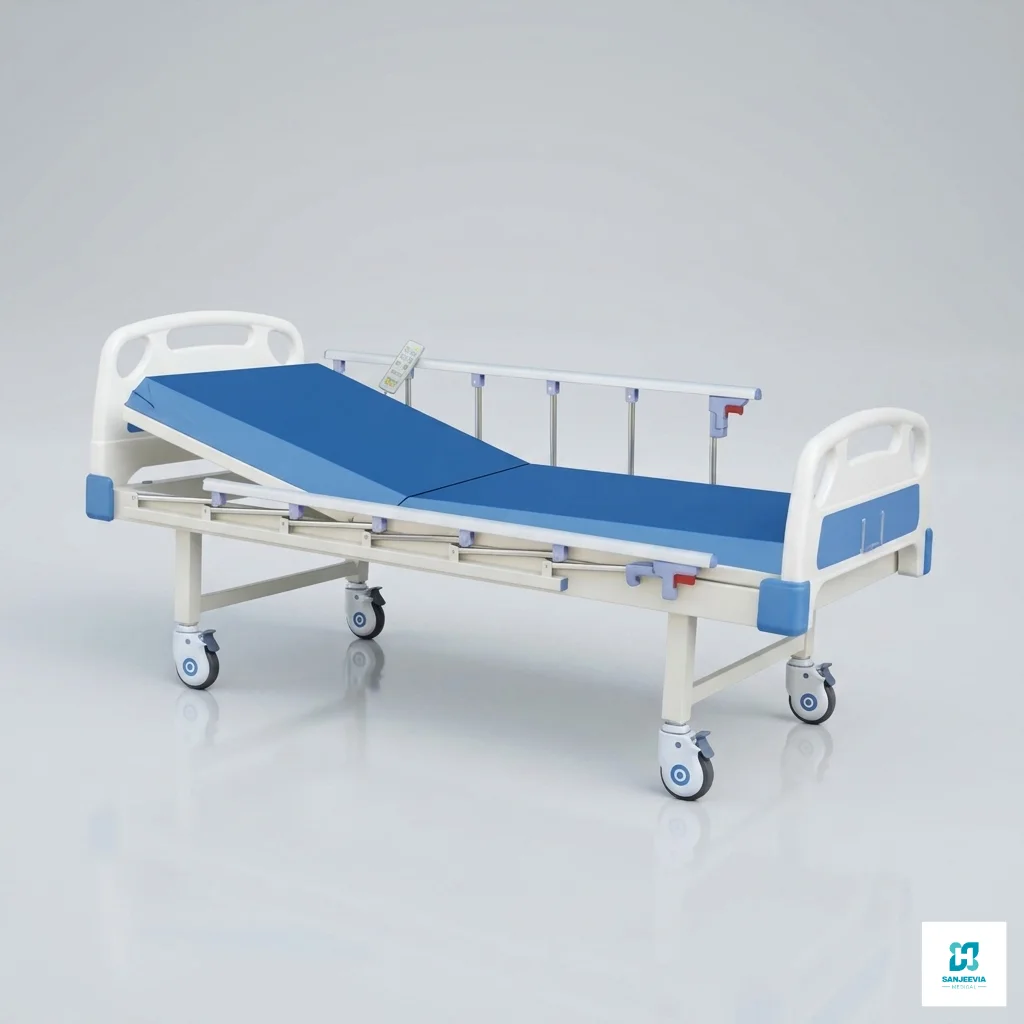
- 2-Function Electric Bed — compare a simpler electric adjustment option.
Medical disclaimer: This article provides general information and is not medical advice. Bed type, positioning, transfer technique and side-rail use should follow the treating doctor, nurse, physiotherapist or occupational therapist’s instructions.


Published by Sanjeevia Medical | Home-care equipment guidance for Delhi NCR