
At a Glance
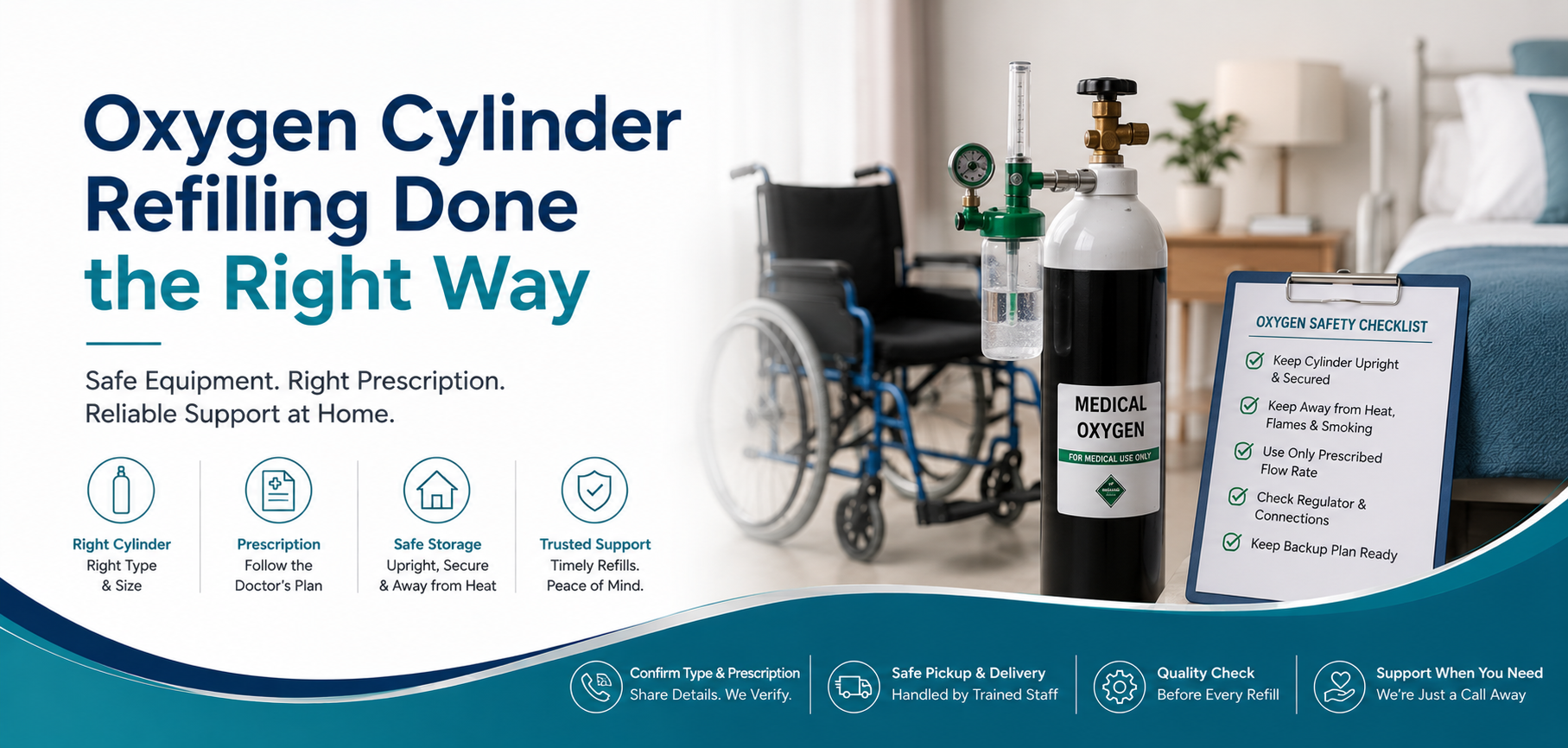
- Cylinder refilling is not just a delivery task: confirm the cylinder type, regulator and prescription-led oxygen plan before the refill is arranged.
- Compare the exact equipment, setup and service scope before you rent or buy.
- Follow the treating clinician’s instructions for patient care, settings and transfers.
Reading time: 6 min | Category: Home Care Equipment | Published by Sanjeevia Medical
Quick Answer
Cylinder refilling is not just a delivery task: confirm the cylinder type, regulator and prescription-led oxygen plan before the refill is arranged.
Families can feel pressure when a cylinder is running low. A safer approach is to check the equipment and contact route early, follow the prescribed oxygen plan and ask the provider what the refill or exchange process covers.
Start with the Right Decision
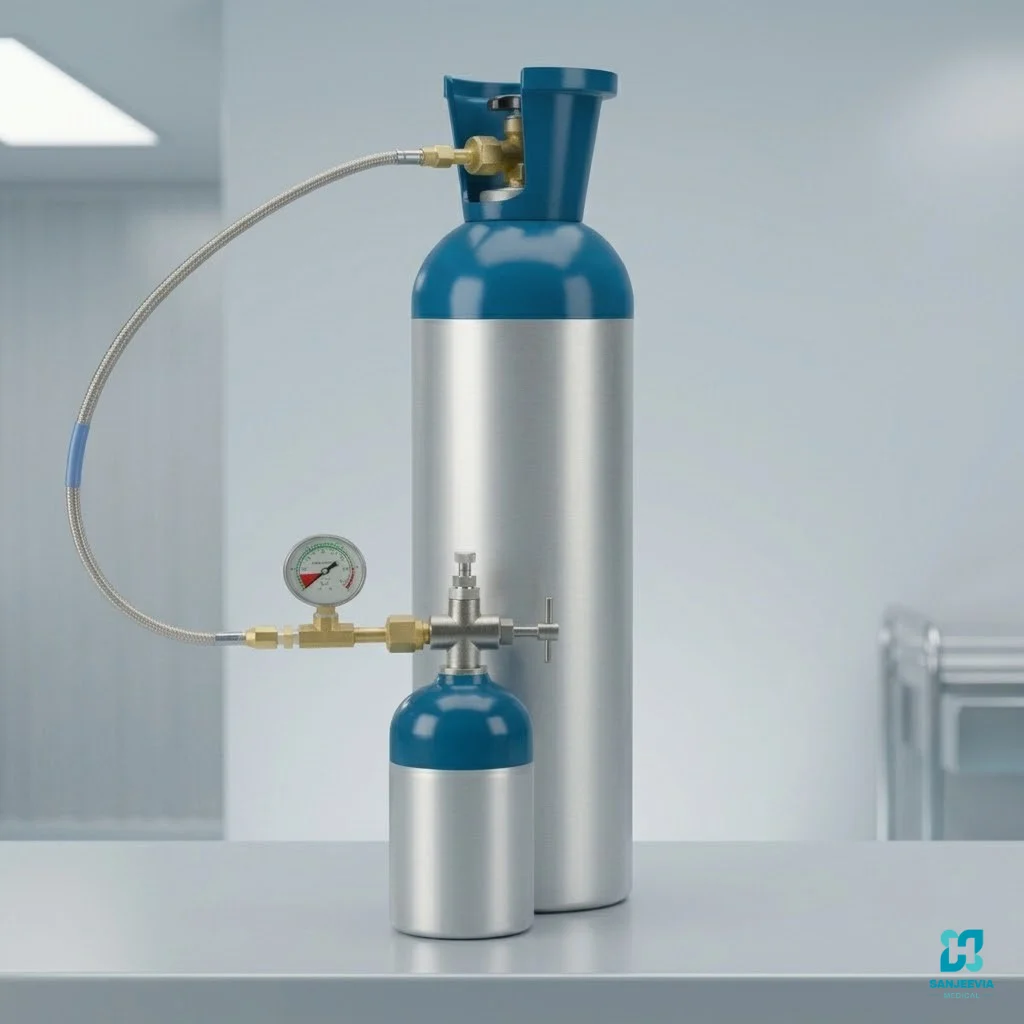
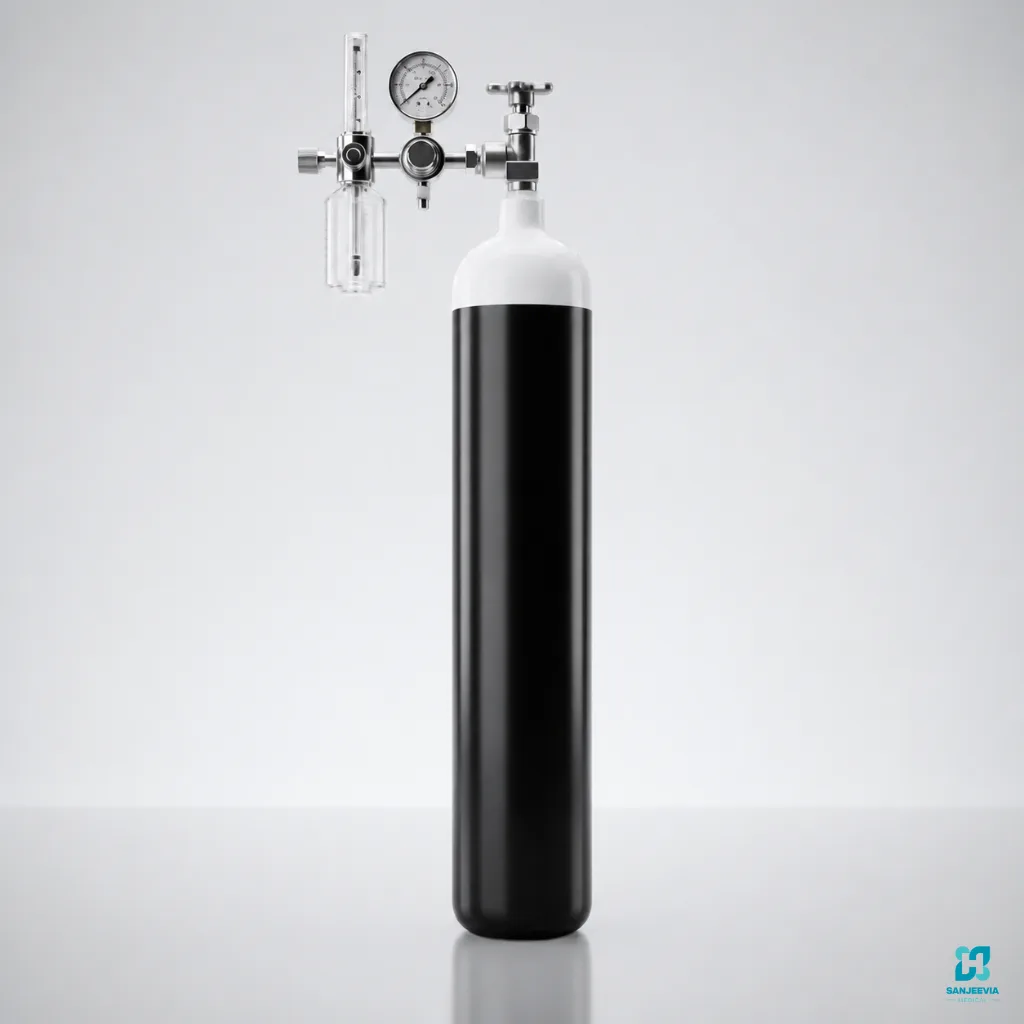
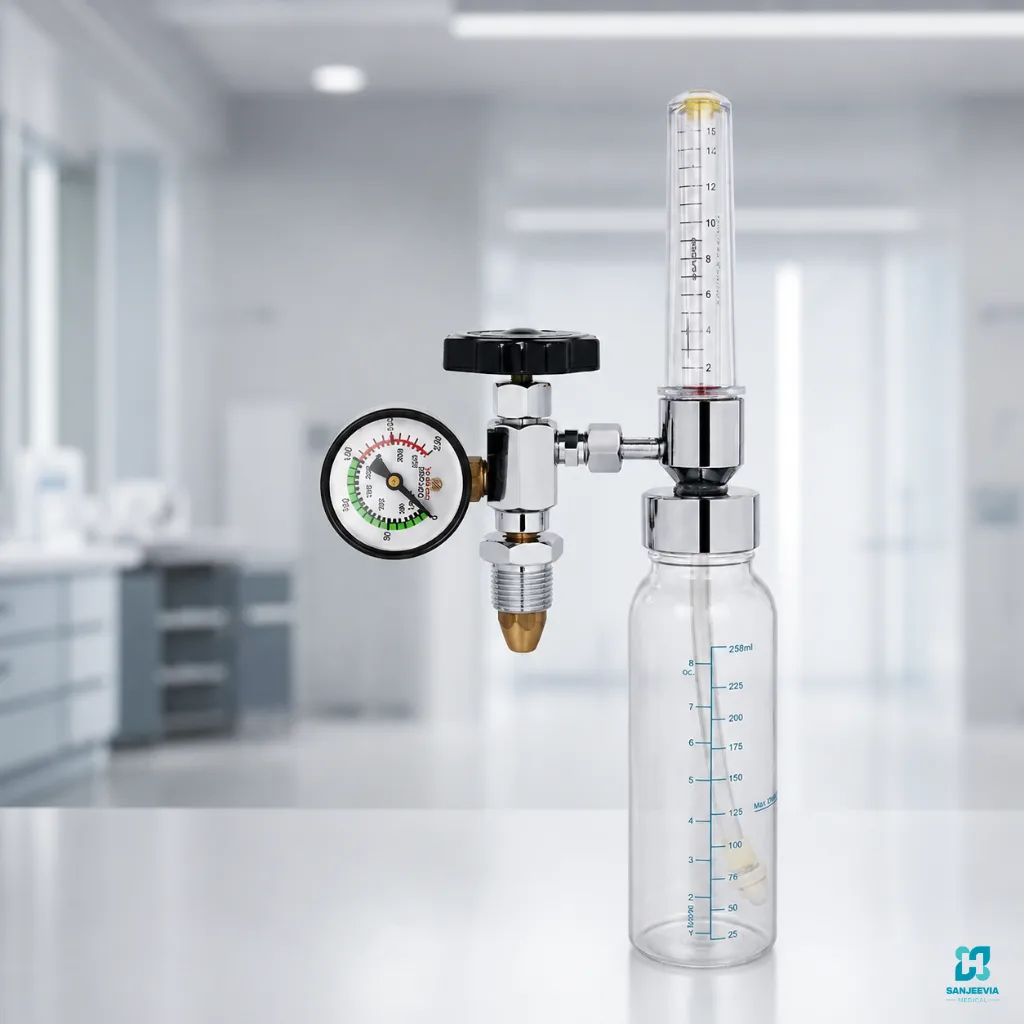
An oxygen cylinder, regulator, flowmeter and interface form a system. The equipment must match the patient’s plan and the cylinder type. Never adjust a prescribed flow without clinical advice, use damaged equipment or attempt a non-approved refill arrangement. Keep the cylinder upright and follow the provider’s handling instructions.
What to confirm before booking
- the cylinder size and type, regulator and flowmeter compatibility
- current prescription and whether the cylinder is primary supply or approved backup
- safe upright storage, away from heat, flame, smoking and unsecured movement
- refill or exchange scope, timing, contact route and what to do if the plan changes
Should You Rent or Buy?
A refill or exchange may be part of a short-term or longer home-oxygen plan. The key decision is not rent versus buy in isolation; it is whether the oxygen source and logistics safely match the prescribed need and approved backup arrangements.
A Practical Booking Checklist
- Keep the prescription, discharge instructions or therapist recommendation ready where equipment is clinically prescribed.
- Ask for the exact model and included accessories in writing.
- Confirm the delivery route, room setup, handover and service contact before the booking is finalised.
- Ask about the current rental period, extension process, collection terms and purchase option where relevant.
Cylinder and Regulator Checks Before Refill
Share the cylinder size, valve type and clear photographs of the markings and regulator before pickup. Confirm compatibility and whether the cylinder is within its required test period. After refill, check that the valve is closed for transport, the cylinder is secured and the regulator and flow meter are reconnected and checked before patient use.
- Keep the cylinder upright and secured against falling.
- Keep it away from flames, smoking, oil, grease and heat.
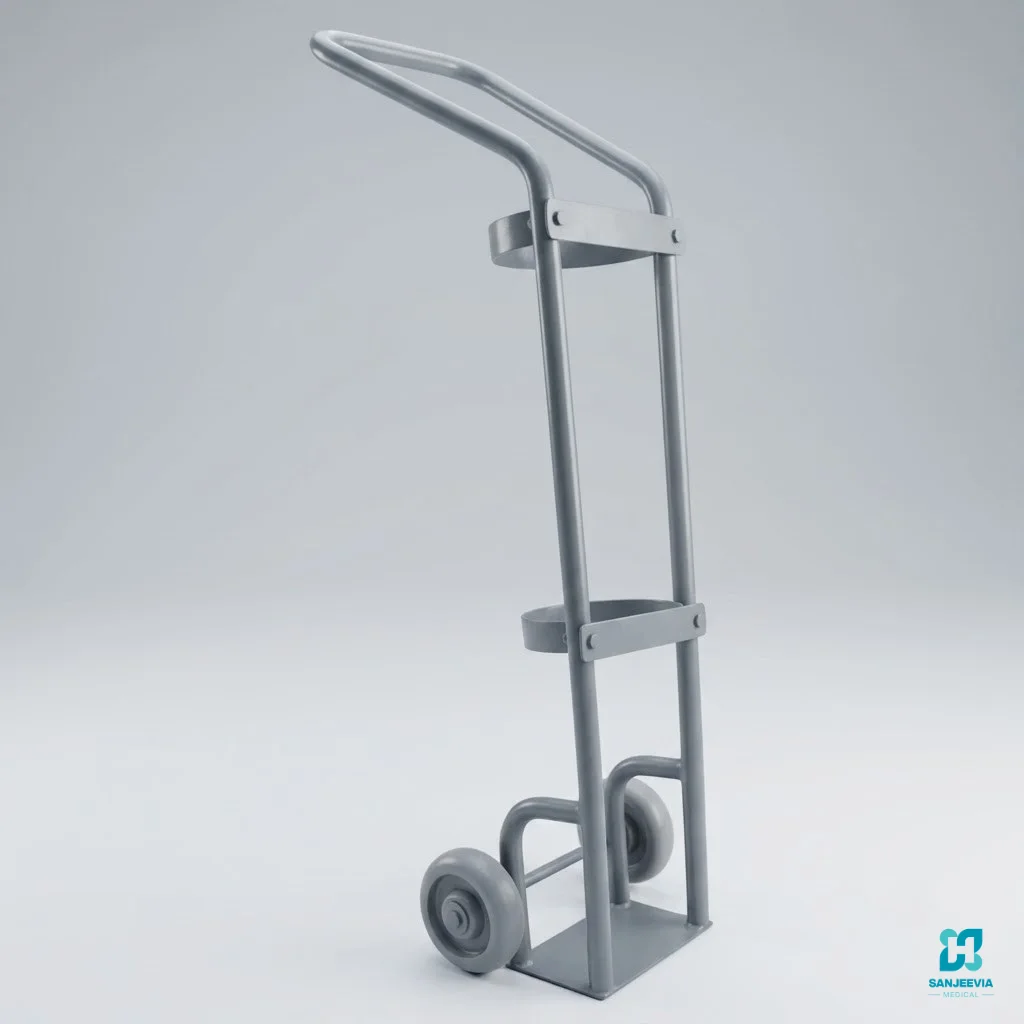
- Do not drag, roll or lift it by the regulator.
- Use only the prescribed flow and keep the backup plan ready.
Frequently Asked Questions
Can we use any regulator with an oxygen cylinder?
No. The regulator and flowmeter must be compatible with the cylinder and used as instructed. Ask the provider to confirm the supplied equipment and seek clinical guidance for the prescribed setting.
How should a medical oxygen cylinder be stored at home?
Keep it upright, secured against falling, away from heat, flames and smoking. Follow the supplier’s instructions and the care team’s oxygen safety guidance.
Discuss the right option for your home-care plan: Medical Oxygen Cylinder Refilling | oxygen cylinder versus concentrator guide | contact Sanjeevia for current availability and delivery details in Delhi NCR.
How to Compare Quotes and Support
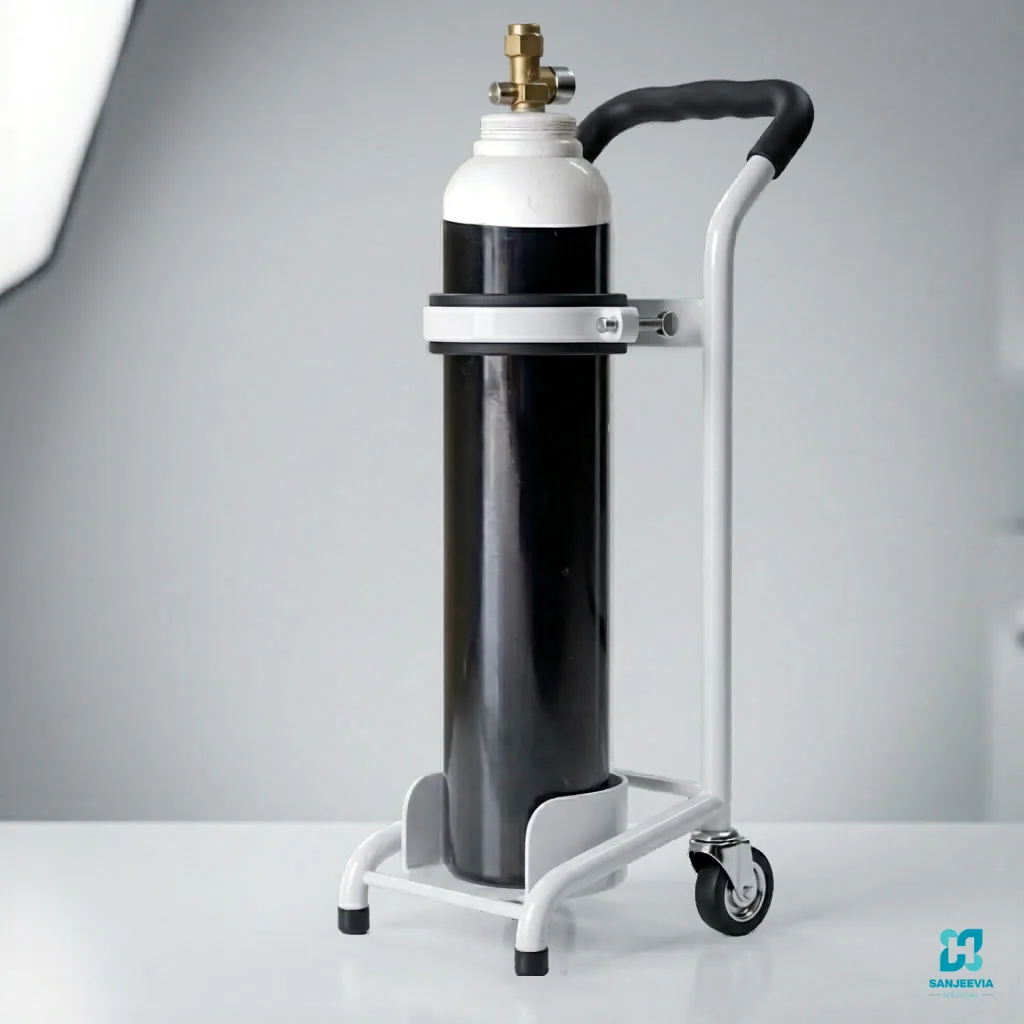
Before booking a refill or exchange, ask what cylinder and regulator are covered, whether delivery or collection is included, how the cylinder will be handled and what support route applies. Do not rely on an informal refill arrangement for medical oxygen equipment.
When to Involve the Care Team
If the oxygen requirement or the patient’s condition changes, contact the treating team. The refill provider should not be asked to make clinical flow decisions.
- Keep cylinders upright and secured against falling.
- Keep flames, smoking and heat sources away from oxygen equipment.
- Check the regulator and flowmeter only as instructed.
Medical Disclaimer
This article is for general informational purposes only and is not medical advice. Equipment selection, settings, patient positioning and transfer decisions must follow the treating clinician’s instructions.
Published by Sanjeevia Medical | sanjeevia.com | Delhi NCR
Related Guidance and Equipment
Cylinder refilling should be planned around the prescription, regulator and remaining supply; these links connect the safety questions with the exact refill and cylinder pages.
Continue Reading
- Oxygen Cylinder vs Oxygen Concentrator — decide when a cylinder is primary or backup oxygen.
- How to Choose the Prescribed Oxygen Flow Rate — interpret LPM without changing the clinician’s prescription.
Relevant Product Pages
- Medical Oxygen Cylinder Refilling — open the verified refill product page.
- 47L Medical Oxygen Cylinder — review a large-cylinder option and specifications.