

Buying an electric wheelchair can feel like choosing a machine from a specification sheet, but the decision affects posture, transfers, independence, charging and daily access. A family may focus on speed or advertised range while missing the seat fit, turning space or service arrangements that determine whether the chair works in real life. This guide explains nine checks to complete before payment, without assuming that one model suits every user.
Quick answer
Choose an electric wheelchair through an individual assessment, a fitting and a practical trial. Confirm the exact model, seat dimensions, safe user weight, battery and charger details, written warranty, spare-part support and service process. Do not rely only on an advertised range, a photograph or a broad promise of after-sales support.
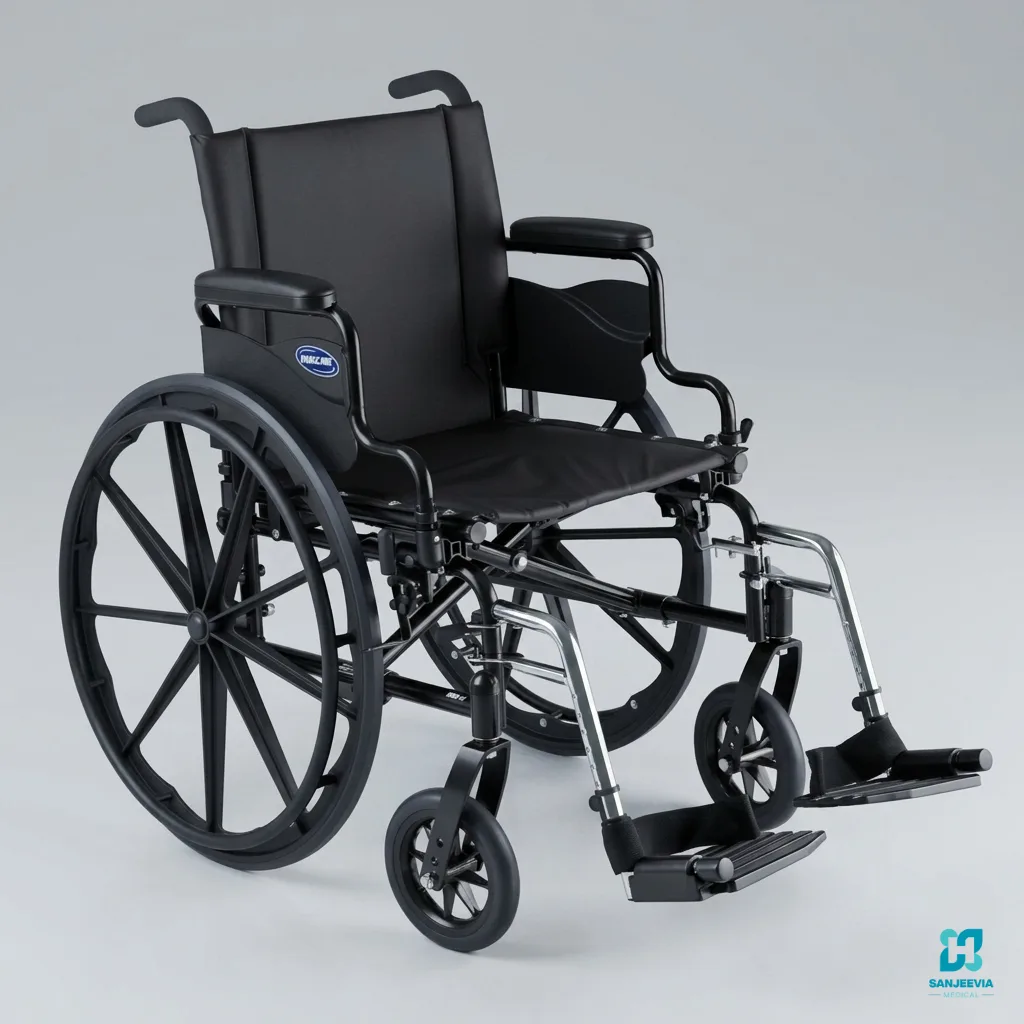
Compare powered and manual options only after clarifying who will propel the chair, where it will be used and how the user transfers.
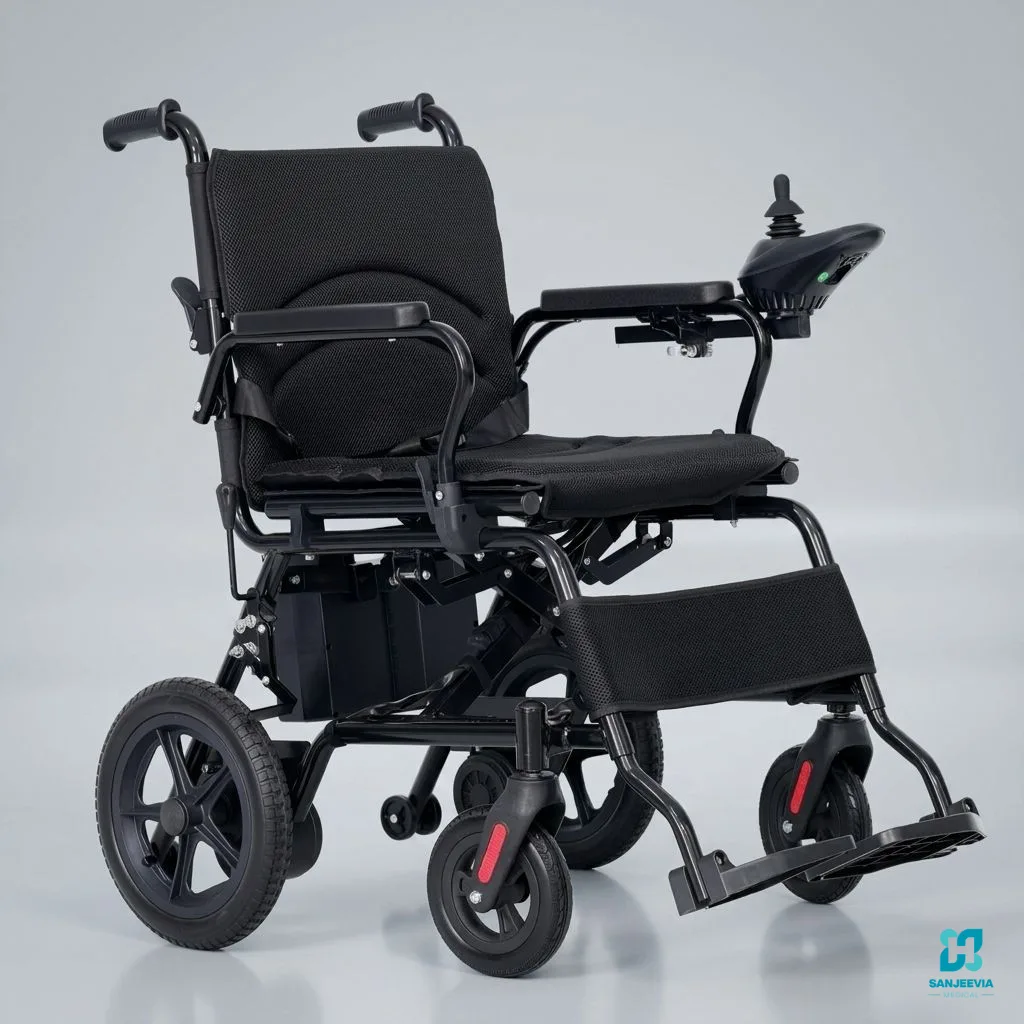
Why fit comes before features
The World Health Organization wheelchair provision guidelines recommend individual assessment, selection, fitting, training and follow-up. That sequence matters for powered chairs because the user must control a heavier device safely while their body is supported in a stable position.
Start with the user’s body measurements, posture, balance, vision, cognition, hand control and transfer method. Then assess the home, lift, doorways, vehicle and regular routes. If powered and manual chairs are both being considered, read Manual vs Electric Wheelchair before comparing particular models.
Nine checks before buying an electric wheelchair
1. Has the user been assessed and fitted?
Record seat width and depth, back support, armrest height, footrest position and any cushion or postural-support need. A chair that is too wide can reduce stability; one that is too narrow can create pressure and make transfers difficult. Ask who will complete the fitting and what adjustments are possible after delivery.
2. Does the chair match the intended environment?
List where the chair will actually travel: bedroom, bathroom approach, building lift, paved paths, ramps, clinic corridors and car boot. Measure the narrowest doorway, lift opening and turning space. For regular outdoor use, review the separate guide to electric wheelchair outdoor use.
3. Are the safe user weight and dimensions documented?
Ask for the manufacturer’s stated safe user weight and the chair’s unfolded and folded dimensions. Do not use the weight limit as the only fitting test. A person can be within the stated limit while the seat, backrest, footrests or transfer space remain unsuitable.
4. Can the user operate the controls safely?
Test the joystick position, sensitivity, on and off control, speed selection, horn and emergency stopping procedure. Confirm whether the controller can be positioned for the user’s dominant hand and whether an attendant control is available if clinically and practically required.
5. What battery is supplied with this exact unit?
Record the battery type, voltage, capacity, manufacturer, manufacture date if available and expected replacement route. Ask what the display means, how long a normal charge takes and how storage affects the battery. The existing electric wheelchair battery-care guide explains why charging habits and storage deserve their own plan.
6. How should the advertised range be interpreted?
Range is normally measured under specified test conditions. Real use can change with user weight, slope, surface, tyre pressure, stop-start driving, temperature and battery age. Ask for the manufacturer’s test basis and plan routine journeys with a reserve rather than treating the maximum figure as a promise.
7. What exactly does the written warranty cover?
Request a model-specific warranty document and invoice. Check the frame, motors, controller, battery and charger separately because their coverage may differ. Record exclusions, service location, collection arrangements if applicable and the evidence required for a claim. Verbal statements are difficult to use later.
8. Are parts and trained service available?
Ask about replacement tyres, castors, footrests, armrests, joystick modules, chargers and batteries. Confirm whether the model can be diagnosed locally and how long discontinued parts are normally supported. A lower purchase price may lose its advantage if essential parts are difficult to obtain.
9. What will be demonstrated at handover?
The handover should cover charging, battery indicators, braking, freewheel and drive modes, safe slopes, folding, transport, cleaning, storage and whom to contact. The user and regular caregiver should both practise. Record the serial number and keep the user manual, invoice and warranty together.
Electric wheelchair buying record
| Decision area | Evidence to obtain | Why it matters |
|---|---|---|
| User fit | Measurements, trial and adjustment record | Supports posture, transfers and control |
| Environment | Door, lift, turning and route measurements | Shows whether the chair can be used where needed |
| Battery | Type, capacity, charger and replacement route | Clarifies charging and ownership planning |
| Warranty | Written component coverage and exclusions | Prevents vague expectations after payment |
| Service | Parts list, contact route and response process | Helps keep the chair supportable over time |
Who should pause before purchasing?
- The user has not been measured or has changing posture or pressure-risk needs.
- The home access and lift have not been measured.
- The seller cannot identify the exact model, serial number or written warranty.
- The required battery, charger or controller is unclear.
- The chair cannot be demonstrated or a safe handover is unavailable.
Frequently asked questions
Do I need a professional wheelchair assessment before buying?
An individual assessment and fitting are strongly recommended, especially for long-term use, posture needs, pressure-risk concerns or independent driving. A product photograph and weight limit do not establish fit.
What should a written electric wheelchair warranty state?
It should identify the covered model and serial number, warranty period, covered components, exclusions, claim process and who provides service. Ask whether the battery, charger, controller, motor and frame have different terms.
Is the advertised battery range guaranteed?
No single range figure applies to every user and route. User weight, surface, slopes, tyre pressure, battery condition, temperature and driving pattern can change real-world range.
Can an electric wheelchair be used outdoors?
Some models are suitable for limited outdoor use, but the route must match the model’s ground clearance, stability, permitted slope, tyres and weather restrictions. Confirm the exact instructions before purchase.
Should I buy without a home demonstration?
A demonstration is valuable because it lets the user test transfers, controls, turning space, braking and access. If a home demonstration is unavailable, obtain exact dimensions and a written handover plan.
Next Read
After choosing the chair type, continue with Electric Wheelchair Outdoor Use to check routes, slopes and daily access before the first regular journey.