
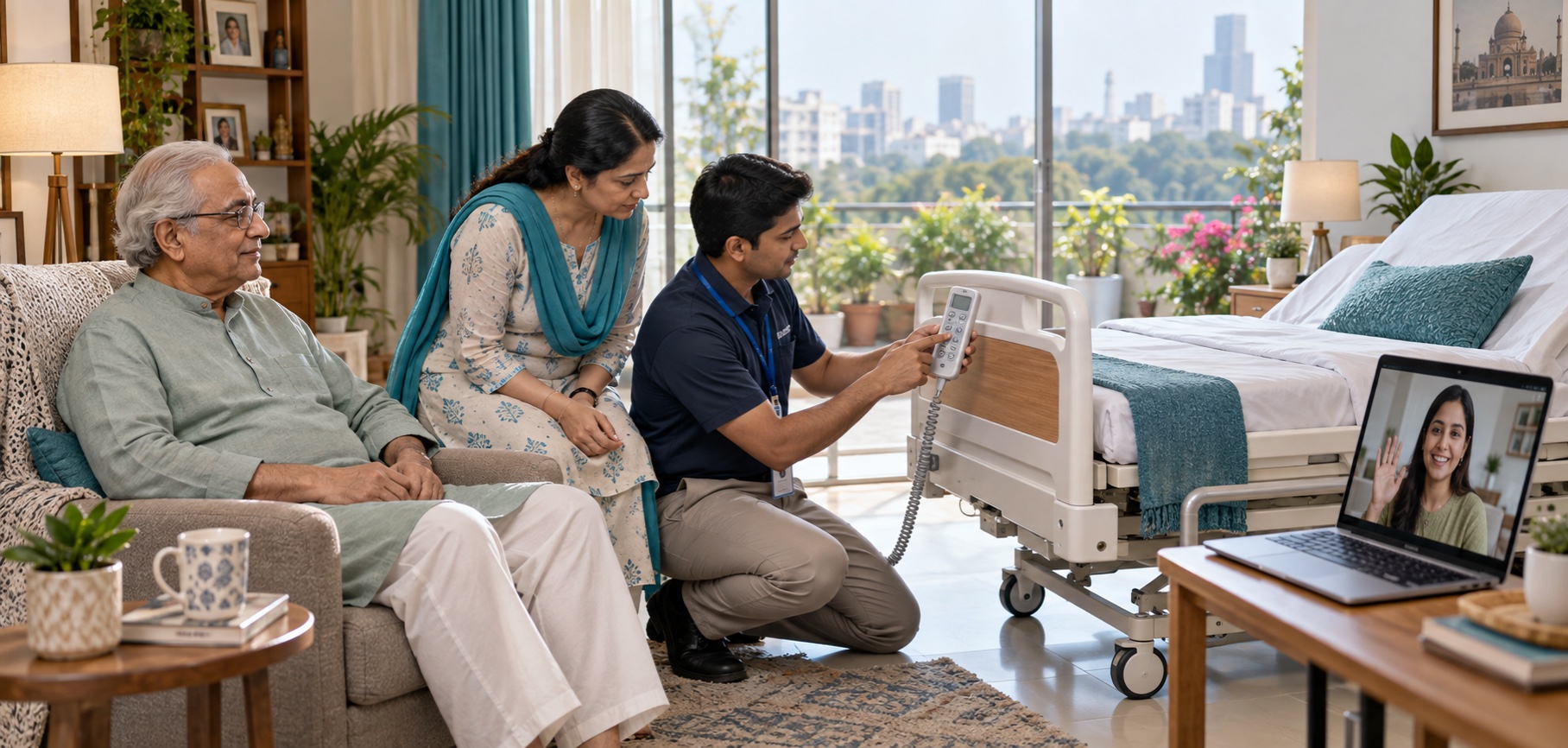
Quick answer: An NRI or outstation family can coordinate medical equipment rental for a parent in Delhi NCR without being physically present at every step. The safest approach is to confirm the clinician’s requirement, nominate one local recipient, share the exact address and access details, record the equipment handover, and agree on who will manage day-to-day use, renewal and collection. Sanjeevia can support the equipment process, while all clinical decisions should remain with the treating team.
When an ageing parent needs support at home, distance creates a practical problem. The family member making decisions may be in another country or city, while the person receiving the equipment may be a spouse, sibling, nurse or attendant in Delhi NCR. A good plan gives each person a clear role and creates one written record that everyone can follow.

What an NRI family can arrange remotely
Most coordination can happen by telephone, WhatsApp or email. You can share the clinician’s written requirement, compare suitable equipment, confirm the serviceable PIN code, provide room and building details, nominate a local recipient and keep the order information in a family group. Sanjeevia’s step-by-step service guide explains the usual journey from selection to delivery, installation where applicable and demonstration.
Some responsibilities must stay local. A trusted adult should be present to receive the unit, check the model and accessories, understand the demonstration and know whom to contact. If the equipment has prescribed settings or requires clinical judgement, a qualified healthcare professional must confirm them. An equipment provider should not replace the treating clinician.
A reliable remote coordination plan
1. Start with the care requirement, not a product name
Ask the doctor, physiotherapist, respiratory therapist or discharge team what the patient needs the equipment to do. Record relevant specifications, the expected duration, prescribed settings where applicable and any patient limitations. If you are unsure which category fits, use Sanjeevia’s medical equipment matcher as an orientation tool and then confirm the choice with the treating professional.
2. Check the home and building before confirming
Share the full address, PIN code, floor, lift dimensions, staircase situation, doorway width and available space. Large equipment may require a clear path from the building entrance to the patient’s room. Powered equipment may also need a suitable socket and a plan for interruptions. The FDA home-use medical device checklist recommends checking doorways, stairs, wiring, operating needs, instructions and backup arrangements before a device is used at home.
Sanjeevia currently serves Delhi, Gurugram, Noida, Greater Noida, Faridabad, Ghaziabad, Sonipat and Bahadurgarh, subject to PIN-code and current availability confirmation. Review the current delivery policy before finalising the plan.
3. Nominate one local recipient and one remote coordinator
The local recipient should be able to identify the patient, receive the equipment, inspect visible condition and attend the demonstration. The remote coordinator should keep the order summary, care-team instructions, service contacts and rental dates. This simple division prevents contradictory instructions from different family members.
Share personal information only through the provider’s stated process. Sanjeevia’s privacy policy explains the information used to fulfil an order and how it is handled.
4. Request a written equipment summary
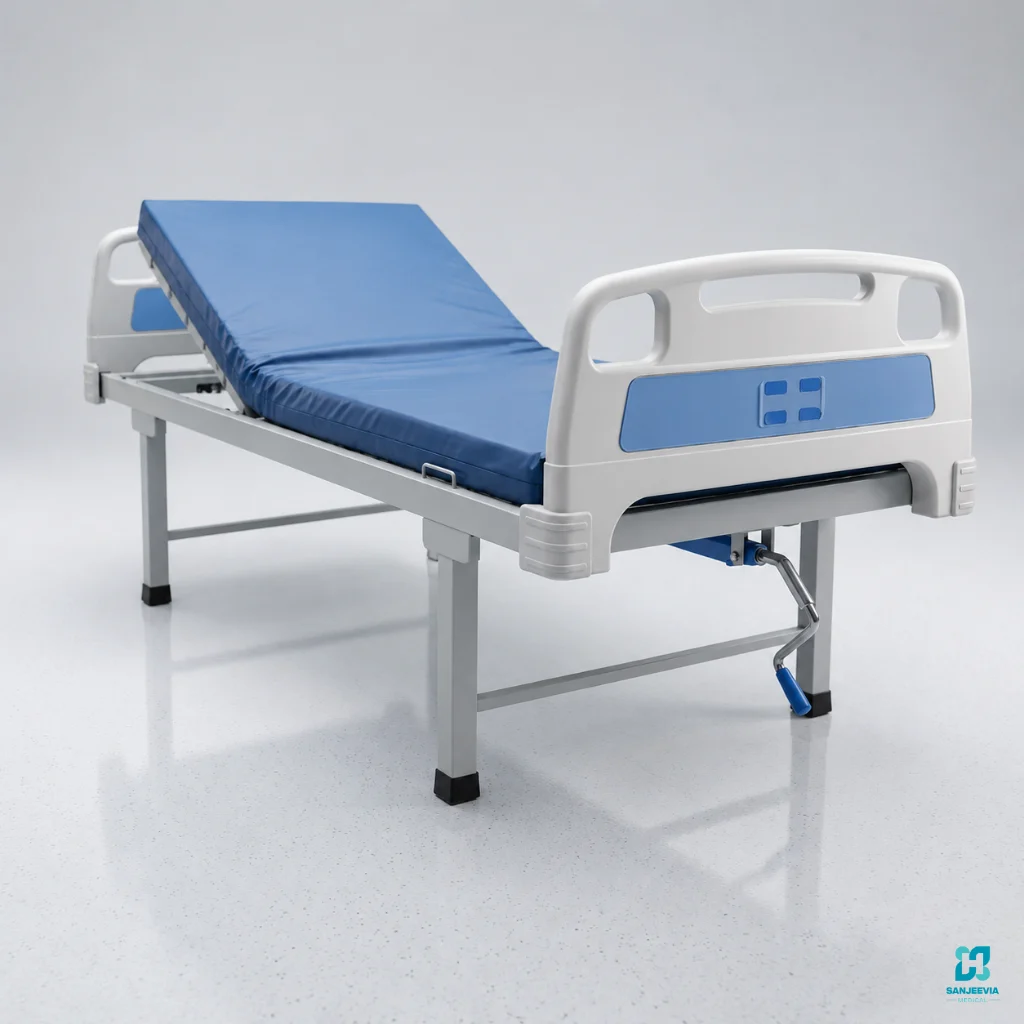
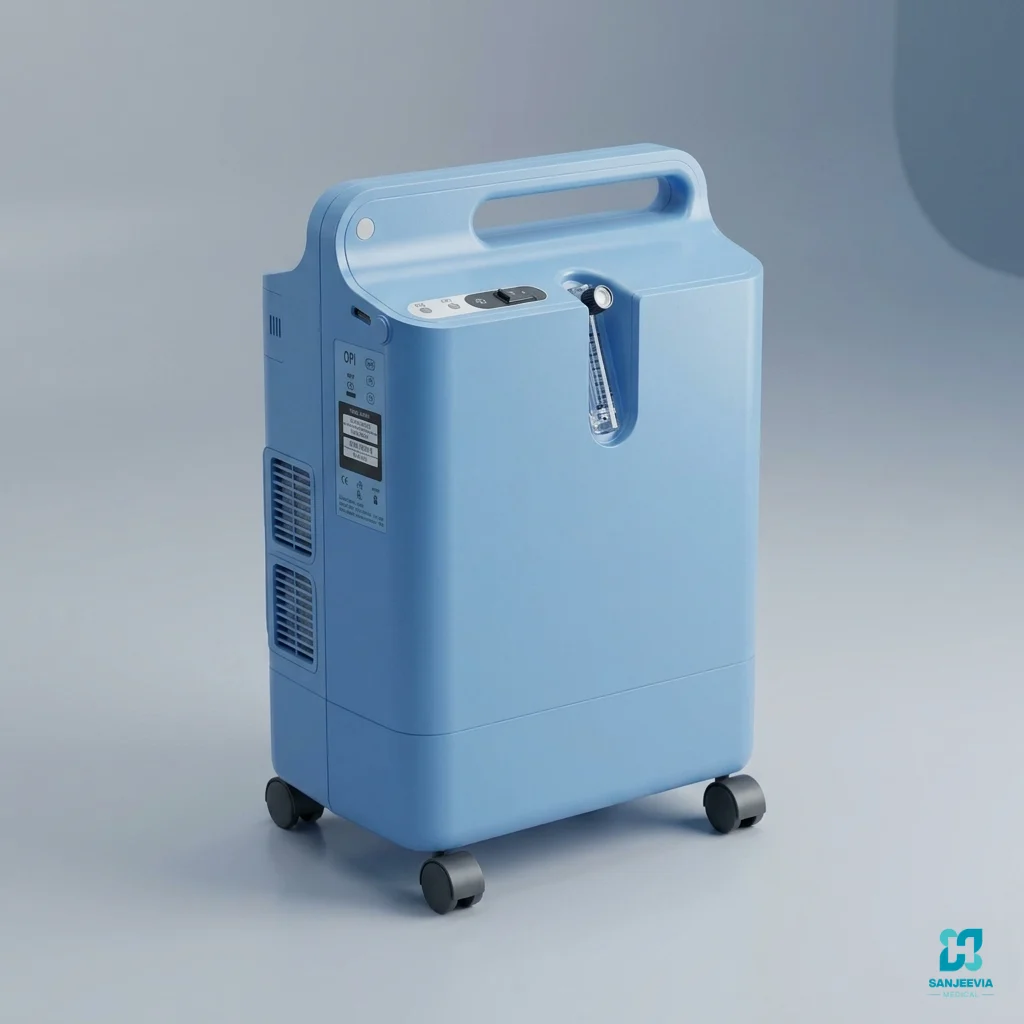
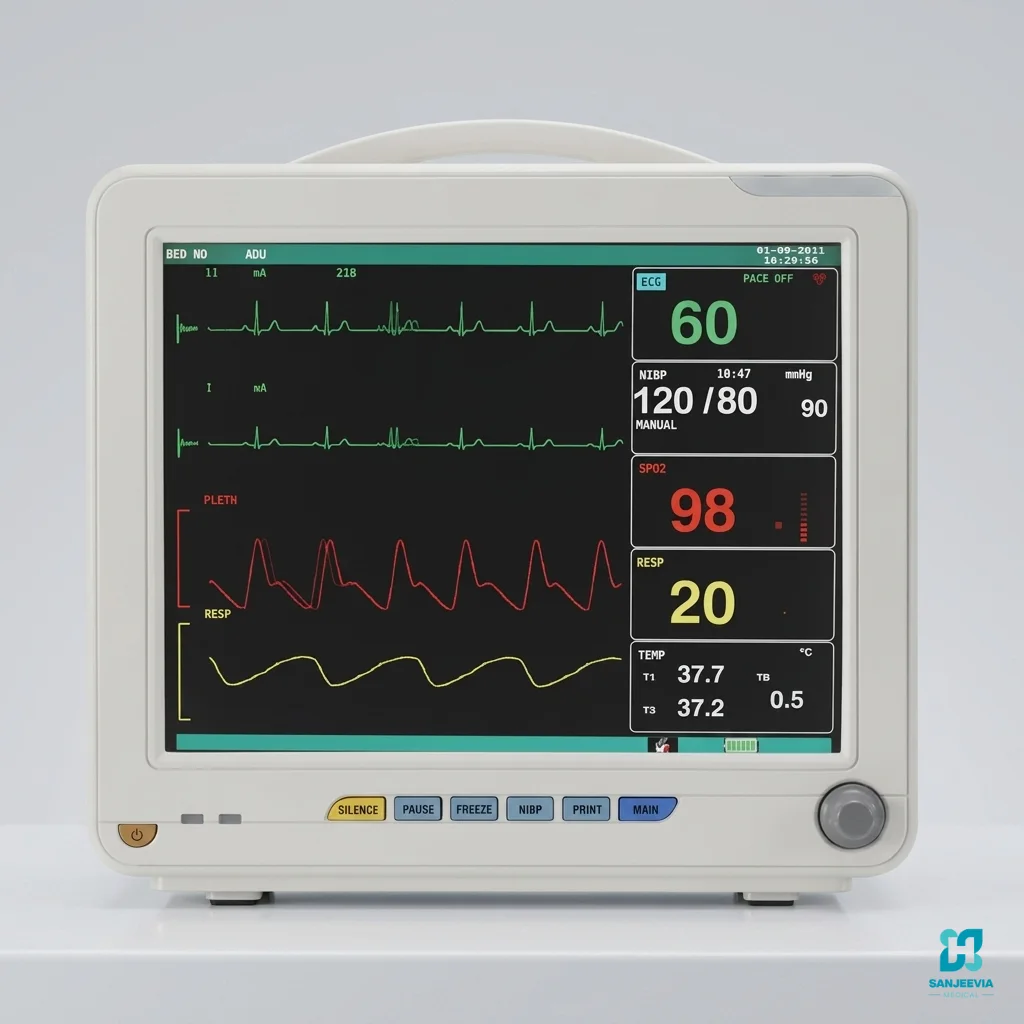
Before handover, keep a written record of the equipment category, model or identifying details, included accessories, rental period and responsible contact. For a bed, that may include rails, mattress and control functions. For respiratory or monitoring equipment, the accessory list can be equally important. Do not rely on a verbal description shared through several relatives.
5. Make the handover visible to the remote family
If possible, have the local recipient join a brief video call during the demonstration. Record permitted photos of the installed unit, its identification label and supplied accessories. Keep the manufacturer’s instructions nearby. Sanjeevia describes its pre-delivery checks, sanitisation steps, accessory count and demonstration process in the rental equipment quality-check guide.
The caregiver should be able to repeat the basic operating steps, recognise relevant alarms and know what not to adjust. This follows the FDA’s advice to include family and caregivers in demonstrations and make sure they can show that they understand safe use.
6. Create a support and escalation sheet
Put four contacts in one message or printed sheet: the treating clinician, the local caregiver, the equipment provider and the family coordinator. Add the equipment identification details and the action to take if it does not operate as expected. Sanjeevia’s current equipment breakdown and replacement policy explains how a rental malfunction is reported and handled.
For a medical emergency or a change in the patient’s condition, contact the treating team or emergency services. Equipment support is not a substitute for urgent clinical care.
7. Plan renewal and collection from the beginning
Families often focus on setup and forget the end of the rental period. Record the review date, who will decide whether the equipment is still required, and who can provide access for collection. Read the renewal policy and return and refund policy so the local and remote contacts follow the same process.
Information to keep in one family message
- Patient name and delivery PIN code
- Treating professional’s equipment requirement
- Local recipient’s name and telephone number
- Building access, lift, staircase and room measurements
- Equipment description and included accessories
- Rental start and review dates
- Provider support contact and equipment identification
- Clinician and emergency contacts
Common mistakes when arranging care from another city or country
Avoid choosing equipment from a photograph alone, leaving the handover to someone who cannot attend the demonstration, or assuming every building can accommodate a large unit. Do not ask an untrained relative to select prescribed settings. Keep clinical instructions separate from equipment-service instructions, and confirm any change in the patient’s needs with the treating professional.
How Sanjeevia fits into the plan
Sanjeevia provides home medical equipment rental support in Delhi NCR and can help families understand available equipment, confirm serviceability and coordinate handover. The rental policy sets out the current service terms, while the frequently asked questions cover common order and support queries. For a requirement that needs individual coordination, use the contact page and share the clinician’s requirement, PIN code and local recipient details.
Frequently asked questions
Can I arrange medical equipment for my parent while I am abroad?
Yes, much of the process can be coordinated remotely. A responsible adult should be available locally for access, handover, inspection and demonstration.
Who should choose the equipment?
The treating doctor or relevant healthcare professional should define the clinical requirement. The provider can explain available equipment that matches those requirements.
Can a caregiver receive the equipment?
A caregiver or authorised family member may act as the local recipient if they can provide access, verify the handover and understand the basic operating instructions. Confirm the accepted process when arranging the order.
What if my parent’s needs change?
Ask the treating professional to reassess the requirement. Then contact the equipment provider with the revised written guidance. Do not change prescribed settings without clinical direction.
This guide provides general coordination information. It does not diagnose a condition, recommend a particular device for an individual or replace advice from a qualified healthcare professional.